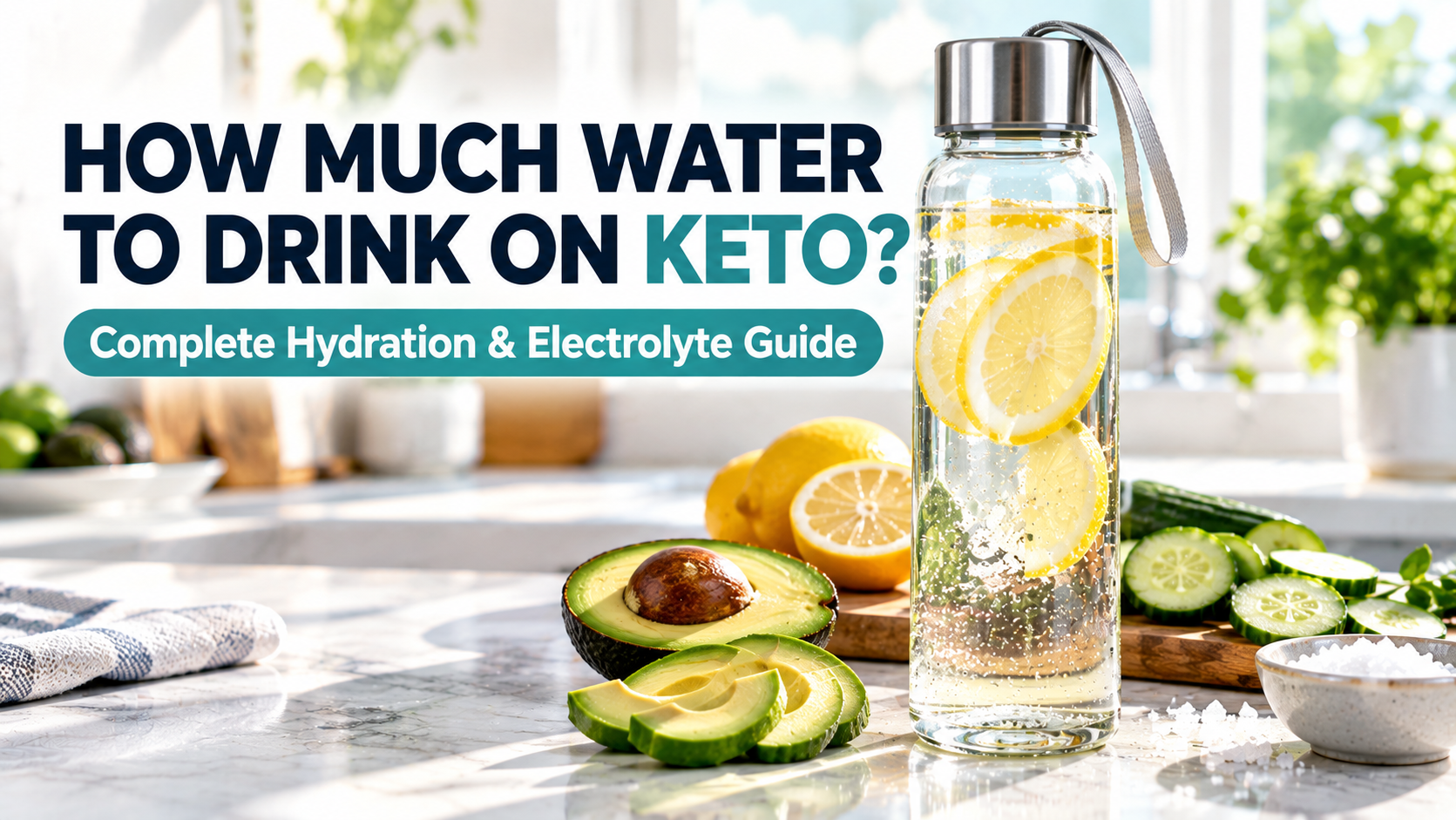
How Much Water To Drink On Keto Diet: Complete 2026 Guide
Drink at least 3.7 liters (about 13 cups) of water daily on keto to replace fluids lost from low-carb water flushing and prevent dehydration.
Hydration becomes more important than ever once you cut carbs and shift into ketosis. I've guided hundreds of people through the keto transition, and one of the first things I tell them is to keep a water bottle close. Your body sheds water and electrolytes faster than you'd think, and ignoring hydration can leave you feeling sluggish, dizzy, or stuck with the dreaded "keto flu." This guide breaks down exactly how much water to drink on keto, why it matters, and how to stay on top of it without overthinking every sip.
Why Water Intake Changes on a Keto Diet
When you drop carbs, your body doesn't store as much glycogen, and glycogen holds onto roughly three grams of water for every gram. Lose glycogen, and you lose water. Insulin levels also drop, which signals your kidneys to flush out more sodium and water. The result is a noticeable dip in hydration within the first week or two of starting keto.
I've seen people lose five to ten pounds in the first week and assume it's all fat. Some of it is, but a big chunk is water. That water has to be replaced, or you'll feel tired, get headaches, or notice dry skin. Drinking enough water also helps your kidneys process the extra ketones you're producing, which keeps your system running smoothly.
How Much Water to Drink on Keto: General Guidelines
Most people do well aiming for 2.5 to 4 liters of water per day on keto. A simple way to figure out your personal sweet spot is to drink half your body weight (in pounds) in ounces. For example, if you weigh 160 pounds, shoot for around 80 ounces of water, which is just over 2.3 liters.
Activity level matters too. If you're working out, sweating, or live in a hot climate, bump it up. A 30-minute workout can cost you another 16 to 24 ounces. I usually tell clients to add an extra liter on heavy training days.
Listen to your body as well. Thirst, dark urine, dry mouth, and fatigue are all signs you're behind on fluids. Clear or light yellow urine is the goal.
The Role of Electrolytes in Keto Hydration
Water alone isn't always enough. When you cut carbs and flush water, you also lose sodium, potassium, and magnesium. These electrolytes help your cells hold onto water and keep your muscles, nerves, and heart working right. If you're drinking tons of water but not replacing electrolytes, you might feel worse, not better.
Sodium is the big one. Aim for 3,000 to 5,000 mg per day on keto, especially in the first two weeks. Add a pinch of salt to your water, sip on bone broth, or use a keto-friendly electrolyte mix. Potassium from leafy greens and avocados helps too, and magnesium glycinate before bed can improve sleep and reduce cramps.
I learned this the hard way on my first round of strict keto. I was drinking over a gallon of water a day, feeling dizzy and getting muscle cramps at night. The fix wasn't more water. It was adding salt to my water and eating more potassium-rich foods. Within days, the symptoms faded.
Signs You May Not Be Drinking Enough Water on Keto
Your body gives clear signals when hydration is off. Watch for:
- Persistent headaches or brain fog
- Fatigue that doesn't go away with rest
- Dizziness when standing up quickly
- Dry lips, skin, or eyes
- Muscle cramps or spasms
- Dark yellow or strong-smelling urine
- Constipation
These are easy to mistake for "keto flu," but they're often just dehydration in disguise. If you notice any of these, drink a glass of water with a pinch of salt and see how you feel within 30 minutes.
Common Mistakes to Avoid with Keto Hydration
Drinking too much plain water without electrolytes is a frequent error. It can dilute your sodium levels and lead to a dangerous condition called hyponatremia, especially during the early keto phase when water loss is high.
Another mistake is relying only on thirst. By the time you feel thirsty, you're already mildly dehydrated. Build a habit instead. Keep a marked water bottle, set phone reminders, or pair drinking with routine tasks like meals and snacks.
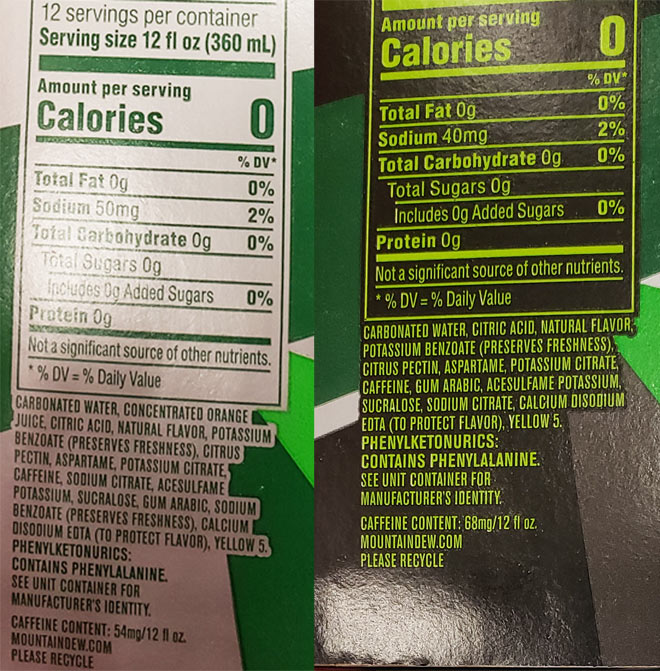
Avoid sugary drinks, diet sodas with artificial sweeteners, and too much coffee, which can all throw off hydration or stall ketosis. Plain water, sparkling water, herbal tea, and electrolyte drinks with no added sugar are your best bets.
Practical Tips to Stay Hydrated on Keto
Staying hydrated doesn't have to feel like a chore. Try these simple tricks:
- Start your morning with a full glass of water and a pinch of salt before coffee.
- Carry a 32-ounce water bottle and refill it two to three times a day.
- Eat water-rich keto foods like cucumber, celery, zucchini, and lettuce.
- Sip bone broth in the afternoon to boost sodium and fluids at once.
- Flavor water with lemon, mint, or a few berries if plain water feels boring.
- Track your intake for a week using an app to see where you stand.
I personally rotate between plain water, sparkling water with lime, and a homemade electrolyte drink with salt, potassium citrate, and a splash of magnesium. It keeps things interesting and makes hitting my daily goal effortless.
How Exercise Affects Your Water Needs on Keto
Sweating pulls out water and electrolytes fast. On keto, glycogen is limited, so your body leans more on fat for fuel, which means you might notice changes in endurance or how you sweat. Drink an extra 12 to 16 ounces of water for every 30 minutes of exercise, and make sure to add electrolytes before and after your workout.
If you're doing fasted training, drink even more and consider a small serving of sodium about 30 minutes before you start. I've had clients feel lightheaded during morning fasted cardio on keto, and the fix was almost always a lack of pre-workout electrolytes, not a lack of carbs.
How to Track Your Hydration on Keto
Tracking is the easiest way to know if you're hitting your goal. Use a marked bottle, a simple app, or even a notebook. Aim to drink consistently through the day rather than chugging a liter at once, which can lead to frequent bathroom trips and poor absorption.
A good target is:
- 16 to 24 ounces within the first hour of waking
- 8 to 16 ounces before each meal
- 16 ounces during or after workouts
- 8 ounces before bed if you're thirsty
Over time, drinking enough becomes second nature. You won't need to count anymore because you'll feel the difference.
How Long It Takes to Adjust to Keto Hydration
Most people settle into a new hydration rhythm within two to three weeks of starting keto. The first week is the toughest because your body is shedding water and electrolytes at a rapid pace. Once your sodium and potassium levels stabilize, you'll feel less thirsty, and your urine will stay a consistent light yellow.
If you're still feeling off after a month, double-check your electrolyte intake. Sometimes adding a magnesium supplement or a daily serving of bone broth is all it takes to reset.
Hydration Differences for Men and Women on Keto
Men generally need more water than women due to higher body mass and muscle. A good starting point is around 3.5 to 4 liters for men and 2.5 to 3 liters for women on keto. Adjust up if you're active or live in a warm climate.
Women should also pay extra attention during certain phases of the menstrual cycle, when hydration needs can spike. Adding a magnesium-rich drink or extra salt can help reduce bloating and cramps.
Hydration on Keto for Older Adults
As you age, your sense of thirst becomes less reliable. Older adults on keto should aim to drink on a schedule rather than waiting for thirst. Set reminders, keep water visible, and include hydrating foods at every meal. Electrolytes become even more important since the risk of low sodium increases with age.
Final Thoughts on Staying Hydrated While Doing Keto
Water is the most overlooked part of any keto plan, yet it's the foundation for energy, focus, and fat-burning. Aim for at least 2.5 to 4 liters per day, adjust for activity and climate, and pair your water with plenty of sodium, potassium, and magnesium. Once you build the habit, hydration stops feeling like work and starts feeling like fuel.
Start with one simple change tomorrow morning: a big glass of water with a pinch of salt before anything else. That single habit can change how you feel on keto from day one. Stay consistent, trust your body's signals, and let hydration do the heavy lifting while you focus on hitting your goals.
Frequently Asked Questions About How Much Water to Drink on Keto
How do I know if I'm drinking enough water on keto?
Check the color of your urine. If it's light yellow or clear, you're on track. Dark yellow, strong odor, or feeling thirsty are signs you need more fluids.
Does drinking more water speed up ketosis?
Water itself doesn't directly cause ketosis, but staying hydrated helps your body burn fat efficiently and flush ketones. It also prevents the keto flu.
Can I drink too much water on keto?
Yes, especially without replacing electrolytes. Overhydration can lower sodium levels and cause headaches, nausea, or worse. Drink steadily and add salt to your water.
Should I count coffee and tea in my daily water intake?
Herbal teas and water count, but coffee has a mild diuretic effect. For every cup of coffee, drink an extra glass of water to stay balanced.
Does salt water or electrolyte drinks count toward my water goal?
Absolutely. Anything water-based with electrolytes helps hydrate you better than plain water, especially in the early weeks of keto.