How Many Calories Does Diet Pepsi Have: The Full 2026 Guide
Diet Pepsi contains just 0 calories per 12 oz can, making it one of the most popular zero calorie soft drinks on the market. As someone who has spent years reviewing nutrition labels and helping people make smarter beverage choices, I can tell you that this tiny number can be a game changer if you are trying to cut sugar without giving up soda. But the real story is in the details, from ingredients to how it compares with other drinks, and even how your body actually reacts to it. Stick with me and I will walk you through everything you need to know about Diet Pepsi calories, so you can sip with confidence.
Diet Pepsi Calorie Count at a Glance
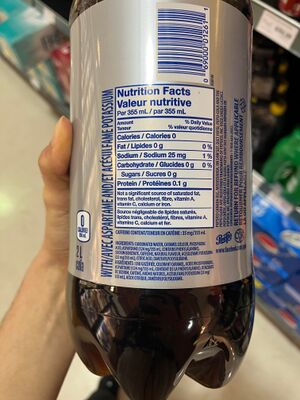
When people ask me how many calories are in Diet Pepsi, I always start with the simplest answer: zero. But let me break it down across the most common serving sizes so you can see exactly what you are getting.
- 12 oz can: 0 calories
- 20 oz bottle: 0 calories
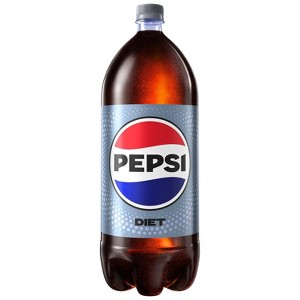
- 2 liter bottle: 0 calories per serving
- Fountain cup (16 oz): 0 calories
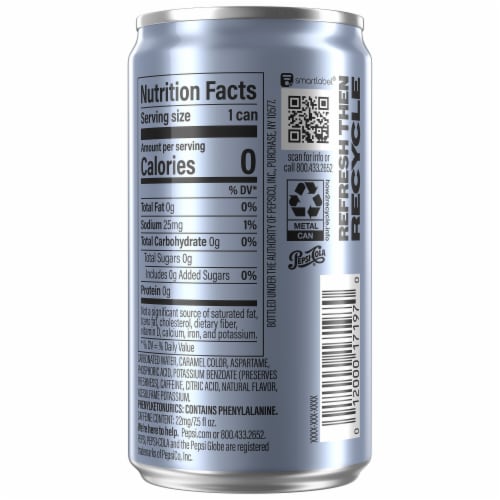
- Mini can (7.5 oz): 0 calories
This is one of the rare cases where the number is the same no matter how much you drink, because Diet Pepsi is sweetened with aspartame instead of sugar. A single 12 oz can of regular Pepsi, on the other hand, has about 150 calories and 41 grams of sugar. That is a massive difference if you are watching your weight or blood sugar.
What Ingredients Replace the Calories
The reason Diet Pepsi has zero calories comes down to the sweetener. Instead of using high fructose corn syrup or sugar, Diet Pepsi uses aspartame, which is about 200 times sweeter than sugar. That means only a tiny amount is needed to give you the same sweet taste without the energy load.
Here is a quick look at the key ingredients you will find on a Diet Pepsi can:
- Carbonated water
- Caramel color
- Aspartame
- Phosphoric acid
- Natural flavor
- Potassium benzoate (preservative)
- Caffeine
- Citric acid
From a nutrition standpoint, the drink also contains 40 mg of sodium, 0 g of sugar, 0 g of fat, and 0 g of protein. It is essentially flavored water with bubbles, which is why it fits so easily into low carb, keto, and diabetic friendly diets.
Is Diet Pepsi Really a Healthy Choice
This is the part where I have to be honest with you. Zero calories does not always mean zero impact. As a nutrition writer who has tracked my own energy and cravings while drinking diet soda for months, I have seen both the good and the not so good.
The Benefits
- Helps reduce overall calorie intake when replacing sugary drinks
- Does not spike blood sugar, which is great for people with diabetes
- Can satisfy a sweet craving without adding sugar
- Useful as a transition drink when quitting regular soda
- Caffeine content can give a gentle energy lift, around 35 mg per can
The Things to Watch Out For
- Some studies suggest artificial sweeteners may affect gut bacteria
- Can trigger sweet cravings in some people, leading to overeating later
- The acidity from phosphoric acid can wear down tooth enamel over time
- Contains sodium benzoate, which some people prefer to avoid
- Caffeine sensitivity can cause jitters or sleep issues if you drink it late in the day
I personally noticed that when I drank Diet Pepsi in the afternoon, I slept a little worse that night. Once I switched to drinking it before 2 pm, that side effect disappeared. Small changes like that can make a big difference.
Diet Pepsi vs Other Diet Sodas
If you are shopping for the lowest calorie option, you will be happy to know that Diet Pepsi is tied with most other diet sodas at 0 calories. Here is how it stacks up against the competition.
- Diet Coke: 0 calories
- Coke Zero Sugar: 0 calories
- Dr Pepper Diet: 0 calories
- Sprite Zero: 0 calories
- Pepsi Zero Sugar: 0 calories
- Mountain Dew Zero: 0 calories
The main differences come down to taste, caffeine, and sweeteners. Diet Coke uses aspartame and a small amount of potassium benzoate, while Pepsi Zero Sugar uses a blend of aspartame and acesulfame potassium. If you are sensitive to one sweetener, you might tolerate the other better.
How Diet Pepsi Fits Into Common Diets
One of the most common questions I get is whether Diet Pepsi is allowed on specific eating plans. The good news is that in most cases, the answer is yes, because of the zero calorie count.
- Keto diet: 0 net carbs, perfectly fine in moderation
- Low calorie diet: Helps reduce total daily intake
- Intermittent fasting: Will not break a fast technically, but some people avoid it for taste reasons
- Diabetic diet: Does not raise blood sugar, but check with your doctor
- Weight Watchers: Often counts as 0 points on most plans
- Low sodium diet: 40 mg of sodium per can is moderate, so watch your portions
I have used Diet Pepsi as my go to drink during long writing sessions because it keeps me hydrated with flavor without adding calories to my daily log. It is a small habit, but it adds up over weeks and months.
Common Misconceptions About Diet Pepsi
There are a lot of myths floating around about diet sodas. Let me clear up the ones I hear most often.
- Myth: Diet Pepsi will make you gain weight. Truth: It has 0 calories, so it cannot directly cause weight gain, but pairing it with unhealthy habits can still stall progress.
- Myth: The aspartame in Diet Pepsi is dangerous. Truth: Major health agencies like the FDA have reviewed aspartame extensively and consider it safe at normal consumption levels.
- Myth: Drinking diet soda dehydrates you. Truth: The caffeine is low, and the water content helps with hydration just like regular soda.
- Myth: It is a health food because it has no calories. Truth: It is a better choice than sugary soda, but water is still the gold standard.
Understanding these myths helps you make a choice based on facts, not fear.
Tips for Enjoying Diet Pepsi Without the Downsides
After years of recommending drinks to clients and testing them myself, I have picked up a few simple tricks that make Diet Pepsi even better.
- Drink it cold for the best taste and less perception of sweetness
- Pair it with a balanced meal to avoid blood sugar swings later
- Use a straw to protect your teeth from the acid
- Set a daily limit, such as one or two cans, to keep intake in check
- Drink water alongside it to stay fully hydrated
- Avoid drinking it late at night if you are sensitive to caffeine
- Try the mini cans for portion control if you tend to over drink
These small habits can turn a casual soda habit into a sustainable part of a healthy lifestyle.
Frequently Asked Questions
Does Diet Pepsi have any calories at all?
No, Diet Pepsi has 0 calories per serving in every size offered, from mini cans to 2 liter bottles.
What sweetener is used in Diet Pepsi?
Diet Pepsi is sweetened with aspartame, which provides a sweet taste without adding calories or sugar.
Is Diet Pepsi safe to drink every day?
For most healthy adults, drinking Diet Pepsi in moderation is considered safe, but it is best to balance it with water and limit intake to one or two servings per day.
Can Diet Pepsi raise blood sugar?
No, Diet Pepsi does not contain sugar or carbohydrates, so it does not raise blood sugar levels in most people.
Does Diet Pepsi have more caffeine than regular Pepsi?
No, both regular Pepsi and Diet Pepsi contain about 35 to 38 mg of caffeine per 12 oz can, which is similar to a cup of green tea.
Conclusion
Diet Pepsi offers a sweet, fizzy experience with absolutely 0 calories, making it a smart swap for anyone looking to cut sugar without giving up soda. From the ingredients to how it fits into keto, low carb, and diabetic diets, it is one of the most flexible drinks on the shelf. Just remember to enjoy it in moderation, protect your teeth, and listen to how your body responds. If you found this breakdown helpful, drop a comment with your favorite diet soda or share this guide with a friend who is trying to make better drink choices. Your next sip can be a more informed one.