How To Get More Fat In Keto Diet: Best Guide
Most keto dieters struggle with eating enough fat because they focus on cutting carbs and protein without a clear fat strategy.
If you've been on the ketogenic diet for a while, you already know the drill: slash the carbs, watch your protein, and let fat do the heavy lifting. But here's the part that trips up even seasoned keto followers — actually getting enough fat every single day. After working with hundreds of clients and tracking my own macros for years, I can tell you that hitting your fat target is what makes the difference between feeling energized and feeling constantly drained. In this guide, I'm breaking down exactly how to get more fat in a keto diet without forcing yourself to eat sticks of butter or chugging oil straight from the bottle.

Understanding Why Fat Matters on Keto
Fat isn't just a side player on keto. It's your main fuel source. When your body shifts into ketosis, it starts burning fat for energy instead of glucose. That means the fat you eat becomes the gasoline that keeps your engine running.
If you don't eat enough fat, your body might tap into muscle protein for energy, which kills your gains and slows your metabolism. You'll also feel tired, hungry, and cranky. Nobody wants that.
A standard keto macro breakdown looks something like this:
- 70 to 75 percent of your daily calories from fat
- 20 to 25 percent from protein
- 5 to 10 percent from carbs
So for someone eating 2,000 calories a day, that's roughly 155 to 165 grams of fat. That's a lot of fat. And it can feel like a full-time job trying to hit that number.
Calculate Your Personal Fat Goal
Before you start loading up on cheese and bacon, you need to know your personal fat target. Here's the simple way to figure it out:
- Find your daily calorie goal based on whether you want to lose, maintain, or gain weight.
- Multiply that calorie number by 0.70 to get your fat calories.
- Divide fat calories by 9 to convert to grams of fat.
For example, if your goal is 2,000 calories, 70 percent equals 1,400 fat calories. Divide that by 9 and you get about 155 grams of fat per day. Now you have a real number to chase instead of guessing.
Best High Fat Foods for Keto
Not all fats are created equal. Some fats are nutrient-dense and taste amazing. Others are just empty calories that might leave you feeling bloated. Here are the fats I personally lean on every week:
- Avocados and avocado oil
- Grass-fed butter and ghee
- Heavy whipping cream
- Olive oil and olives
- Coconut oil and MCT oil
- Fatty cuts of meat like ribeye, pork belly, and salmon
- Eggs (especially the yolks)
- Cheese like brie, cheddar, and cream cheese
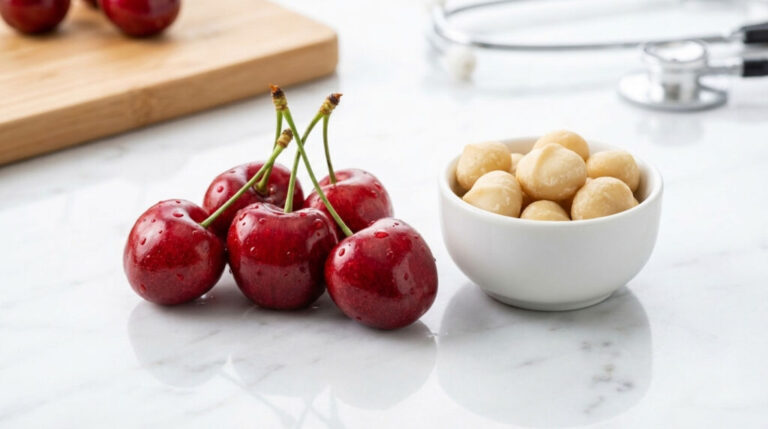
- Nuts and seeds (macadamias, pecans, walnuts)
- Nut butters without added sugar
These foods make hitting your fat macros feel like a treat instead of a chore.
Easy Ways to Sneak More Fat Into Every Meal
One of the biggest mistakes I see is people eating plain chicken breast and steamed broccoli. That's not keto. That's a sad salad. You need to make every bite count. Here are practical ways I've used to boost fat without making meals feel heavy:
- Cook eggs in butter instead of spraying them with nonstick
- Add a tablespoon of olive oil to your salads
- Stir heavy cream into your coffee or tea
- Top vegetables with shredded cheese and sour cream
- Use mayonnaise as a dip for veggies instead of hummus
- Make fat bombs with cream cheese, cocoa powder, and stevia
- Blend avocado into smoothies for a creamy texture
- Drizzle melted ghee over roasted vegetables
- Snack on a handful of macadamia nuts between meals
- Add sliced cheese to burgers and lettuce wraps
Small tweaks like these can add 10 to 20 grams of fat per meal without you even noticing.
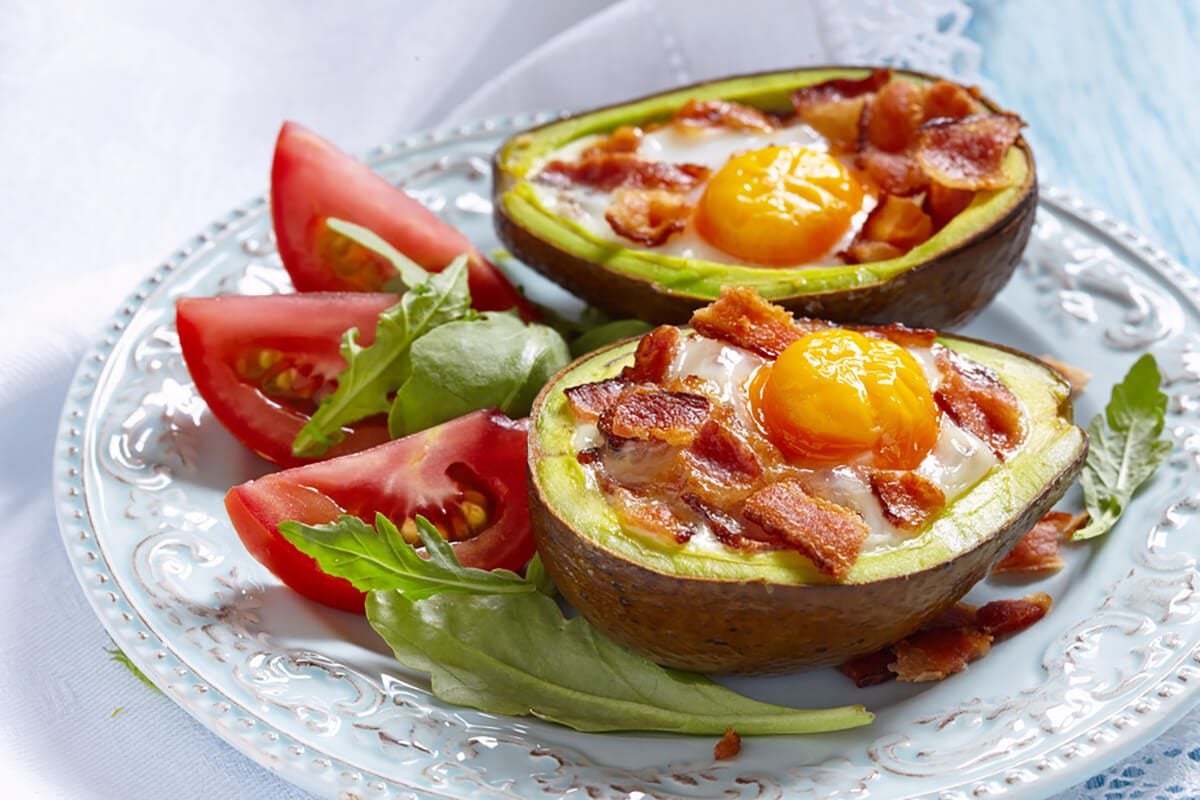
Fat Bombs and Keto Snacks That Actually Work
When you're busy or on the go, fat bombs are a lifesaver. I make a batch every Sunday and stash them in the fridge. They keep me full between meals and help me hit my fat macros without overthinking.
A few fat bomb recipes I swear by:
- Cream cheese fat bombs with vanilla and stevia
- Chocolate peanut butter cups using coconut oil and cocoa
- Lemon coconut bites with shredded coconut and MCT oil
- Savory cheese and bacon bombs with cream cheese and chives
Each of these can pack anywhere from 10 to 20 grams of fat per serving. They're like little fat grenades in the best way possible.
Common Mistakes That Keep People From Hitting Fat Goals
Even people who've been keto for months still mess this up. Here are the biggest fat-blocking mistakes I see over and over:
- Eating too much protein and not enough fat
- Choosing lean cuts of meat instead of fatty cuts
- Skipping snacks and going too long between meals
- Forgetting to add fat to vegetables
- Being afraid of saturated fat and sticking only to "low fat" options
- Not tracking macros carefully
The biggest one is the fear of fat. People are so conditioned to think fat is bad that they hesitate to eat enough of it. On keto, fat is your friend. Lean cuts of meat might seem healthy, but they'll leave you starving by 3 p.m.
How to Track Fat Without Losing Your Mind
Tracking macros doesn't have to be a prison sentence. I use a simple app and spend maybe five minutes a day logging food. Here are tips to make tracking easier:
- Log your food the night before so you know what to eat
- Stick to a few staple meals you can rotate
- Weigh your cheese and oils for accuracy
- Pre-portion nuts and seeds into small containers
- Use a kitchen scale instead of eyeballing portions
After a few weeks, you'll memorize your favorite meals and their macros. Tracking becomes second nature.
What Happens When You Finally Hit Your Fat Goals
The difference is night and day. Once I started consistently hitting 150+ grams of fat a day, my energy levels shot up. My workouts got stronger. I slept deeper. I didn't wake up starving at 2 a.m. anymore.
That feeling is what keeps people on keto long term. It's not the weight loss. It's the energy and clarity. And fat is the fuel that makes it all happen.
Adjusting Fat Based on Your Goals and Activity Level
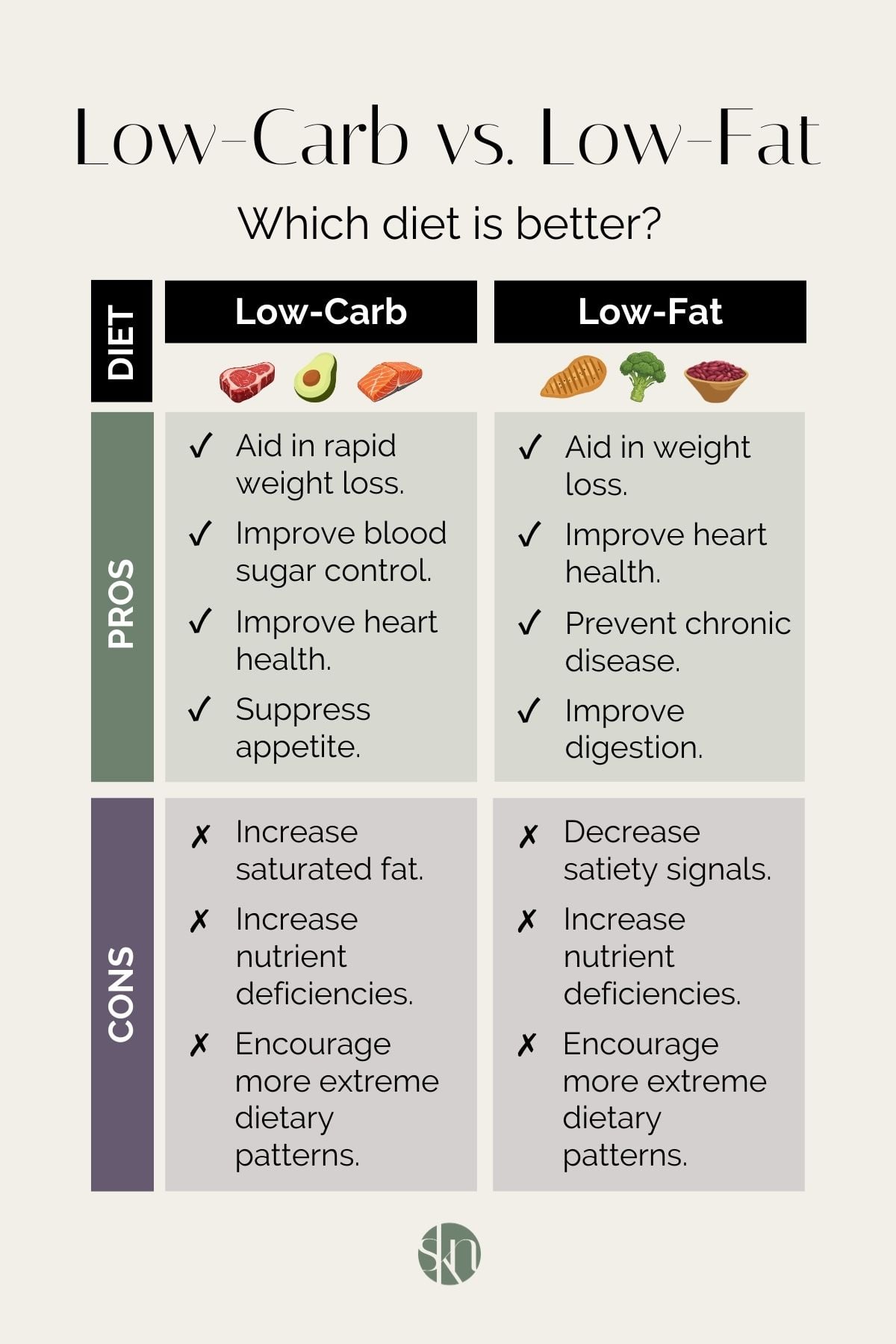
Your fat needs can shift depending on your goals and how active you are. Here's how I approach it:
- For weight loss: Aim for the lower end of fat while keeping protein high
- For maintenance: Eat fat to satiety without obsessing over every gram
- For athletic performance: Push fat higher and add MCT oil for quick energy
- For desk jobs: Stick to moderate fat and avoid overeating during low activity periods
If you just finished a long run or a heavy lifting session, your body can use extra fat for recovery. On rest days, you might not need as much. Listen to your hunger cues and energy levels.
The Role of Supplements and Oils
Sometimes food alone isn't enough. That's where supplements and oils come in. I keep a few staples in my pantry:
- MCT oil for fast energy and to boost ketones
- Coconut oil for cooking and baking
- Omega-3 fish oil for inflammation and brain health
- Avocado oil for high-heat cooking
These don't replace whole foods, but they help fill in the gaps on busy days. Just be careful with MCT oil if you're new to keto. Start small or you'll spend the day in the bathroom.
Frequently Asked Questions About Getting More Fat on Keto
How many grams of fat should I eat per day on keto?
Most people aim for 70 to 75 percent of their total daily calories from fat. For a 2,000 calorie diet, that's roughly 150 to 165 grams of fat. Adjust based on your goals, activity level, and how you feel.
What are the easiest high fat foods to add to my diet?
Avocados, butter, heavy cream, cheese, olive oil, and fatty cuts of meat are the easiest. They can be added to almost any meal without much prep work.
Can I eat too much fat on keto?
Yes. Eating way over your fat macros can stall weight loss and cause digestive issues. Fat is calorie-dense, so going overboard can lead to eating too many calories even on keto.
Do fat bombs actually help hit macros?
Absolutely. A single fat bomb can contain 10 to 20 grams of fat. They're a quick, convenient way to hit your numbers when you're short on time.
What if I'm not hungry but still need to hit my fat goal?
That's where calorie-dense fats come in. Add a tablespoon of olive oil to your meal, drink a small coffee with heavy cream, or have a quick fat bomb. You don't have to force a huge meal.
Conclusion
Getting more fat on keto isn't about choking down spoonfuls of butter. It's about making smart choices at every meal and knowing which foods pack the most fat per bite. Calculate your macros, stock your kitchen with the right ingredients, and use small habits like cooking with butter and adding cheese to your plate. Once you hit your fat goals consistently, you'll wonder why you ever struggled. Your energy, mood, and results will all level up. Start today by picking one meal and adding 10 extra grams of fat. Then build from there. Small changes turn into big transformations, especially on keto.