How To Increase Fiber In Dogs Diet: Best Guide
Most dogs benefit from fiber-rich foods like pumpkin, green beans, and sweet potatoes to support digestion and overall health. After working with hundreds of pet parents over the years, I've seen firsthand how the right fiber boost can transform a dog's gut health, stool quality, and even energy levels. In this guide, I'll walk you through everything you need to know about adding fiber to your dog's diet safely and effectively, so you can give your furry friend the digestive support they deserve.
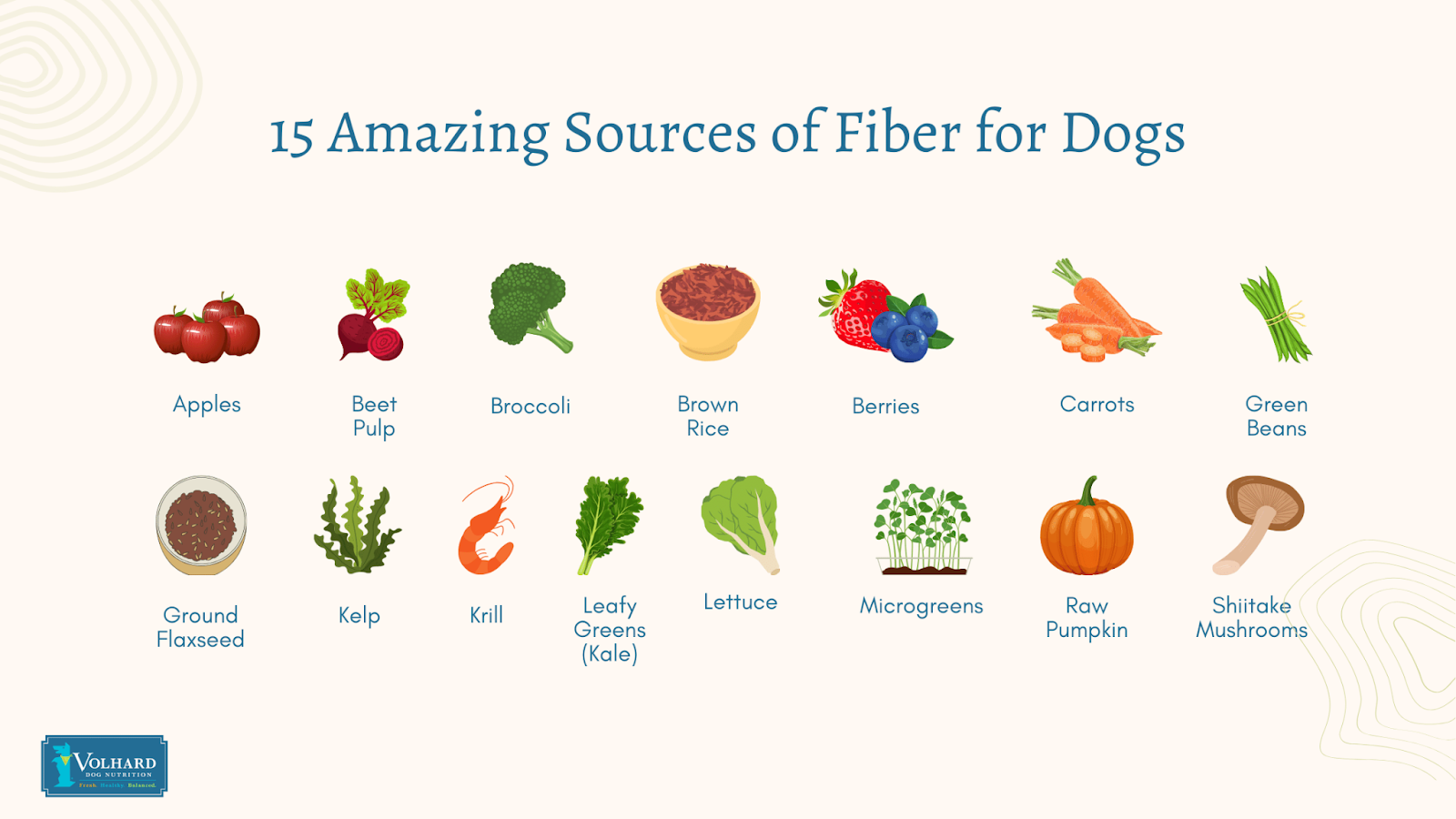
Why Fiber Matters in Your Dog's Diet
Fiber isn't just filler. It plays a real role in keeping your dog's digestive system running smoothly. Think of fiber as the broom that sweeps through the intestines, helping move things along and keeping everything clean and balanced.
There are two main types of fiber you should know about. Soluble fiber dissolves in water and forms a gel-like substance that slows digestion and helps regulate blood sugar. Insoluble fiber doesn't dissolve and adds bulk to stool, which helps food pass through the gut more quickly. Most dogs benefit from a healthy mix of both.
Here's what fiber does for your dog:
- Supports healthy digestion and regular bowel movements
- Helps maintain stable blood sugar levels
- Promotes a healthy gut microbiome by feeding good bacteria
- Aids in weight management by creating a feeling of fullness
- Reduces the risk of constipation and diarrhea
- Supports overall colon health
In my experience, dogs that eat a balanced amount of fiber tend to have firmer stools, fewer tummy upsets, and better appetite control. It's one of the simplest changes you can make to improve your dog's quality of life.
Signs Your Dog Might Need More Fiber
Not sure if your dog needs more fiber? Here are some common signs I've learned to watch for over the years. If your pup is showing any of these, a fiber boost might be just what they need.
- Loose stools or frequent diarrhea
- Hard, dry stools that are hard to pass
- Constant hunger even after meals
- Weight gain despite normal eating habits
- Gas or bloating after meals
- Scooting or licking the rear area
- Lack of interest in regular activity
A dog I worked with last year had chronic loose stools for months. After we gradually added pumpkin and green beans to her meals, her digestion completely turned around within three weeks. Sometimes the smallest changes make the biggest difference.

Best High-Fiber Foods to Add to Your Dog's Diet
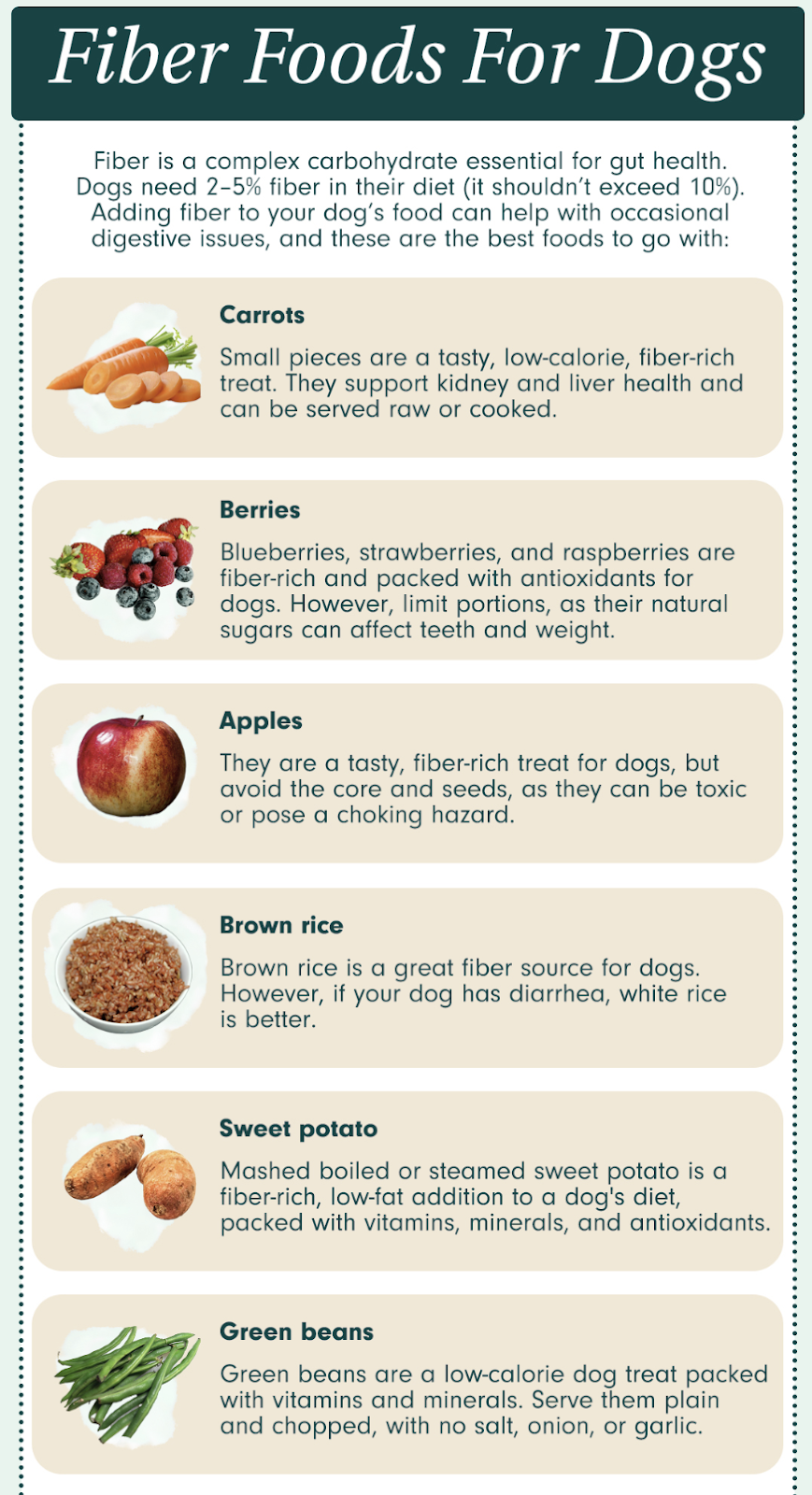
Now let's talk about the good stuff. The actual foods you can use to increase fiber in your dog's diet. The best part is, most of these are affordable, easy to find, and dogs usually love them.
Pumpkin
Plain canned pumpkin is one of my all-time favorite fiber sources for dogs. It's packed with soluble fiber and is gentle on sensitive stomachs. Just make sure you use 100% pure pumpkin, not the spiced pie filling.
A good starting amount is one to four tablespoons per meal, depending on your dog's size. For small dogs, start with a teaspoon. For large breeds, you can go up to a quarter cup.
Green Beans
Green beans are low in calories and high in fiber, making them perfect for dogs who need to lose a little weight. You can serve them fresh, frozen, or canned as long as there's no added salt.
Simply steam them lightly or serve them raw after chopping. Most dogs love the crunchy texture.
Sweet Potatoes
Cooked and mashed sweet potatoes are another fantastic fiber source. They're rich in both soluble and insoluble fiber, plus they contain vitamins that support immune health.
Bake or boil them, then mash before adding to your dog's food. Start with a small amount and work up.
Apples
Apples are a crunchy treat that most dogs enjoy. Just remove the core and seeds first, as those can be harmful. The skin contains the most fiber, so leave it on.
Slice them into small pieces and use them as a healthy snack or meal topper.
Carrots
Raw or cooked carrots are great for dental health and digestion. They add crunch and fiber without many calories.
Shred them or cut them into small sticks for an easy snack.
Brown Rice
Cooked brown rice is a gentle, easily digestible fiber source that's especially useful for dogs with sensitive stomachs.
Mix a small amount into your dog's regular meal.
Flaxseed
Ground flaxseed is a fiber powerhouse that also provides omega-3 fatty acids. Just sprinkle a small amount on top of your dog's food.
Always use ground flaxseed, not whole, since whole seeds can pass through undigested.
Other Good Options
- Oat bran
- Beet pulp
- Berries like blueberries and raspberries
- Cucumbers
- Zucchini
- Wheat germ
- Psyllium husk (in small amounts)

How Much Fiber Does Your Dog Actually Need?
Getting the amount right is just as important as choosing the right foods. Too little fiber and you won't see results. Too much, and you might cause gas, bloating, or loose stools.
Here's a general guideline based on dog size:
- Small dogs (under 20 pounds): 1 to 2 teaspoons of fiber per meal
- Medium dogs (20 to 50 pounds): 1 to 2 tablespoons per meal
- Large dogs (over 50 pounds): 2 to 4 tablespoons per meal
If you're using commercial high-fiber dog food, follow the feeding guidelines on the package. If you're adding fiber sources to a regular diet, start small and increase gradually.
A good rule of thumb is that fiber should make up about 2 to 4 percent of your dog's total diet on a dry matter basis. Most commercial dog foods contain around 3 to 5 percent fiber, which is usually sufficient for healthy dogs.
How to Add Fiber Safely to Your Dog's Diet
Adding fiber to your dog's diet isn't complicated, but doing it the right way matters. Here's the step-by-step approach I always recommend to dog owners.
- Start with small amounts to avoid shocking your dog's digestive system
- Choose one fiber source at a time so you can spot any reactions
- Mix the fiber thoroughly into your dog's regular food
- Gradually increase the amount over 7 to 10 days
- Monitor your dog's stool quality and adjust as needed
- Always provide plenty of fresh water, since fiber absorbs moisture
- Avoid adding too many fiber sources at once
The biggest mistake I see dog owners make is adding too much fiber too fast. When you suddenly increase fiber intake, it can cause gas, bloating, and even constipation if your dog isn't drinking enough water. Slow and steady wins this race.
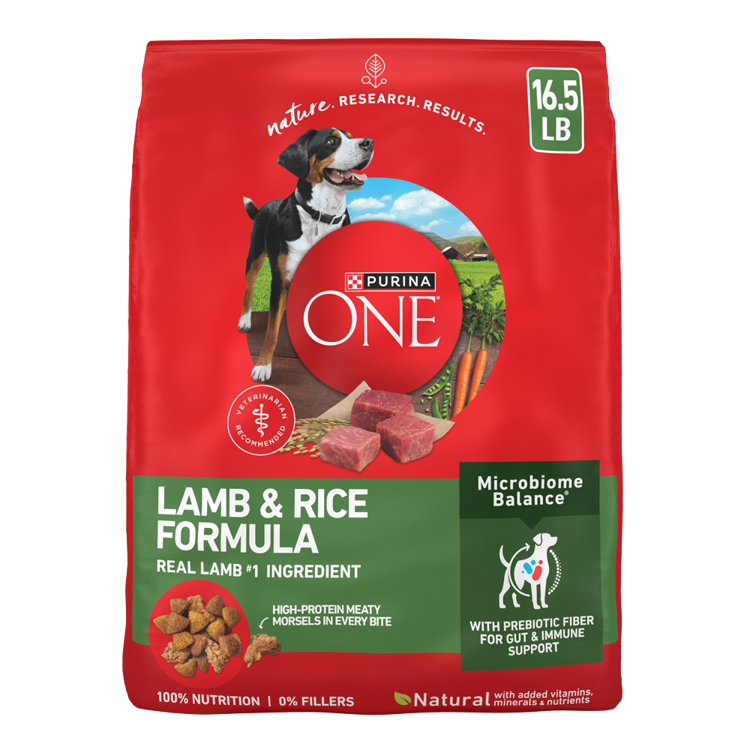
Choosing the Right High-Fiber Commercial Dog Food
If you prefer the convenience of commercial dog food, you're in luck. Many brands now offer high-fiber formulas designed to support digestion.
Here's what to look for on the label:
- Fiber content between 5 and 10 percent on a dry matter basis
- Whole food ingredients like brown rice, oats, or sweet potatoes
- Limited fillers and artificial additives
- Named protein sources as the first ingredient
- Probiotics for added gut support
Some dogs do best on grain-free diets, while others thrive on whole grains. Watch how your dog responds and adjust accordingly.
If you're switching to a new food, mix it with the old food over 7 to 10 days. This prevents stomach upset and gives your dog time to adjust.
Common Mistakes to Avoid When Adding Fiber
Over the years, I've watched well-meaning dog owners make the same mistakes again and again. Save yourself the trouble and learn from their experiences.
- Adding too much fiber too quickly
- Not providing enough fresh water
- Using fiber supplements meant for humans without veterinary guidance
- Ignoring signs of digestive distress
- Choosing fiber sources high in sugar or fat
- Forgetting to adjust portion sizes when adding fiber calories
One dog owner I worked with gave her pup a full cup of pumpkin on the first day. The poor dog had the worst diarrhea. When she called me in a panic, I reminded her that even healthy additions need to start small. After a week of gradual introduction, that same dog was thriving.

Fiber Supplements for Dogs
Sometimes whole foods aren't enough, especially if your dog has specific digestive issues. In those cases, fiber supplements can help.
Popular options include:
- Psyllium husk powder
- Ground flaxseed
- Beet pulp supplements
- Plain canned pumpkin (technically a whole food but used like a supplement)
Always talk to your vet before starting any supplement. Some fiber supplements can interfere with medication absorption, so timing matters.
When to Talk to Your Veterinarian
While most dogs can safely enjoy a fiber boost, there are times when you should definitely involve your vet.
- If your dog has ongoing digestive issues
- If your dog has diabetes or blood sugar concerns
- If your dog is on medication that fiber might interfere with
- If your dog has kidney disease or other chronic conditions
- If you're unsure about portion sizes for your specific dog
Your vet can run tests to rule out underlying conditions and recommend the best fiber plan for your individual dog.
Special Considerations for Puppies
Puppies have different nutritional needs than adult dogs. Their digestive systems are still developing, so you need to be extra careful with additions.
For puppies:
- Stick to puppy-specific food as the main diet
- Add fiber sources sparingly
- Choose gentle options like pumpkin or sweet potato
- Avoid high-fiber adult foods until your puppy is fully grown
- Monitor growth and development closely
If your puppy has digestive issues, always check with your vet before adding fiber. What works for an adult dog might not be appropriate for a growing pup.
Fiber for Senior Dogs
Older dogs often benefit greatly from added fiber. As dogs age, their digestion tends to slow down, and they may struggle with constipation or weight gain.
Senior dogs often need:
- More soluble fiber for easier nutrient absorption
- Lower calorie options like green beans and carrots
- Fiber sources that support joint health, like sweet potatoes
- Softer textures if they have dental issues
I had a senior Beagle named Max who started having constipation issues at age 11. Adding a small amount of pumpkin to his meals twice a day made a huge difference in his comfort and quality of life.
Frequently Asked Questions
How quickly does fiber work in dogs?
Most dogs show improvements in stool quality within 24 to 72 hours after adding fiber. However, full benefits to gut health may take a few weeks. Start with small amounts and give your dog's system time to adjust.
Can too much fiber hurt my dog?
Yes, too much fiber can cause gas, bloating, diarrhea, or constipation. Always increase fiber gradually and provide plenty of water. If you notice digestive upset, reduce the amount and consult your vet.
Is canned pumpkin safe for dogs every day?
Plain canned pumpkin is safe for daily use in moderation. Most dogs do well with one to four tablespoons per day, depending on size. Make sure it's 100% pure pumpkin with no added sugar or spices.
Do dogs need fiber in their diet?
While dogs don't absolutely require fiber like they do protein, fiber supports digestion, gut health, weight management, and blood sugar regulation. Most dogs benefit from moderate fiber intake as part of a balanced diet.
Can I give my dog fiber supplements made for humans?
Some human fiber supplements are safe for dogs in small amounts, but you should always check with your vet first. Dosages and ingredients vary, and some supplements may contain additives that aren't safe for dogs.
What vegetables have the most fiber for dogs?
Green beans, sweet potatoes, carrots, and zucchini are among the highest-fiber vegetables safe for dogs. Pumpkin is also exceptionally high in fiber and very gentle on the stomach.
Wrapping It Up
Adding fiber to your dog's diet is one of the simplest and most effective ways to support their overall health. From pumpkin and green beans to sweet potatoes and flaxseed, there are plenty of natural, dog-friendly options to choose from. The key is starting slow, choosing quality sources, and paying attention to how your dog responds.
Remember that every dog is different. What works perfectly for one pup might need adjusting for another. Stay patient, stay consistent, and don't hesitate to reach out to your vet if you have any concerns.
Your dog depends on you to make the best nutritional choices for them. By taking the time to understand fiber and how to use it properly, you're already showing what a loving, responsible pet parent you are. Now go grab some pumpkin and watch your furry friend's tail wag a little brighter.