How Long Do Diet Headaches Last: Fast Relief Guide 2026
Diet headaches usually last anywhere from a few hours up to seven days, but most people feel better within 24 to 72 hours once the body adjusts or the trigger is removed. The exact duration depends on what caused the headache in the first place, how your body responds to dietary changes, and whether you take steps to support your body during the transition.
If you've ever started a new diet, cut out sugar, fasted for long hours, or simply drank less water than usual, you may have felt that familiar throbbing pain behind your eyes. Diet headaches are surprisingly common, yet most people don't realize how long they can stick around or why they happen in the first place. Understanding the timeline of a diet headache can help you manage it better, know when to push through, and recognize when it's time to take action.
What Exactly Is a Diet Headache
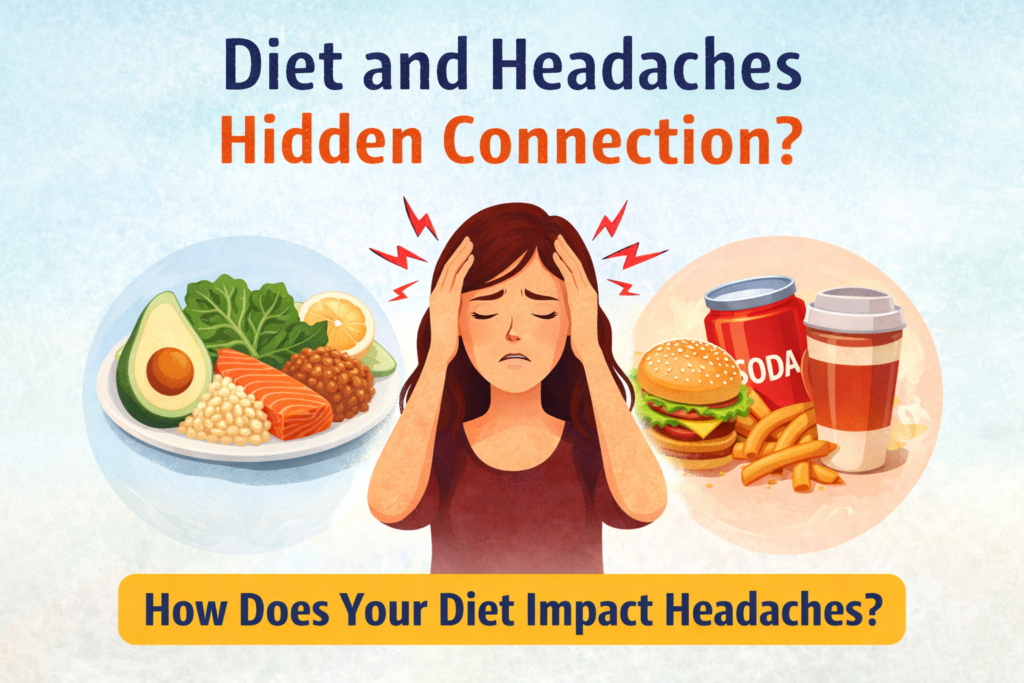
A diet headache is a type of headache that's directly triggered by changes in your eating habits. It doesn't matter if you're cutting calories, skipping meals, eliminating certain food groups, or starting a brand new eating plan. Your body can react to these changes in ways that lead to head pain.
Think of your brain as a sensitive computer. It likes consistency. When you suddenly change the fuel it's been running on, it doesn't always cooperate right away. It needs time to adapt, and during that adjustment window, headaches can pop up as one of the first signs that something has shifted.
Diet headaches are often linked to changes in blood sugar levels, dehydration, caffeine withdrawal, or the sudden absence of certain nutrients your body has grown used to. They're not a sign that the diet is bad. They're usually just a sign that your body is adjusting.
Common Causes of Diet Headaches
Before we dive deeper into how long these headaches last, it helps to understand what's causing them. The cause plays a big role in how quickly the headache goes away.
Low Blood Sugar
When you eat less than usual or skip meals, your blood sugar drops. Your brain relies on glucose to function, and when levels dip too low, it triggers a headache. This is one of the most common reasons people get headaches when they change their diet.
Dehydration
Many people forget to drink enough water when they start a new eating plan. Some diets reduce your water intake indirectly, especially if you're cutting back on sodium or eating less food overall. Even mild dehydration can lead to head pain that lingers for hours.
Caffeine Withdrawal
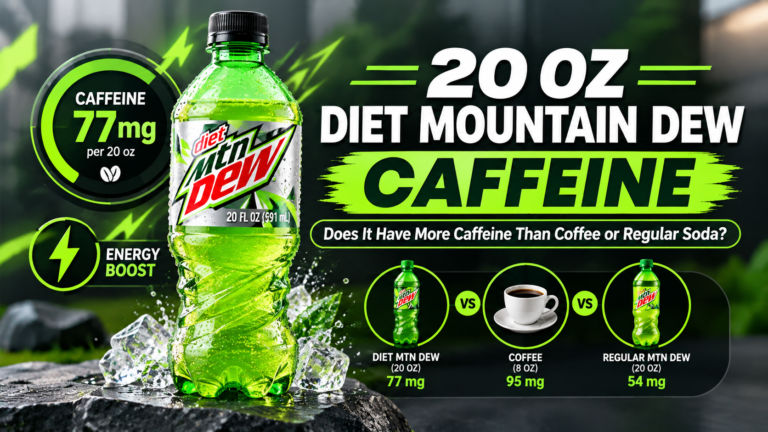
If your new diet involves cutting out coffee, tea, or energy drinks, your body may go through caffeine withdrawal. This is one of the longest-lasting causes of diet headaches and can take a week or more to fully resolve.
Nutrient Deficiencies
Sudden changes in your diet can lead to short-term drops in important nutrients like magnesium, sodium, or B vitamins. These nutrients play a role in nerve function and blood flow. When levels shift quickly, your head can feel the impact.
Histamine Reactions
Some diets involve eliminating processed foods and adding more fermented or aged foods. Others cut out foods that are high in histamine. These sudden shifts can trigger headaches in sensitive individuals.
How Long Do Diet Headaches Typically Last
The short answer is that most diet headaches last between a few hours and three days. But the full picture is a bit more nuanced, and the duration depends on several factors.
Mild Diet Headaches
If your headache is caused by something simple like skipping one meal or mild dehydration, it usually goes away within a few hours. Drinking water, eating a balanced snack, or resting in a quiet space can speed up recovery.
Moderate Diet Headaches
When you're going through a bigger dietary shift like starting a low-carb diet, cutting out sugar, or intermittent fasting, your headache may last one to three days. This is the most common range for people making significant changes to their eating habits.
Severe or Long-Lasting Diet Headaches
If you're dealing with caffeine withdrawal or a major nutrient shift, the headache can last anywhere from three to seven days. In rare cases, it can stretch even longer, especially if the underlying issue isn't addressed.
The key thing to remember is that diet headaches are temporary. Your body is incredibly adaptive. Once it adjusts to the new way of eating, the headaches typically fade away on their own.
Why Some People Experience Longer Diet Headaches
Not everyone bounces back at the same speed. Some people are more prone to extended headaches during dietary changes, and there are reasons for that.
Individual Sensitivity
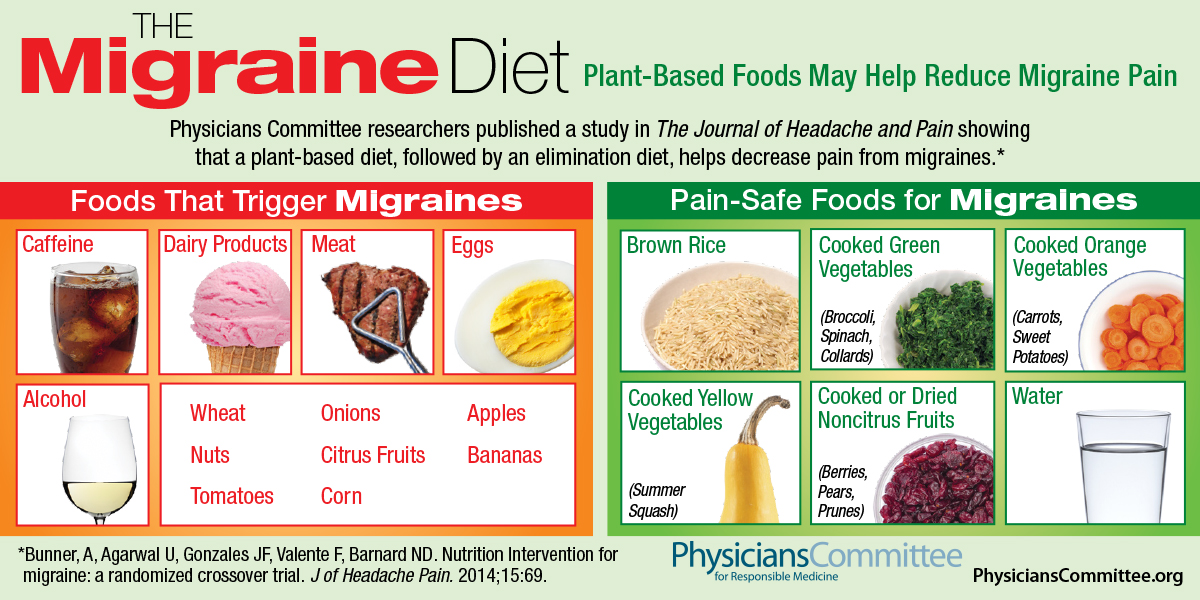
Some people are simply more sensitive to changes in blood sugar, hydration, or caffeine. If you have a history of migraines or frequent headaches, you may be more likely to experience longer-lasting diet headaches.
How Quickly You Made the Change
Going cold turkey on sugar, carbs, or caffeine is more likely to cause a longer headache than gradually reducing your intake. The faster the change, the more shocking it is to your system.
Underlying Health Conditions
Conditions like diabetes, thyroid disorders, or chronic migraines can make it harder for your body to adjust. If you have any of these, the timeline for diet headaches may be longer.
Quality of Your Diet
A poorly planned diet can make headaches worse and longer-lasting. If you're not replacing lost nutrients with good alternatives, your body will struggle to find balance.
Tips to Shorten the Duration of Diet Headaches
While you can't always avoid a diet headache entirely, you can definitely take steps to make it shorter and less intense. Here are some practical strategies that actually work.
Stay Hydrated
Drink water consistently throughout the day. Aim for at least eight glasses, and more if you're active or live in a hot climate. Adding a pinch of salt or an electrolyte packet can help if you're cutting carbs, since your body loses more water and minerals in the early stages.
Don't Skip Meals
Even if your diet involves fasting or smaller portions, make sure you're eating enough to keep your blood sugar stable. Long gaps between meals are a fast track to headaches.
Reduce Caffeine Slowly
If you're cutting out caffeine, taper down gradually over a week or two. Drop your intake by about 25 percent every few days instead of stopping all at once. This gives your brain time to adjust and significantly reduces withdrawal headaches.
Add Magnesium-Rich Foods
Magnesium is a natural headache fighter. Foods like spinach, almonds, avocados, and bananas can help keep levels steady and reduce the intensity of headaches.
Get Enough Sleep
Sleep and headaches are closely connected. Poor sleep makes headaches worse and longer-lasting. Aim for seven to nine hours of quality sleep, especially during the first week of any diet change.
Be Patient With Your Body
I remember when I first tried cutting out processed sugar. The first three days were rough. I had this dull, persistent headache that just wouldn't quit. But by day four, I woke up feeling clear-headed and more energized than I had in months. That experience taught me that diet headaches are temporary, and pushing through them with the right support makes all the difference.
When to See a Doctor About Diet Headaches
Most diet headaches are harmless and go away on their own. But there are times when you should pay closer attention and consider seeking medical advice.
If your headache lasts more than seven days without any improvement, it could be a sign of something more serious. Same goes if the headache is severe, comes with vision changes, confusion, or doesn't respond to any home remedies. These could point to underlying issues that need professional attention.
Trust your instincts. You know your body better than anyone. If something feels off, it's always a good idea to get it checked out.
How to Prevent Diet Headaches Before They Start
Prevention is always better than cure. If you're planning a major diet change, here are a few ways to stay ahead of the headache.
Plan Your Transition
Don't change everything at once. Start by adjusting one or two things at a time, like gradually reducing sugar or slowly increasing your water intake. This gives your body time to adapt.
Track Your Symptoms
Keep a simple journal of what you eat, how much water you drink, and when headaches happen. Over time, you'll start to see patterns that help you avoid triggers.
Fuel Your Body Properly
Make sure your new diet includes enough calories, healthy fats, protein, and complex carbs. Starving yourself or following an overly restrictive plan is a recipe for headaches and burnout.
Listen to Your Body
If something doesn't feel right, slow down. There's no shame in adjusting your plan to fit your body's needs. Sustainable change always wins over fast results.
The Difference Between Diet Headaches and Migraines
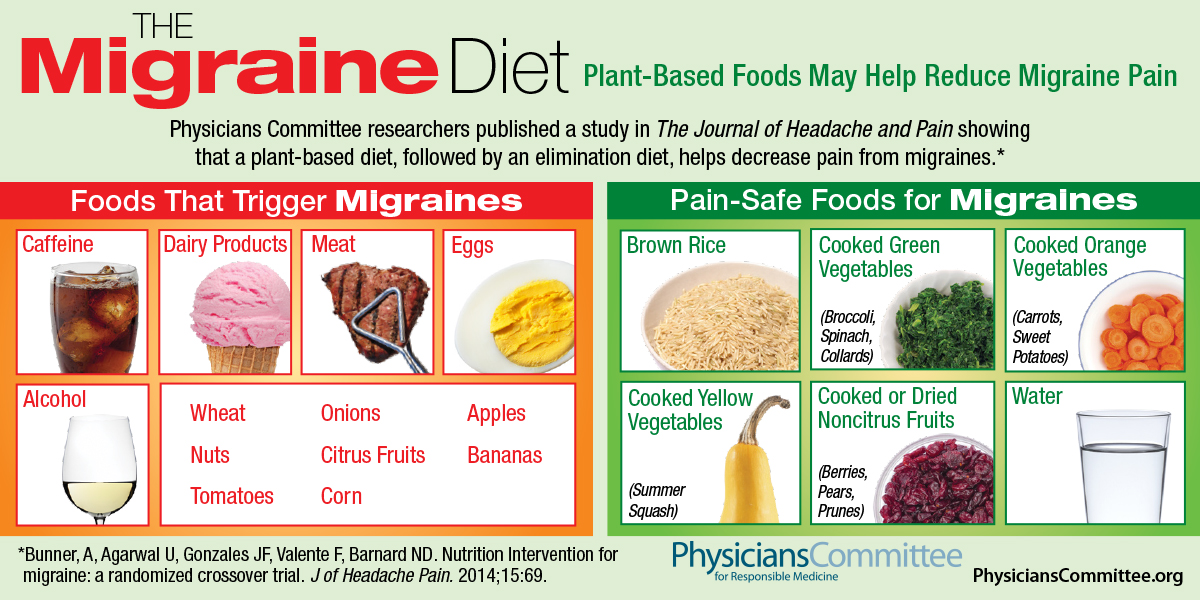
It's easy to confuse a diet headache with a migraine, but they're not the same thing. A diet headache is usually mild to moderate, affects both sides of the head, and goes away once the trigger is removed. A migraine, on the other hand, tends to be more intense, often affects one side of the head, and may come with nausea, light sensitivity, or visual disturbances.
If you're unsure which one you're dealing with, pay attention to the pattern. Diet headaches are tied directly to what you eat or don't eat. Migraines can be triggered by many things, including stress, hormones, and environmental factors.
Understanding this difference can help you respond better and know when to seek help.
Real-Life Experiences With Diet Headaches
I've worked with many people over the years who struggled with headaches when starting new diets. One common story is the keto headache. People who switch to a low-carb, high-fat diet often experience what's known as the "keto flu," which includes headaches, fatigue, and brain fog. Most of them reported that the headache peaked around day two and gradually faded by day five.
Another common experience is the headache that comes with intermittent fasting. People new to fasting often feel head pain during the adjustment phase. Staying hydrated and eating nutrient-dense meals during eating windows helped most of them get through it faster.
The lesson here is simple. Diet headaches are a normal part of the process. They don't mean you're doing something wrong. They just mean your body is catching up with the changes you've made.
Final Thoughts on Diet Headache Duration
Diet headaches are temporary, but they can feel frustrating while they last. The good news is that they usually go away within a few days, and there are plenty of things you can do to speed up the process. The most important thing is to listen to your body, stay hydrated, and make changes gradually instead of all at once.
If you're starting a new diet and worried about headaches, don't let that fear stop you. The discomfort is short-term, and the long-term benefits of eating better are worth it. Just be smart about how you make the transition, and your body will thank you.

Frequently Asked Questions
How long do diet headaches last on average
Most diet headaches last between a few hours and three days. If the headache is tied to caffeine withdrawal or a major dietary shift, it can last up to a week.
Can diet headaches last more than a week
Yes, but it's rare. If a diet headache lasts more than seven days without improvement, it's a good idea to see a doctor to rule out other causes.
What helps relieve diet headaches quickly
Drinking water, eating a balanced snack, reducing caffeine slowly, and getting enough sleep are the fastest ways to relieve a diet headache.
Are diet headaches a sign that the diet is working
Not necessarily. Diet headaches are usually a sign that your body is adjusting, not that the diet is effective. They're more about transition than results.
How can I prevent headaches when starting a new diet
Make changes gradually, stay hydrated, don't skip meals, and make sure you're getting enough nutrients. These simple steps can prevent most diet-related headaches.
Conclusion
Diet headaches are a common but temporary side effect of changing the way you eat. While they can be uncomfortable, they usually don't last more than a few days, and there are plenty of simple ways to ease the discomfort. By staying hydrated, eating balanced meals, and making changes slowly, you can minimize the impact and enjoy the long-term benefits of your new diet without unnecessary pain.
If you're about to start a new eating plan, take a moment to prepare your body for the shift. Small steps today can save you from headaches tomorrow. And if you found this guide helpful, feel free to share it with someone who might be going through the same thing or leave a comment with your own experience.