How To Make A Raw Food Diet For Dogs: 2026 Best Guide
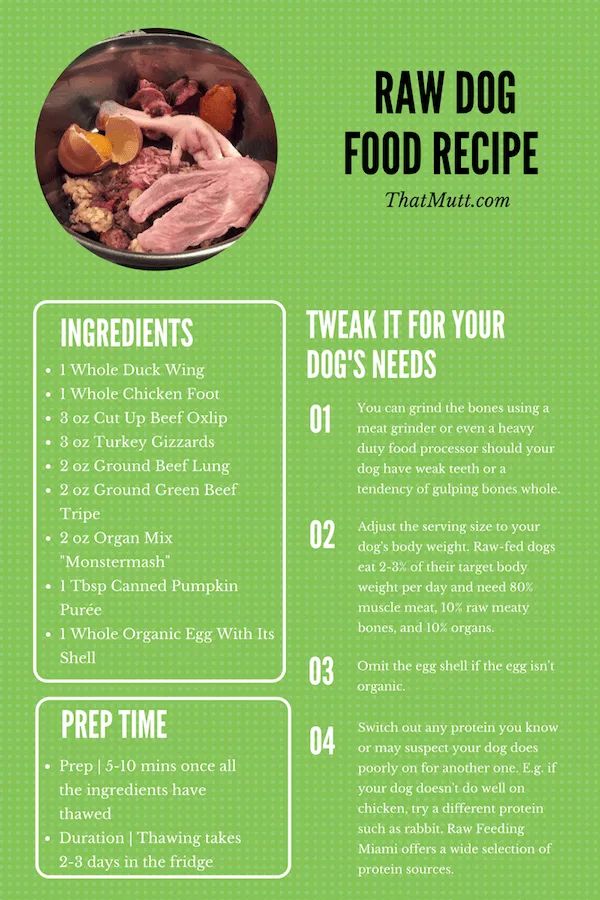
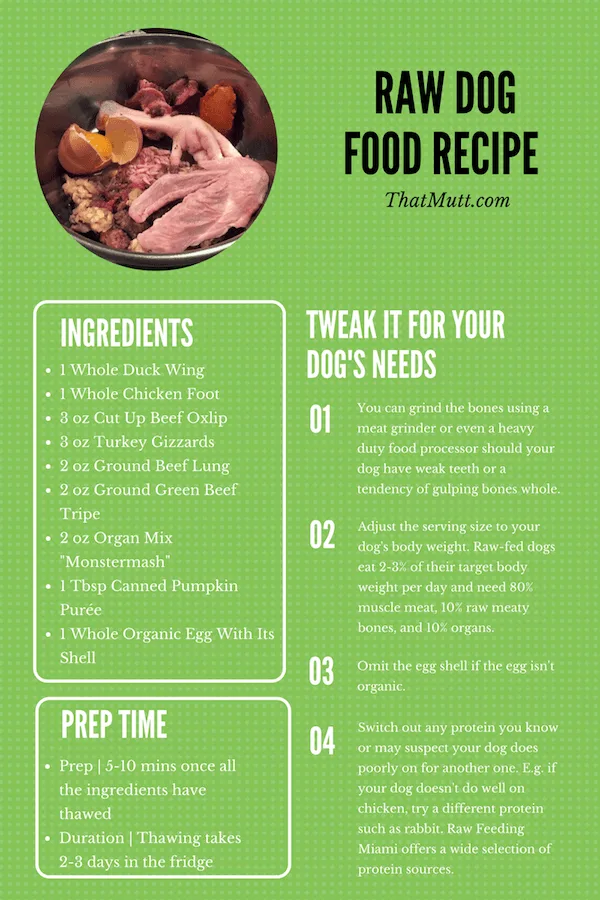
A balanced raw food diet for dogs combines 70% muscle meat, 10% raw edible bone, 5% liver, 5% other organ meats, 7% vegetables, 3% fruit or seeds, plus essential supplements like fish oil and vitamin E.
Switching your dog to a raw food diet can feel like stepping into uncharted territory, especially with so much conflicting advice online. After years of researching canine nutrition, working with veterinary nutritionists, and feeding raw to multiple dogs, I can tell you this: a properly balanced raw food diet is one of the most powerful ways to support your dog's long-term health. It mimics the ancestral diet of wild canines and delivers nutrients in their most bioavailable form. The key is getting the ratios right, sourcing quality ingredients, and understanding the science behind species-appropriate nutrition. Let me walk you through everything I have learned so you can confidently prepare fresh, nourishing meals your dog will thrive on.
What Is a Raw Food Diet for Dogs?
A raw food diet, often called a BARF diet (Biologically Appropriate Raw Food) or a "prey model" diet, is a feeding approach based on raw, unprocessed animal ingredients. The idea is simple: dogs evolved as carnivores, and their digestive systems are designed to process raw meat, bones, and organs. The diet typically includes raw muscle meat, raw edible bones, organ meats, and small amounts of vegetables and fruits.
This style of feeding avoids the high-heat processing of commercial kibble, which can degrade nutrients and reduce digestibility. Proponents believe raw diets lead to shinier coats, cleaner teeth, better digestion, higher energy levels, and stronger immune function. While scientific studies on raw diets are still evolving, many holistic veterinarians and experienced raw feeders have observed significant improvements in their dogs' overall wellness after making the switch.
It is important to understand that a raw diet is not just throwing a piece of steak in a bowl. It requires careful planning to ensure your dog gets all the essential amino acids, fatty acids, vitamins, and minerals they need to thrive. That is exactly what we will cover in the sections ahead.
Benefits of a Raw Food Diet for Dogs
Feeding raw is not just a trend. It is a return to a more natural way of nourishing our canine companions. Here are some of the most well-documented benefits dog owners report after transitioning to a properly balanced raw food diet.
Improved Coat and Skin Health
One of the first changes most dog owners notice is a dramatic improvement in coat quality. Raw diets are rich in natural omega-3 and omega-6 fatty acids from meat, fish, and certain oils. These fatty acids nourish the skin from within, reducing itchiness, dryness, and flakiness. Within a few weeks of switching to raw, many dogs develop a noticeably glossier, softer coat that feels healthier to the touch. For dogs with chronic skin allergies, raw feeding can sometimes be a game-changer, especially when combined with allergy testing and proper veterinary guidance.
Better Dental Health
Raw edible bones act as nature's toothbrush. As your dog chews on raw bones, the crunchy texture scrapes away plaque and tartar buildup, naturally cleaning the teeth and massaging the gums. This mechanical cleaning action can dramatically reduce bad breath and lower the risk of periodontal disease, which is one of the most common health issues in adult dogs. Of course, you should always supervise bone chewing and choose appropriately sized bones for your dog's breed and chewing style.
Enhanced Digestion and Stool Quality
Raw food is highly digestible, meaning your dog absorbs more nutrients and produces smaller, firmer, less odorous stools. This is a sign that the digestive system is working efficiently. Many raw-fed dogs also experience fewer episodes of diarrhea, gas, and bloating. The natural moisture content in raw food also helps keep dogs well-hydrated, which supports kidney and urinary tract health.
Higher Energy and Stronger Immunity
Dogs fed a balanced raw diet often display higher energy levels, better muscle tone, and improved weight management. Raw food is nutrient-dense and free from artificial additives, fillers, and preservatives that can burden the immune system. Over time, many raw-fed dogs show fewer signs of chronic inflammation, which is at the root of many common canine health issues like arthritis, allergies, and digestive disorders.
Essential Ingredients in a Raw Dog Food Diet
Creating a balanced raw diet for dogs is similar to building a nutritional puzzle. Each ingredient plays a specific role, and the proportions matter. Let me break down the core components you will need to include.
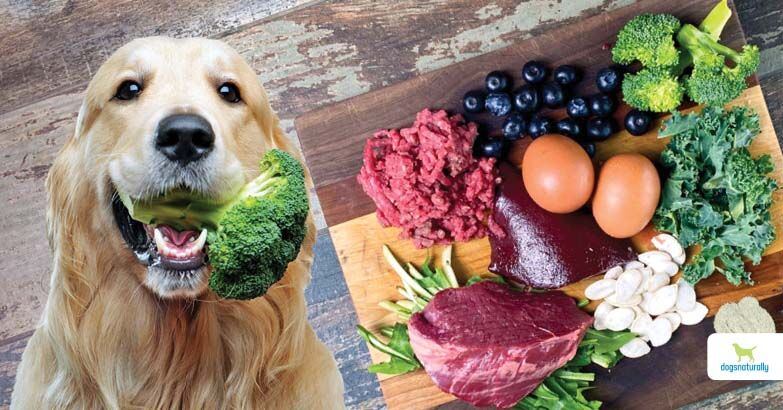
Muscle Meat (70%)
The foundation of any raw diet is muscle meat, which provides high-quality protein, essential amino acids, and vital nutrients. Good sources include chicken thighs, beef chuck, turkey, lamb, venison, pork shoulder, and rabbit. Variety is important because different proteins offer different micronutrient profiles. Rotating proteins also reduces the risk of food sensitivities and keeps mealtime exciting for your dog. Aim for a mix of both poultry and red meat throughout the week.
Raw Edible Bone (10%)
Raw bones are an essential source of calcium, phosphorus, and other minerals. They are also crucial for dental health. Always feed raw, never cooked, because cooked bones can splinter and cause serious internal injuries. Good options include chicken necks, chicken backs, turkey necks, duck frames, and rabbit ribs. For larger dogs, beef or bison bones can be appropriate, but always choose bones that match your dog's size and chewing ability. A general rule is that the bone should be larger than your dog's mouth to prevent choking.
Organ Meats (10%)
Organ meats are nutritional powerhouses, packed with vitamins and minerals that muscle meat alone cannot provide. The ideal breakdown is 5% liver and 5% other secreting organs like kidney, spleen, brain, pancreas, or testicles. Liver is especially rich in vitamin A, vitamin D, iron, and B vitamins. Many dogs absolutely love the taste of organ meats, which makes them a great way to entice picky eaters.
Vegetables and Fruits (7-10%)
While dogs are primarily carnivorous, small amounts of vegetables and fruits can provide valuable fiber, antioxidants, vitamins, and phytonutrients. Safe options include spinach, kale, broccoli, carrots, zucchini, pumpkin, blueberries, apples (without seeds), and cranberries. These should be finely chopped or pureed to improve digestibility since dogs lack the enzymes to break down plant cell walls effectively. A quick pulse in a food processor works well.
Supplements and Additions (3-5%)
Even with a varied raw diet, certain supplements are recommended to ensure complete and balanced nutrition. Common additions include:
- Fish oil or krill oil for omega-3 fatty acids
- Vitamin E as a natural antioxidant
- Kelp or other seaweeds for iodine and trace minerals
- Ground eggshells as an additional calcium source
- Probiotics to support gut health
- Taurine, especially for certain breeds prone to deficiencies
You can also include small amounts of whole eggs, sardines, plain yogurt, or cottage cheese for added variety and nutrition.

How to Prepare a Raw Food Diet for Dogs: Step-by-Step
Now that you understand the ingredients, let me walk you through the actual preparation process. I have been doing this for years, and these are the steps that consistently work well.
Step 1: Calculate Your Dog's Daily Food Requirements
The general guideline is to feed 2% to 3% of your dog's ideal adult body weight per day. For example, a 50-pound dog would need roughly 1 to 1.5 pounds of food daily. Active, working, or underweight dogs may need closer to 3%, while less active or overweight dogs may do better at 2%. Puppies and pregnant or nursing dogs often require more, sometimes up to 5% to 10% of their body weight.
Step 2: Source High-Quality Ingredients
Whenever possible, choose human-grade, pasture-raised, or grass-fed meats. Local farms, butcher shops, and reputable raw pet food suppliers are excellent sources. Avoid factory-farmed meat when you can, because the quality of the fat and nutrient density is much higher in animals raised on natural diets. For bones and organs, you can often get great deals by building a relationship with your local butcher.
Step 3: Portion and Weigh the Ingredients
Use a kitchen scale to weigh out the correct percentages of each ingredient. This step is crucial because nutritional balance depends on accurate measurements. Many experienced raw feeders create weekly batches by weighing all the ingredients at once and then portioning them into daily servings.
Step 4: Mix Everything Together
Combine the muscle meat, bones, organs, and vegetables in a large bowl and mix thoroughly. Some people prefer to grind everything together, while others feed whole pieces. Both approaches work, and the choice often depends on your dog's size, age, and chewing ability. Smaller dogs, senior dogs, and puppies usually do better with ground or finely chopped meals.
Step 5: Portion and Store
Divide the mixture into daily servings and store them in airtight containers or silicone molds. Most raw food can be safely refrigerated for 3 to 5 days. For longer storage, freeze individual portions and thaw them in the refrigerator overnight as needed. Always label and date your containers to keep track of freshness.
Step 6: Serve at the Right Temperature
Many dogs prefer their raw food slightly above fridge temperature, as it enhances the aroma and palatability. Simply take a portion out of the fridge 15 to 30 minutes before mealtime. Always use a clean stainless steel or ceramic bowl, and discard any uneaten food after 15 to 20 minutes to prevent bacterial growth.

Common Mistakes to Avoid When Feeding Raw
Over the years, I have seen many well-meaning dog owners make similar mistakes when starting a raw diet. Here are the most common pitfalls and how to avoid them.
Not Balancing the Diet Properly
The single biggest mistake is feeding only muscle meat without including bones, organs, and other essential components. A diet that is too high in muscle meat can lead to calcium-to-phosphorus imbalances and long-term nutritional deficiencies. Always follow the recommended ratios and aim for variety across proteins and ingredients.
Feeding Cooked Bones
Never feed cooked bones of any kind. Cooking makes bones brittle and prone to splintering, which can cause serious damage to your dog's mouth, throat, and digestive tract. Always stick to raw, fresh bones.
Skipping the Transition Period
Switching from kibble to raw overnight can cause digestive upset. A gradual transition over 7 to 10 days allows your dog's gut microbiome to adjust. Start by replacing 25% of the old food with raw, then increase by 25% every few days until you reach 100% raw.
Ignoring Hygiene and Food Safety
Raw meat can carry bacteria like Salmonella or E. coli, so proper handling is essential. Wash your hands, utensils, and surfaces thoroughly after preparing raw food. Disinfect bowls daily, and keep raw food separate from human food in the fridge and freezer.
Not Consulting a Veterinary Nutritionist
If your dog has specific health conditions, allergies, or unique nutritional needs, it is always wise to consult with a veterinary nutritionist. They can help you fine-tune the diet and ensure it meets your dog's individual requirements.

How to Choose the Right Proteins for Your Dog
Not all proteins are created equal, and choosing the right ones can make a big difference in your dog's health and enjoyment of mealtime.
Start with Familiar Proteins
When transitioning to a raw diet, begin with a single protein source your dog has eaten before, like chicken or turkey. This reduces the risk of digestive upset and helps you identify any food sensitivities. Once your dog is comfortable, gradually introduce new proteins one at a time.
Rotate Proteins Regularly
Variety is the spice of life, even for dogs. Rotating between at least three to five different protein sources throughout the week ensures a broader spectrum of nutrients and reduces the risk of developing food allergies. Common rotation options include chicken, turkey, beef, lamb, pork, venison, rabbit, duck, and fish.
Consider Novel Proteins for Allergies
If your dog has known food allergies or sensitivities, novel proteins like rabbit, venison, kangaroo, or goat can be excellent alternatives. These proteins are less likely to trigger allergic reactions and are often used in elimination diets.

Raw Food Diet for Puppies vs. Adult Dogs
Puppies have different nutritional needs than adult dogs, and their raw diets should be adjusted accordingly.
Puppies Need More Calories and Calcium
Growing puppies require more calories, protein, and calcium to support bone development and rapid growth. A typical puppy raw diet includes slightly higher bone content, around 15% to 20%, and more frequent feedings, usually three to four times per day. Monitor your puppy's growth and adjust portions as needed to maintain a healthy body condition.
Adult Dogs Thrive on Maintenance Portions
Once your dog reaches adulthood, you can transition to a maintenance diet with the standard 70/10/10/7-10 ratio. Most adult dogs do well with two meals per day, though some raw feeders prefer to feed once daily or even follow a schedule of a few days of feeding followed by a fasting day to mimic ancestral eating patterns.
Senior Dogs May Need Softer Meals
Older dogs with dental issues or slower digestion often benefit from ground or finely minced raw meals. You can also slightly increase the fat content for added calories and joint-supporting supplements like glucosamine and chondroitin to help maintain mobility.
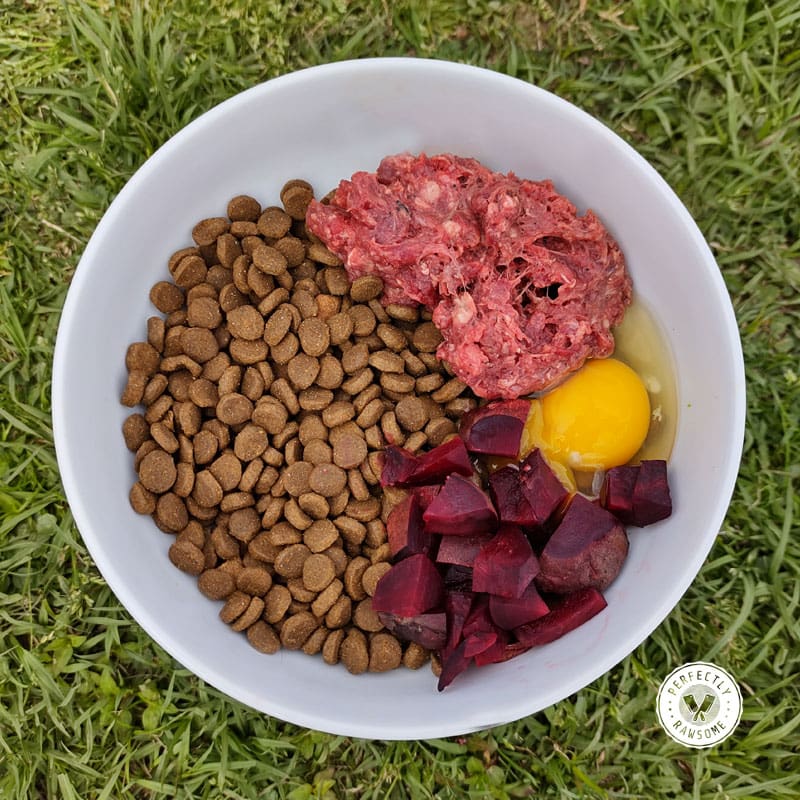
Tips for Success on a Raw Food Diet
After feeding raw for many years, I have gathered some practical tips that make the journey smoother and more enjoyable for both dogs and their humans.
- Build a strong relationship with a local butcher or raw food supplier to get high-quality ingredients at reasonable prices.
- Keep a variety of proteins on hand to prevent mealtime boredom and ensure nutritional variety.
- Track your dog's weight, energy levels, and stool quality to fine-tune portion sizes.
- Consider keeping a small dedicated freezer just for your dog's raw food to simplify storage.
- Stay educated by reading reputable books, joining raw feeding communities, and consulting with veterinary nutritionists when needed.
Frequently Asked Questions About Raw Food Diets for Dogs
Is a raw food diet safe for dogs?
Yes, a properly prepared raw food diet is safe for most healthy dogs. The key is sourcing high-quality ingredients, following balanced ratios, and practicing good hygiene. Dogs have short, acidic digestive tracts designed to handle raw meat and bones. However, dogs with compromised immune systems or certain health conditions may require special considerations, so it is always best to consult with a veterinarian.
How much raw food should I feed my dog per day?
Most adult dogs need about 2% to 3% of their ideal body weight in raw food per day. For example, a 40-pound dog typically eats around 0.8 to 1.2 pounds daily. Puppies, active dogs, and underweight dogs usually need more, while less active or overweight dogs may need less. Monitor your dog's body condition and adjust as needed.
Can I mix raw food with kibble?
While it is technically possible to mix raw and kibble, many raw feeding advocates recommend against it. The reason is that kibble and raw food digest at different rates, which can cause digestive upset. It is generally better to feed them in separate meals, ideally several hours apart.
Do I need to give my dog supplements on a raw diet?
A well-balanced raw diet made with variety provides most of the nutrients dogs need. However, certain supplements like fish oil, vitamin E, and probiotics are commonly recommended to fill any small gaps. Some dogs with specific health conditions may benefit from additional targeted supplements.
How long does raw dog food last in the fridge?
Raw dog food typically stays fresh in the refrigerator for 3 to 5 days when stored in airtight containers. For longer storage, freeze individual portions and thaw them in the fridge as needed. Always use clean utensils and wash your hands thoroughly after handling raw food.
Conclusion
A raw food diet for dogs is one of the most rewarding ways to support your furry friend's long-term health, energy, and happiness. By following the classic 70/10/10 ratio, using high-quality ingredients, and rotating proteins regularly, you can create balanced, nutrient-dense meals your dog will love. Remember to transition gradually, practice good food safety, and adjust portions based on your dog's age, weight, and activity level. Your dog deserves the best, and feeding raw is a powerful way to give them the gift of vibrant health. Start small, stay consistent, and enjoy the journey of becoming your dog's personal chef. If you have questions or want to share your own raw feeding experiences, drop a comment below. I would love to hear from you.