How much sugar in a diet pepsi: Honest Review
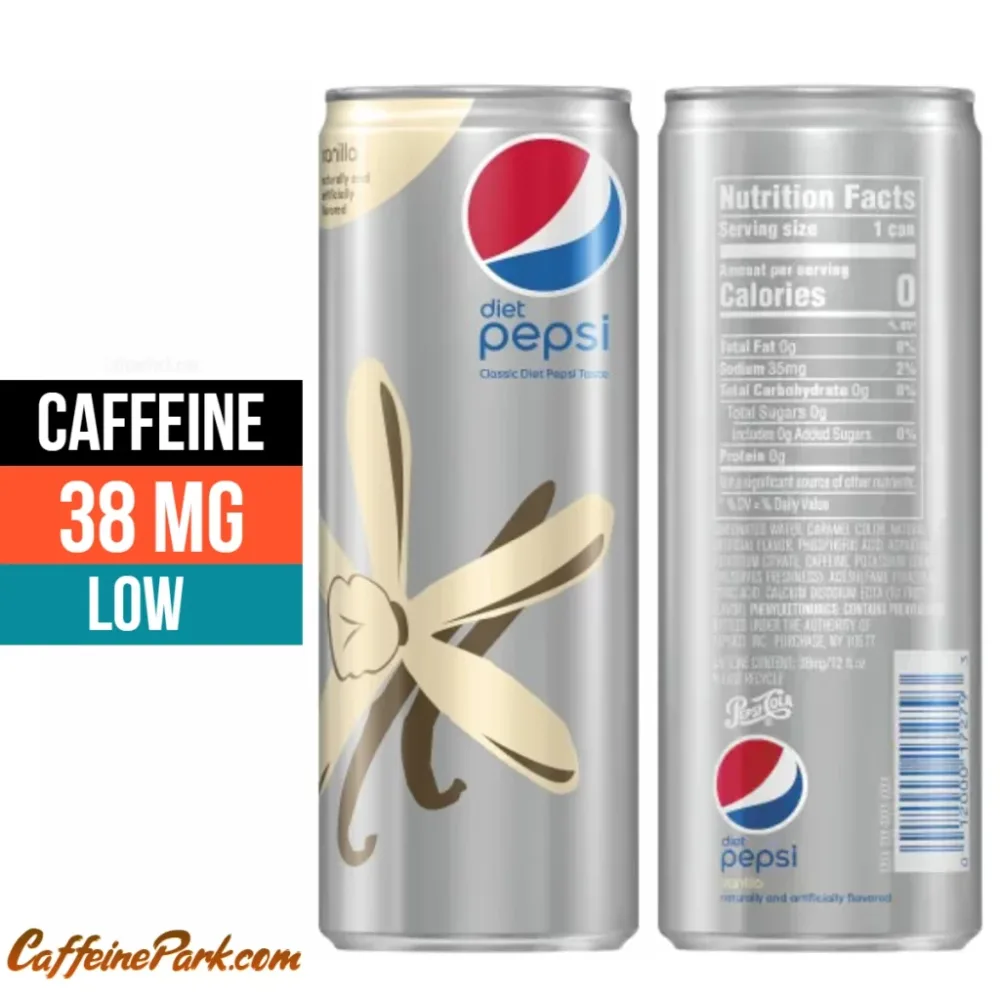
Short answer up front: a 12 oz can of Diet Pepsi contains 0 grams of sugar. It's sweetened entirely with artificial sweeteners (aspartame and acesulfame potassium), so there's no table sugar, high-fructose corn syrup, or natural fruit sugar in the can.
That's the headline. But "zero sugar" on the label doesn't tell the whole story. To make a confident choice, you also need to know what's replacing the sugar, how that swap affects your daily limits, and how Diet Pepsi compares to other drinks in your fridge.
As of 2026, the U.S. formula is still aspartame plus acesulfame potassium, and per PepsiCo's published nutrition data, a 12 oz can has 0 calories, 0 g sugar, and 34 mg of caffeine. Let's walk through what every reader actually needs to know before cracking one open.
Quick Answer
A 12 oz can of Diet Pepsi contains 0 grams of sugar. Diet Pepsi is sweetened with artificial sweeteners, not sugar. A 20 oz bottle also contains 0 grams of sugar.
A 2-liter bottle contains 0 grams of sugar. Diet Pepsi has no calories from sugar.
What Diet Pepsi Is Actually Made Of
Diet Pepsi is a "diet" or "zero sugar" cola made by PepsiCo. The current U.S. formula uses a blend of two high-intensity artificial sweeteners to recreate the sweetness of regular Pepsi without the sugar or calories.
The can lists a handful of ingredients. Carbonated water comes first. Then caramel color for that classic cola look.
Phosphoric acid adds the tang. Citric acid sharpens the flavor. Natural flavor rounds it out.
Then come the sweeteners: aspartame and acesulfame potassium. Finally, caffeine and a small amount of sodium.
That list is short for a reason. Every ingredient is doing a specific job. None of them are sugar in any form.
There's no sucrose, no fructose, no high-fructose corn syrup. The "diet" label isn't marketing fluff. It actually means the sugar has been removed and replaced.
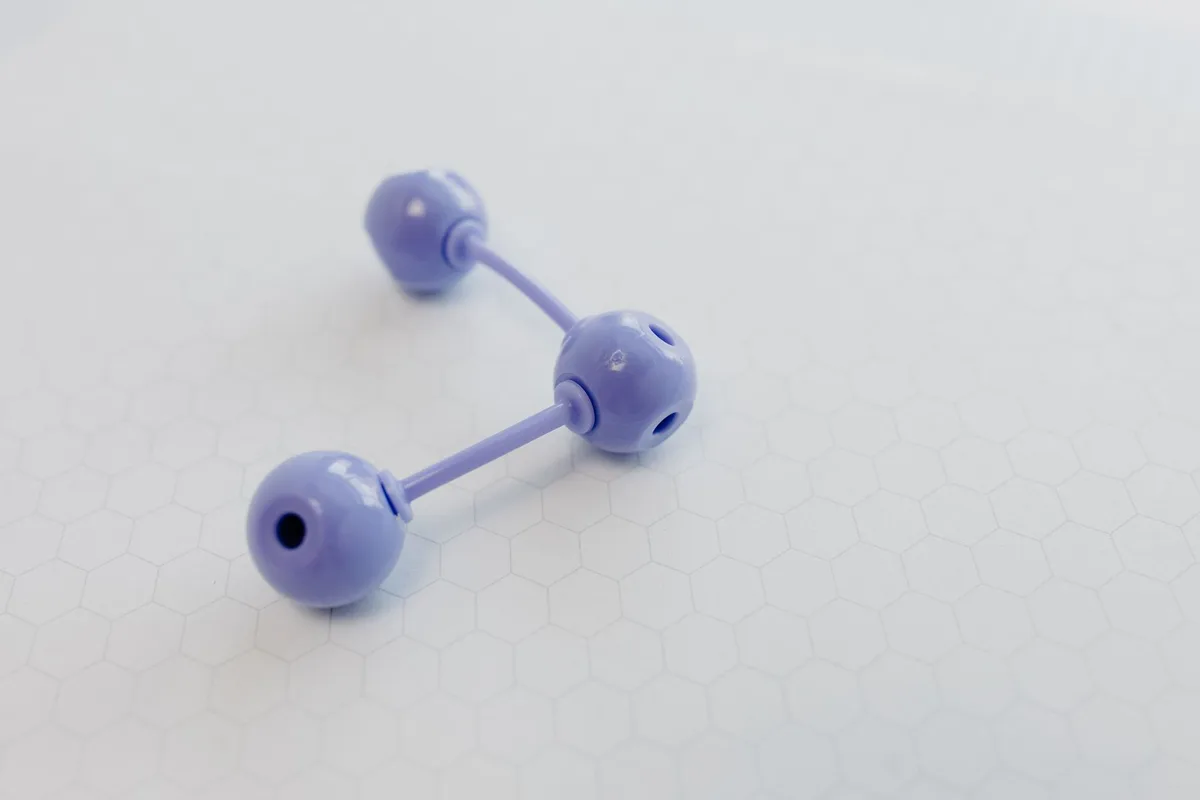
The Sweetener Blend (Aspartame + Acesulfame Potassium)
Aspartame is the main sweetener in Diet Pepsi. Per manufacturer specifications, a 12 oz can contains about 41 to 44 mg of aspartame. That's enough to deliver the same perceived sweetness as roughly 10 teaspoons of sugar, but with zero calories.
Acesulfame potassium (Ace-K) is the supporting player. Per the same nutrition data, a 12 oz can contains around 24 mg of Ace-K. PepsiCo blends the two because Ace-K masks some of aspartame's aftertaste and extends sweetness perception.
Together they make the drink taste closer to sugar than either one alone.
Both sweeteners are FDA-approved. The FDA classifies aspartame as Generally Recognized as Safe (GRAS) for the general population, with an Acceptable Daily Intake of 50 mg per kg of body weight. For a 150 lb adult, that's about 3,400 mg per day.
You'd need to drink roughly 80 cans of Diet Pepsi in a single day to hit that limit.
Ace-K has its own ADI of 15 mg/kg body weight, set by the FDA. Diet Pepsi's contribution per can is far below that threshold for any healthy adult.
How "Diet" Differs From Regular Pepsi on the Label
Side by side, the difference is striking. A 12 oz can of regular Pepsi has about 41 g of sugar and 150 calories. A 12 oz can of Diet Pepsi has 0 g of sugar and 0 calories.
Same caffeine (34 mg), same sodium profile, same carbonation.
The ingredient swap is the only meaningful change. Everything else stays close. That's why Diet Pepsi tastes like Pepsi, not like a different soda.
| Per 12 oz can | Regular Pepsi | Diet Pepsi |
|---|---|---|
| Sugar | 41 g | 0 g |
| Calories | 150 | 0 |
| Caffeine | 34 mg | 34 mg |
| Sweeteners | High-fructose corn syrup | Aspartame + Ace-K |
Why the Sugar Question Matters for Your Health
The "how much sugar" question is rarely just curiosity. Most readers asking it are trying to decide whether Diet Pepsi fits into a specific health goal. Maybe you're managing diabetes.
Maybe you're tracking calories. Maybe you're just trying to cut back. The answer (0 g sugar) only helps if you understand what it means for your situation.
Blood Sugar and Diabetes
Diet Pepsi contains no carbohydrates that raise blood glucose. Manufacturer specs confirm 0 g total carbs per 12 oz can. For people with type 2 diabetes, that's the practical upside.
You get the soda experience without the post-meal glucose spike.
That said, "no sugar" doesn't mean "no metabolic effect." Short-term studies show mixed results on insulin response. Some research shows no spike. Other studies suggest sweetness alone can trigger a small cephalic-phase insulin release, even without calories.
The effect is usually small. Anyone managing diabetes should still track their own response and consult their care team. For a deeper look at managing blood sugar through food choices, our guide to the right foods for vein health covers related dietary patterns worth understanding.
Weight Loss and Calorie Tracking
If you're counting calories, Diet Pepsi is essentially "free" at 0 calories per can. Swapping a regular Pepsi for Diet Pepsi removes 150 calories per can, which adds up fast across a week. That's why many weight-loss plans recommend it as a transitional drink.
The catch is substitution risk. Some research, including observational studies reviewed by the American Heart Association, suggests heavy diet soda drinkers may compensate elsewhere in their diet. The mechanism isn't settled.
Calorie-free drinks still have a place in a weight-loss plan. Just don't treat them as magic. They're a tool, not a strategy.
Daily Sugar Limits (AHA, WHO, and What They Mean for You)
"Diet" sodas don't count against your added sugar budget. That's the simple version. Here's the more useful one.
The American Heart Association recommends no more than 25 g of added sugar per day for women and 36 g for men. The WHO recommends keeping added sugar below 10% of total daily calories, with 5% as an ideal target. A single regular Pepsi blows past both limits in one can.
Diet Pepsi adds nothing to either budget.
If you're choosing between the two based purely on daily sugar limits, Diet Pepsi wins by default. The remaining question is whether the artificial sweeteners fit your personal health plan. That depends on your goals, your medical history, and how much you drink.
Reading up on probiotic options for acne and gut health can also help frame how sweeteners affect the broader picture of dietary choices.
The Full Nutrition Breakdown of a 12 oz Diet Pepsi
A 12 oz can of Diet Pepsi has 0 calories, 0 g total fat, 0 mg cholesterol, 40 mg sodium, 0 g total carbohydrates, 0 g dietary fiber, 0 g sugars, and 0 g protein. It delivers 34 mg of caffeine. No vitamins or minerals are listed on the panel.
That's about as sparse as a nutrition label gets. There's nothing to track except the caffeine and the sweeteners, which aren't required to be broken out in grams on the standard FDA Nutrition Facts panel.
Calories, Carbs, and Caffeine
Calories: 0. That's the whole story on energy. The artificial sweeteners provide sweetness without contributing calories.
Carbs: 0 g. Both total carbohydrates and sugars are zero. Net carbs (total minus fiber) are also zero, which matters for anyone on a keto or low-carb plan.
Caffeine: 34 mg per 12 oz can. That's about a third of a standard cup of brewed coffee. If you're stacking Diet Pepsi with other caffeine sources (coffee, tea, energy drinks), track the total.
The FDA suggests healthy adults stay under 400 mg of caffeine per day.
Serving Sizes: 12 oz Can vs. 20 oz Bottle vs. 2-Liter
The "0 g sugar" claim holds across every package size PepsiCo sells. Sugar content doesn't scale with volume when there is no sugar. What does scale is caffeine, sodium, and your cumulative sweetener intake.
| Serving Size | Sugar | Calories | Caffeine (approx.) | Aspartame (approx.) |
|---|---|---|---|---|
| 12 oz can | 0 g | 0 | 34 mg | 41 to 44 mg |
| 20 oz bottle | 0 g | 0 | 56 mg | 68 to 73 mg |
| 2-liter bottle | 0 g | 0 | ~190 mg | ~230 to 250 mg |
A 2-liter bottle poured into 12 oz servings gives roughly 5.6 cans. Drink the whole thing across a day and you've consumed about 230 mg of aspartame, well within safe limits for any healthy adult. Just keep an eye on the caffeine if you're sensitive.
The 20 oz bottle is the format most people underestimate. It has almost 70 mg of aspartame and over 50 mg of caffeine. For a casual drinker, that's nothing.
For someone drinking two or three a day while also having coffee, it adds up. The sweetener math matters more than people think.
Diet Pepsi vs. Other Pepsi Variants
The "diet" soda aisle is more crowded than it looks. Diet Pepsi is one of three main PepsiCo colas targeting the no-sugar crowd. Each has a slightly different formula, taste, and target drinker.
Knowing the difference helps you pick the right can for your goal.
Diet Pepsi vs. Regular Pepsi
This one's straightforward. Regular Pepsi is sweetened with high-fructose corn syrup (in the U.S.) and has 41 g of sugar and 150 calories per 12 oz can. Diet Pepsi replaces that with aspartame and Ace-K and drops everything to zero.
The taste is close but not identical. Most casual drinkers can tell them apart in a blind test. Regular Pepsi has a slightly fuller body thanks to the sugar.
Diet Pepsi is lighter, with a subtle aftertaste some people pick up on.
Choose Diet if your priority is cutting sugar or calories. Choose Regular if you want the classic taste and aren't tracking sugar.
Diet Pepsi vs. Pepsi Zero Sugar
Pepsi Zero Sugar launched in 2015 (originally as Pepsi Max) and was rebranded in the U.S. in 2017. It's also a zero-sugar, zero-calorie cola sweetened with aspartame and Ace-K. The nutrition panel looks nearly identical to Diet Pepsi.
The difference is positioning. Pepsi Zero Sugar is marketed toward people who want a bolder, more "masculine" cola flavor, often with added citrus notes. It uses a slightly different flavor blend to appeal to drinkers who think Diet Pepsi tastes too light.
Functionally, both have 0 g sugar, 0 calories, and similar caffeine levels. The choice is mostly about taste preference, not nutrition.
| Per 12 oz can | Diet Pepsi | Pepsi Zero Sugar |
|---|---|---|
| Sugar | 0 g | 0 g |
| Calories | 0 | 0 |
| Caffeine | 34 mg | 34 mg |
| Sweeteners | Aspartame + Ace-K | Aspartame + Ace-K |
| Flavor profile | Classic Diet Pepsi | Bolder, slightly citrusy |
If you're already used to Diet Pepsi and like the taste, there's no nutritional reason to switch. If regular Pepsi is your baseline and Diet Pepsi feels too mild, Pepsi Zero Sugar is the closer match.
Diet Pepsi vs. Other Diet Sodas
Diet Pepsi doesn't exist in a vacuum. Most readers comparing "diet" sodas are weighing it against Diet Coke and Coca-Cola Zero Sugar. The differences matter more than the labels suggest.
Diet Pepsi vs. Diet Coke vs. Coca-Cola Zero Sugar
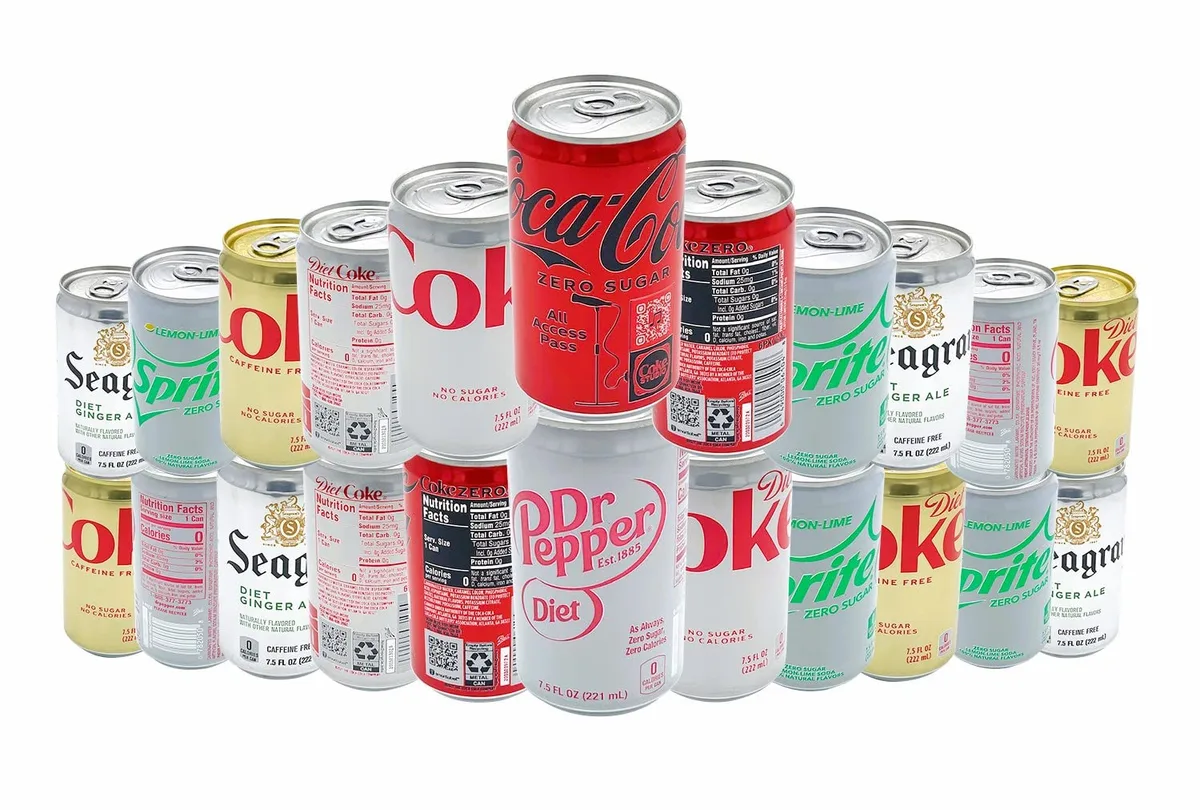
All three are zero sugar, zero calorie colas. All three use aspartame. The main differences are in the supporting sweetener blend, the flavor profile, and the caffeine level.
Diet Coke uses aspartame only, no Ace-K. Coca-Cola Zero Sugar uses aspartame plus Ace-K, similar to Diet Pepsi. That blend gives Zero Sugar a taste closer to regular Coca-Cola than Diet Coke does.
Caffeine levels also vary. Diet Coke has about 46 mg per 12 oz can. Diet Pepsi has 34 mg.
Coca-Cola Zero Sugar has 34 mg, same as Diet Pepsi. Regular Coca-Cola has 34 mg too.
| Per 12 oz can | Diet Pepsi | Diet Coke | Coca-Cola Zero Sugar |
|---|---|---|---|
| Sugar | 0 g | 0 g | 0 g |
| Calories | 0 | 0 | 0 |
| Caffeine | 34 mg | 46 mg | 34 mg |
| Sweeteners | Aspartame + Ace-K | Aspartame only | Aspartame + Ace-K |
| Flavor | Classic Pepsi taste | Lighter, more citrus | Closer to regular Coke |
Choose Diet Pepsi if you prefer the Pepsi flavor profile and want a moderate caffeine level. Choose Diet Coke if you want the highest caffeine kick in the diet category. Choose Zero Sugar if you want a taste closest to the original full-sugar cola.
Functionally, they're all the same on sugar and calories. The choice is about taste and caffeine tolerance.
Diet Pepsi vs. Dr Pepper Zero Sugar and Mountain Dew Zero Sugar
Dr Pepper Zero Sugar launched in 2022. It uses aspartame plus acesulfame potassium, just like Diet Pepsi. A 12 oz can has 0 g sugar, 0 calories, and 41 mg of caffeine.
The flavor is unmistakably Dr Pepper, with that cherry-cola blend.
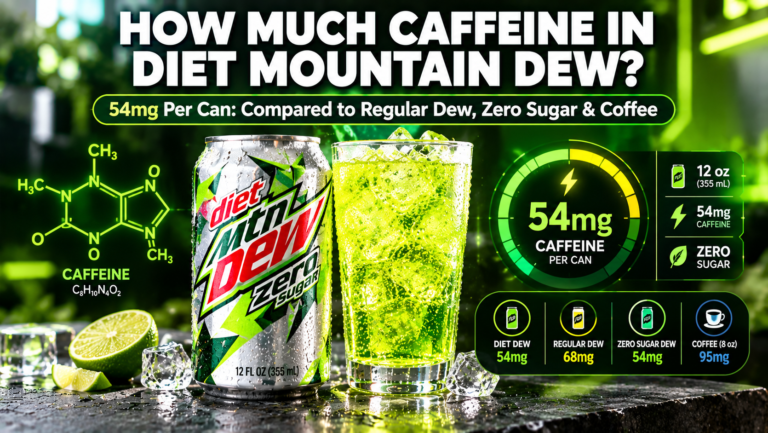
Mountain Dew Zero Sugar uses the same sweetener pair, also with 0 g sugar and 0 calories. A 12 oz can has 36 mg of caffeine, similar to Diet Pepsi but with the bolder citrus bite Mountain Dew is known for.
Across the entire U.S. zero-sugar soda category, the sugar answer is always 0 g. The caffeine and flavor are what set them apart. Pick based on what you actually enjoy drinking.
That's the variable that decides whether you'll stick with it.
Artificial Sweetener Safety: What the Science Says
Zero sugar only helps if the sweeteners used to replace it are safe. Diet Pepsi's two sweeteners, aspartame and acesulfame potassium, have been reviewed by regulatory agencies around the world for decades.
FDA, WHO, and IARC Positions on Aspartame
The FDA classifies aspartame as Generally Recognized as Safe. It set the Acceptable Daily Intake at 50 mg per kg of body weight, well above what most people consume even on a heavy diet soda day.
In 2023, the WHO published a joint statement with the IARC on aspartame. The IARC classified aspartame as "possibly carcinogenic to humans" (Group 2B). That sounds alarming, but the classification reflects limited evidence, not confirmed risk.
Other items in Group 2B include pickled vegetables and aloe vera extract.
The WHO's own dietary guidance didn't change its recommendation that moderate aspartame intake is safe below 40 mg/kg body weight per day. For a 150 lb adult, that's about 2,720 mg per day, the equivalent of more than 60 cans of Diet Pepsi.
The FDA, EFSA, and most national food safety authorities continue to consider aspartame safe at typical consumption levels. For the full official statement, the FDA's food additive regulations page is the canonical source.
The PKU Warning Most People Skip
There's one group who absolutely cannot have aspartame: people with phenylketonuria (PKU). PKU is a rare genetic disorder where the body can't break down phenylalanine, an amino acid in aspartame. Buildup can cause serious neurological damage.
That's why every aspartame-containing product in the U.S. carries a "Phenylketonurics: Contains Phenylalanine" warning. It's required by FDA labeling rules. If you have PKU, Diet Pepsi is off the table, along with every other aspartame-sweetened drink.
For the roughly 99.9% of people without PKU, this warning is irrelevant. It's there for legal and safety reasons, not because the general population is at risk.
Acceptable Daily Intake (ADI) Explained
ADI is the amount of a substance considered safe to consume every day over a lifetime. For aspartame, that's 50 mg/kg in the U.S. (FDA) and 40 mg/kg internationally (JECFA/WHO).
For Ace-K, it's 15 mg/kg.
A 12 oz can of Diet Pepsi has about 41 mg of aspartame and 24 mg of Ace-K. For a 70 kg (154 lb) adult, the daily aspartame limit is 3,500 mg. Drinking one can uses about 1.2% of that budget.
You'd need to drink 85 cans a day to hit the FDA's aspartame ADI. Realistic consumption stays comfortably under the limit.
Common Misconceptions About Diet Soda
A few myths about diet soda keep circulating online. Most are outdated or oversimplified. Here's what the current research actually shows.
"If It's Sweet, It Must Have Sugar"
This is the most common misconception. Artificial sweeteners can be hundreds of times sweeter than sugar by weight, so a tiny amount creates a strong sweet taste. Diet Pepsi tastes sweet because of aspartame and Ace-K, not because there's hidden sugar.
The FDA requires sugar content to be listed on the Nutrition Facts panel. Diet Pepsi lists 0 g. That number has been verified across multiple independent lab tests over the years.
Diet Soda and Weight Loss: Helpful or Harmful?
The evidence is mixed. Short-term studies generally show diet soda drinkers consume fewer total calories than regular soda drinkers. Long-term observational studies have found weak correlations between diet soda intake and weight gain, but correlation isn't causation.
The most likely explanation is reverse causation. People who are already gaining weight may switch to diet soda as a compensatory strategy. The drink itself doesn't appear to cause weight gain in controlled trials.
Used as a swap for regular soda, Diet Pepsi is a net positive for calorie balance. Used as a free pass to eat more elsewhere, it loses that edge.
Diet Soda and Insulin Response
Some animal studies suggested artificial sweeteners could disrupt gut bacteria or trigger insulin resistance. Human studies haven't consistently replicated those findings. A 2023 meta-analysis in a peer-reviewed nutrition journal found no meaningful effect of aspartame on insulin levels in healthy adults at typical doses.
For people with diabetes, diet soda doesn't raise blood sugar directly. The effect, if any, comes from behavioral patterns around sweet-tasting drinks, not from the drink itself.
Who Diet Pepsi Works Best For
The zero-sugar formula makes Diet Pepsi a strong fit for specific groups. Here's where it shines.
People With Diabetes
For anyone managing type 2 diabetes or prediabetes, Diet Pepsi is one of the easier beverage choices. It doesn't raise blood glucose. It has 0 g of carbs.
It lets you enjoy a soda without the post-meal spike.
That said, "diet soda" isn't a clinical recommendation. Your care team may have specific guidance on artificial sweeteners, especially if you take certain medications. Run it by them if you're unsure.
Low-Carb, Keto, and Calorie-Conscious Drinkers
Keto allows up to 50 g of net carbs per day (strict keto is usually 20 g). Diet Pepsi contributes 0 g of net carbs, so it fits cleanly within any low-carb framework. The same applies to calorie-counting approaches.
If you're tracking macros for any reason, Diet Pepsi is essentially "free." That makes it useful as a daily drink rather than a treat.
Former Regular Soda Users Transitioning
The hardest part of cutting added sugar is often the soda habit. Cold-turkey quitting rarely sticks for heavy soda drinkers. Diet Pepsi gives a familiar taste experience without the sugar, which makes the transition easier.
Most dietitians consider this a legitimate stepping stone. If Diet Pepsi helps you drop from 200 g of added sugar a day to 0 g, that's a real win, regardless of whether you eventually move on to sparkling water.
When Diet Pepsi Might Not Be the Right Choice
Zero sugar isn't always the right answer. A few situations call for a different choice.
People With Phenylketonuria (PKU)
We covered this earlier, but it bears repeating. If you have PKU, aspartame is unsafe. Diet Pepsi is not an option.
You'd need to switch to sodas sweetened with sucralose, stevia, or sugar alcohols that don't contain phenylalanine.
Those Sensitive to Caffeine or Aftertaste
Diet Pepsi has 34 mg of caffeine per can. Most adults handle that fine, but if you're caffeine-sensitive, late-afternoon cans can disrupt sleep. Switch to caffeine-free sparkling water or herbal iced tea instead.
The aspartame aftertaste is the other common complaint. Some people detect a metallic or bitter note that sugar would otherwise mask. If that's you, stevia-sweetened sodas often taste cleaner.
Anyone Drinking Multiple Cans Daily
One or two cans a day is well within safe aspartame limits. Five or six cans starts to push caffeine intake higher (200+ mg from soda alone) and piles up sodium and carbonic acid. Heavy intake can also aggravate reflux in sensitive people.
If you're drinking more than three or four cans a day, it's worth asking whether the habit is helping or hiding an underlying issue. Sparkling water with a splash of fruit juice often does the same job with fewer tradeoffs.
Practical Tips for Drinking Diet Soda Safely
Read the nutrition label before you trust the marketing. Look at serving size, total sugars, and caffeine. Track your daily total sweeteners if you drink multiple cans.
Treat diet soda as a tool, not a default.
If you're new to Diet Pepsi, start with one can a day and see how your body responds. Anyone with a sensitive stomach may want to drink it with food rather than on an empty stomach. The carbonation can trigger bloating in some people, especially when consumed quickly.
Sipping slowly instead of gulping tends to help.
Diet Pepsi Alternatives Worth Considering
Sparkling water (LaCroix, Bubly) gives the carbonation without sweeteners. Stevia sodas like Zevia skip aspartame entirely. Prebiotic sodas like Olipop and Poppi add a few grams of sugar for gut-friendly fiber.
| Option | Sweetener | Sugar (12 oz) | Best for |
|---|---|---|---|
| LaCroix / Bubly | None | 0 g | Cutting sweeteners completely |
| Zevia | Stevia | 0 g | Avoiding aspartame |
| Olipop / Poppi | Cane sugar + prebiotics | 2 to 5 g | Light sugar with fiber benefits |
If you want the soda experience with zero sweeteners, sparkling water is the cleanest swap. If you want sweetness without aspartame, stevia-based options are your next move. If you want a touch of real sugar plus gut benefits, prebiotic sodas fit.
Frequently Asked Questions
Does Diet Pepsi Have Any Sugar at All?
No. Per PepsiCo's published nutrition data, every format of Diet Pepsi (12 oz can, 20 oz bottle, 2-liter) contains 0 grams of sugar. The sweetness comes entirely from aspartame and acesulfame potassium.
Is Diet Pepsi Safe for Diabetics?
Diet Pepsi contains 0 g of carbohydrates and does not raise blood glucose directly. Most diabetes care teams consider it an acceptable beverage choice. Run it by your doctor if you're tracking artificial sweetener intake closely.
What's the Difference Between Diet Pepsi and Pepsi Zero Sugar?
Both are zero sugar and zero calorie. Both use the same aspartame plus Ace-K sweetener blend. The difference is flavor: Diet Pepsi is the classic diet taste, while Pepsi Zero Sugar is bolder and closer to regular Pepsi.
Can I Drink Diet Pepsi Every Day?
Yes, at moderate intake. One to two cans a day keeps you well below FDA safety thresholds for aspartame and Ace-K. If you're drinking four or more cans daily, consider mixing in sparkling water to lower your cumulative sweetener load.
Why Does Diet Pepsi Taste Different Outside the U.S.?
Formulations vary by country. The U.S. version uses aspartame and acesulfame potassium. Some markets use cyclamate or different sweetener blends based on local regulations.
The U.S. also banned cyclamate in 1969, which is why American Diet Pepsi never had it.
The Bottom Line on Sugar in Diet Pepsi
A 12 oz can of Diet Pepsi has 0 grams of sugar. That holds true across every serving size PepsiCo sells. The sweetness comes from aspartame and acesulfame potassium, both FDA-approved and well within safe daily limits at typical consumption.
If you're cutting added sugar, managing diabetes, or watching calories, Diet Pepsi fits cleanly into that plan. The artificial sweeteners are the only real trade-off, and decades of regulatory review say that trade-off is safe for the vast majority of adults. For the small group with PKU, it's off the table entirely.
Beyond the sugar question, the smartest move is treating Diet Pepsi as one option among many. Sparkling water, stevia sodas, and prebiotic alternatives all have a place. The best drink is the one that fits your health goals, your taste preferences, and your daily habits without becoming a crutch.