How To Get Enough Fiber On Low FODMAP Diet: Easy 2026 Guide
Combine low FODMAP grains, seeds, fruits, canned legumes, and psyllium, then increase slowly.
If you want a calm gut and steady energy, fiber is your friend. I help people with IBS reach daily fiber goals without flares. Keep reading to learn how to get enough fiber on low fodmap diet with safe foods, smart portions, and a simple plan that works in real life.

Why fiber matters on a low FODMAP diet
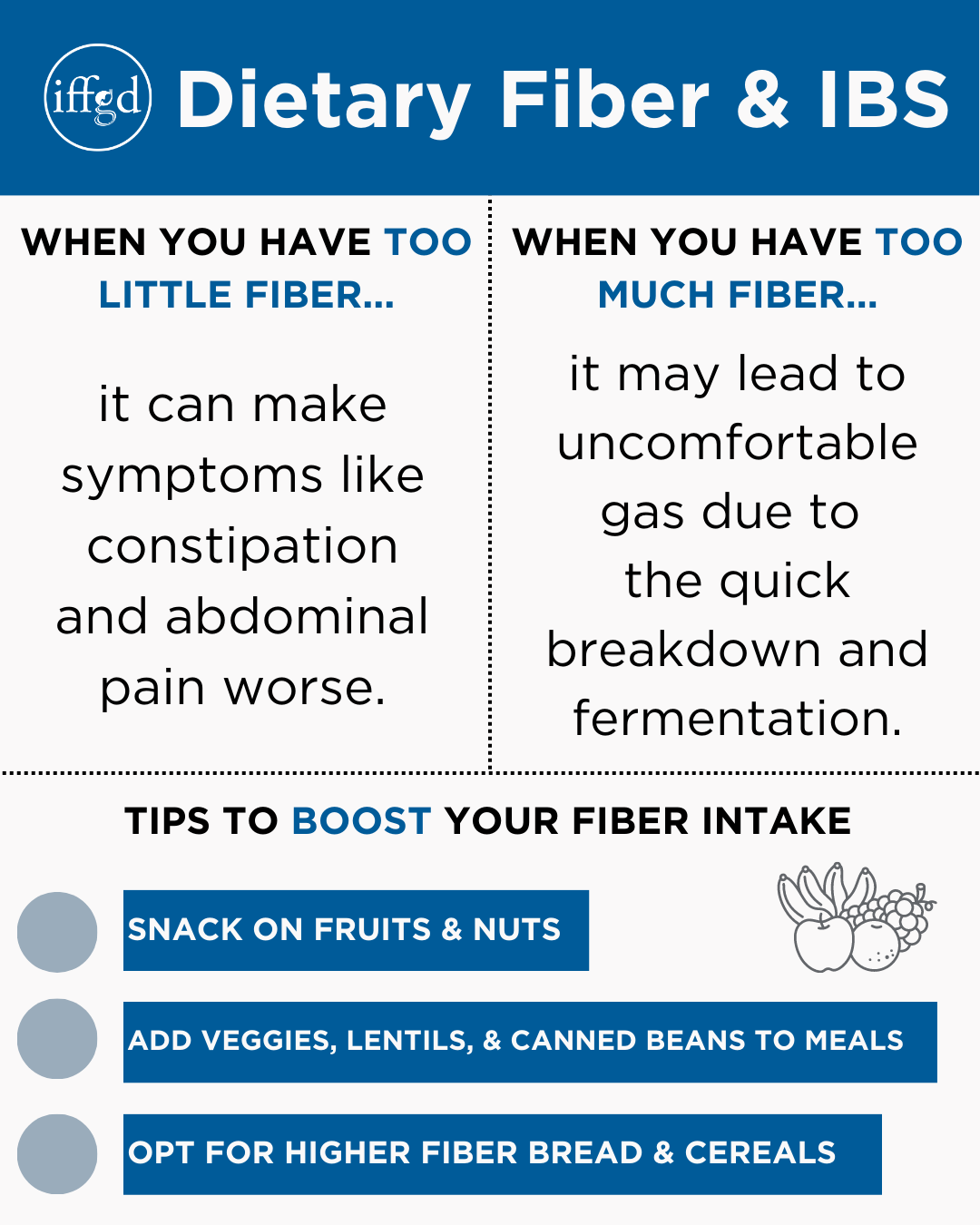
Fiber feeds your gut microbes and supports regularity. It helps form soft, easy-to-pass stools and can smooth swings between constipation and diarrhea. Many people eat less fiber during elimination, so planning matters.
Soluble fiber, like psyllium and oats, absorbs water and helps both IBS-C and IBS-D. Insoluble fiber, like the skins of veggies, speeds things up and can trigger symptoms if added too fast. You will see how to get enough fiber on low fodmap diet by leaning on soluble sources first, then layering more variety.
Clinical studies show that psyllium can reduce IBS symptoms. Trials also report that two kiwifruit per day can help constipation. Build up slowly, sip water, and listen to your body.
What counts as low FODMAP fiber
Think in food groups. Your best friends are simple, whole foods in tested, safe portions.
Low FODMAP grains and starches
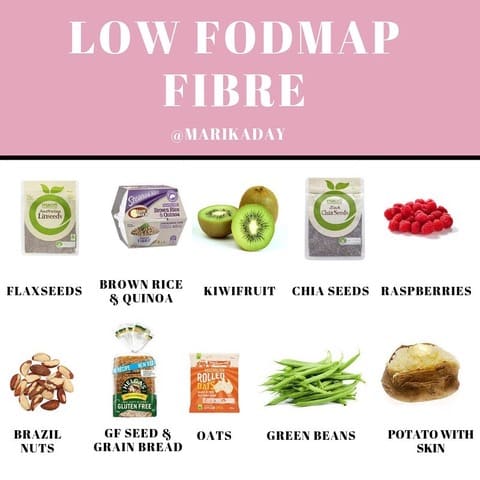
- Rolled oats, quick oats, steel-cut oats
- Quinoa, brown rice, buckwheat, corn, polenta
- Certified low FODMAP bread, sourdough spelt in small serves
Low FODMAP fruits
- Kiwi, oranges, firm bananas, strawberries, blueberries, raspberries
- Dragon fruit, grapes, pineapple, cantaloupe
Low FODMAP vegetables
- Carrots, potatoes, zucchini, eggplant, bell peppers, green beans
- Tomatoes, spinach, kale, lettuce, cucumbers
Low FODMAP legumes and pulses
- Canned lentils, canned chickpeas, well rinsed and limited to small serves
Low FODMAP nuts and seeds
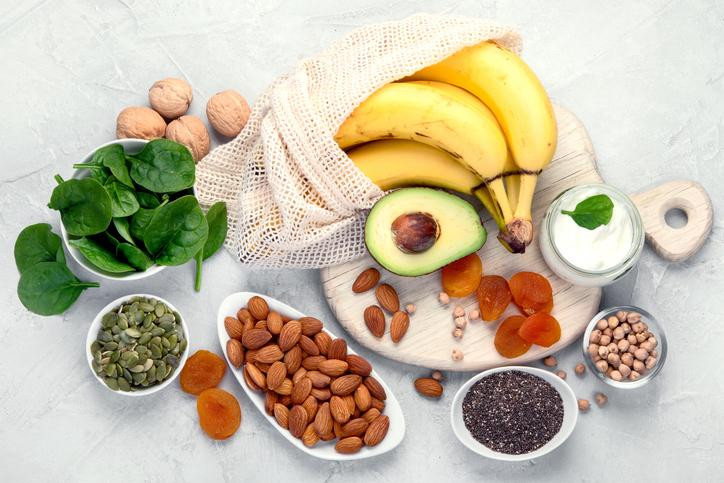
- Chia, flaxseed, pumpkin seeds, sunflower seeds, peanuts, walnuts, macadamias, limited almonds
These foods help you master how to get enough fiber on low fodmap diet without overloading fermentable carbs.
Daily fiber targets and a simple formula
Most adults need 25 to 38 grams of fiber per day. A practical IBS-friendly target is 20 to 30 grams during elimination, adjusted to how you feel.
Use this simple formula
- Add about 5 to 7 grams at each meal. Think oats or quinoa plus a fruit or veg.
- Add 2 to 4 grams at two snacks. Seeds, fruit, or nuts work well.
- Drink water with every fiber hit. Aim for a glass each time.
I teach clients how to get enough fiber on low fodmap diet by spreading fiber through the day. Go up by 2 to 3 grams every few days to limit bloat.

Low FODMAP high-fiber foods and smart swaps
Small swaps stack up fast. Here are safe portions with rough fiber counts per serve. Portion sizes match typical low FODMAP limits.
Grains and starches
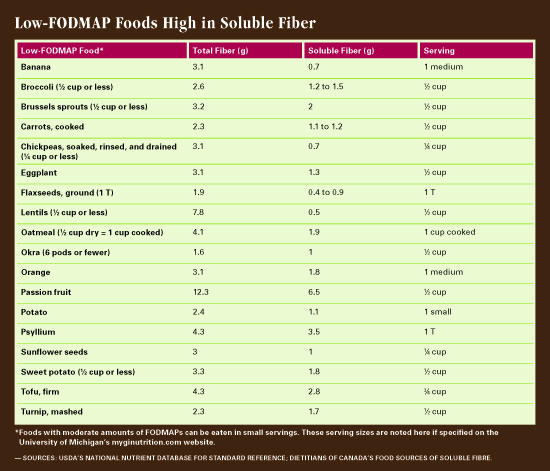
- Rolled oats, 1/2 cup dry: about 4 grams
- Quinoa, 1 cup cooked: about 5 grams
- Brown rice, 1 cup cooked: about 3.5 grams
- Buckwheat groats, 1 cup cooked: about 4.5 grams
- Polenta, 1 cup cooked: about 2 grams
Fruits
- Kiwifruit, 2 small: about 4 to 5 grams
- Orange, 1 medium: about 3 grams
- Firm banana, 1 small: about 2.5 grams
- Strawberries, 1 cup: about 3 grams
- Raspberries, 1/2 cup: about 4 grams
Vegetables
- Carrots, 1 cup: about 3.5 grams
- Green beans, 1 cup: about 4 grams
- Zucchini, 1 cup: about 1 gram
- Spinach, 1 cup cooked: about 4 grams
- Potato with skin, 1 medium: about 3 to 4 grams
Legumes, canned and rinsed well
- Chickpeas, 1/4 cup drained: about 3 grams
- Lentils, 1/4 cup drained: about 3 to 4 grams
Nuts and seeds
- Chia seeds, 2 tablespoons: about 10 grams
- Ground flaxseed, 1 tablespoon: about 2 grams
- Pumpkin seeds, 2 tablespoons: about 2 grams
- Peanuts, 2 tablespoons: about 2 grams
- Almonds, 10 nuts: about 2 grams
Smart swaps I use with clients
- Swap corn flakes for oats with chia
- Swap white rice for quinoa or brown rice
- Swap croutons for pumpkin seeds on salads
- Swap jam for sliced kiwi or strawberries
- Add 1 to 2 tablespoons of canned lentils to salads or soups
These swaps show how to get enough fiber on low fodmap diet while keeping meals familiar and tasty. They also make sticking to the plan much easier.

A one-day low FODMAP high-fiber menu you can copy
Breakfast
- Overnight oats with lactose-free milk, 1/2 cup oats, 2 tablespoons chia, 1 sliced kiwi
- Fiber total: about 14 grams
Snack
- Orange and a small handful of peanuts
- Fiber total: about 5 grams
Lunch
- Quinoa salad with 1 cup cooked quinoa, 1/4 cup canned lentils, carrots, spinach, cucumber, lemon olive oil dressing
- Fiber total: about 9 to 10 grams
Snack
- Rice cakes with peanut butter and sliced strawberries
- Fiber total: about 3 to 4 grams
Dinner
- Grilled salmon, 1 cup brown rice, roasted zucchini and bell peppers, side salad
- Fiber total: about 5 to 6 grams
Daily total
- About 36 to 39 grams. Adjust portions to your needs and comfort. This plan shows how to get enough fiber on low fodmap diet with simple foods you can find anywhere.

Cooking, shopping, and eating out tips
You can boost fiber with small, steady steps.
Shopping
- Read labels for chicory root or inulin. Skip those during elimination.
- Choose certified low FODMAP bread and crackers when you can.
- Buy canned lentils and chickpeas, then drain and rinse well.
Cooking
- Stir 1 to 2 teaspoons of chia or flax into oats, yogurt, or sauces.
- Roast trays of carrots, potatoes, and zucchini for easy sides.
- Keep frozen berries and spinach on hand for quick add-ins.
Eating out
- Pick rice or polenta over wheat pasta.
- Ask for extra salad greens and a side of potatoes.
- Add orange segments or strawberries to a side plate when possible.
These simple moves help you master how to get enough fiber on low fodmap diet without stress.

Fiber supplements on a low FODMAP diet
Food first, but supplements can help fill gaps.
Best options
- Psyllium husk: Start with 1/2 to 1 teaspoon in water once daily, then build to 2 teaspoons. Helpful for both IBS-C and IBS-D.
- Partially hydrolyzed guar gum: Gentle and mixes clear. Often well tolerated.
- Methylcellulose: Non-fermentable and low gas for many people.
Use with care
- Ground flaxseed supports regularity, but start with 1 teaspoon.
- Avoid inulin and chicory root during elimination. These are high FODMAP.
- Wheat dextrin and acacia can cause gas for some. Test slowly.
Always add water with any fiber. Talk with your clinician if you use medicines. This is another route for how to get enough fiber on low fodmap diet when food alone is not enough.
Troubleshooting: bloat, constipation, or loose stools
If you feel gassy
- Drop back 2 to 3 grams of fiber per day. Hold for a week.
- Switch from rough insoluble fiber to gentler soluble sources like oats and psyllium.
If you are constipated
- Add 1 teaspoon of psyllium and 1 extra glass of water daily.
- Try two kiwifruit per day for two weeks. Walk after meals.
If you have loose stools
- Spread fiber across the day. Avoid big single doses.
- Favor soluble fiber and limit caffeine and alcohol for now.
Track what you eat and how you feel for seven days. Then adjust. These practical steps are how to get enough fiber on low fodmap diet without triggering symptoms.
Frequently Asked Questions of how to get enough fiber on low fodmap diet
What is the easiest way to start increasing fiber on low FODMAP?
Begin with oats, kiwi, and chia. Add a little each day and drink more water.
Can I eat beans on a low FODMAP diet?
Yes, in small amounts if they are canned and well rinsed. Try 1/4 cup of canned lentils or chickpeas per meal.
Is psyllium safe for IBS?
Psyllium is one of the best-tolerated fibers for IBS. Start low and build up to find your sweet spot.
Do I need supplements to reach my fiber goals?
Not always. Many people hit targets with oats, seeds, fruits, and veggies. Use psyllium or PHGG if food alone falls short.
What if fiber makes me bloat?
Slow down and choose more soluble fiber. Reduce portion size for a week, then increase by small steps.
How can I hit 25 to 30 grams without overthinking it?
Aim for 5 to 7 grams per meal and 2 to 4 grams per snack. This simple rhythm shows how to get enough fiber on low fodmap diet every day.
Conclusion
You can build a high-fiber, low FODMAP routine with simple foods and smart portions. Focus on oats, quinoa, kiwi, oranges, chia, canned lentils, and colorful veggies. Add fiber slowly, sip water, and adjust to your comfort. That is how to get enough fiber on low fodmap diet while keeping symptoms calm.
Now put it into action. Pick one swap today and one tomorrow. Subscribe for more low FODMAP tips, or share your favorite high-fiber swap in the comments.