How Ecology Diet: Your Ultimate Guide
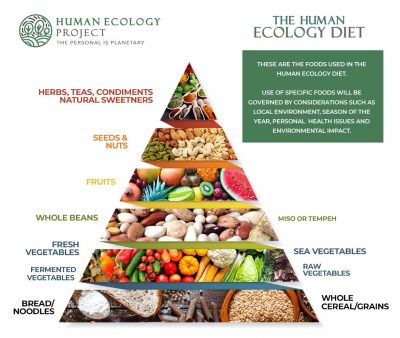
The Ecology Diet is a plant-forward eating plan rooted in whole foods, seasonal produce, and minimal waste. It focuses on eating in harmony with nature while supporting personal health.
If you’ve been searching for a way of eating that feels good and does good, the ecology diet might just be the answer you’ve been looking for. Over the years, I’ve explored many food philosophies, but few feel as balanced, intuitive, and connected to real life as this one. Think of it as less of a strict set of rules and more of a friendly guide to choosing foods that nourish you and the planet at the same time. Let me walk you through everything you need to know so you can decide if it fits your life.

What Exactly Is the Ecology Diet
The ecology diet is built on the idea that human health and environmental health are deeply connected. Instead of focusing on calories or strict macros, it shifts attention to where food comes from, how it’s grown, and how it affects the world around us.
At its core, this approach encourages eating:
- Whole, minimally processed foods
- Locally grown and seasonal produce when possible
- A wide variety of plant-based ingredients
- Less meat and more plant proteins like beans, lentils, and nuts
- Foods with low ecological footprints
You don’t have to go fully vegan or cut out entire food groups. The goal is awareness, making better choices one meal at a time.
Core Principles Behind the Ecology Diet
There’s a simple philosophy driving this way of eating, and once you understand it, everything else makes sense.
Food Choices That Respect the Earth
Every bite you take has an impact. The ecology diet encourages choosing foods that require fewer natural resources. This means more plants, less factory-farmed meat, and fewer heavily processed products.
Seasonal and Local Eating
Eating what’s in season and grown nearby reduces the energy needed for transportation and storage. It also means fresher, tastier food on your plate.
Minimizing Food Waste
A big part of this approach is using what you buy. Planning meals, storing food properly, and getting creative with leftovers all play a role.
Balance Over Perfection
You don’t need to be perfect. The ecology diet is about progress, not pressure. One swap here and there can add up to real change.
How the Ecology Diet Works in Daily Life
Let me paint a real picture. On a typical week following this approach, your meals might look something like this:
- Breakfast: Oatmeal topped with fresh berries, a spoonful of nut butter, and a sprinkle of seeds
- Lunch: A hearty grain bowl with quinoa, roasted vegetables, chickpeas, and a lemon-tahini drizzle
- Dinner: A lentil stew with seasonal greens, served alongside a slice of whole-grain bread
- Snacks: Fresh fruit, trail mix, hummus with veggie sticks
Notice how natural and approachable this feels. You’re not counting points or chasing trends. You’re simply eating real food that respects your body and the planet.
Key Benefits of Following an Ecology Diet
This way of eating isn’t just about saving the environment. It brings some pretty powerful personal health perks too.
Supports Better Digestion
Whole foods are rich in fiber, which keeps your gut happy and regular. Over time, many people notice less bloating and more steady energy.
Helps Maintain a Healthy Weight
When your meals are built around plants, fiber, and lean proteins, you naturally feel full longer. This makes it easier to maintain a healthy weight without feeling deprived.
Reduces Risk of Chronic Conditions
Diets high in whole plants and low in processed foods are linked to lower risks of heart disease, type 2 diabetes, and certain cancers. The ecology diet leans into those protective patterns.
Improves Energy and Mood
Real, nutrient-dense food fuels your body more efficiently. Many people report feeling more alert and emotionally balanced after switching to this style of eating.

Potential Limitations to Keep in Mind
I always believe in being honest, so here are a few things to consider before jumping in.
Requires Planning
Eating seasonal and local sometimes takes more thought. You need to plan meals around what’s available and fresh.
Can Be More Expensive Up Front
Organic and local foods can cost more at first. But buying in bulk, shopping at farmers markets, and reducing meat can actually balance your grocery bill.
Social Situations Can Be Tricky
If your friends and family aren’t on the same page, dining out or gatherings may require some flexibility.
Practical Tips for Getting Started
If this sounds appealing, here’s how to ease into it without overwhelm.
Start With One Meal a Day
Pick one meal, like breakfast or lunch, and rebuild it around whole, plant-forward ingredients. Build from there as you feel comfortable.
Visit Your Local Farmers Market
You’ll discover what’s in season, meet local growers, and often find better deals than at big grocery stores.
Learn Simple Plant-Based Recipes
You don’t need to be a chef. Focus on easy recipes with 5 to 10 ingredients. Soups, stir-fries, and grain bowls are perfect starting points.
Reduce Processed Foods Gradually
Start by swapping one processed snack for a whole-food option. Over time, those small swaps become second nature.
Stay Curious and Flexible
This isn’t a rigid rulebook. Stay curious about new foods, flavors, and seasonal changes. Let the journey evolve naturally.
Ecology Diet vs Other Plant-Based Approaches
It helps to understand how this compares to similar eating styles.
Vegan Diet
Veganism eliminates all animal products for ethical, environmental, or health reasons. The ecology diet doesn’t require full veganism. It focuses more on impact and balance than on strict elimination.
Mediterranean Diet
The Mediterranean diet emphasizes whole grains, healthy fats, fish, and plant foods. The ecology diet shares many of these values but adds a stronger focus on sustainability and waste reduction.
Flexitarian Diet
Flexitarianism is mostly plant-based with occasional meat. The ecology diet aligns closely with this idea but adds a deeper layer of environmental awareness.
Environmental Impact of the Ecology Diet
One of the most inspiring parts of this approach is knowing your choices matter. Eating more plants and less industrial meat reduces greenhouse gas emissions, saves water, and protects biodiversity. Even small shifts, like swapping beef for beans twice a week, can make a measurable difference over a year.
When you choose local produce, you also support small farms and shorten the food supply chain. This builds stronger communities and a more resilient food system.
Common Misconceptions About the Ecology Diet
Let me clear up a few things people often get wrong.
- It’s not about being perfect or strict
- You don’t have to give up meat entirely
- It’s not just for wealthy or rural people
- It’s flexible and fits many lifestyles
Understanding this makes the whole idea feel far more approachable.
How to Make It Work on a Budget
Eating this way doesn’t have to break the bank. Here are a few friendly tips.
- Buy staples like beans, rice, and oats in bulk
- Choose frozen produce when fresh isn’t available
- Plan meals around sales and seasonal deals
- Grow your own herbs or small veggies if space allows
These strategies help you stay on track without stretching your wallet.
Who Should Consider the Ecology Diet
Honestly, almost anyone can benefit. But it may be especially helpful if you:
- Care about sustainability and want your food choices to reflect that
- Want to eat healthier without extreme rules
- Love cooking and trying new ingredients
- Are looking for a long-term lifestyle, not a quick fix
If you’re dealing with specific medical conditions, it’s always smart to check with your doctor or a registered dietitian before making big changes.
Frequently Asked Questions
Is the ecology diet the same as being vegetarian?
No. You can still enjoy animal products in moderation. The focus is on choosing foods with lower environmental impact, not eliminating entire food groups.
Can I lose weight on the ecology diet?
Yes, many people find it easier to maintain a healthy weight because the diet emphasizes fiber-rich, whole foods that keep you full longer.
Do I need to buy only organic foods?
Organic is great when possible, but not required. Prioritize local and seasonal produce first, and go organic when your budget allows.
Is the ecology diet safe for kids and families?
Generally yes. It’s built on whole, nutritious foods suitable for all ages. Just ensure a balanced intake of nutrients, especially for growing children.
How quickly will I see results?
Some people notice better digestion and energy within a few weeks. Long-term benefits, like improved health markers, build over months of consistent habits.
Final Thoughts
The ecology diet is more than a meal plan. It’s a thoughtful way to reconnect with your food, your health, and the planet. You don’t need to change everything overnight. Start small, stay curious, and let your choices grow naturally. Every mindful bite is a step toward a healthier you and a healthier world. If you’re ready to take the next step, try one new recipe this week or visit a local market and see what inspires you.