How To Start Raw Food Diet Dog: 2026 Complete Guide
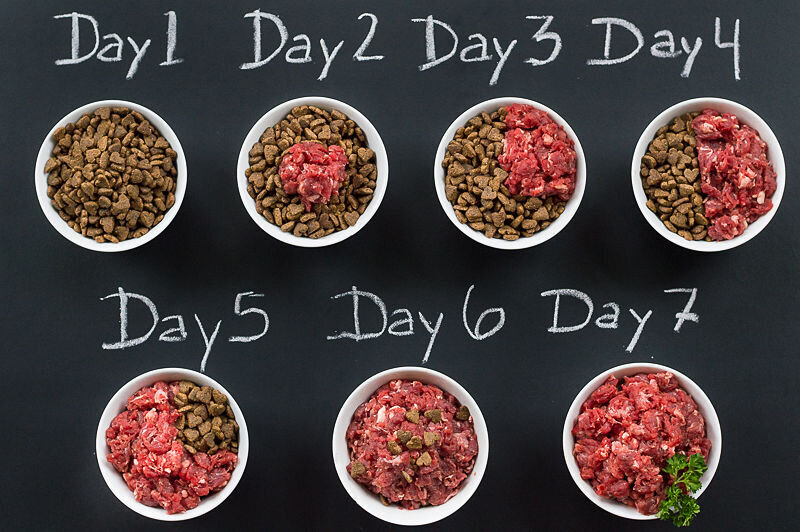
Starting a raw food diet for your dog means switching to fresh, uncooked proteins, bones, organs, and veggies to mirror their ancestral eating habits. Most dog owners successfully transition their pets to a raw diet over 7-14 days by gradually mixing raw meals with their current food.
I still remember the day I brought home my golden retriever, Max. Back then, I fed him the same kibble my parents used for our childhood lab. It wasn't until years later, after a bad bout of stomach issues and a vet who suggested a "biologically appropriate" approach, that I discovered the world of raw feeding. Since then, I've helped dozens of friends and family members make the switch. If you're curious about how to start a raw food diet for your dog, let me walk you through what works, what doesn't, and what to keep in mind so your pup thrives.
Why Consider a Raw Food Diet for Dogs
A raw food diet for dogs, often called BARF (Biologically Appropriate Raw Food) or PMR (Prey Model Raw), focuses on feeding your dog uncooked meat, bones, organs, and small amounts of vegetables and fruits. The idea is simple: dogs evolved from wolves, and their digestive systems are built to process fresh prey.
When I first looked into raw feeding, I was skeptical. Wouldn't raw meat make dogs sick? The truth is, dogs have a short, acidic digestive tract designed to handle bacteria that would make us humans quite ill. Many dogs on raw diets show shinier coats, cleaner teeth, smaller stools, and better energy levels.
Some benefits pet owners often report include:
- Healthier skin and a glossier coat
- Reduced allergies and itching
- Better weight management
- Improved dental health from chewing raw bones
- Smaller, less smelly stools
- Higher energy and vitality
That said, raw feeding isn't a magic fix, and it requires commitment. It's important to balance the diet properly and handle raw meat safely.
Understanding the Basic Components of a Raw Dog Food Diet
Before you jump in, you need to know what goes into a balanced raw meal. Think of it like building a plate for a tiny carnivore. Here's a simple breakdown:
- Muscle meat: About 70% of the diet. This includes chicken, turkey, beef, lamb, or fish.
- Raw edible bones: Around 10%. Chicken necks or wings are good starters.
- Organ meat: Roughly 10%. Liver, kidney, and spleen are nutrient-rich.
- Vegetables and fruits: About 10%. Leafy greens, carrots, and blueberries add fiber and antioxidants.
- Supplements: Some owners add fish oil, eggshell powder, or kelp for extra nutrients.
A common ratio I recommend to new raw feeders is the 80/10/10 rule: 80% muscle meat, 10% raw bone, and 10% organ. Some prefer the 70/10/10/10 model, which adds 10% veggies. Either can work, depending on your dog's needs.
Step-by-Step Guide: How to Start a Raw Food Diet for Dogs
Switching your dog to raw food is easier when you take it slow. Here's a proven step-by-step process I've used with great results.
Step 1: Do Your Research First
Before you open your fridge, spend a few days learning the basics. Understand portion sizes, safe protein choices, and which bones are safe. Avoid cooked bones entirely; they splinter and can cause serious harm.
Step 2: Talk to Your Veterinarian
While many vets are open to raw feeding, some may not be. Have a candid conversation about your dog's health, age, and breed. Puppies, seniors, and dogs with kidney or liver issues may need a modified plan.
Step 3: Start With a Single Protein
Chicken is a gentle starter. It's easy to digest and widely available. Feed just chicken for the first few days so your dog's gut can adjust without overwhelm.
Step 4: Transition Gradually Over 7 to 14 Days
Here's a simple schedule I often suggest:
- Days 1 to 3: 25% raw food mixed with 75% current food
- Days 4 to 6: 50% raw and 50% current food
- Days 7 to 9: 75% raw and 25% current food
- Days 10 to 14: 100% raw food
If your dog has a sensitive stomach, slow it down even more. Watch for signs of digestive upset like loose stool or vomiting.
Step 5: Add New Proteins One at a Time
Once your dog is fully on raw, introduce new proteins like beef, turkey, or fish every few days. This helps you spot any allergies or sensitivities.
Step 6: Introduce Raw Bones Carefully
Start with soft bones like chicken necks or wings. Always supervise your dog while they chew. If your dog gulps without chewing, skip bones and stick to ground bone supplements.
Step 7: Balance the Diet Over Time
You don't need to be perfect every meal. Aim to balance nutrients over a week or two. A helpful trick is to keep a simple food journal for the first month.
Common Mistakes to Avoid When Starting a Raw Diet
I've seen some well-meaning owners stumble into a few common traps. Avoid these mistakes to set your dog up for success.
- Skipping the transition: Going cold turkey from kibble to raw can cause stomach upset.
- Feeding too much organ meat: Liver is great, but too much can cause diarrhea.
- Using cooked bones: Always stick to raw, edible bones.
- Not varying proteins: Feeding only chicken long-term can lead to imbalances.
- Ignoring hygiene: Always wash your hands, bowls, and surfaces after handling raw meat.
- Overfeeding or underfeeding: Learn your dog's ideal weight and adjust portions accordingly.
How Much Raw Food Should You Feed Your Dog
A general rule of thumb is to feed 2% to 3% of your dog's ideal adult body weight per day. Puppies may need 5% to 10% since they're growing fast.
For example:
- A 50-pound dog would eat about 1 to 1.5 pounds of raw food daily.
- A 10-pound dog would need around 0.2 to 0.3 pounds per day.
Split the food into two meals for adults and three to four meals for puppies. Adjust based on body condition. If your dog is gaining weight, reduce portions. If they're looking too thin, add a bit more.
Safe and Unsafe Foods for a Raw Dog Diet
Not all human foods are dog-safe, even raw. Here's a quick guide to keep in mind.
Safe options include:
- Chicken, turkey, beef, lamb, pork, and fish
- Raw eggs
- Organ meats like liver and kidney
- Bones like chicken necks, backs, and wings
- Veggies like spinach, kale, broccoli, and carrots
- Fruits like blueberries, apples (no seeds), and bananas
Avoid these:
- Cooked bones of any kind
- Onions, garlic, and chives
- Grapes and raisins
- Chocolate and caffeine
- Macadamia nuts
- Avocado
- Xylitol (often found in peanut butter)
How to Prepare and Store Raw Dog Food Safely
Food safety matters, even if your dog has a strong stomach. A few simple habits go a long way.
- Buy fresh: Use high-quality, human-grade meat whenever possible.
- Freeze in portions: Make weekly batches and freeze them in meal-sized bags.
- Thaw safely: Move frozen meals to the fridge the night before feeding.
- Keep it cold: Don't leave raw food out for more than 15 to 20 minutes.
- Clean everything: Wash bowls, cutting boards, and counters with hot, soapy water.
Some owners like to prep a full week of meals at once. I personally do Sunday prep and freeze individual portions in silicone molds. It saves time and keeps things tidy.
Transitioning Puppies vs. Adult Dogs to Raw Food
Puppies are usually easier to switch than adults. Their curiosity and strong appetite work in your favor. Here's what to keep in mind:
- Puppies: Start at around 3 to 4 weeks with minced raw meat. By 7 to 8 weeks, they can handle small chunks and soft bones. Feed 3 to 4 meals a day.
- Adult dogs: Take it slower. Their gut microbiomes are used to processed food and need time to adjust. Most adults adapt in 2 to 3 weeks.
- Seniors: Be gentle and watch for any health changes. Softer textures and lean proteins are often best.
How to Know if the Raw Diet Is Working
A few weeks into raw feeding, you should start seeing some clear signs. Look for:
- A shinier coat and less shedding
- Cleaner teeth and fresher breath
- Smaller, firmer stools
- Better energy and stamina
- Reduced itching or hot spots
- A healthier weight
If something seems off, don't ignore it. Some dogs need a tweak in protein balance or portion size. Keep notes and adjust as needed.
Tools and Resources to Make Raw Feeding Easier
You don't need fancy gadgets, but a few tools can help:
- Digital kitchen scale for accurate portions
- BPA-free storage containers or silicone molds
- Meat grinder for homemade batches
- A good freezer for bulk storage
- A simple raw feeding app to track balance
I use a small notebook more than any app, but find what works for you. The goal is consistency, not perfection.
Common Myths About Raw Dog Food Diets
There are a lot of myths out there. Let me clear up a few of the most common ones.
- Myth 1: Raw diets are dangerous. Truth: When handled properly, raw diets are safe for most healthy dogs.
- Myth 2: Dogs need carbs from kibble. Truth: Dogs thrive on low-carb, high-protein diets.
- Myth 3: Raw bones are unsafe. Truth: Raw, appropriately sized bones are actually great for dental health.
- Myth 4: Raw feeding is too expensive. Truth: It depends on what you buy, but it can be comparable to premium kibble, especially when bought in bulk.
Frequently Asked Questions About Starting a Raw Food Diet for Dogs
How long does it take to switch a dog to a raw diet?
Most dogs transition fully in 7 to 14 days, but sensitive dogs may need up to a month. Go at your dog's pace.
Can I mix raw food with kibble?
It's best not to mix them in the same meal because they digest at different rates. Serve them separately, a few hours apart.
Is raw food safe for puppies?
Yes, raw food is excellent for puppies. Just make sure to include enough calcium and fat for healthy growth.
How do I handle bacteria concerns?
Use fresh meat, wash your hands, clean surfaces, and keep things cold. Dogs' stomachs are much more acidic than ours, so they handle bacteria well.
What if my dog refuses to eat raw food?
Try warming it slightly with warm water or adding a small amount of bone broth. Some dogs need a few tries before they accept new textures.
Do I need to add supplements?
If you feed a variety of proteins, organs, and bones, most dogs do fine without extras. Some may benefit from fish oil or vitamin E.
Final Thoughts
Learning how to start a raw food diet for dogs can feel like a big step, but it doesn't have to be overwhelming. With a little planning, patience, and the right information, you can give your dog a fresh, nourishing way of eating that supports their health from the inside out. Take your time, trust the process, and remember, your dog doesn't need perfection; they need consistency and care.
If you're ready to take the plunge, start with a simple chicken-based recipe and build from there. And if you have questions or want to share your own raw feeding journey, drop a comment below. I'd love to hear how it goes for you and your furry friend.