How Much Weight Can You Lose On Carnivore Diet: Real Results 2026
Most people lose between 5 to 15 pounds in the first month on a carnivore diet, with steady progress continuing over several months depending on starting weight and consistency. If you've been scrolling through forums and YouTube videos wondering whether eating only meat, eggs, and animal fats can actually help you shed pounds, you're not alone. I've spent years testing and researching this way of eating, and I want to walk you through what really happens to your body when you commit to a carnivore diet for weight loss. This isn't about hype or extreme claims. It's about giving you a clear, honest picture of how much weight you can lose, why it works, and what to expect along the way.

How the Carnivore Diet Works for Weight Loss
The carnivore diet is simple in theory. You eat only animal products like beef, chicken, fish, eggs, and sometimes dairy like butter or cheese. You skip all plant-based foods including fruits, vegetables, grains, legumes, nuts, and seeds. By cutting out carbs almost completely, your body shifts from burning glucose for energy to burning fat, a state called ketosis.
When you remove processed foods, sugars, and most carbs, your insulin levels drop. Lower insulin means your body can access stored fat more easily and burn it for fuel. Many people also notice a dramatic drop in appetite because protein and fat keep you full for hours. You're not constantly fighting cravings or snacking every two hours. That alone can create a calorie deficit without you even thinking about it.
I remember my first week trying it. I was shocked that I didn't feel hungry between meals. On a standard diet, I'd be raiding the pantry by 3 PM, but on carnivore, I could go six hours without eating and not even notice. That feeling of stable energy and reduced hunger is what makes this way of eating so powerful for weight loss.
Realistic Weight Loss Expectations on Carnivore
Let's talk numbers because that's what you're really here for. The amount of weight you lose on a carnivore diet depends on several factors like your starting weight, how strictly you follow it, and how active you are. But here's what most people experience based on common patterns and shared results.
In the first week, you might drop 3 to 7 pounds quickly, but a lot of that is water weight. When you cut carbs, your body releases the glycogen it was storing along with the water attached to it. This can feel motivating, but it's not actual fat loss. Real fat burning starts kicking in after that initial drop.
By the end of the first month, most people lose somewhere between 5 to 15 pounds if they have a moderate amount of weight to lose. If you have more weight to lose, like 50 pounds or more, you might see losses closer to 15 to 25 pounds in the first month. The second and third months usually bring a slower, more steady rate of about 1 to 2 pounds per week, which is considered healthy and sustainable.
After six months on a strict carnivore diet, many people report losing 30 to 50 pounds or more, especially if they were significantly overweight at the start. The key is consistency. The longer you stick with it, the more your body adjusts and the more consistent your fat burning becomes.
Why People Lose Weight So Quickly on Carnivore
There's a reason this diet seems to deliver fast results compared to other plans. It's not magic, but the way it changes your hormones and eating habits creates the perfect environment for weight loss.
When you eat only animal protein and fat, your body produces more satiety hormones like peptide YY and GLP-1. These hormones tell your brain you're full and satisfied. You naturally eat fewer calories without feeling deprived. Most carnivore dieters end up eating somewhere between 1,500 to 2,200 calories a day without counting a single one.
Another factor is the thermic effect of protein. Your body burns more calories digesting protein than it does digesting fat or carbs. Studies show that up to 30 percent of the calories from protein get used just to process it. That means if you eat 1,500 calories of pure steak, your body might only net around 1,050 usable calories. It's like getting a discount on every meal.
I also noticed something interesting when I followed this approach. My energy levels stayed stable throughout the day instead of spiking and crashing. That meant I wasn't relying on willpower to resist snacks. The diet itself made weight loss easier by removing the mental load of food choices.
Factors That Affect How Much Weight You Lose
Not everyone loses weight at the same pace on carnivore. Several personal factors play a big role in your results.
Your starting weight matters a lot. Someone who weighs 300 pounds will typically lose weight faster in the beginning than someone who weighs 180 pounds. Larger bodies burn more energy and have more stored fat to draw from.
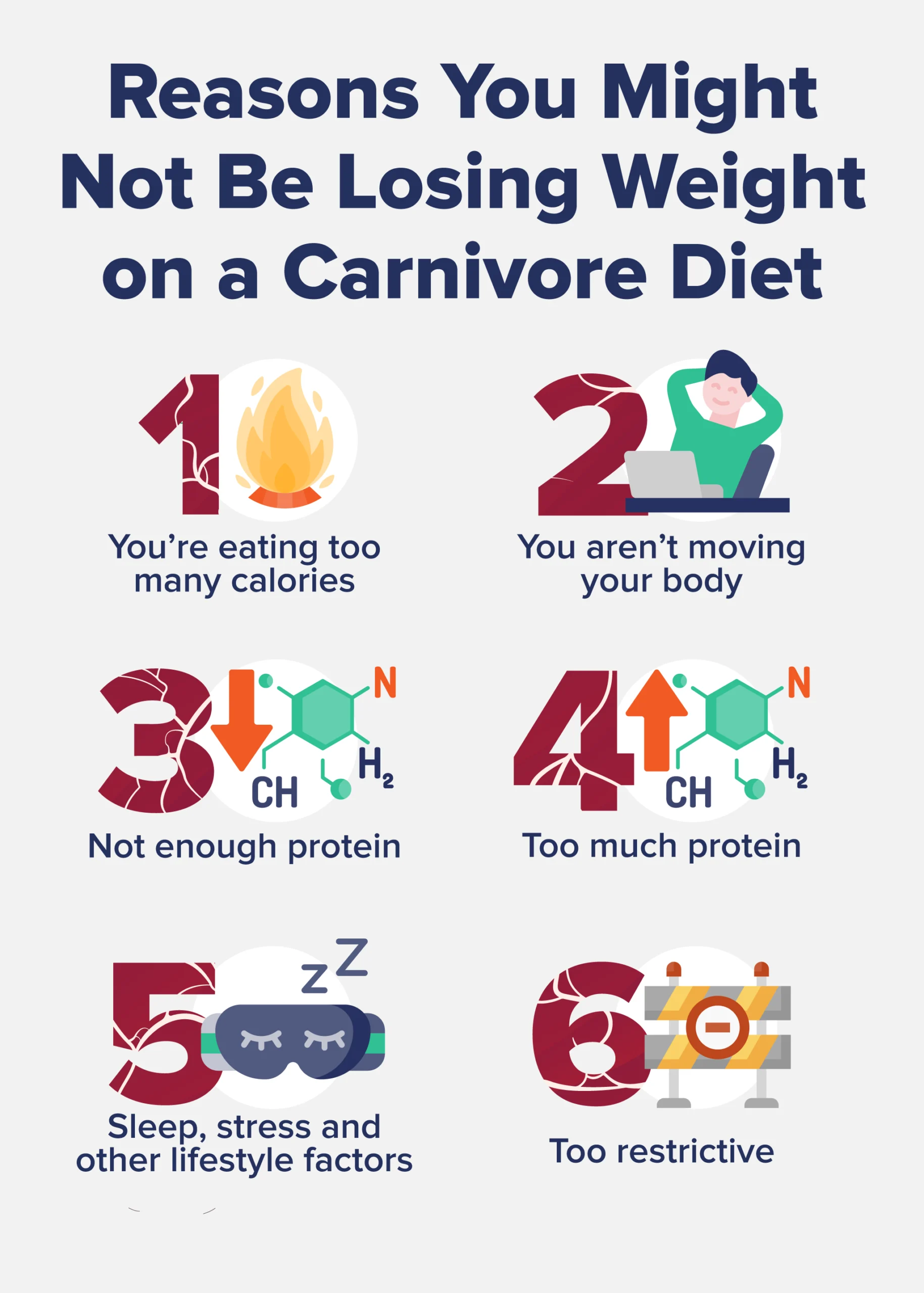
How strictly you follow the diet also makes a difference. If you're eating only ribeye steaks and eggs, your results will be more dramatic than someone who's adding in hidden carbs like sweetened dairy or processed meats with fillers. The cleaner you eat, the better your results tend to be.
Activity level plays a role too. If you're adding in some walking or light strength training, you'll preserve muscle while losing fat, which keeps your metabolism strong. But even without exercise, many people lose significant weight just from the diet change alone.
Sleep and stress can quietly sabotage your progress. Poor sleep raises cortisol, which can stall fat loss even on a perfect diet. Managing stress and getting 7 to 9 hours of sleep helps your body stay in fat-burning mode.
Common Mistakes That Slow Down Weight Loss
I've made some of these mistakes myself, and I've seen others make them too. If you're not losing as much weight as you'd hoped, one of these could be the culprit.
Eating too much dairy is a big one. Cheese, butter, and cream are technically carnivore-friendly for some people, but they can easily spike your calorie intake. It's very easy to eat 1,000 calories in cheese alone without realizing it.
Overeating fatty cuts of meat can also stall progress. While fat is fine on carnivore, eating an entire pack of bacon plus a ribeye at every meal adds up fast. Try to eat until you're satisfied, not stuffed.
Not drinking enough water throws off your metabolism. When you're in ketosis, you lose more water and electrolytes. Dehydration can make you feel sluggish and slow down your fat-burning process. Adding a pinch of salt to your water can help.
Snacking on carnivore-approved foods like pork rinds or beef jerky with hidden sugars is another trap. Always check labels. The moment you start sneaking in processed items, your progress will likely slow or stop.
Benefits Beyond the Scale
Weight loss is often the main goal, but most people end up experiencing other changes that make the journey worthwhile. These side benefits can actually help you stay motivated long term.
Many people report clearer skin within the first month. Acne, redness, and bloating often improve dramatically when you remove inflammatory plant oils and sugars. Your gut also tends to settle down, especially if you had issues with IBS, bloating, or acid reflux before.
Mental clarity is another common benefit. Without blood sugar spikes and crashes, your brain gets a steady supply of energy from ketones. This can lead to better focus, fewer brain fog moments, and even improved mood for many people.
Joint pain and inflammation often decrease too. Animal-based fats contain anti-inflammatory compounds, and removing seed oils can reduce swelling in the body. I've heard from readers and friends who said their chronic knee pain or arthritis symptoms got noticeably better after a few months on carnivore.
Is the Weight Loss Sustainable Long Term
The biggest question most people have is whether they can keep the weight off after losing it. The honest answer is that it depends on how you transition out of the strict phase.
Many people find that they don't want to go back to their old way of eating because they feel so much better. They might eventually add back some low-carb vegetables or small amounts of fruit, but they keep the foundation of protein and animal fats. This kind of long-term approach tends to keep the weight off.
Others use carnivore as a reset for 3 to 6 months to kickstart their weight loss and then slowly reintroduce other clean foods while keeping portions in check. The key is not going back to the highly processed, high-carb diet that caused the weight gain in the first place.
From my experience, the people who keep the weight off are the ones who use carnivore not just as a diet but as a learning tool. They discover how their body responds to food, what makes them feel good, and how to eat without obsessing over calories.
Who Should Be Careful with Carnivore for Weight Loss
While carnivore can be incredibly effective, it's not for everyone. If you have any existing health conditions, it's smart to talk to your doctor before making a big change.
People with kidney issues should be cautious because high protein intake can put extra stress on the kidneys. If you have a history of gout, the purines in red meat might trigger flare-ups. Women who are pregnant or breastfeeding also need to think carefully about nutrient variety.
I always recommend starting slow if you're unsure. Try cutting out processed foods and sugars first, then gradually remove carbs over a week or two. This helps your body adjust without feeling overwhelmed or fatigued.
Tips to Maximize Your Weight Loss on Carnivore
If you want to get the best results possible, here are some practical tips that have worked for me and many others. These aren't complicated rules. They're simple habits that make a big difference.
- Focus on fatty cuts of beef like ribeye, chuck roast, and brisket to keep you satisfied longer.
- Add organ meats like liver once or twice a week for extra nutrients without extra calories.
- Drink plenty of water and add salt to prevent electrolyte imbalances that can stall progress.
- Eat only when you're hungry and stop when you're full, even if that means skipping a meal.
- Track your weight weekly but don't obsess over daily fluctuations.
- Get enough sleep to support hormone balance and fat burning.
- Walk daily if you can, even just 20 minutes helps your body stay active without overdoing it.
How Long Until You See Results
Most people start seeing noticeable changes in their body within the first two to four weeks. The first week is mostly water weight, but after that, the changes become more visible in the mirror and on the scale.
Your clothes will start fitting differently around week three or four. By month two, most people are dropping a full pant size or more. By month six, the transformation is often dramatic enough that friends and family start asking what you're doing differently.
The timeline varies based on how much weight you have to lose and how consistent you are, but the pattern is pretty reliable. Your body responds quickly when you give it the right fuel and remove the things that were holding it back.
Frequently Asked Questions About Weight Loss on Carnivore Diet
How fast can I lose 20 pounds on carnivore?
Most people can lose 20 pounds in 6 to 10 weeks on a strict carnivore diet, especially if they have a moderate amount of weight to lose. The first 5 to 10 pounds come off quickly in the first couple of weeks, then you settle into a steady 1 to 2 pounds per week.
Can you lose belly fat on carnivore diet?
Yes, belly fat is often the first type of fat your body burns when insulin drops. Many people notice their waistline shrinking within the first month, especially when combining carnivore with moderate activity and good sleep.
Do you gain the weight back after stopping carnivore?
You can if you return to your old eating habits, but many people transition to a lower-carb or clean eating approach and keep the weight off long term. The key is not going back to highly processed, high-sugar foods.
Is it safe to do carnivore diet for weight loss only?
It can be safe for short-term weight loss of 3 to 6 months, but you should focus on getting enough nutrients. Eating a variety of animal products including eggs, fish, red meat, and organ meats helps cover your nutritional bases during that time.
How many calories should I eat on carnivore for weight loss?
Let your hunger guide you, but most people naturally eat between 1,500 to 2,200 calories without counting. If weight loss stalls, try slightly reducing portion sizes or adding in a little more cardio to create a small deficit.
Final Thoughts
The carnivore diet can be a powerful tool for weight loss if you approach it with the right mindset. You can realistically lose anywhere from 5 to 15 pounds in the first month and continue losing at a steady pace for several months after that. The combination of reduced appetite, stable energy, and hormone balance makes it easier than most traditional diets. But remember, the real magic isn't just in the food you eat. It's in the habits you build and the connection you develop with how your body responds to what you put in it. If you're ready to take control of your health, start small, stay consistent, and let the results speak for themselves. Drop a comment below sharing your own journey or any questions you have about getting started.