How To Add Lentils To Your Diet: Easy Tips For 2026
Adding lentils to your diet is simple: start with small portions, cook them into familiar meals, and experiment with flavors you already enjoy.
If you've been wondering how to add lentils to your diet without feeling overwhelmed, you're in the right place. I get it. Lentils sometimes get a bad rap for being bland, boring, or hard to cook. But after years of experimenting in my own kitchen and helping others find easy ways to eat healthier, I can tell you that lentils are one of the most versatile, budget-friendly, and nutrient-packed foods you can add to your weekly routine. They're a staple in my home, and once you see how easy they are to work with, they'll become a staple in yours too.
Why Lentils Are Worth Adding to Your Diet
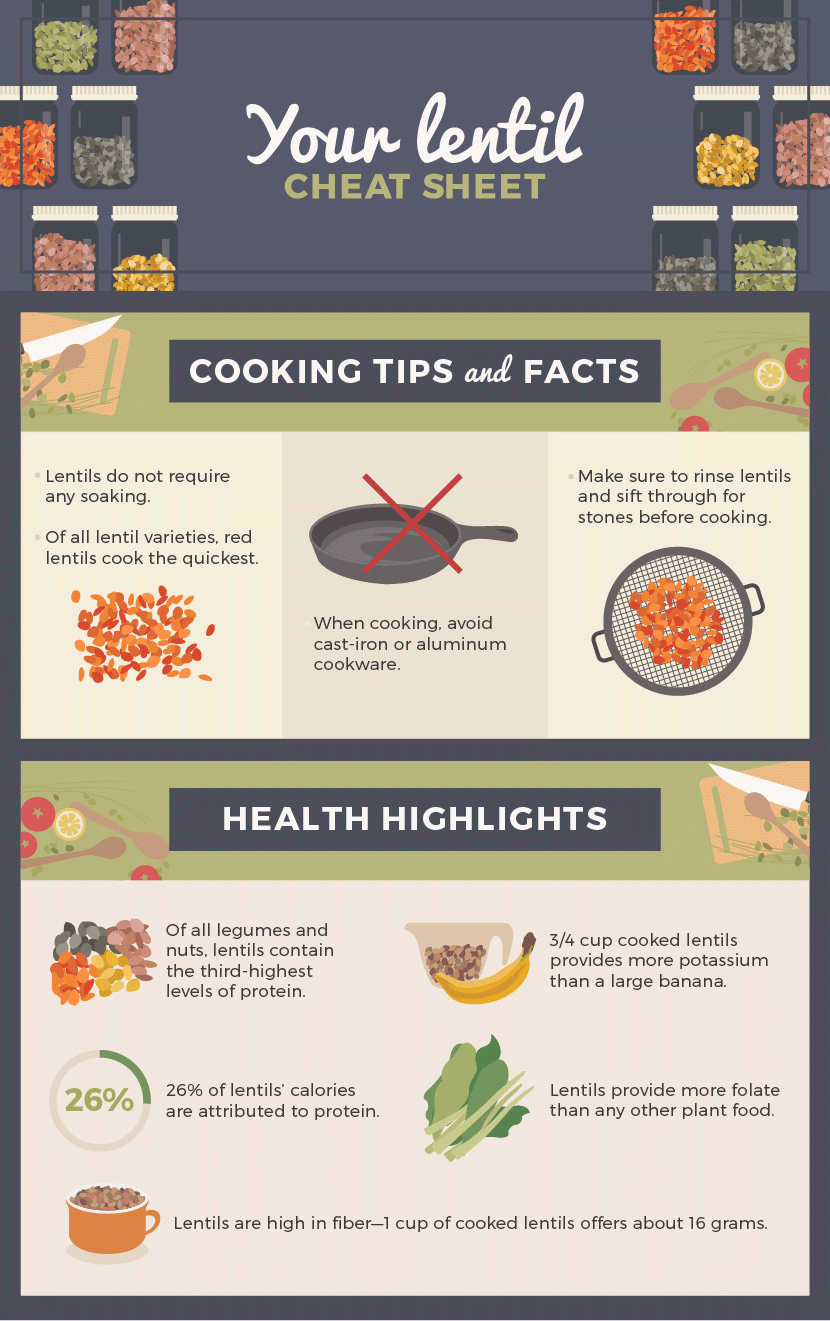
Lentils are tiny legumes, but they pack a serious nutritional punch. They're loaded with plant-based protein, fiber, iron, folate, and other essential vitamins and minerals. Just one cup of cooked lentils gives you about 18 grams of protein and 16 grams of fiber, which keeps you full for hours.
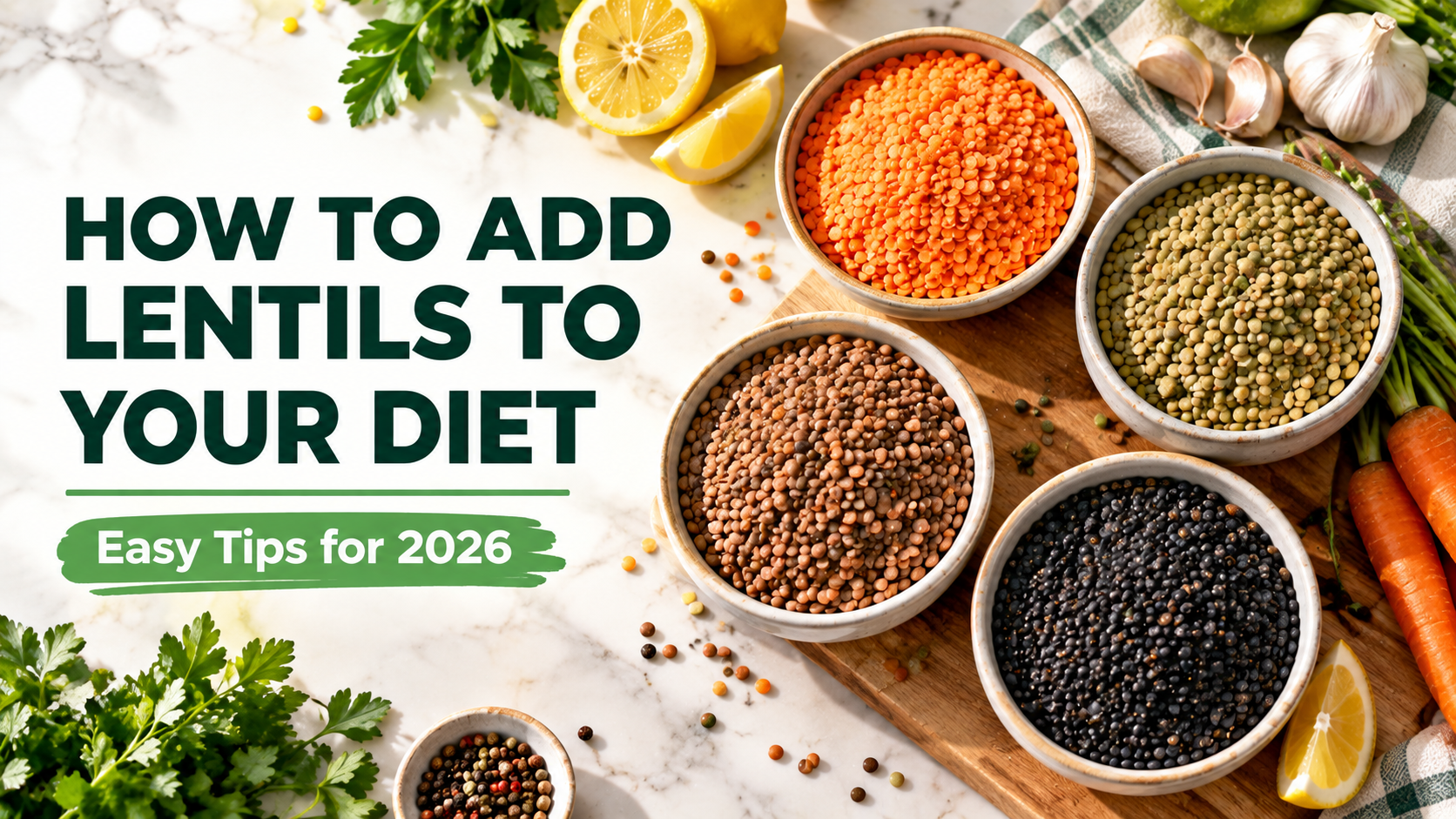
Beyond nutrition, lentils are incredibly affordable, easy to store, and quick to cook compared to other legumes like beans. They also come in many varieties, including brown, green, red, yellow, black, and French lentils, each with its own flavor and texture.
If you're looking to boost your protein, support digestion, stabilize blood sugar, or just eat healthier without spending a fortune, lentils are a smart choice.
Simple Ways to Start Eating Lentils
If you're new to lentils, the key is to start small and build up gradually. You don't have to overhaul your entire diet. Instead, just add lentils to meals you already love.
Here are some easy ways to begin:
- Toss cooked lentils into salads for extra protein and texture.
- Stir them into soups and stews as a thickener or main ingredient.
- Mix lentils into rice or quinoa for a more filling side dish.
- Add them to pasta sauce for a hidden boost of nutrition.
- Use lentils as a base for veggie burgers or meatballs.
Start with half a cup and see how your body responds. Lentils are high in fiber, so going slow helps prevent bloating or digestive discomfort.
Best Types of Lentils for Beginners
Not all lentils behave the same way. Here's a quick breakdown to help you choose the right one for your kitchen.
- Brown lentils: These are the most common. They hold their shape well and are great for soups, stews, and salads.
- Green lentils: Slightly peppery flavor. They stay firm after cooking, making them perfect for side dishes or grain bowls.
- Red or yellow lentils: These cook down quickly and become soft and creamy. They're ideal for curries, soups, and Indian-style dals.
- Black lentils: Earthy and rich. They're wonderful in Tex-Mex dishes or hearty salads.
- French (Puy) lentils: Small and firm, with a delicate flavor. They're great in warm salads or as a side for roasted vegetables.
If you're just starting out, brown or green lentils are the easiest to find and the most forgiving for beginners.

How to Cook Lentils Perfectly Every Time
Cooking lentils is actually much easier than most people think. You don't need to soak them overnight like dried beans. Just rinse them, simmer them, and you're done.
Here's a foolproof method:
- Rinse 1 cup of dried lentils under cold water.
- Add them to a pot with 3 cups of water or broth.
- Bring to a boil, then reduce heat and simmer uncovered.
- Cook for 15 to 25 minutes, depending on the type.
- Add a pinch of salt near the end of cooking.
- Drain any excess water and use in your favorite recipes.
A bay leaf, garlic clove, or sprig of thyme can add extra flavor while cooking. For extra creaminess in soups, cook lentils longer until they break down.
If you prefer convenience, canned lentils are a great shortcut. Just rinse them well and toss them into any dish.
Creative Lentil Recipes to Try This Week
Once you've got the basics down, it's fun to get creative. Lentils are incredibly flexible, and they soak up whatever spices or flavors you add.
Here are some tried-and-true ideas:
- Lentil soup with carrots, celery, and tomato.
- Curried red lentils with coconut milk and ginger.
- Lentil tacos seasoned with cumin, chili powder, and lime.
- Mediterranean lentil salad with feta, cucumber, and lemon.
- Lentil shepherd's pie with a mashed potato topping.
I've personally found that lentil tacos are a game-changer for picky eaters. The texture is similar to ground beef, and the seasoning does all the work. Even kids tend to love them.

Tips for Making Lentils Taste Amazing
If you've had lentils before and thought they tasted bland, it's usually just a seasoning issue. Lentils are like a blank canvas, so bold spices, herbs, and aromatics make all the difference.
Here are a few flavor-boosting tips:
- Cook lentils in broth instead of water.
- Add garlic, onion, ginger, or shallots while cooking.
- Squeeze fresh lemon juice over finished lentils.
- Stir in fresh herbs like parsley, cilantro, or dill.
- Finish with olive oil, butter, or tahini for richness.
A splash of vinegar or a squeeze of citrus at the end of cooking can really brighten up the flavor. It's one of my favorite tricks.
Common Mistakes to Avoid When Cooking Lentils
Even though lentils are simple to prepare, there are a few pitfalls to watch out for.
- Adding salt too early: This can make lentils tough. Always salt near the end.
- Overcooking: Red and yellow lentils can turn mushy fast. Keep an eye on them.
- Skipping the rinse: Unrinsed lentils can have debris or starch that affects texture.
- Ignoring the variety: Different lentils cook at different rates. Always check the package.
- Not seasoning enough: Lentils need flavor. Plain lentils will taste flat every time.
I've made all these mistakes myself, especially the over-salting issue. Once you learn the basics, though, lentils become second nature.
Health Benefits of Eating Lentils Regularly
Lentils aren't just filling. They offer a wide range of health benefits that make them worth adding to your weekly menu.
Here are some of the top benefits supported by research:
- Heart health: Lentils are rich in fiber, potassium, and folate, which support healthy blood pressure and cholesterol levels.
- Blood sugar control: Their low glycemic index helps keep blood sugar stable, which is great for energy and focus.
- Weight management: The high protein and fiber content keeps you full longer, which may help with natural weight control.
- Digestive health: Lentils feed the good bacteria in your gut and support regular digestion.
- Plant-based nutrition: They're one of the best meat alternatives for plant-based eaters.
Eating lentils a few times a week can be a simple, affordable way to support long-term health.

How Often Should You Eat Lentils?
There's no strict rule, but most nutrition experts recommend eating legumes like lentils at least 2 to 3 times per week. If you're new to high-fiber foods, start with once a week and gradually increase.
A serving size is typically about half a cup of cooked lentils, which gives you a solid dose of protein and fiber without overdoing it. Listen to your body and adjust based on how you feel.
Lentils on a Budget: Why They're a Smart Buy
Lentils are one of the most affordable protein sources you can buy. A pound of dried lentils usually costs less than a few dollars and yields many servings. They're also shelf-stable, so you can keep them in your pantry for months without worry.
If you're trying to eat healthy on a tight budget, lentils are a lifesaver. Pair them with rice, canned tomatoes, frozen vegetables, and simple spices, and you've got dozens of inexpensive, filling meals.
Storing and Reusing Cooked Lentils
Once you cook a batch of lentils, you can store them easily for later meals.
- Refrigerate cooked lentils in an airtight container for up to 5 days.
- Freeze cooked lentils in portions for up to 3 months.
- Reheat them in soups, stews, or stir-fries.
- Toss cold lentils into grain bowls or wraps for quick lunches.
Cooking a big batch on Sunday and using them throughout the week is one of the easiest meal-prep habits I've ever built. It saves so much time and makes healthy eating almost effortless.
Frequently Asked Questions
How long does it take to cook lentils?
Most lentils take 15 to 25 minutes to cook, depending on the variety. Red and yellow lentils cook the fastest, while green and black lentils take a little longer.
Do I need to soak lentils before cooking?
No soaking is needed for lentils. Just rinse them and they're ready to cook. This makes them much faster than beans.
Are canned lentils as healthy as dried?
Yes, canned lentils are just as nutritious. Just look for low-sodium options and rinse them well to remove any excess salt.
Can I eat lentils every day?
You can, as long as your body tolerates them well. Eating lentils daily can be a great way to boost fiber and protein, but start slowly if you're not used to high-fiber foods.
Do lentils cause gas or bloating?
They can, especially if you eat a large amount right away. Start with small portions and increase gradually to let your digestive system adjust.
Final Thoughts
Adding lentils to your diet doesn't have to be complicated. With just a few simple swaps and some basic recipes, you can enjoy all the flavor, nutrition, and affordability they offer. Whether you're tossing them into a salad, simmering them into soup, or using them as a meat substitute in tacos, lentils are one of the easiest foods to love. Start small, experiment with flavors, and you'll soon wonder how you ever cooked without them. Give lentils a try this week and see how quickly they become a regular part of your routine.