How Much Sugar On A Keto Diet: The 2026 Guide
On a keto diet, most people aim to keep total sugar intake under 5 grams per day, with total carbs limited to about 20–50 grams daily to maintain ketosis.
If you've ever stood in a grocery aisle staring at a nutrition label, wondering if that tiny sugar amount is going to kick you out of ketosis, you're not alone. I've been there, label in hand, mentally calculating every gram. The keto diet isn't just about cutting bread and pasta, it's about understanding how sugar sneaks into almost everything, even the foods marketed as "healthy." After years of guiding clients and personally living the keto lifestyle, I've learned that the sugar question is more about total carbs, hidden sugars, and personal tolerance than a single magic number. Let me walk you through exactly how much sugar you can have on keto, why it matters, and how to make it work for your body without the guesswork.
Why Sugar Matters So Much on Keto
Sugar is a carbohydrate, and carbohydrates are the one macro nutrient keto dieters track the most carefully. When you eat sugar, your body breaks it down into glucose, which raises blood sugar and triggers an insulin response. That insulin response is what flips your body out of fat-burning mode and back into sugar-burning mode, essentially pausing the very metabolic state you're working so hard to achieve.
The ketogenic diet works by shifting your body into a state called ketosis, where it burns fat for fuel instead of glucose. To stay in ketosis, you need to keep carb intake low enough that your body doesn't have easy glucose to use. This is why sugar, especially added sugar, becomes public enemy number one.
From my own experience coaching beginners, the biggest mistake I see is people thinking they only need to avoid obvious sugar like candy and soda. They forget about the sugar hiding in sauces, dressings, yogurts, protein bars, and even "sugar-free" products that use sugar alcohols. Sugar alcohols are a gray area, some affect blood sugar minimally, but others can still spike insulin and pull you out of ketosis if you overdo them.
How Much Sugar Can You Eat Per Day on Keto?
The short answer: as little as possible, ideally under 5 grams of added sugar per day.
Here's the breakdown of how keto experts and most people following the diet approach daily carb limits:
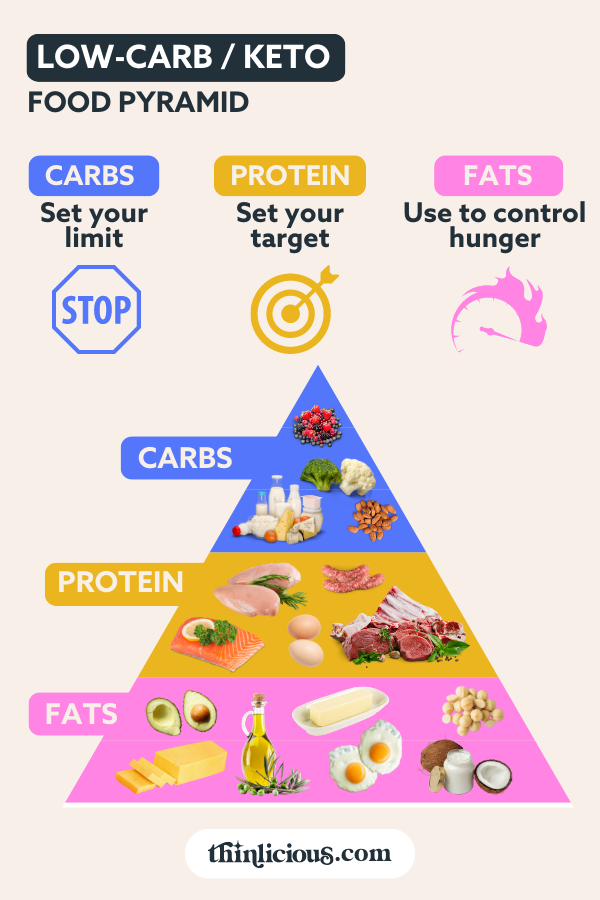
- Total daily carbs: 20–50 grams (most people stay around 20–30 grams for steady ketosis)
- Net carbs: Total carbs minus fiber and sugar alcohols (this is the number most people track)
- Added sugar: Ideally 0–5 grams, though some people tolerate up to 10 grams if their total carbs stay in range
Net carbs are what matter most. If a food has 10 grams of total carbs but 8 grams of fiber, your net impact is only 2 grams. That's why non-starchy vegetables, which are high in fiber, are keto staples, they fill you up without blowing your carb budget.
I always tell my clients to treat sugar as a budget item. You have a daily allowance of about 20–30 grams of total carbs. Every gram of sugar you eat uses up part of that budget. Spend it on something worth it, like a few berries, not on hidden sugar in your ketchup.
Natural Sugar vs. Added Sugar on Keto
Not all sugar behaves the same way in a keto lifestyle. Natural sugars come packaged with fiber, water, and nutrients in whole foods like vegetables, dairy, and fruit. Added sugar is the refined stuff manufacturers pour into processed foods to make them taste better.
Here's the difference:
- Natural sugar in whole foods: Comes with fiber that slows absorption, making blood sugar impact lower
- Added sugar in processed foods: Hits your bloodstream fast, spikes insulin, and offers no nutritional payoff
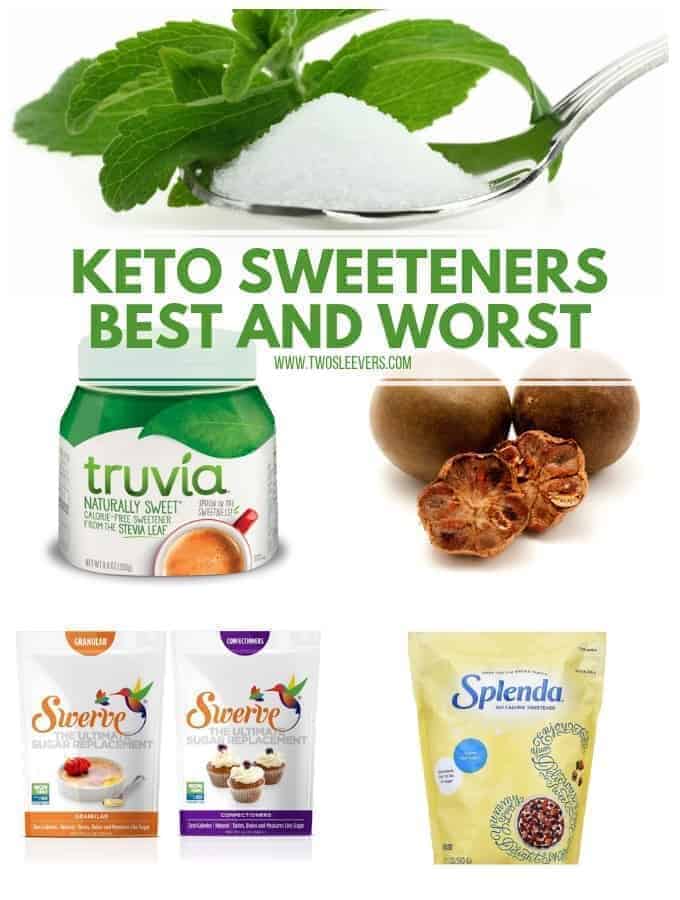
- Sugar alcohols (erythritol, xylitol, monk fruit): Often used in keto products, usually don't spike blood sugar significantly
- Artificial sweeteners (sucralose, aspartame, stevia): Zero calories, minimal blood sugar impact, though some people prefer to react to them
From practical experience, I've found that whole-food sugars are far easier to manage. A handful of raspberries has natural sugar but also enough fiber to keep your blood sugar stable. A sugar-free chocolate bar sweetened with maltitol might say "net zero carbs" on the label, but I've watched people get kicked out of ketosis because their bodies still reacted to it.
The takeaway: focus on whole-food carbs first, and treat anything processed as a potential saboteur.
Hidden Sugar Sources That Trip People Up
This is where even experienced keto dieters get burned. Sugar hides in places you'd never expect.
Common hidden sugar culprits:
- Condiments: Ketchup, BBQ sauce, teriyaki sauce, honey mustard
- Salad dressings: Most bottled dressings contain added sugar
- Yogurt: Flavored yogurts can pack 15+ grams of sugar per serving
- Protein bars and shakes: Often loaded with sugar alcohols or hidden sugars
- "Sugar-free" desserts: May use ingredients that still affect blood sugar
- Smoothies and juices: Even fresh-squeezed orange juice is high in natural sugar
- Granola and "healthy" cereals: Usually sugar bombs in disguise
I learned this the hard way in my first month of keto. I was eating grilled chicken and broccoli, feeling great, then realized my "sugar-free" BBQ sauce had 6 grams of sugar per tablespoon. Two tablespoons and I'd burned through a quarter of my daily carb budget without even realizing it.
Always read labels. If sugar is one of the first three ingredients, put it back on the shelf.
How to Track Sugar on Keto Successfully
Tracking doesn't have to feel obsessive. After a few weeks, you'll start to memorize the carb counts of your go-to meals. But in the beginning, a food tracking app is your best friend.
Practical tracking tips:
- Log everything for at least the first month, including drinks, sauces, and bites of food
- Focus on net carbs, not total carbs, for easier math
- Weigh or measure high-risk foods like nuts, cheese, and berries
- Check labels every time, formulations get updated without warning
- Use a kitchen scale to avoid portion creep
I personally use a simple rule: if I can't track it accurately, I don't eat it. Restaurant meals, unless they're plain grilled protein and vegetables, often contain hidden sugars in marinades, oils, and sauces.
Sugar Alcohols and Keto: Friend or Foe?
Sugar alcohols are a keto gray area. Some are great, some are not.
Generally safe sugar alcohols:
- Erythritol: Nearly zero blood sugar impact, well-tolerated by most
- Monk fruit extract: Natural, zero glycemic impact
- Stevia: Plant-based, minimal blood sugar effect
- Allulose: Rare sugar that's not metabolized like regular sugar
Use with caution:
- Xylitol: Low glycemic, but can cause digestive upset in large amounts
- Maltitol: Higher glycemic impact, can spike blood sugar in sensitive people
- Sorbitol: May cause GI issues and still affects blood sugar
I always tell my clients to test sugar alcohols one at a time. Start with a small amount, see how your body reacts, and pay attention to whether you stay in ketosis. Some people do fine with erythritol, others find even small amounts stall their progress.
How Sugar Affects Ketosis and Fat Burning
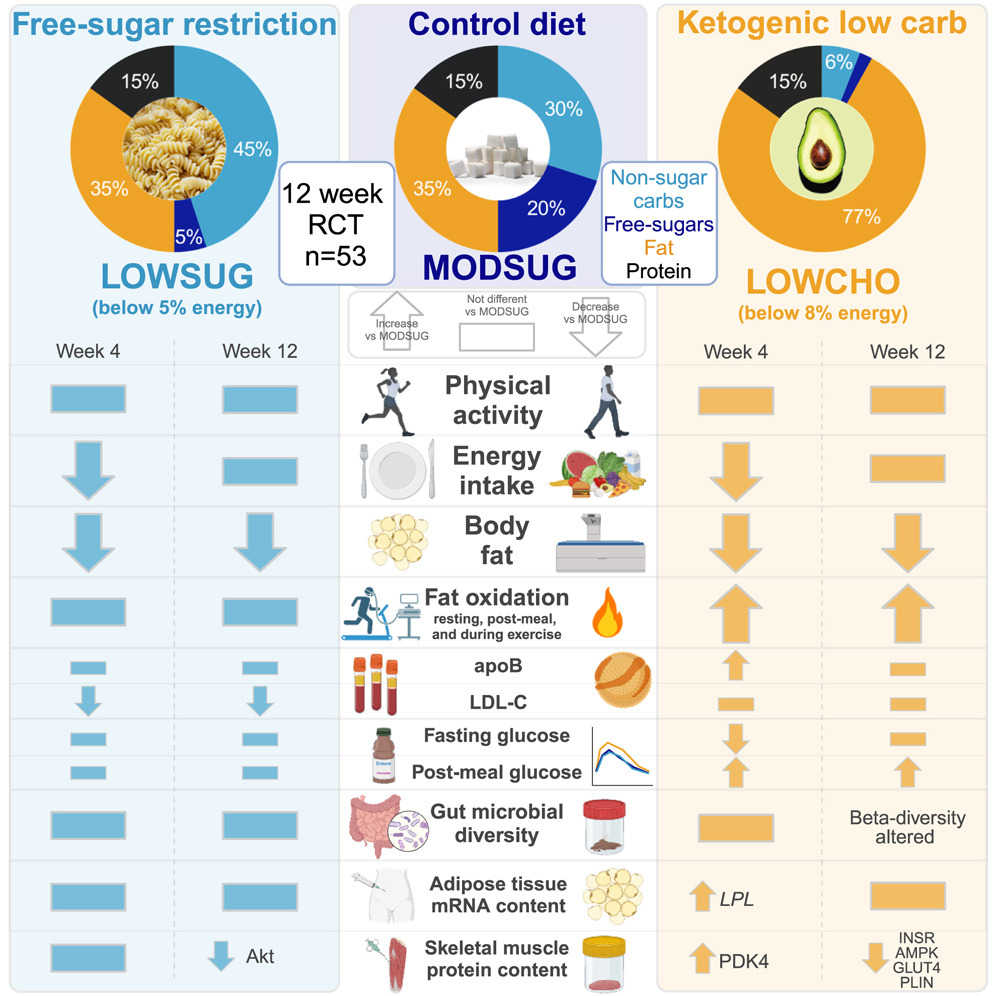
The science is clear: sugar spikes insulin, and insulin blocks fat burning. When insulin is elevated, your body cannot access stored fat for energy. It will preferentially burn the incoming glucose first.
This is why even a small sugar binge can pause ketosis. Your body switches back to glucose metabolism, ketones drop, and you might experience the dreaded "keto flu" symptoms as your body readjusts.
From personal observation, the people who get the best results on keto are the ones who keep their sugar intake consistently low. Occasional small treats are fine for most people, but frequent sugar spikes make it nearly impossible to stay in deep ketosis.
Personal Tips From Years of Keto Living
After helping hundreds of clients and living this lifestyle myself, here are the lessons that actually matter:
- Don't fear whole-food carbs: Avocados, spinach, broccoli, and berries are your friends
- Read every label: Sugar hides in places you wouldn't believe
- Cook at home when possible: Restaurant food is unpredictable
- Don't trust "keto" labels blindly: Marketing isn't regulation
- Listen to your body: Some people thrive at 30 grams of carbs, others need to stay closer to 20
- Be patient: It takes time to learn what works for your unique metabolism
I made every mistake in the book my first year. I ate too many nuts, trusted too many "keto-friendly" bars, and underestimated how much sugar was in my coffee creamer. The learning curve is real, but once you understand how your body responds to different sugars, it becomes second nature.
Sugar Substitutes That Actually Work on Keto
If you have a sweet tooth, you're not doomed to a life of plain food. Some sweeteners genuinely work without disrupting ketosis.
Best keto-friendly sweeteners:
- Stevia: Natural, zero calories, no blood sugar impact
- Erythritol: Tastes close to sugar, minimal digestive issues for most
- Monk fruit: Sweet without the crash, often blended with erythritol
- Allulose: Newer option that behaves more like real sugar in baking
Sweeteners to avoid or limit:
- Maltitol: Too high on the glycemic index
- Honey, maple syrup, agave: All still sugar, will spike blood sugar
- Coconut sugar: Slightly lower glycemic, but still counts as sugar
- Date sugar: Basically dried dates, high in carbs
I've baked with monk fruit and erythritol blends for years, and honestly, you can make incredible desserts that satisfy cravings without kicking you out of ketosis. The trick is using the right ratios and accepting that keto baked goods will never taste exactly like sugar-based ones, but they can still be delicious.
Common Mistakes to Avoid With Sugar on Keto
Even smart people make these errors. Learn from them so you don't have to.
- Mistake #1: Trusting "sugar-free" labels without checking ingredients
- Mistake #2: Eating too much fruit, even berries, in one sitting
- Mistake #3: Overloading on protein bars and shakes thinking they're safe
- Mistake #4: Ignoring sauces, dressings, and condiments
- Mistake #5: Cheating "just a little" too often
- Mistake #6: Not tracking drinks, including alcohol mixers and flavored coffee
- Mistake #7: Assuming "net carbs" means you can eat unlimited fiber
The most common one I see is people eating an entire pint of blackberries because "it's fruit." Yes, berries are keto-friendly in moderation, but a pint is way too much. Stick to a half cup serving.
Frequently Asked Questions
Can you have any sugar at all on keto?
Yes, but keep it minimal. Natural sugars in small amounts of whole foods like berries are fine. Added sugar should be close to zero, ideally under 5 grams per day, to stay safely in ketosis.
How much sugar will kick you out of ketosis?
For most people, even 20–30 grams of sugar can pause ketosis. The exact amount varies based on your metabolism, activity level, and how long you've been keto-adapted. Some people tolerate more, others get knocked out by a single cookie.
Are sugar alcohols allowed on keto?
Most sugar alcohols are allowed, but they affect everyone differently. Erythritol and monk fruit are safest. Maltitol and sorbitol are more likely to affect blood sugar and may stall progress.
How do I know if I'm in ketosis?
Common signs include reduced hunger, mental clarity, steady energy, and sometimes fruity-smelling breath. For accurate tracking, use blood ketone meters or urine strips, especially when testing new foods.
Is fruit sugar okay on keto?
Low-sugar fruits like berries, avocados, and olives are fine in moderation. Higher-sugar fruits like bananas, grapes, and mangoes are too high in carbs for most keto plans and should be avoided.
Final Thoughts
Figuring out how much sugar you can have on keto isn't about following a rigid rule, it's about understanding your body, reading labels, and making smart choices. Most people thrive on less than 5 grams of added sugar per day and 20–30 grams of total carbs. Whole-food sugars in vegetables and small portions of berries are not only safe, they're encouraged. Hidden sugars in processed foods are the real threat to your progress.
The best advice I can give is to keep it simple: cook whole foods, read every label, track your carbs for the first month, and pay attention to how your body responds. Keto is a tool, and sugar management is how you keep that tool working for you. Stay consistent, be patient with yourself, and remember that every label you read and every smart choice you make is building a healthier relationship with food. Drop a comment below with your biggest keto sugar struggle, I'd love to help you troubleshoot it.