Keto Diet How To Eat More Fat: Best Tips
Most people on keto need to eat more fat by adding butter, oils, cheese, and fatty cuts of meat to their meals. Let me share what I've learned after years of coaching people through the keto lifestyle, because getting enough fat is genuinely the trickiest part of the whole thing.
When I first started eating keto back in 2018, I made the classic mistake of loading up on protein and forgetting about fat entirely. I was tired, grumpy, and constantly hungry. Once I figured out how to actually eat more fat, everything changed. My energy shot up, the cravings disappeared, and I finally understood why people rave about this way of eating. The truth is, if you're not eating enough fat, you're not really doing keto. You're just eating a low-carb diet and wondering why you feel awful.

Understanding Why Fat Is the Star of Keto
Before we dive into the how, let's talk about the why. On a ketogenic diet, your body shifts from burning glucose for fuel to burning ketones, which come from fat. This metabolic switch is called ketosis, and it only happens when you keep your carbs very low (usually under 20 to 50 grams per day) and your fat intake high enough to become your primary energy source.
Think of it like this: your body is a hybrid car. Carbs are like gasoline, and fat is like electricity. On keto, you're basically unplugging the gas tank and running everything on the battery. But if the battery isn't charged, the car doesn't move. Fat is your charge.
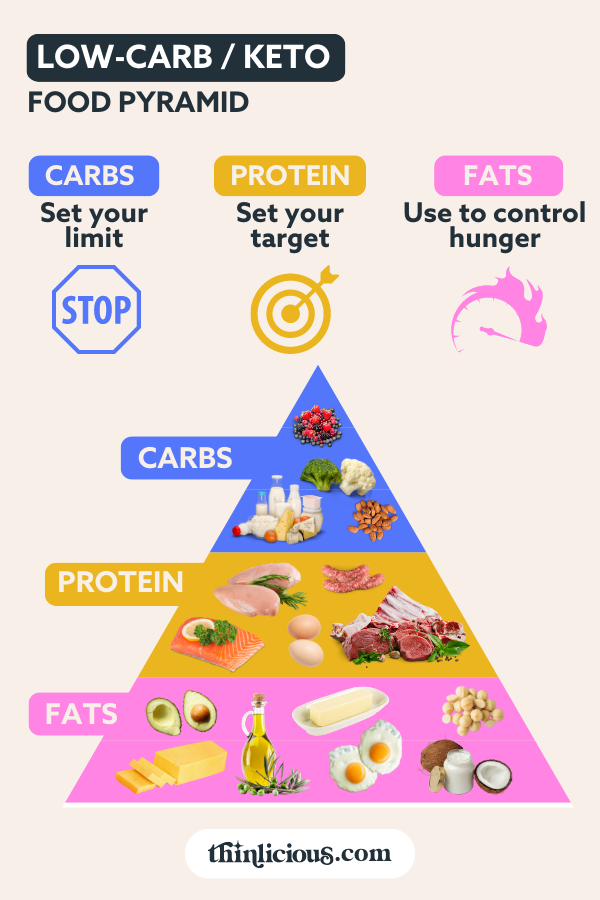
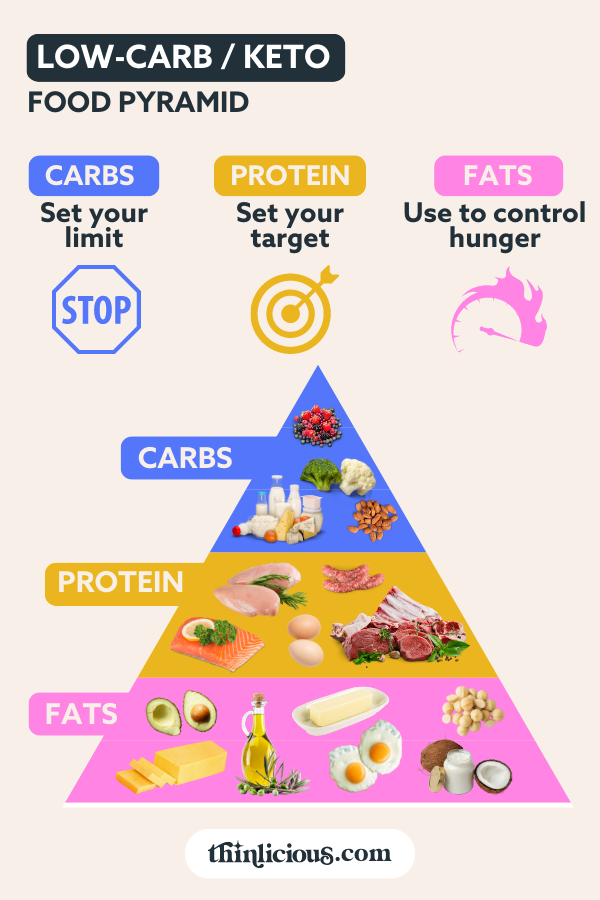
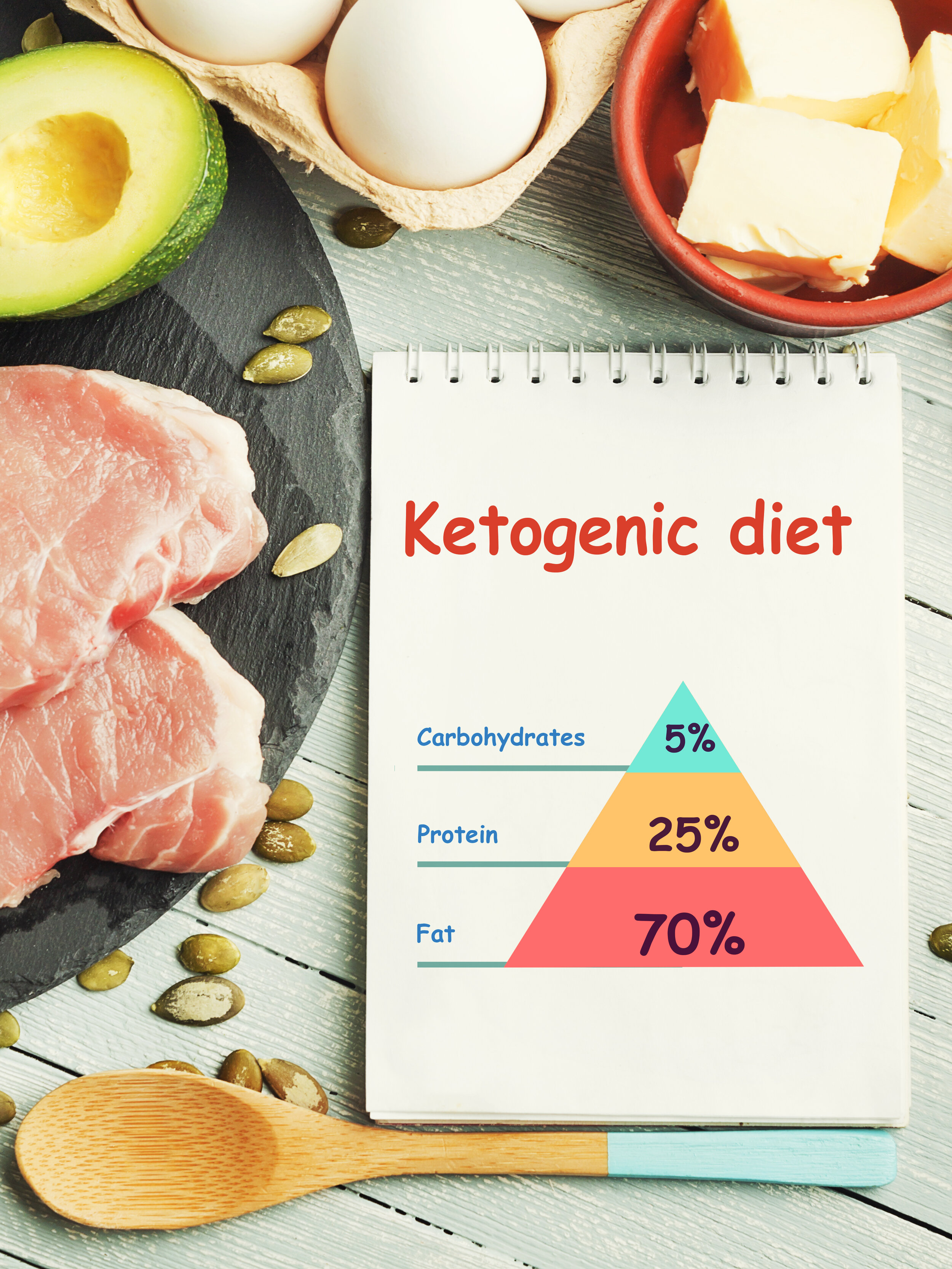
Most people aim for a macro split of around 70 to 75 percent fat, 20 to 25 percent protein, and 5 to 10 percent carbs. That means if you're eating 2,000 calories a day, roughly 1,400 to 1,500 of those calories should come from fat. That's a lot of fat, and it's not always easy to hit that number without feeling like you're forcing it.
Easy Ways to Add More Fat to Every Meal
Here's where the fun begins. After working with hundreds of keto dieters, I've found that the people who succeed are the ones who build fat into every single meal and snack. Here are the strategies that actually work in real life.
Cook with Fat-Rich Ingredients
One of the simplest tricks I share with everyone is to cook everything in fat. Instead of using a nonstick spray or cooking dry, use generous amounts of butter, ghee, coconut oil, or avocado oil. I personally keep a jar of grass-fed butter next to my stove and add a tablespoon to almost everything I cook, from eggs to vegetables to chicken.
A few specific ideas:
- Sauté your veggies in coconut oil or ghee instead of olive oil for a richer flavor.
- Fry eggs in butter and finish them with a sprinkle of cheese.
- Roast vegetables in avocado oil with a pinch of salt.
- Use bacon grease to cook your morning omelet and save the leftover grease for later.
Add High-Fat Toppings and Mix-Ins
This is probably the easiest way to boost fat without even thinking about it. Toppings are your best friend on keto.
- Sprinkle shredded cheese on top of everything, from soups to casseroles to steamed broccoli.
- Add sliced avocado or guacamole to your plate at every meal.
- Drizzle olive oil, MCT oil, or melted butter over cooked vegetables.
- Mix a tablespoon of cream cheese or sour cream into scrambled eggs.
- Top your salad with full-fat ranch, blue cheese, or homemade Caesar dressing.
Choose Fatty Cuts of Meat and Fish
Not all proteins are created equal on keto. A skinless chicken breast is fine, but it's pretty lean. If you want to hit your fat goals, choose fattier options whenever possible.
- Go for chicken thighs instead of breasts, and always eat the skin.
- Pick ribeye, chuck roast, or pork belly over lean sirloin.
- Choose wild-caught fatty fish like salmon, mackerel, sardines, and herring.
- Add ground beef that's at least 80/20 instead of 95/5.
- Try bacon, sausage, and other cured meats in moderation.
Embrace Full-Fat Dairy
Full-fat dairy is a keto goldmine. It tastes amazing and packs a serious fat punch. Many people overlook this category, but it's one of the fastest ways to add calories and fat to your day.
- Use heavy whipping cream in your coffee instead of milk or creamers.
- Eat full-fat Greek yogurt with a few berries for a quick snack.
- Snack on cheese cubes, string cheese, or cream cheese with celery.
- Make a high-fat smoothie with cream, avocado, and a scoop of protein powder.
- Use cream cheese as a base for dips and spreads.
Sneak Fat Into Snacks and Drinks
Sometimes meals just aren't enough to hit your fat macros. That's where snacks and drinks come in. I've found that having a few go-to fat bombs and fat-rich drinks on hand makes a huge difference.
- Blend a "fat coffee" with coffee, butter, MCT oil, and a splash of heavy cream.
- Make a cup of bone broth with a tablespoon of butter stirred in.
- Snack on a handful of macadamia nuts, pecans, or walnuts.
- Try fat bombs made with coconut butter, cream cheese, and dark chocolate.
- Drink a glass of unsweetened almond milk blended with avocado and a touch of stevia.
Best High-Fat Foods to Stock in Your Kitchen
Stocking the right foods is half the battle. If your kitchen is full of lean proteins and low-fat products, you're going to struggle. Here's a list of the best fat sources I recommend keeping on hand at all times.
- Avocados and avocado oil
- Butter and grass-fed ghee
- Coconut oil and MCT oil
- Olive oil and olives
- Heavy whipping cream
- Cream cheese and sour cream
- Full-fat cheese like cheddar, parmesan, brie, and gouda
- Fatty fish like salmon and sardines
- Bacon and pork belly
- Eggs with yolks
- Nuts like macadamias, pecans, and walnuts
- Seeds like chia, flax, and hemp
Common Mistakes People Make When Trying to Eat More Fat
I've made some of these mistakes myself, and I've watched countless others make them too. Knowing what to avoid can save you a lot of frustration.
- Eating too much protein and not enough fat. This is the most common mistake, and it can actually kick you out of ketosis. Remember, protein is a goal, but fat is your lever.
- Choosing the wrong kinds of fat. Trans fats and highly processed seed oils can cause inflammation. Stick to natural fat sources like butter, olive oil, and coconut oil.
- Forgetting to count calories. Fat is calorie-dense, so it's easy to overdo it. Even on keto, eating way too many calories can stall your progress.
- Not drinking enough water. When you increase your fat intake, you also need to stay hydrated and make sure you're getting enough electrolytes.
- Relying on fat bombs and keto treats. These are fine in moderation, but they shouldn't be your main source of fat. Whole foods are always the best choice.
How to Track Your Fat Intake Effectively
If you're not measuring, you're guessing. And guessing usually leads to under-eating fat. I recommend using a tracking app like Cronometer or MyFitnessPal for at least the first few weeks. This helps you see exactly where your macros stand and where you need to adjust.
Here's a simple way to figure out your fat goal:
- Calculate your daily calorie target based on your goals (maintenance, loss, or gain).
- Multiply that number by 0.70 to 0.75 to get your fat calories.
- Divide that number by 9 to get the grams of fat you should eat each day.
For example, if you're eating 2,000 calories a day, you'd aim for around 155 to 165 grams of fat. That sounds like a lot, but once you start adding butter to your coffee and cheese to your vegetables, it adds up faster than you'd think.
How Long Does It Take to Adjust to Eating More Fat?
This is a question I get all the time, and the honest answer is that it depends. Some people adapt within a week or two, while others take a month or more. If you've spent years eating a low-fat diet, your taste buds and your stomach need time to adjust.
Here are a few tips to make the transition easier:
- Start slow. Add one extra source of fat to each meal and gradually increase.
- Pair fat with flavor. Use herbs, spices, and seasonings to make high-fat foods taste incredible.
- Eat smaller, more frequent meals if big high-fat meals make you feel too full.
- Listen to your body. If something doesn't sit well, try a different fat source.
The Role of Fat Quality on Keto
Not all fats are created equal. The type of fat you eat matters just as much as the amount. On keto, you want to focus on healthy, natural fats that support your overall health.
- Saturated fats from butter, coconut oil, and animal products are generally fine in moderation.
- Monounsaturated fats from olive oil, avocados, and nuts are great for heart health.
- Polyunsaturated fats from fatty fish and seeds are important, but balance is key.
- Avoid trans fats and processed vegetable oils like canola, soybean, and corn oil whenever possible.
When I switched to higher-quality fats like grass-fed butter and extra virgin olive oil, I noticed a real difference in how I felt. My digestion improved, my skin looked better, and I had more stable energy throughout the day.
Sample High-Fat Day of Keto Eating
Sometimes it helps to see what a full day of eating looks like in practice. Here's a sample day that hits around 160 grams of fat:
- Breakfast: Three eggs scrambled in butter with cheese, cooked in bacon grease, plus half an avocado.
- Lunch: A large salad with grilled chicken thighs, full-fat ranch dressing, olives, cheese, and a drizzle of olive oil.
- Snack: A handful of macadamia nuts and a piece of full-fat cheese.
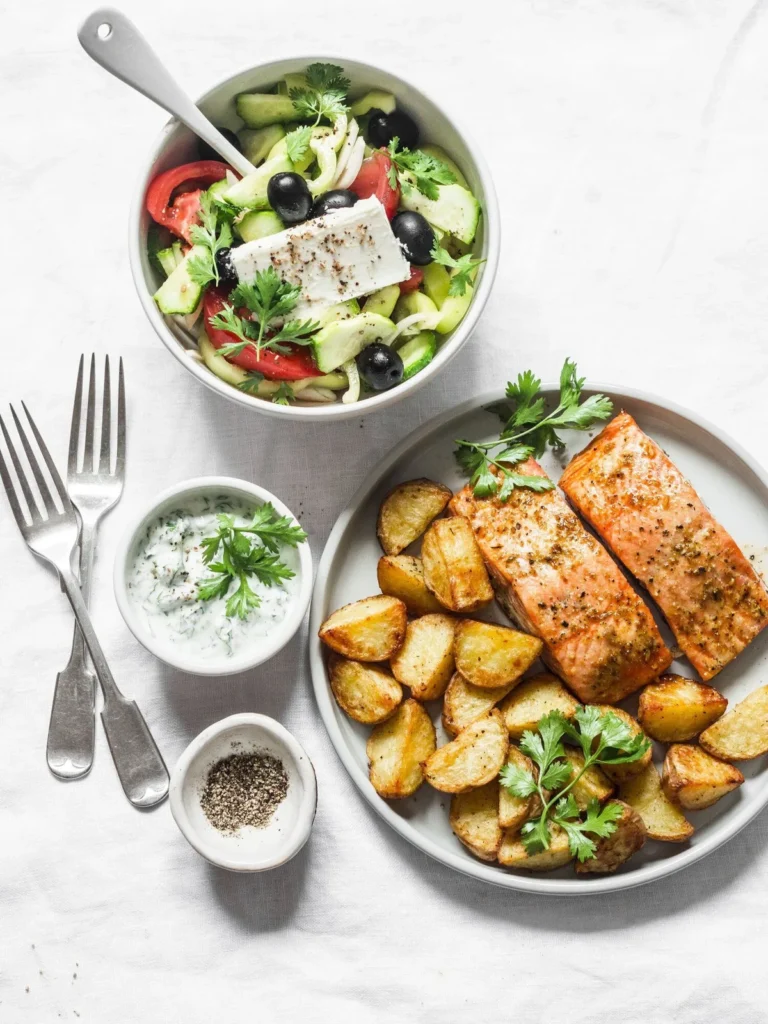
- Dinner: Baked salmon with a butter and herb sauce, roasted vegetables in avocado oil, and a side of cauliflower mash with cream.
- Dessert: A small fat bomb made with coconut butter and dark chocolate.
This kind of day keeps you full, satisfied, and right on track with your macros.
Frequently Asked Questions
How do I eat more fat without getting too full?
The trick is to spread your fat intake throughout the day rather than loading it all into one meal. Use fat-rich drinks like bulletproof coffee, add small amounts of fat to each snack, and choose calorie-dense options like nuts and cheese that don't take up much room in your stomach.
Is it possible to eat too much fat on keto?
Yes, it's absolutely possible. Even though fat is your main energy source on keto, eating way more than your body needs can lead to weight gain and digestive issues. Stick to your calculated macros and adjust based on your goals and how you feel.
What are the best fats for keto beginners?
Start with familiar options like butter, eggs, cheese, and avocado. These are easy to find, taste great, and are hard to overeat. As you get more comfortable, you can experiment with MCT oil, ghee, and coconut oil.
Can I eat too much saturated fat on keto?
This is a debated topic, and the research is mixed. Most evidence suggests that moderate amounts of saturated fat from whole food sources are fine for most people, but it's a good idea to include a variety of fat sources and not rely solely on saturated fat.
Do I need to count fat grams on keto?
In the beginning, yes. Tracking helps you understand portion sizes and macro ratios. Once you get a feel for what a high-fat meal looks like, you can transition to intuitive eating, but most people benefit from tracking for at least a few weeks.
Wrapping It All Up
Eating more fat on keto doesn't have to feel like a chore. Once you understand why it matters and how to build it into your daily routine, it becomes second nature. Focus on whole food fat sources, cook with butter and oils, choose fattier cuts of meat, and don't be afraid to add cheese to everything. Track your macros for a few weeks, listen to your body, and make adjustments as you go.
The keto diet is one of the most effective ways to retrain your metabolism, but only if you give your body the fuel it needs to run on fat. Start small, stay consistent, and remember that fat is your friend on this journey. If you found this helpful, drop a comment below with your favorite high-fat keto meal, and feel free to share this with anyone who's struggling to hit their macros.