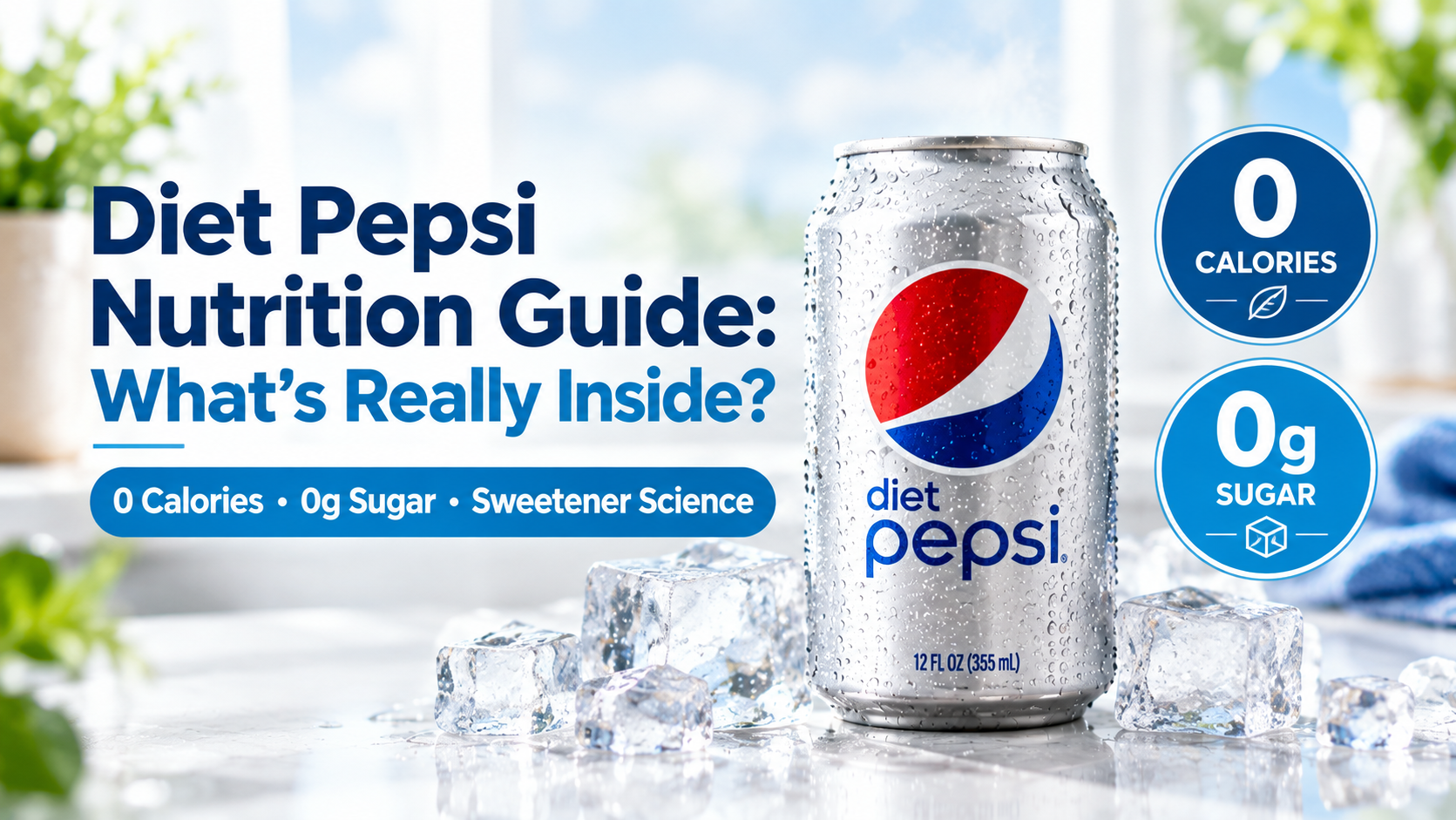
How Many Calories Are In A Diet Pepsi: Full Nutrition Guide
A 12-ounce can of Diet Pepsi contains 0 calories, making it one of the most popular zero-calorie sodas on the market. If you've ever cracked open a cold can while watching your waistline, you're not alone — millions of people reach for Diet Pepsi every day thinking it's the guilt-free alternative to regular soda. But here's the thing: understanding what's actually in that can goes way beyond just the calorie count on the label.
I remember my first time seriously tracking calories during a cut a few years back. I was being super strict about everything I ate, but then I'd sip on a Diet Pepsi throughout the day thinking it was "free." Turns out, the story behind those zero calories is way more interesting — and a bit more complicated — than most people realize. The calories in Diet Pepsi aren't just zero by magic. There's actual science, food chemistry, and decades of research behind why this drink has no caloric impact on your body.
In this guide, I'm breaking down everything you need to know about the calories in Diet Pepsi. We'll look at the exact nutrition facts, compare it to other sodas, talk about what those artificial sweeteners actually do in your body, and answer the questions you've probably been typing into Google late at night. Whether you're counting macros, managing diabetes, or just curious about what you're drinking, this article has you covered.
Diet Pepsi Nutrition Facts at a Glance
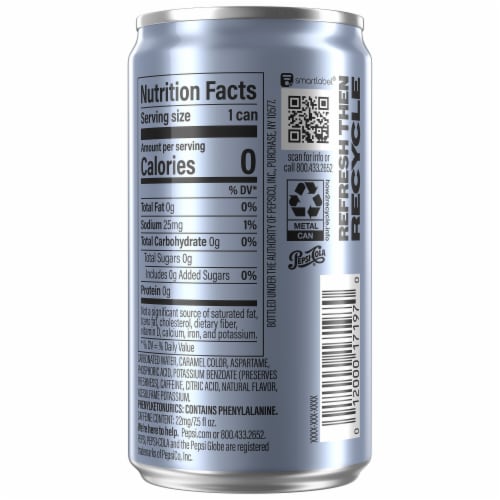
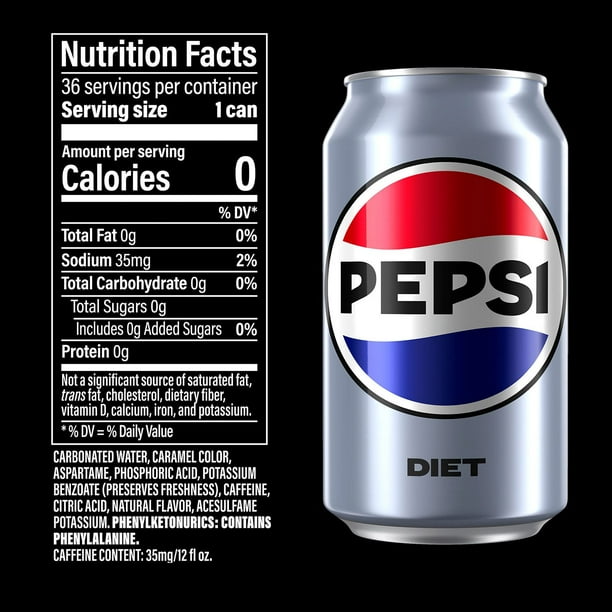
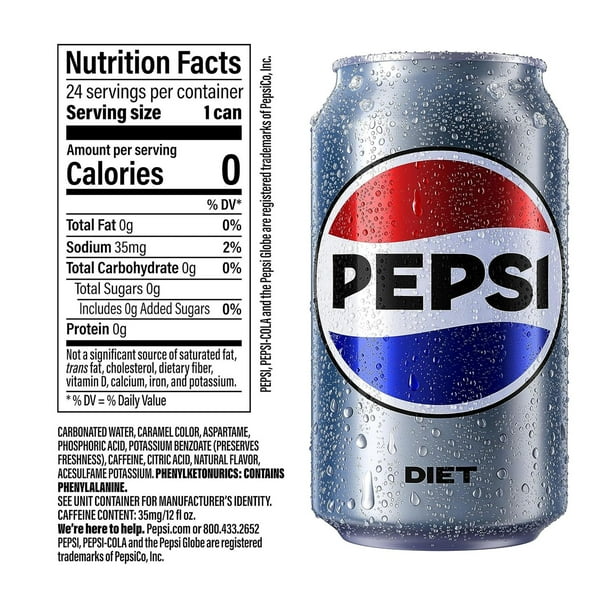
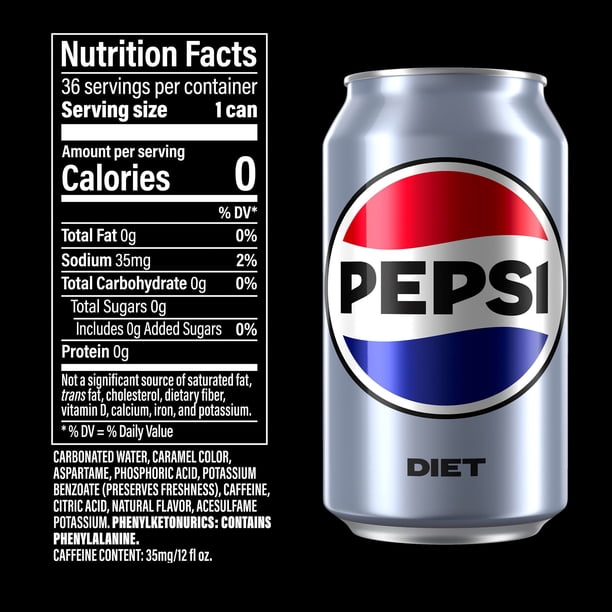
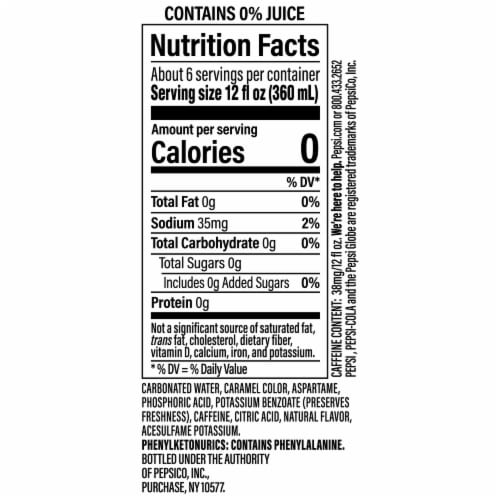
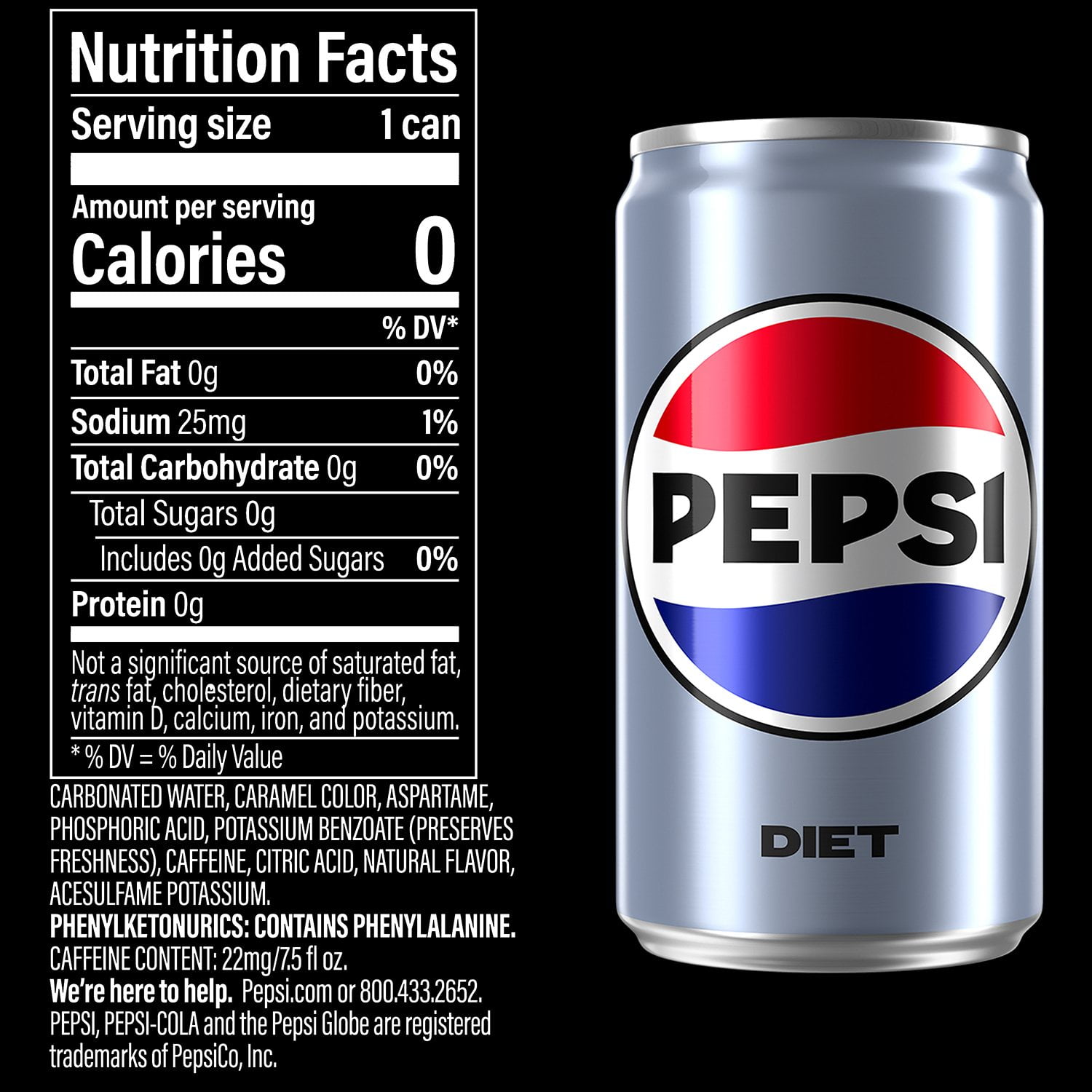
Let's get the basics out of the way first. When you look at a standard 12-fluid-ounce can of Diet Pepsi, here's what you'll find on the nutrition label:
- Calories: 0
- Total Fat: 0g
- Sodium: 35mg
- Total Carbohydrates: 0g
- Sugars: 0g
- Protein: 0g
That's pretty much it. Zero calories, zero sugar, zero fat, and zero carbs. The only thing with any measurable amount is sodium, and even that is relatively low at 35 milligrams per can.
Now, you might be wondering how a drink can taste sweet and refreshing yet have absolutely no calories. The answer lies in artificial sweeteners. Diet Pepsi uses aspartame as its primary sweetening agent, which is roughly 200 times sweeter than regular table sugar. Because it's so intensely sweet, only a tiny amount is needed to give Diet Pepsi its signature taste, which is why the calorie contribution rounds down to zero on the nutrition label.
In the United States, the FDA allows food manufacturers to label products as "zero calories" if they contain fewer than 5 calories per serving. Diet Pepsi falls well below that threshold, so the 0-calorie claim is completely accurate and regulated.
How Many Calories in Different Diet Pepsi Serving Sizes
The standard 12-ounce can might be what most people think of, but Diet Pepsi comes in plenty of other sizes, and the calorie count stays the same across all of them.
Here's a quick breakdown of common Diet Pepsi serving sizes and their calorie content:
- 8 fl oz (small can): 0 calories
– 12 fl oz (standard can): 0 calories - 16 fl oz (small fountain): 0 calories
- 20 fl oz (bottle): 0 calories
- 1 liter (33.8 fl oz): 0 calories
- 2 liters (67.6 fl oz): 0 calories
No matter how much Diet Pepsi you pour, the calorie count remains zero. This is because the sweetness comes from aspartame, which is used in such minuscule quantities that even a massive 2-liter bottle contributes virtually nothing in terms of caloric load.
If you're drinking Diet Pepsi from a fountain at a fast-food restaurant, the same rule applies. A medium fountain drink of around 22 ounces still contains 0 calories. The only time this might change is if you mix it with something else, like adding cream or regular sugar-based syrups.
Diet Pepsi vs Regular Pepsi: A Calorie Comparison
This is where things get really interesting, and where most people start to understand why Diet Pepsi became so popular in the first place.
A 12-ounce can of regular Pepsi contains around 150 calories and a whopping 41 grams of sugar. That's roughly 10 teaspoons of sugar in a single can. Compare that to Diet Pepsi's 0 calories and 0 grams of sugar, and the difference is staggering.
Here's a side-by-side look:
- Regular Pepsi (12 oz): 150 calories, 41g sugar
- Diet Pepsi (12 oz): 0 calories, 0g sugar
- Pepsi Zero Sugar (12 oz): 0 calories, 0g sugar
The switch from regular to diet saves you 150 calories per can. If you're drinking two cans a day, that's 1,050 calories saved per week, or roughly 54,600 calories per year. In theory, that calorie deficit could translate to about 15 pounds of weight loss over a year, though the real-world impact isn't quite that straightforward.
Pepsi Zero Sugar is essentially a slightly different version of Diet Pepsi with a tweaked flavor profile that aims to taste closer to original Pepsi. Both contain zero calories, but Pepsi Zero uses a blend of aspartame and acesulfame potassium, while classic Diet Pepsi primarily relies on aspartame alone.

What Artificial Sweeteners Are in Diet Pepsi?
The reason Diet Pepsi has zero calories comes down to one key ingredient: aspartame. But understanding aspartame means understanding a bit about how sweeteners work in your body.
Aspartame is made from two amino acids: phenylalanine and aspartic acid. When you consume it, your body breaks it down into these components, just like it would with any protein. However, because the amount used in a can of Diet Pepsi is so incredibly small, the caloric contribution is negligible.
Here's a list of sweeteners commonly used in Diet Pepsi and other diet sodas:
- Aspartame: 200 times sweeter than sugar
- Acesulfame Potassium (Ace-K): 200 times sweeter than sugar
- Sucralose: 600 times sweeter than sugar
- Steviol Glycosides: 200-300 times sweeter than sugar
Aspartame has been studied extensively since the 1970s, and major health organizations around the world have declared it safe for the general population. That said, people with a rare genetic disorder called phenylketonuria (PKU) need to avoid aspartame because their bodies can't process phenylalanine properly. You'll notice Diet Pepsi cans carry a warning label about this.
In my own experience, I've found that most people who are wary of diet sodas tend to worry about artificial sweeteners more than they worry about the actual calorie count. It's worth knowing that decades of research have not found a direct link between aspartame at normal consumption levels and serious health issues in healthy adults.
Does Diet Pepsi Actually Help With Weight Loss?
This is one of the most debated topics in nutrition, and the answer isn't as simple as "yes" or "no."
On paper, replacing regular soda with Diet Pepsi should help with weight loss because you're cutting out a significant source of empty calories. Studies have shown that people who switch from sugar-sweetened beverages to diet sodas often see modest weight loss results.
However, some research suggests that artificial sweeteners might affect appetite regulation, gut bacteria, and insulin response in ways that aren't fully understood. Some people experience increased cravings for sweet foods after consuming diet sodas, which can lead to overeating elsewhere.
The honest answer is that Diet Pepsi can be a useful tool for reducing calorie intake, but it shouldn't be the only strategy. Pairing it with a balanced diet, regular exercise, and good sleep will always outperform any single dietary change.
Think of Diet Pepsi as a stepping stone rather than a magic solution. If you're using it to replace high-calorie drinks, that's a win. Just don't assume you can drink unlimited amounts and the calories truly "don't count" in every sense of the word.
Common Misconceptions About Calories in Diet Pepsi
There are plenty of myths floating around about diet sodas, and some of them are surprisingly persistent. Let me clear up a few of the most common ones.
First, some people believe Diet Pepsi contains hidden calories that aren't listed on the label. This isn't true. The FDA strictly regulates nutrition labeling, and any product claiming zero calories must contain fewer than 5 calories per serving. Diet Pepsi genuinely has zero calories.
Another misconception is that the body stores aspartame as fat. Since aspartame is broken down into amino acids, it doesn't directly contribute to fat storage in any meaningful way.
Some folks also think that drinking Diet Pepsi will kick them out of ketosis or fasting. Technically, anything that triggers an insulin response could affect a fast, but most evidence suggests that pure diet sodas without calories don't significantly impact ketosis. That said, individual responses can vary.
Is Diet Pepsi Safe to Drink Every Day?
For most healthy adults, drinking Diet Pepsi in moderation is considered safe. The FDA has set an acceptable daily intake for aspartame at 50 milligrams per kilogram of body weight. For a 150-pound person, that's about 3,400 milligrams per day. A single can of Diet Pepsi contains around 180 milligrams of aspartame, well within safe limits.
That said, drinking 10 cans a day probably isn't the best idea, not because of toxicity, but because it reinforces a preference for very sweet tastes, which can make healthier foods like fruits and vegetables less appealing by comparison.
Moderation is always the key. One or two cans a day as part of a balanced lifestyle is generally fine for most people.
Frequently Asked Questions
Does Diet Pepsi have any calories at all?
Diet Pepsi contains fewer than 5 calories per serving, which the FDA allows to be rounded down to zero on nutrition labels. In practical terms, the caloric impact is essentially nothing.
How much sugar is in Diet Pepsi?
Diet Pepsi contains 0 grams of sugar. The sweetness comes entirely from artificial sweeteners like aspartame, not from any added sugars or natural sweeteners.
Is Diet Pepsi better for you than regular Pepsi?
From a calorie and sugar standpoint, yes. Diet Pepsi has zero calories and zero sugar, while regular Pepsi has 150 calories and 41 grams of sugar per 12-ounce can.
Can diabetics drink Diet Pepsi?
Most diabetics can safely drink Diet Pepsi because it doesn't contain sugar and has a minimal impact on blood glucose levels. However, it's always best to consult with a healthcare provider about individual dietary choices.
Will drinking Diet Pepsi make you gain weight?
Diet Pepsi itself doesn't contain calories, so it won't directly cause weight gain. However, some studies suggest artificial sweeteners might influence appetite and cravings in some people, which could lead to increased calorie consumption from other foods.
Is aspartame in Diet Pepsi harmful?
Decades of research have shown aspartame is safe for the general population at typical consumption levels. The only people who need to avoid it are those with the rare genetic disorder phenylketonuria (PKU).
Final Thoughts
So, how many calories are in a Diet Pepsi? Zero. None. Zilch. It's one of the most popular zero-calorie beverages in the world, and that claim is backed by solid science and FDA regulation.
But as we've covered, the story doesn't end with the calorie count. The artificial sweeteners that make Diet Pepsi possible have their own story, and the way they fit into your overall diet matters more than the zero on the label suggests.
If you're using Diet Pepsi to replace sugary drinks, you're making a smart move. If you're drinking it alongside a healthy lifestyle, there's no reason to stress. Just remember that no single food or drink makes or breaks your health goals. It's the overall pattern that counts.
Now I'd love to hear from you. Are you a Diet Pepsi regular, or are you still on the fence about diet sodas? Drop a comment below and let me know your thoughts, or share this article with someone who still thinks diet soda is a mystery.