How Much Caffeine In 12 Oz Diet Mountain Dew: Full Breakdown 2026
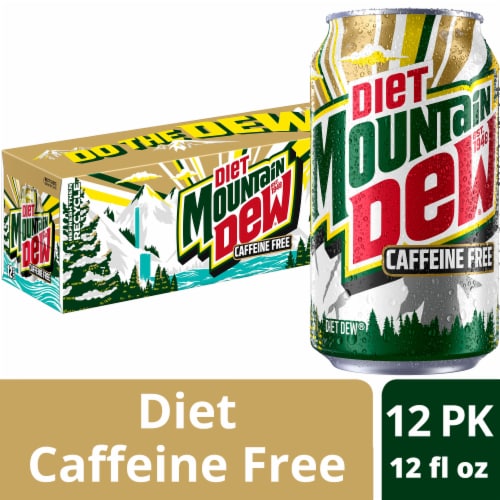
A standard 12 oz can of Diet Mountain Dew contains 54 mg of caffeine, making it one of the higher-caffeine diet sodas on the market. If you're watching your intake or just curious, that number puts it well ahead of Diet Coke and Diet Pepsi but still below a cup of coffee.
I've been tracking caffeine in sodas for years, partly out of habit and partly because people always ask me which drinks will give them a boost without the crash. Diet Mountain Dew is one of those drinks that surprises people. It tastes lighter than the regular version, but the caffeine hit is still very real. In this guide, I'll break down exactly how much caffeine is in a 12 oz can, how that compares to other drinks, and what it means for your daily routine.
Understanding the Caffeine Content in Diet Mountain Dew
Diet Mountain Dew holds a unique spot in the soda world. It's marketed as a lighter, zero-calorie alternative to the original Mountain Dew, but the caffeine punch remains strong. Most people expect diet sodas to be milder, and while the flavor profile is different, the caffeine content tells a different story.
The 54 mg of caffeine in a 12 oz serving comes from added caffeine rather than natural sources. Mountain Dew has always been known for higher caffeine levels compared to cola brands, and the diet version keeps that reputation alive. This makes it a go-to choice for people who want the citrusy taste without the sugar but still want that afternoon lift.
How 54 mg Compares to Other Popular Drinks
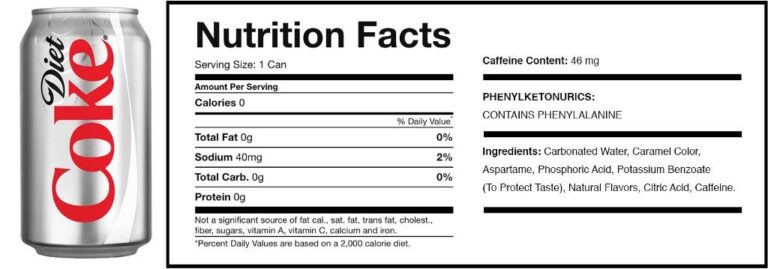
Putting that number in context helps a lot. A regular 12 oz Diet Coke has about 46 mg of caffeine, while Diet Pepsi sits around 34 mg. So Diet Mountain Dew edges out both of those by a noticeable margin. It's not a huge gap, but if you're someone who counts every milligram, it adds up over a few cans.
Here's a quick comparison of caffeine in common 12 oz servings:
- Diet Mountain Dew: 54 mg
- Diet Coke: 46 mg
- Diet Pepsi: 34 mg
- Coca-Cola Classic: 34 mg
- Pepsi: 38 mg
- Dr Pepper: 41 mg
Now, compare that to coffee. A typical 8 oz brewed coffee has around 80 to 100 mg of caffeine. So two cans of Diet Mountain Dew will put you roughly in the same range as a single cup of coffee. Energy drinks like Monster or Red Bull can pack 80 to 160 mg in a smaller serving, which is why they hit harder and faster.
Why Diet Mountain Dew Has So Much Caffeine
Mountain Dew was originally created in the 1940s as a mixer for whiskey, and its high caffeine content was part of its identity from the start. The brand has always targeted consumers who want a more energizing soda experience. When the diet version launched, it kept the same caffeine levels to maintain that signature edge.
The caffeine in Diet Mountain Dew is synthetic, meaning it's manufactured and added during production rather than extracted from coffee beans or tea leaves. This is standard for most sodas and allows manufacturers to control the exact amount in every batch. The FDA requires caffeine to be listed as an ingredient, and it is generally recognized as safe in moderate amounts.
The Role of Other Ingredients
Besides caffeine, Diet Mountain Dew contains other ingredients that can amplify its stimulating effects. One notable one is sodium benzoate, a preservative that some studies suggest can affect the body when combined with certain vitamins. There's also a significant amount of citric acid, which gives the drink its sharp, tangy taste.
The carbonation itself plays a role too. Fizzy drinks tend to feel more refreshing and can create a quicker sensation of alertness, even if the actual caffeine absorption rate is similar to non-carbonated beverages. Some people also find that the cold temperature of an iced soda gives them a quick mental boost on its own.
Is 54 mg of Caffeine a Lot?
Whether 54 mg is "a lot" really depends on your perspective and your daily habits. The FDA cites 400 mg per day as a generally safe amount for healthy adults. That means you could drink about seven 12 oz cans of Diet Mountain Dew before hitting that limit, though I wouldn't recommend it for other health reasons.
For most people, a single can is perfectly fine and falls well within safe consumption. If you're sensitive to caffeine, though, even 54 mg can cause jitters, a racing heart, or trouble sleeping. I learned this the hard way during college when I used to crack open a Diet Mountain Dew at 4 p.m. to get through a study session. By 11 p.m., I was still staring at the ceiling, wide awake and wondering why I couldn't settle down.
Children and pregnant women are typically advised to keep caffeine intake much lower. The American Academy of Pediatrics recommends that kids avoid caffeine altogether, and pregnant women are usually told to stay under 200 mg per day. For these groups, even one can of Diet Mountain Dew represents a significant portion of their recommended limit.
How Your Body Processes the Caffeine
When you drink a 12 oz can of Diet Mountain Dew, the caffeine hits your bloodstream pretty quickly. Most people feel the effects within 15 to 45 minutes, and the peak concentration usually happens around 30 to 60 minutes after consumption. The half-life of caffeine in adults is roughly 4 to 6 hours, meaning it takes that long for your body to eliminate half of what you consumed.
This is why timing matters so much. If you drink a can at 3 p.m., half of that caffeine is still circulating in your system at 9 p.m. For people who metabolize caffeine slowly, it can be even longer. Factors like age, liver function, medications, and even genetics can all influence how quickly your body clears caffeine from your system.
Health Considerations of Regular Diet Mountain Dew Consumption
Caffeine itself isn't bad in moderation, but drinking multiple cans of Diet Mountain Dew throughout the day can add up fast. Beyond the caffeine, there are other things to consider. The drink contains artificial sweeteners like aspartame, which some people prefer to avoid for personal or health reasons.
There's also the acidity factor. Like most sodas, Diet Mountain Dew has a low pH due to its citric acid content. Regular exposure can wear down tooth enamel over time, which is something I noticed in my own dental checkups after a few months of heavy soda drinking. My dentist wasn't thrilled, and honestly, I can't blame him.
The carbonation can also cause issues for people with acid reflux or sensitive stomachs. If you find that fizzy drinks bother your digestion, switching to plain water, herbal tea, or still beverages might be a better move.
Tips for Managing Your Intake
If you enjoy Diet Mountain Dew but want to keep your caffeine in check, here are a few strategies that have worked for me and others:
- Set a daily limit, such as one 12 oz can, and stick to it
- Switch to the diet version earlier in the day if you're a regular drinker
- Alternate with caffeine-free options like sparkling water or herbal tea
- Pay attention to how you feel after drinking it, especially your sleep quality
- If you're trying to cut back, reduce gradually rather than quitting cold turkey to avoid withdrawal headaches
I used to drink three or four cans a day during a particularly stressful work period, and the crash afterward was brutal. Cutting back to one can in the morning made a huge difference in my energy levels throughout the day. My body stopped relying on constant caffeine hits, and I felt more steady overall.
Diet Mountain Dew vs. Regular Mountain Dew Caffeine
One thing that often surprises people is that Diet Mountain Dew and regular Mountain Dew have very similar caffeine levels. A 12 oz can of regular Mountain Dew contains about 54 mg as well, which is essentially the same as the diet version. The main difference is sugar and calories, not caffeine.
This is actually intentional. The brand wanted to make sure that switching to the diet version didn't mean giving up the energy boost that loyal fans expected. So if you're choosing between the two based on caffeine alone, you're getting the same effect either way.
For comparison, here's how a few Mountain Dew varieties stack up in a 12 oz serving:
- Original Mountain Dew: 54 mg
- Diet Mountain Dew: 54 mg
- Mountain Dew Code Red: 54 mg
- Mountain Dew Voltage: 55 mg
- Mountain Dew Baja Blast: 54 mg
As you can see, the brand keeps things pretty consistent across its lineup. The flavor changes, but the caffeine stays in a tight range.

Who Should Be Cautious with Diet Mountain Dew
While 54 mg isn't extreme, certain groups should be more careful with their intake. People with anxiety disorders may find that caffeine worsens their symptoms, including racing thoughts and a rapid heartbeat. I've had friends who swore off all caffeinated sodas after their therapist pointed out the connection.
If you have a heart condition or high blood pressure, your doctor may have specific guidelines about caffeine consumption. The stimulant effect can temporarily raise blood pressure, which is usually mild but worth monitoring. People taking certain medications should also check with their pharmacist, as caffeine can interact with some prescriptions, including certain antidepressants and heart medications.
Sleep is another big one. If you're struggling with insomnia or poor sleep quality, cutting out afternoon and evening caffeine can be a game changer. I know from experience how stubborn caffeine insomnia can be. You lie there at midnight, frustrated, knowing exactly why you can't sleep but still tempted to reach for that cold can in the fridge the next day.
Practical Alternatives for an Energy Boost
If you're looking for a midday pick-me-up without the caffeine crash, there are plenty of options to explore. A short walk outside can do wonders for your alertness, and natural light exposure helps regulate your circadian rhythm. Staying hydrated is also surprisingly effective since even mild dehydration can make you feel sluggish.
For a beverage swap, green tea offers a lower dose of caffeine along with L-theanine, an amino acid that promotes calm focus. It gives you a gentler lift without the spikes and dips that come with soda. If you really miss the fizz, try sparkling water with a splash of fruit juice. It hits that fizzy craving without any caffeine at all.

Frequently Asked Questions
Does Diet Mountain Dew have more caffeine than regular Diet Coke?
Yes, Diet Mountain Dew has about 54 mg of caffeine per 12 oz, while Diet Coke has around 46 mg. The difference is small, but it's noticeable if you're tracking your intake closely. Over several cans a day, those 8 mg per serving really do add up.
Is the caffeine in Diet Mountain Dew natural or synthetic?
The caffeine in Diet Mountain Dew is synthetic, meaning it's manufactured and added during production. This is standard for most sodas, including all major cola brands. Synthetic caffeine is chemically identical to the caffeine found in coffee or tea.
Can I drink Diet Mountain Dew every day?
For most healthy adults, drinking one 12 oz can of Diet Mountain Dew per day is perfectly safe and well within the FDA's recommended 400 mg daily caffeine limit. However, if you're sensitive to caffeine or have certain health conditions, you may want to limit your intake further or consult your doctor.
Why doesn't Diet Mountain Dew have less caffeine than regular Mountain Dew?
Mountain Dew kept the caffeine level consistent between the regular and diet versions to maintain the brand's identity and consumer expectations. Fans of Mountain Dew expect an energizing soda, and reducing the caffeine in the diet version would have changed the experience.
How long does caffeine from Diet Mountain Dew stay in your system?
The half-life of caffeine in adults is approximately 4 to 6 hours, meaning it takes that long for your body to eliminate half of the caffeine you consumed. If you drink a 12 oz can at 2 p.m., about half of that caffeine will still be in your system by 8 p.m., which can affect your sleep if you're sensitive.
Final Thoughts
Diet Mountain Dew packs 54 mg of caffeine in a 12 oz can, putting it near the top of the soda caffeine rankings. It's a solid pick if you want a flavorful, fizzy drink that gives you a noticeable boost without going overboard. Just be mindful of your overall intake, especially if you're drinking multiple cans or having it later in the day.
The key is knowing your own limits and paying attention to how your body responds. Start with one can and see how you feel. If your sleep stays solid and your energy feels steady, you're probably in good shape. If you notice jitters, anxiety, or restless nights, it might be time to scale back or switch to a lower-caffeine option.
Your relationship with caffeine is personal, and there's no one-size-fits-all answer. Whether Diet Mountain Dew is your daily treat or an occasional indulgence, understanding exactly what's in your can helps you make smarter choices. Try tracking your intake for a week and notice the patterns. You might be surprised at how much those little cans add up.