
How To Get More Greens In Your Diet: 12 Easy Tips For 2026
To get more greens in your diet, simply add spinach to smoothies, swap lettuce for kale in salads, and sneak veggies into pasta sauces and soups daily.
Eating more greens doesn't have to feel like chewing through a garden. Over the past several years, working with families on simple meal makeovers, I've learned that the secret isn't willpower. It's strategy. When you make greens easy, tasty, and visible in your meals, your body naturally craves more of what fuels it. This guide is built on real kitchen experience and nutrition know-how, so you can boost your green intake without sacrificing flavor or convenience.
Why Greens Matter More Than You Think
Leafy greens and cruciferous vegetables are nutritional powerhouses. They deliver fiber, folate, vitamin K, vitamin A, vitamin C, and antioxidants that fight inflammation. Regularly eating greens is tied to better heart health, sharper brain function, and a lower risk of chronic diseases like diabetes and certain cancers.
The challenge is that many people think of greens as boring, bitter, or hard to prepare. The truth is, once you know how to weave them into your day, they become as natural as grabbing a snack. Greens aren't just rabbit food. They're the foundation of energy, immunity, and long-term wellness.
Start Your Morning with Greens
The easiest way to get more greens is to begin your day with them. Most people fixate on breakfast classics like eggs, toast, or cereal. Adding greens to your morning routine sets a healthy tone for the entire day.
Try these simple morning ideas:
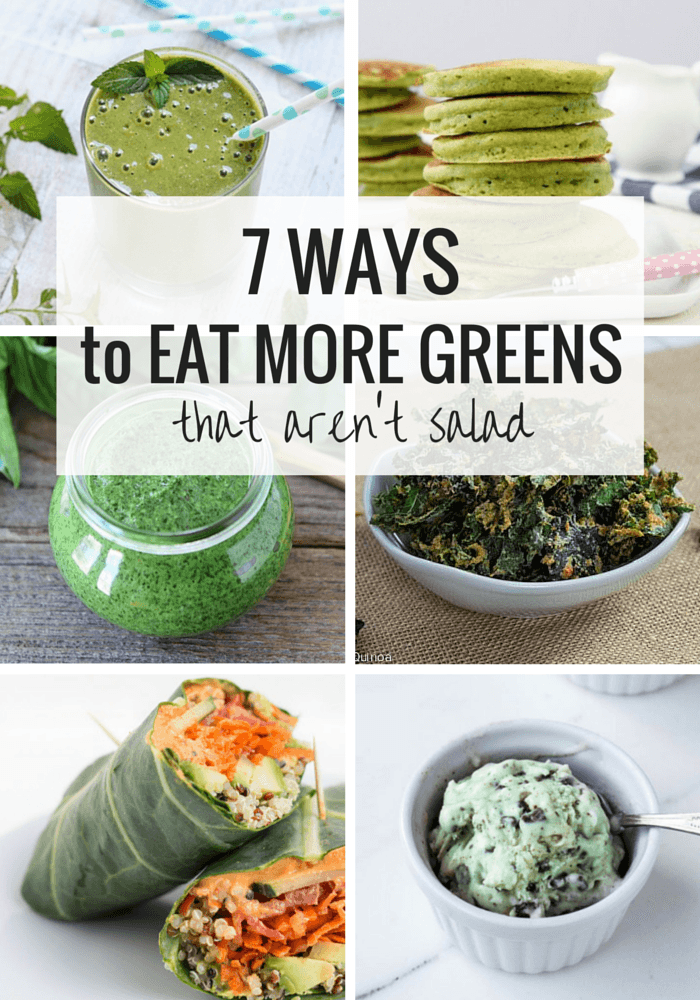
- Blend a handful of spinach or kale into your fruit smoothie. Mango, banana, and pineapple mask any green flavor completely.
- Scramble eggs with chopped spinach, arugula, or Swiss chard.
- Top avocado toast with microgreens or baby arugula for a fresh crunch.
- Add zucchini or spinach to pancake or waffle batter for a sneaky boost.
Sneak Greens into Lunch
Lunch is often the meal where greens get ignored. Sandwiches, wraps, and bowls offer perfect hiding spots for extra vegetables.
Here are easy lunch upgrades:
- Use large lettuce leaves, collard wraps, or spinach tortillas instead of bread.
- Pile your sandwich high with romaine, arugula, and shredded cabbage.
- Mix chopped kale or spinach into tuna, chicken, or egg salad.
- Build grain bowls with quinoa or brown rice, then top with roasted broccoli, Brussels sprouts, or bok choy.
Make Dinner the Main Green Event
Dinner is your golden opportunity to load up on greens because cooked vegetables shrink down, letting you eat larger portions without feeling stuffed.
Try these dinner-friendly moves:
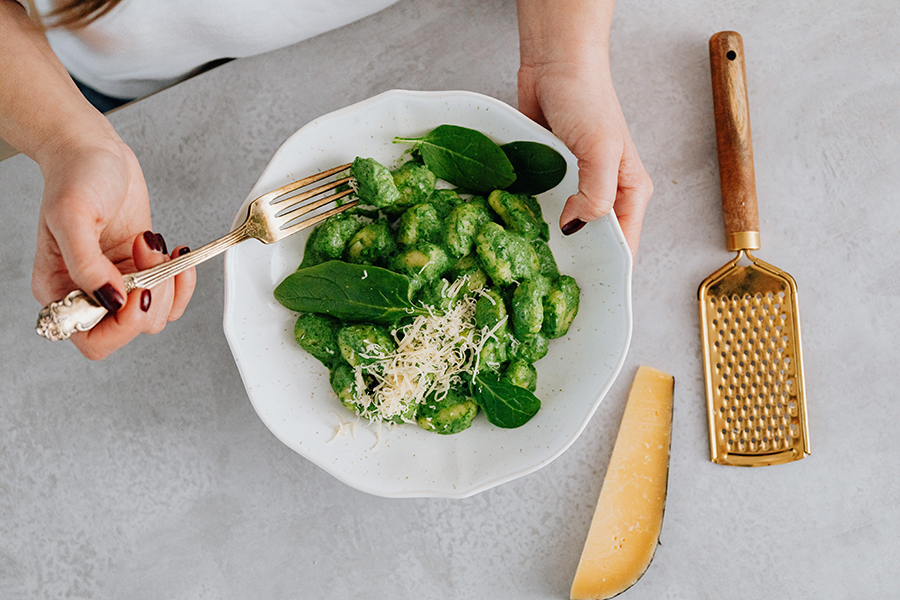
- Stir chopped spinach, escarole, or Swiss chard into pasta sauces, soups, and stews in the last few minutes of cooking.
- Roast Brussels sprouts, broccoli, or asparagus with olive oil, garlic, and a squeeze of lemon.
- Swap half the pasta or rice for riced cauliflower or zucchini noodles.
- Bake kale chips in the oven for a crispy side dish everyone loves.
Snack Smarter with Greens
Snacking is usually where sugar and junk sneak in, but greens can absolutely play in this space. With a little creativity, you can replace chips and crackers with green-based snacks that actually taste good.
Smart snack swaps include:
- Veggie sticks like celery, cucumber, and bell peppers with hummus or guacamole.
- Roasted seaweed snacks for a salty, crunchy fix.
- Green smoothies frozen into popsicles for hot days.
- Stuffed mini sweet peppers with herbed cream cheese and arugula.
Smart Swaps for Popular Foods
One of the most effective ways to eat more greens is to swap them into foods you already enjoy. You don't need to overhaul your diet. You just need to make small changes that add up over time.
Easy swaps to try:
- Use cauliflower rice instead of white rice in stir-fries and burrito bowls.
- Replace iceberg lettuce with nutrient-rich romaine, butter lettuce, or baby kale.
- Add pureed spinach or zucchini to chocolate muffins and brownies.
- Use lettuce cups or cabbage leaves instead of taco shells.
- Mix avocado into mashed potatoes for creaminess and color.
Choose the Right Greens for You
Not all greens taste the same. Some are mild and sweet, while others are peppery or slightly bitter. Picking greens you enjoy makes it far easier to eat them regularly.
Popular greens and their flavor profiles:
- Spinach is mild, tender, and great raw or cooked.
- Kale is earthy, slightly bitter, and holds up well in sautés and chips.
- Romaine is crisp, refreshing, and perfect for salads and wraps.
- Arugula is peppery and adds a kick to sandwiches and pizzas.
- Swiss chard is mild and slightly sweet, ideal for sautés and soups.
- Bok choy is crunchy and mild, perfect for Asian-inspired dishes.
Prep and Storage Tips That Save Time
A common excuse for not eating greens is that they wilt before you get to them. With smart prep, your greens can last an entire week and stay fresh.
ful storage tips:
- Wash and dry greens thoroughly, then store them in paper towel-lined containers.
- Keep tougher greens like kale and collards in the fridge's crisper drawer.
- Use delicate greens like spinach and arugula within a few days for best texture.
- Freeze spinach and kale in zip bags for smoothies and cooked dishes.
When You Travel or Eat Out
Eating more greens on the road or at restaurants can feel tricky, but it's absolutely doable. A little planning goes a long way.
Quick tips for eating out:
- Order side salads instead of fries when possible.
- Ask for extra veggies on sandwiches, wraps, and pizzas.
- Choose vegetable-based soups like minestrone, lentil, or vegetable.
- Look for dishes that feature broccoli, spinach, kale, or Brussels sprouts as stars.
Common Mistakes to Avoid
Even with the best intentions, people often slip up when trying to eat more greens. Learning from common mistakes can save you frustration.
- Don't rely only on iceberg lettuce. It's mostly water and very low in nutrients.
- Avoid drowning greens in heavy dressings or cheese, which adds calories and fat.
- Don't overcook greens until they're mushy. Light cooking keeps flavor and nutrients intact.
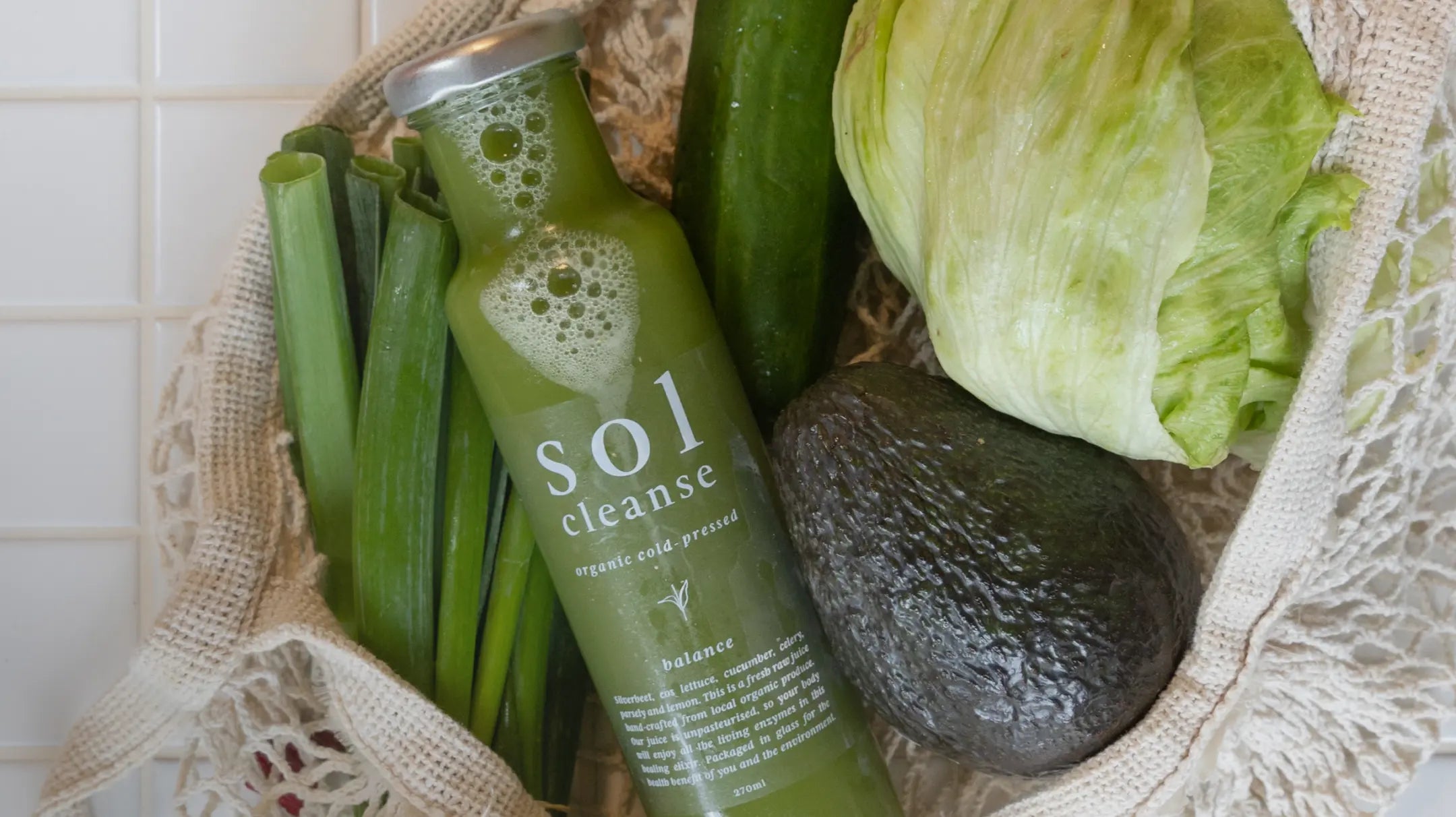
- Skip the temptation to juice all your greens. Whole veggies provide fiber and keep you full longer.
How Much Greens Do You Really Need?
Nutrition experts suggest aiming for two to three cups of leafy greens per day. That might sound like a lot, but remember that cooked greens shrink down, so half a cup cooked counts as one cup raw in most guides. Mixing raw and cooked greens throughout the day makes this goal easy to hit without even thinking about it.
Simple Weekly Green Plan
If you're looking for a starter plan, here's an easy weekly approach to boost your greens without stress:
- Monday: Spinach smoothie for breakfast, kale Caesar salad for lunch, roasted broccoli for dinner.
- Tuesday: Avocado toast with arugula, vegetable soup with collards, sautéed Swiss chard as a side.
- Wednesday: Green pancakes with hidden spinach, grain bowl with bok choy, kale chips for crunch.
- Thursday: Eggs scrambled with spinach, wrap loaded with romaine, zucchini noodles with pesto.
- Friday: Green juice alongside breakfast, big salad with mixed greens, stir-fry with broccoli and bok choy.
- Weekend: Try one new green recipe and make it a family cooking project.
Frequently Asked Questions
What are the best greens for beginners?
Spinach, romaine, and butter lettuce are the easiest greens to start with because they have a mild flavor and soft texture. As you get used to eating greens, you can branch out to kale, arugula, and Swiss chard for more variety.
Can I get enough greens from supplements or powders?
Powders and supplements can help fill gaps, but whole greens are always better. They offer fiber, water content, and a broader range of nutrients that supplements can't fully replicate. Use powders as a backup, not a replacement.
How do I make greens taste better?
Cooking greens with garlic, olive oil, lemon, or a sprinkle of parmesan makes them tastier. Adding healthy fats like avocado or nuts also helps your body absorb fat-soluble vitamins from greens.
Are frozen greens as nutritious as fresh?
Yes, frozen greens are picked and frozen at peak ripeness, so they retain most of their nutrients. They're also convenient and budget-friendly. Stock up on frozen spinach, kale, and broccoli for easy meals.
What if my family refuses to eat greens?
Sneak greens into foods they already love. Blend spinach into smoothies, mix zucchini into pasta sauce, or bake kale into chips. Over time, you can introduce greens more openly as their palates adjust.
Final Thoughts
Eating more greens is one of the simplest changes you can make for a healthier, more energetic life. You don't need to become a salad-obsessed superhuman. You just need a few smart strategies and a willingness to experiment in the kitchen. Start small, keep it tasty, and let your taste buds catch up with your goals. The more greens you enjoy now, the more your future self will thank you. Try one new green recipe this week, share your favorite green-packed meal in the comments, and subscribe for more easy ways to eat well without overthinking it.