How Much Fat On Carnivore Diet: The Ultimate Guide
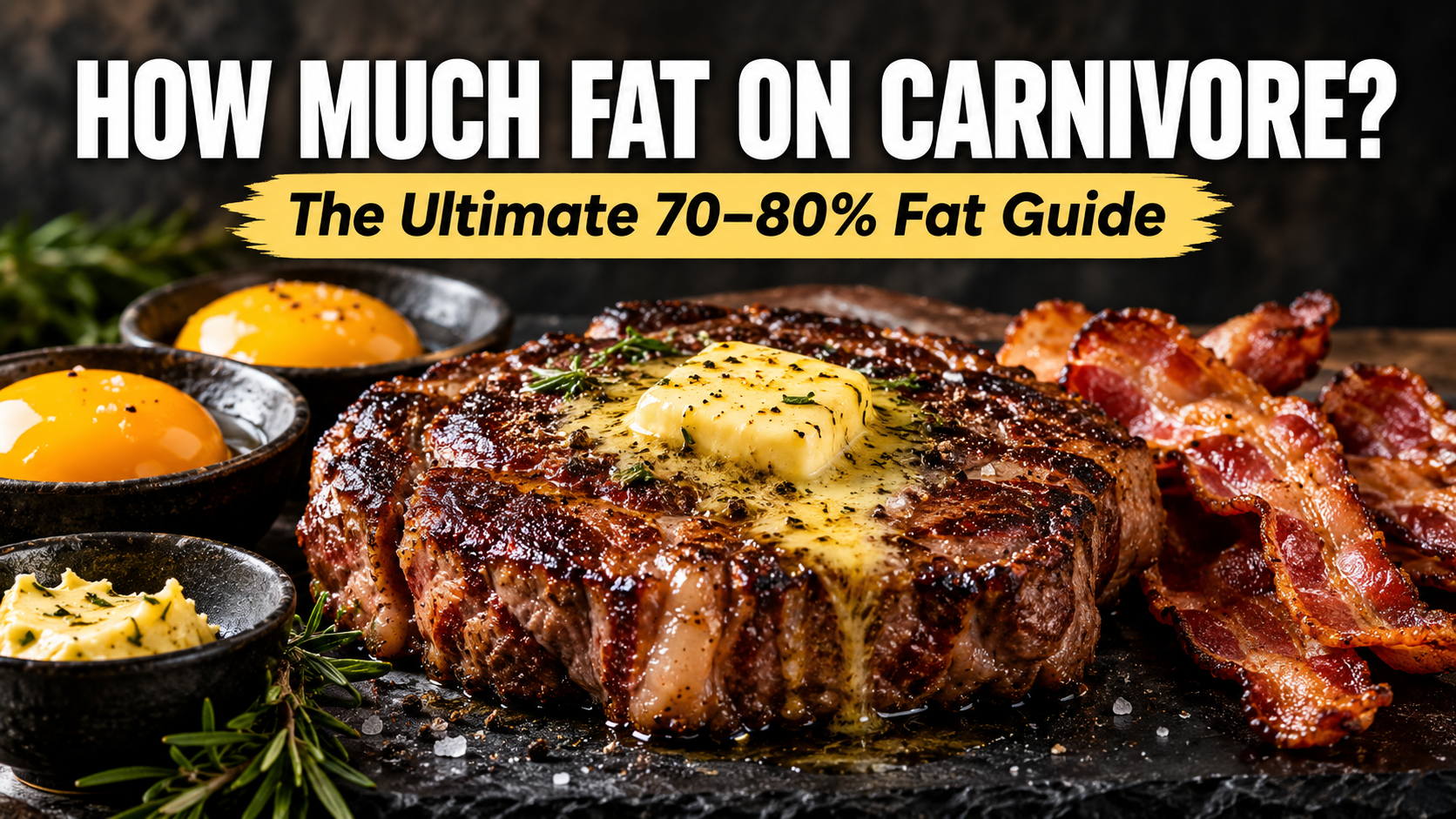
Most people on a carnivore diet get 70–80% of their calories from fat for steady energy and better results. With the right balance, fat becomes your fuel, your satisfaction, and your healing tool all rolled into one.
If you've been curious about eating only animal products and wondering how to make it work without feeling drained, you're in the right place. I've spent years exploring low-carb and animal-based eating, and the fat question always comes up first. It's honestly the most important piece of the puzzle. Think of fat as the gas tank of this lifestyle. Too little and you'll stall out. Too much and you might feel sluggish. Finding your sweet spot makes all the difference between thriving and just surviving.
What the Carnivore Diet Actually Looks Like
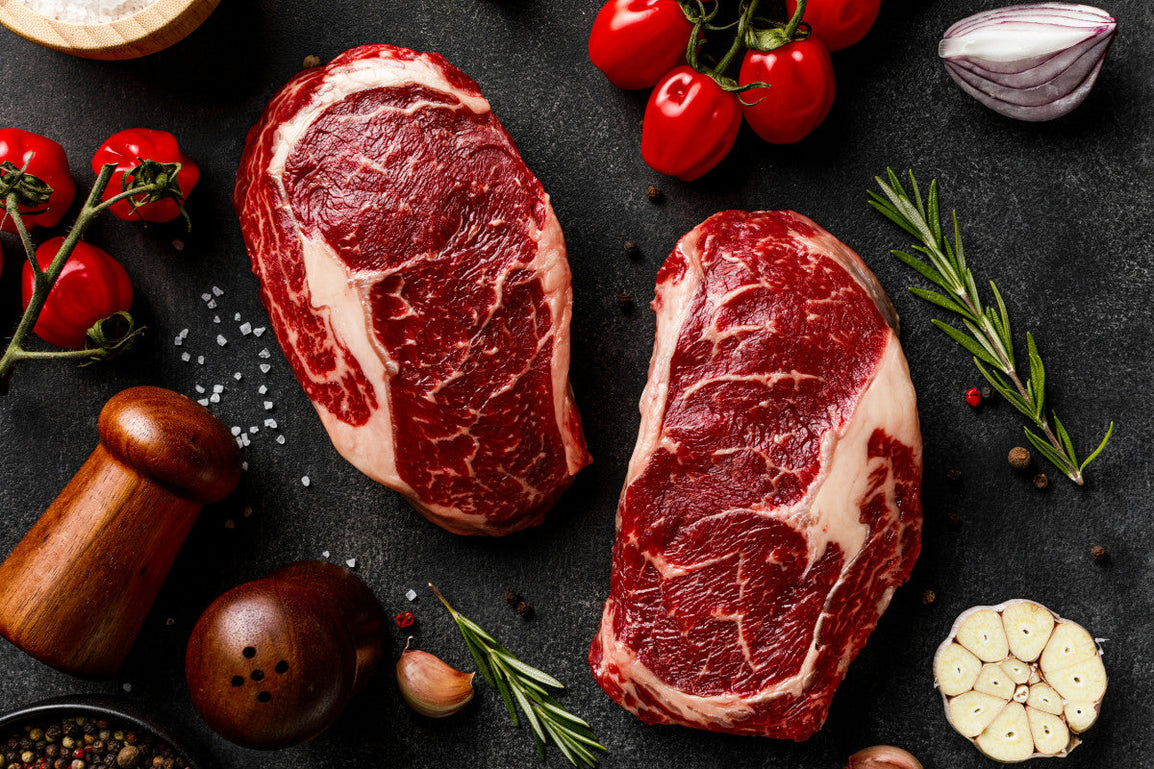
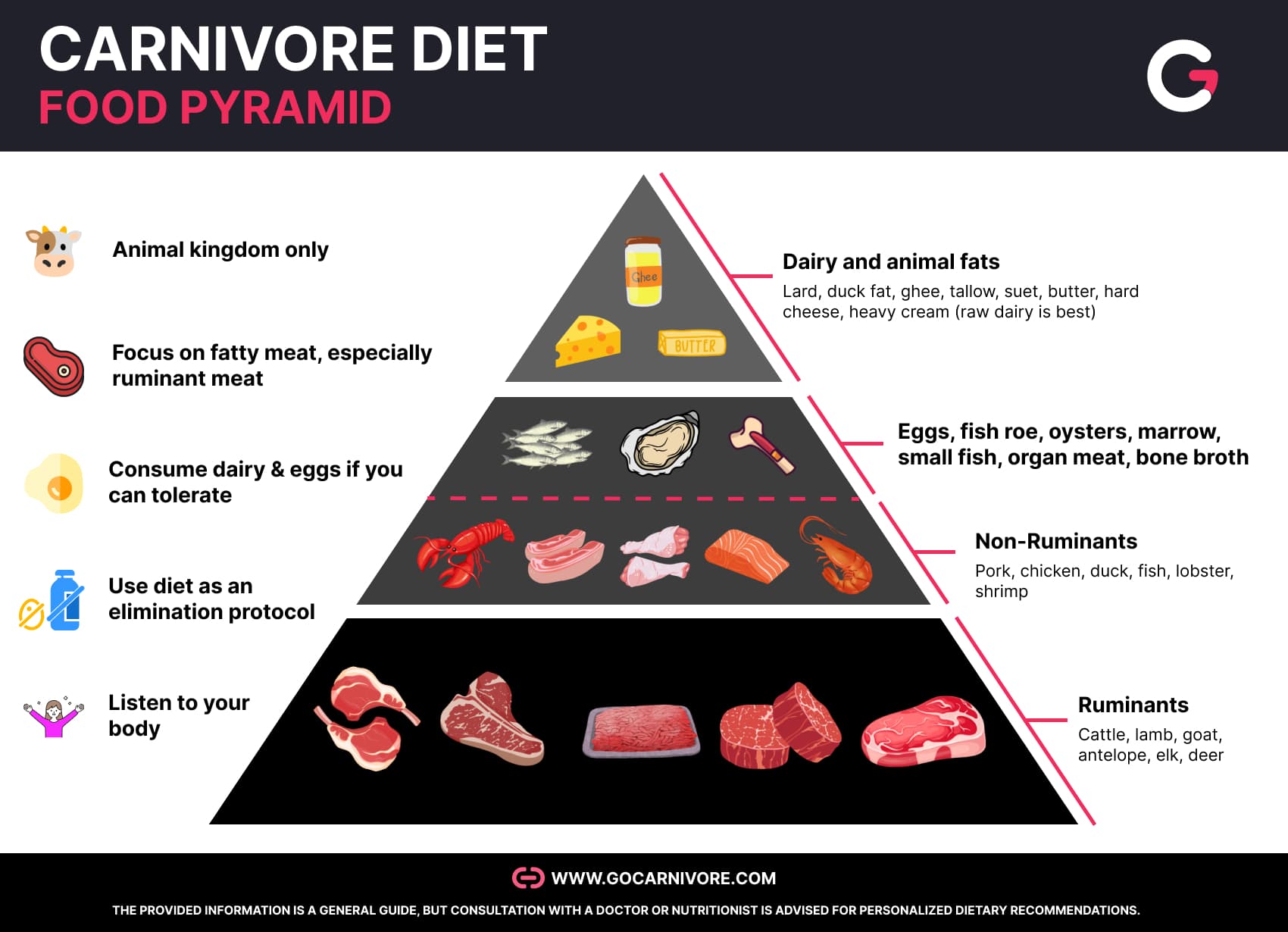
The carnivore diet is simple in theory. You eat animal products and nothing else. That means beef, chicken, pork, fish, eggs, and sometimes dairy if your body handles it well. No plants, no grains, no sugar, no processed junk.
But here's what most people miss. It's not just a slab of steak three times a day. The real magic lies in how you balance the fat content in your meals. Protein is important, but fat is what keeps you full, gives you energy, and helps your body adapt to burning ketones instead of glucose.
When I first tried this way of eating, I made the rookie mistake of eating super lean cuts. Chicken breast and egg whites. I felt tired, hungry, and honestly kind of cranky. It wasn't until I added more fat that things finally clicked.
How Much Fat Should You Eat on Carnivore
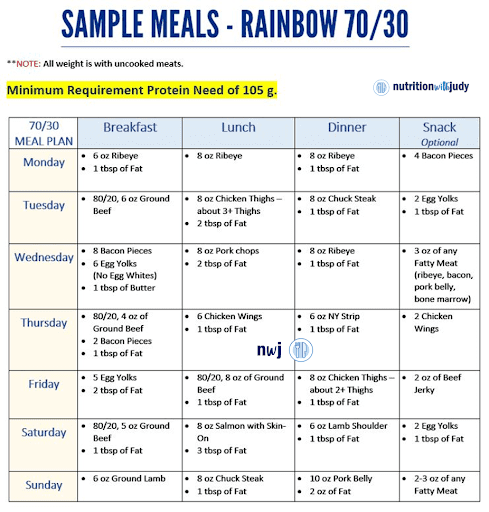
Here's the sweet spot most experienced carnivore folks land on. Aim for 70 to 80 percent of your total daily calories from fat. The rest comes from protein. If you're very active or just starting out, you might go a bit higher on fat, even up to 85 percent.
Let me break that down into real numbers. If you're eating 2,000 calories a day, that means about 1,400 to 1,600 calories should come from fat. Since fat has 9 calories per gram, you're looking at roughly 155 to 180 grams of fat daily. Protein usually lands around 1 to 1.5 grams per pound of lean body mass.
A few factors shift your personal number.
- Your activity level matters a lot. Walk a lot or hit the gym. You'll need more fat for fuel.
- Your goals play a role. Weight loss folks often do well on higher fat since it curbs hunger.
- Your current health matters too. Some people need to ease in slowly so their digestion adjusts.
The beauty of this diet is you can tweak as you go. Your body gives clear signals once you know what to look for.

Why Fat Is the Star of the Show
Fat isn't just empty calories on carnivore. It pulls some serious weight when it comes to how you feel and function.
First up, fat gives you long-lasting energy. Carbs spike and crash. Fat burns slow and steady, especially when you're in ketosis. It's like switching from a campfire to a slow-burning furnace.
Second, fat keeps you satisfied. Ever notice how a fatty ribeye fills you up for hours while plain chicken breast leaves you hunting for snacks an hour later. That's fat doing its job.
Third, fat helps your hormones. Cholesterol and fatty acids are the building blocks for things like vitamin D and many other key hormones your body needs to thrive.
Fourth, fat makes the diet work. Without enough fat, you'll feel like you're starving. With it, most people naturally eat less because they're not constantly hungry.
I remember one client telling me they tried carnivore with just lean ground beef for two weeks and almost quit. They felt awful. Once they switched to 80/20 ground beef and added butter, everything changed. Energy came back, cravings disappeared, and they actually enjoyed eating again. That's the power of getting fat right.
Best Fat Sources for Carnivore
Not all animal fats are created equal. Some pack more nutrition than others.
- Ribeye and fatty cuts of beef are gold standards. They have a great mix of fat and flavor.
- Salmon and sardines give you omega-3s along with healthy fats.
- Egg yolks are little nutrient bombs with fats, vitamins, and minerals.
- Bone marrow is rich and traditional. Many people swear by it for joint health.
- Butter and ghee from grass-fed cows offer butyrate, which is great for gut health.
- Pork belly and bacon from quality sources bring flavor and the right fat ratios.
- Tallow and lard are old-school fats that work great for cooking.
When picking your fats, think about variety. Eating the same thing every day gets old fast and you might miss out on different nutrients. Rotate your proteins and fat sources to keep meals exciting and your body happy.

Common Mistakes People Make With Fat
Even with the best intentions, it's easy to slip up on fat intake. Here are the biggest traps I see.
Mistake number one is going too lean. People hear protein is important and forget fat is just as vital. You end up tired and hungry. Not fun.
Mistake number two is eating too much fat at once. Some folks slam a stick of butter thinking more is better. Your body can only use so much at a time. Slow and steady wins the race.
Mistake number three is ignoring protein. Fat should dominate, but protein still matters for muscle, repair, and basic body functions. Keep protein at a reasonable level so you have room for all that healthy fat.
Mistake number four is not adjusting. Your needs change with seasons, activity, and age. What worked at 30 might need tweaking at 50.
I made the mistake of eating way too much fat early on. I figured if fat was king, I'd eat fat bomb everything. Turns out I felt overstuffed and bloated. When I backed off and ate more balanced meals with proper protein, everything felt better.
How to Tell if You're Eating Enough Fat
Your body talks to you. You just have to listen.
- Energy levels are a big clue. Steady energy throughout the day means you're on track. Crashes mean you probably need more fat.
- Hunger patterns matter too. If you're constantly thinking about food, you likely need more fat or better quality meals.
- Mental clarity is another sign. Fat fuels your brain. Foggy thinking often points to not enough fat.
- Sleep quality can tell you a lot. Waking up refreshed means you're doing well. Restless nights might mean adjusting your macros.
- Digestion is also a clue. Too little fat can cause hard stools. Too much might loosen things up. The middle ground feels effortless.
If something feels off, give it two to three weeks before making big changes. Adaptation takes time, especially if you're new to low carb eating.

Fat Intake for Different Goals
Your goals shift how you should approach fat on this diet.
If you want to lose weight, fat is your best friend. It keeps you full and reduces cravings. Many people naturally eat less when they get enough fat. Stay around 70 to 75 percent from fat.
If you're looking to build muscle, you might bump protein slightly higher and fat slightly lower. Around 65 to 70 percent fat still works well. Your body needs protein for muscle growth but fat for hormones and energy.
If you're an athlete or very active, you might need more total calories. Bump fat up to 75 to 80 percent. You'll burn through it faster with all that movement.
For general health and longevity, the standard 70 to 80 percent fat works great. Focus on quality sources and stay consistent.
Adjusting Fat as You Go
The carnivore journey isn't static. Your needs shift as you adapt.
In the first few weeks, your body is switching fuel sources. You might feel off as you transition. Eating slightly more fat during this time can ease the switch.
After a month or two, things usually stabilize. You'll find your natural rhythm and what works best for your body.
Long term, pay attention to how you feel. Seasons change, activity levels change, and life happens. Adjust your fat intake to match your current needs. There's no perfect forever number. There's just what works for you right now.
I've learned to tune in more than I used to. Some days I need more fat, especially after hard workouts. Other days I eat a bit less and feel just as good. Flexibility is your friend.

Frequently Asked Questions
How many grams of fat per day on carnivore diet
Most people do well with 150 to 200 grams of fat daily. Your exact number depends on your calories, activity, and goals. Start around 70 percent of calories from fat and adjust based on how you feel.
Is 70 percent fat enough on carnivore diet
For most people, 70 percent fat works great. Some feel better at 75 or 80 percent. If you have lots of energy, sleep well, and stay satisfied, you're probably right where you need to be.
What happens if you eat too little fat on carnivore
Eating too little fat leaves you tired, hungry, and cranky. Your energy crashes, cravings hit hard, and you might even feel cold. Most people quickly realize they need more fat once they experience these signs.
Can you eat too much fat on carnivore
Yes, it's possible. Eating excessive fat can cause digestive issues, bloating, and weight gain if calories are too high. Your body can only use so much fat at once. Moderation still matters even on carnivore.
Do you need to count fat grams on carnivore
Counting helps at first to learn portions. After a few weeks, most people can eyeball it well. Pay attention to your body's signals. They'll guide you once you know what to look for.
Wrapping It Up
Getting your fat right on the carnivore diet really comes down to listening to your body and making small tweaks along the way. Aim for that 70 to 80 percent range from quality animal sources, and you'll likely feel the difference within weeks. More energy, better sleep, and cravings that finally quiet down. Try this approach for a month, track how you feel, and adjust as needed. If you want to dive deeper into carnivore living, check out my other guides or drop a comment with your experience. I'd love to hear what's working for you.