How pets diet: Honest Review
Every pet deserves a diet that matches their species, age, and energy needs, and understanding the basics of pet nutrition helps owners make smarter feeding choices every single day. Whether you share your home with a dog, cat, rabbit, or even a reptile, the right food keeps them healthy, active, and full of life.
Feeding a pet isn't just about filling a bowl. The right diet supports strong bones, a shiny coat, healthy digestion, and a long, happy life. I've raised dogs, cats, and even a few rescue hamsters over the years, and one thing I learned fast is that not all pet foods are created equal. Some keep your pet thriving, while others can quietly cause problems like itchy skin, low energy, or tummy troubles.
In this guide, I'll walk you through everything you need to know about how pets should eat, from understanding their natural diets to picking the best food and avoiding common mistakes. Think of it as a friendly chat with someone who's been through the messy, wonderful world of pet feeding and lived to tell the tale.
Understanding the Basics of Pet Nutrition
Pet nutrition isn't one-size-fits-all. Just like humans, every animal has its own dietary needs based on species, breed, age, size, and health. Before picking up that colorful bag at the store, it's important to understand what your pet actually needs to thrive.
At the heart of every pet's diet are a few key building blocks:
- Protein helps build strong muscles and supports growth
- Fats provide energy and keep skin and coats healthy
- Carbohydrates offer quick energy and help with digestion
- Vitamins and minerals keep the immune system strong
- Water is the most important nutrient of all
Pets need different balances of these nutrients depending on their life stage. A puppy eating kibble formulated for senior dogs, for example, won't get the fuel it needs to grow. On the other hand, feeding a couch-potato cat a high-energy kitten formula can lead to unwanted weight gain.
From my own experience, I once made the mistake of feeding my Labrador the same food year after year without adjusting portions. By age five, she had started gaining weight and her joints seemed stiffer. After switching to a senior formula and watching her portions, the difference was night and day. Lesson learned: pets need their diets updated as they age, just like we adjust our own meals over time.
The Natural Diets of Common Pets
Pets in the wild eat very differently from the animals lounging on our couches. Understanding your pet's natural diet is the first step toward feeding them well.
Dogs
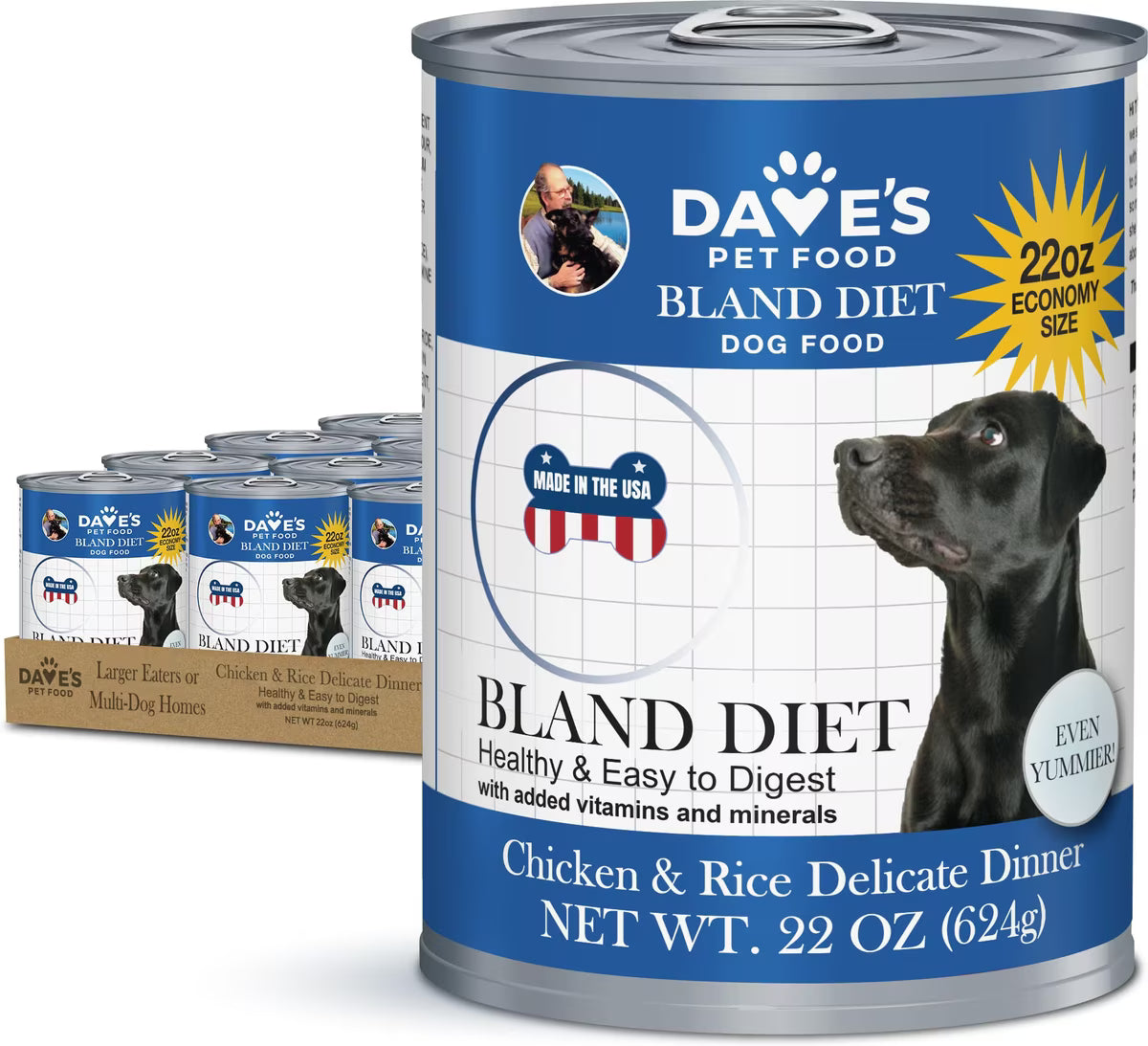
Dogs are omnivores, which means they eat both meat and plant-based foods. Their ancestors, wolves, hunted prey and ate whatever was inside, including organs, bones, and even stomach contents filled with grains and plants. Modern dogs thrive on a mix of quality animal protein, healthy fats, and some digestible carbs like rice or sweet potatoes.
A balanced dog diet often includes:
- Real meat like chicken, beef, or fish as the first ingredient
- Healthy fats such as omega-3 from fish oil
- Vegetables like carrots, peas, or spinach
- Whole grains or grain-free options depending on tolerance
Cats
Cats are obligate carnivores, meaning they must eat meat to survive. Unlike dogs, cats can't get all the nutrients they need from plants. They rely on animal protein for amino acids like taurine, which is essential for heart and eye health.
A proper cat diet includes:
- High levels of animal protein from chicken, turkey, or fish
- Moderate fat content for energy
- Minimal carbs, as cats don't process them well
- Adequate moisture, either from wet food or fresh water
Small Mammals (Rabbits, Guinea Pigs, Hamsters)
Small pets have very specific dietary needs. Rabbits and guinea pigs, for instance, need constant access to hay, which keeps their digestive systems moving. Hamsters and gerbils enjoy a mix of seeds, grains, and small amounts of fresh veggies.
Key parts of a small pet's diet:
- Fresh hay should make up most of a rabbit's intake
- Vitamin C is crucial for guinea pigs
- Seeds and pellets should be balanced with fresh produce
- Clean water must always be available
Birds
Pet birds like parrots, cockatiels, and budgies eat a varied diet that includes seeds, pellets, fruits, and vegetables. Seed-only diets are often too fatty and lack key nutrients, so most avian vets recommend a mix of pellets and fresh foods.
Reptiles
Reptiles have wildly different diets depending on the species. Some, like bearded dragons, eat insects and greens, while others, like snakes, eat whole prey. Their diets often require supplements like calcium powder to prevent bone issues.
How to Choose the Right Pet Food
Walking down the pet food aisle can feel overwhelming. With hundreds of brands and fancy marketing claims, how do you know what's actually good for your pet? Here are some practical tips that have helped me over the years.
Check the Ingredient List
The first few ingredients matter most. Look for real, named proteins like chicken, salmon, or lamb at the top of the list. Avoid foods where the first ingredient is a vague term like "meat by-products" or where fillers like corn and soy dominate.
Look for AAFCO Statement
The Association of American Feed Control Officials sets nutritional standards for pet foods. A statement like "formulated to meet AAFCO nutrient profiles" means the food meets basic nutritional needs. This small detail is a good sign of quality.
Match the Food to Your Pet's Life Stage
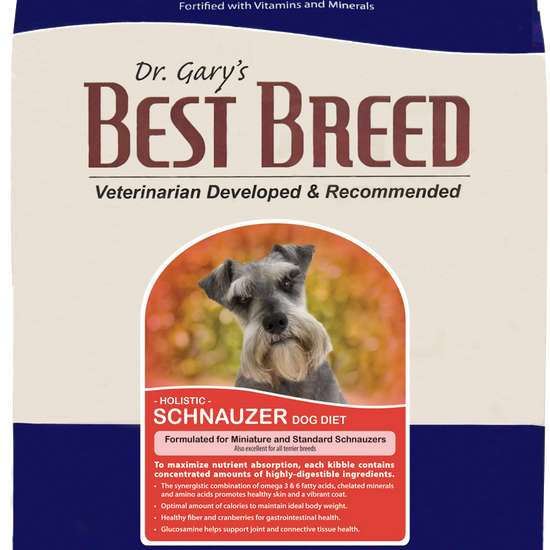
Pets have different needs at different ages. Puppies and kittens need extra calories and nutrients for growth. Adults need maintenance formulas, and seniors often benefit from lower calories and added joint support.
Wet vs. Dry Food
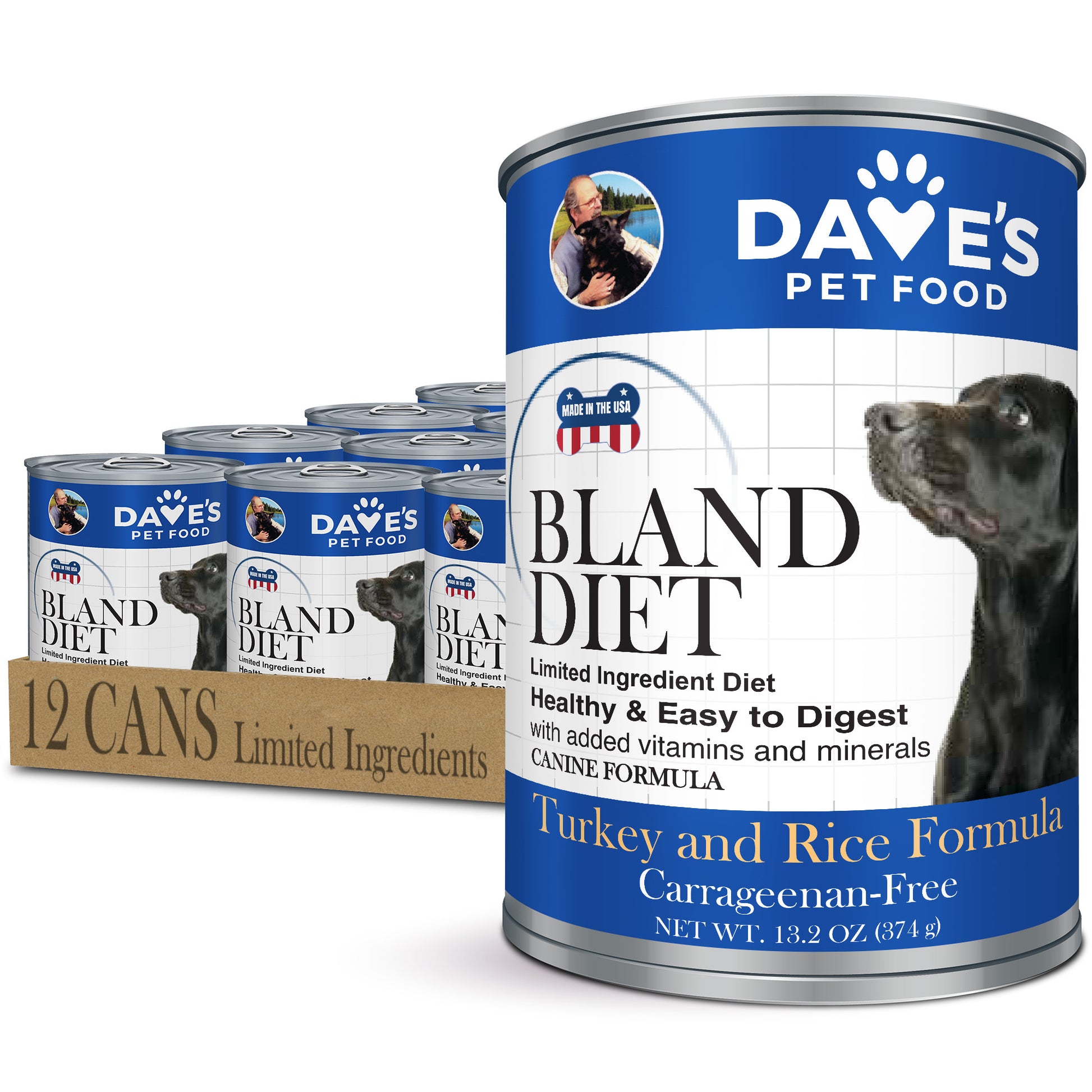
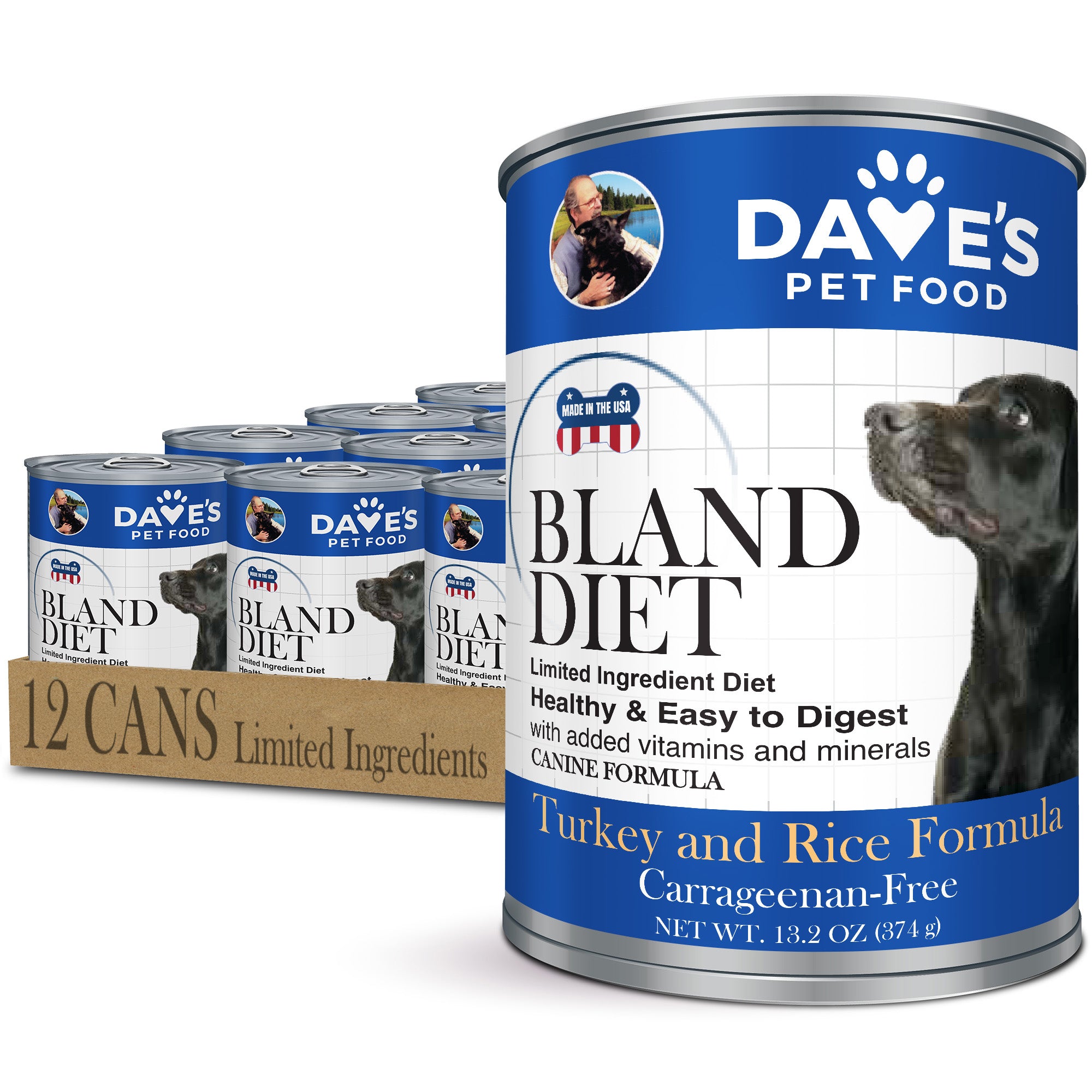
Both have pros and cons. Dry food is convenient, affordable, and helps keep teeth clean. Wet food has more moisture, which is great for cats and pets that don't drink enough water. Many pet owners, including myself, mix both to get the best of each.
Watch for Allergies and Sensitivities
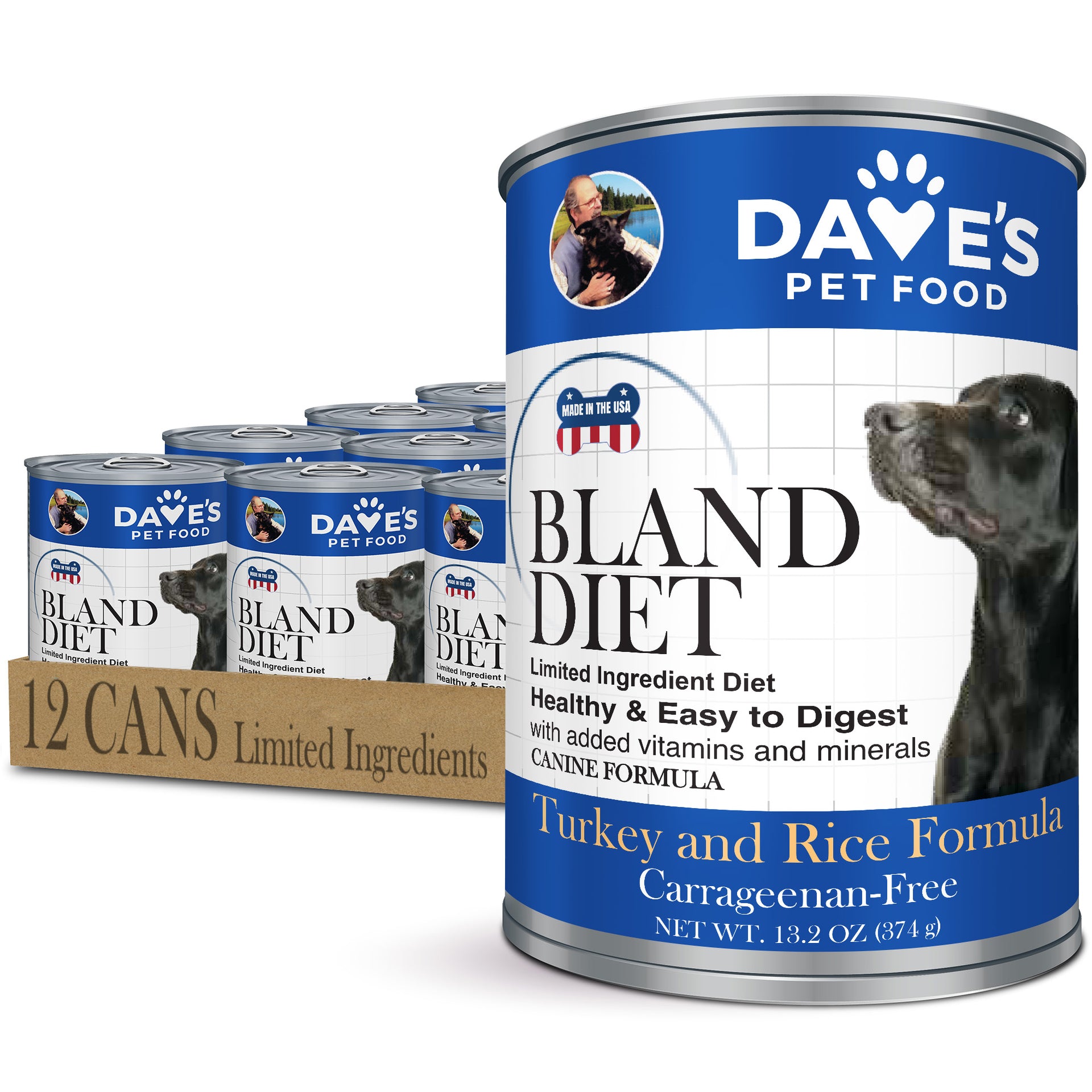
Some pets are allergic to common ingredients like chicken, beef, wheat, or dairy. If your pet scratches a lot, has ear infections, or has tummy issues, it might be a food sensitivity. A vet can help with elimination diets to find the culprit.
Common Feeding Mistakes to Avoid
Even the most loving pet parents can make feeding mistakes without realizing it. Here are some of the most common ones I've seen and even made myself.
- Overfeeding treats: Treats should make up less than 10 percent of your pet's daily calories
- Feeding table scraps: Human food can upset stomachs and cause long-term health issues
- Free-feeding: Leaving food out all day can lead to obesity, especially in cats
- Sudden diet changes: Switching food too fast can cause diarrhea or vomiting
- Ignoring portion sizes: Even healthy food can cause weight gain if portions are too large
A simple rule I follow now is to measure every meal. It sounds tedious, but it prevents overfeeding and keeps weight in check. Your pet's food bag usually has a feeding guide based on weight, which is a great place to start.
Special Dietary Needs for Pets
Some pets have health conditions that require special diets. If your pet has any ongoing health issue, your vet may recommend a prescription or therapeutic diet. Here are a few common cases.
Pets with Allergies
Food allergies can cause itchy skin, ear infections, and digestive issues. Hypoallergenic diets often use novel proteins like duck or venison and avoid common allergens.
Pets with Kidney Disease
Kidney issues are common in older cats and some dog breeds. Diets for kidney disease are low in phosphorus and protein but high in moisture and flavor to encourage eating.
Overweight Pets
Weight management formulas are lower in calories and fat but high in fiber to keep pets full. Combined with portion control and exercise, these foods help pets shed extra pounds safely.
Diabetic Pets
Diabetic pets need diets low in simple carbs and high in fiber. A consistent feeding schedule is also important to help regulate blood sugar levels.
How to Transition Your Pet to a New Diet
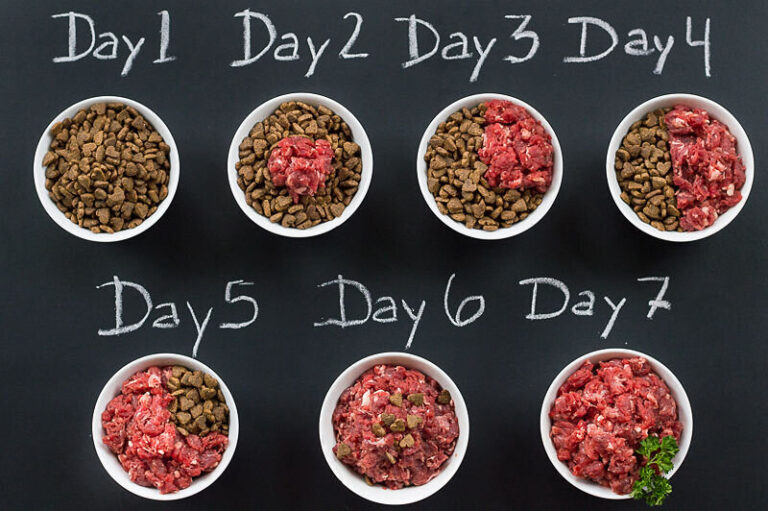
Switching your pet's food too quickly can lead to an upset stomach. The key is to do it slowly over a week or so. Here's the method I use every time I change my pets' food.
- Days 1 to 2: Mix 25 percent new food with 75 percent old food
- Days 3 to 4: Mix 50 percent new food with 50 percent old food
- Days 5 to 6: Mix 75 percent new food with 25 percent old food
- Day 7: Serve 100 percent new food
Watch for signs of digestive upset like soft stools or vomiting. If you notice any issues, slow down the transition. Every pet adjusts at their own pace.
The Role of Supplements in Pet Diets
Most healthy pets on a balanced diet don't need extra supplements. However, there are times when supplements can help. For example, older dogs with stiff joints may benefit from glucosamine, and cats on dry food may need more water or a moisture supplement.
Common pet supplements include:
- Omega-3 fatty acids for skin and coat health
- Probiotics for digestive balance
- Glucosamine for joint support
- Calcium for reptiles and breeding birds
Always talk to your vet before adding any supplement. Giving the wrong type or dose can do more harm than good.
Feeding Schedules and Portion Control
How often you feed your pet matters just as much as what you feed them. Puppies and kittens usually need three to four small meals a day. Adult pets do well with two meals a day, while some cats prefer grazing.
Here are a few tips that make mealtime easier:
- Stick to a consistent schedule
- Measure portions with a cup or kitchen scale
- Remove uneaten wet food after 20 to 30 minutes
- Keep fresh water available at all times
- Avoid feeding right before or after heavy exercise
A routine helps prevent obesity and keeps your pet's digestion on track. My own dogs now expect their breakfast at 7 a.m. sharp. If I'm late, they let me know with a very loud reminder.
Frequently Asked Questions
How often should I feed my pet?
Most adult dogs and cats do well with two meals a day. Puppies and kittens need three to four smaller meals until they reach adulthood. Small mammals and birds often need food available throughout the day.
Can pets eat human food safely?
Some human foods are safe in small amounts, like plain cooked chicken or carrots, but many are toxic. Avoid chocolate, onions, garlic, grapes, and anything with caffeine or xylitol.
Should I feed my pet wet or dry food?
Both are fine, and many pets benefit from a mix. Wet food adds moisture and flavor, while dry food is convenient and helps with dental health. Choose based on your pet's needs and preferences.
How do I know if my pet's diet is working?
A healthy pet has a shiny coat, steady energy, firm stools, and a healthy weight. If you notice dull fur, weight changes, or digestive issues, it's worth talking to your vet.
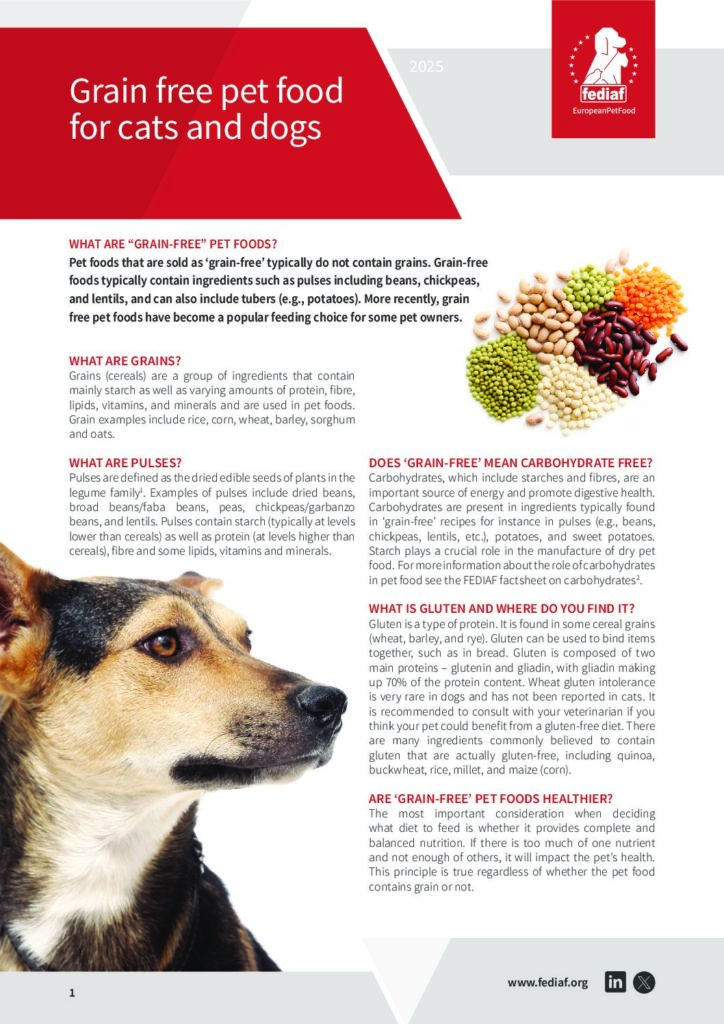
Are grain-free diets better for pets?
Not necessarily. Grain-free diets help pets with specific grain allergies, but there's no strong evidence that they're better for all pets. Whole grains can be a healthy source of energy and fiber.
Conclusion
Feeding your pet the right way is one of the best gifts you can give them. A balanced, species-appropriate diet supports every part of their health, from their immune system to their wagging tail or gentle purr. By understanding your pet's natural needs, choosing quality food, and avoiding common mistakes, you can help your furry, feathered, or scaly friend live a longer, happier life.
Start small. Pick up that food bag, read the ingredients, and adjust portions if needed. Small changes today can lead to big health benefits down the road. If you ever feel unsure, your vet is your best partner in building a diet that works.
Got questions or want to share your own pet feeding tips? Drop a comment below. I'd love to hear how you keep your pets healthy and happy.