How Much Protein On Carnivore Diet: Best 2026 Guide
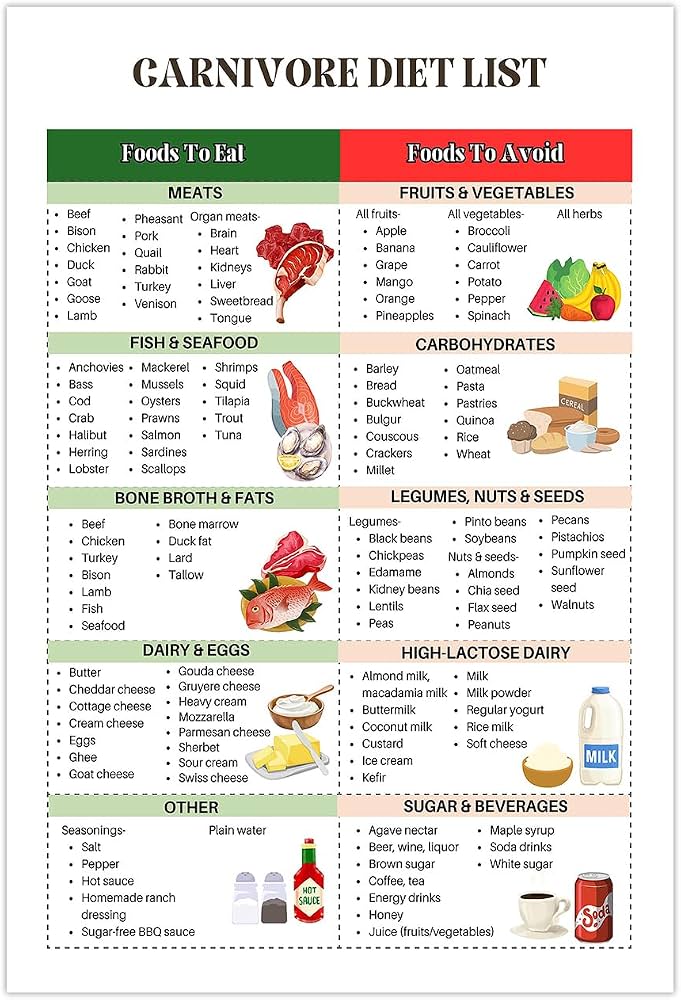
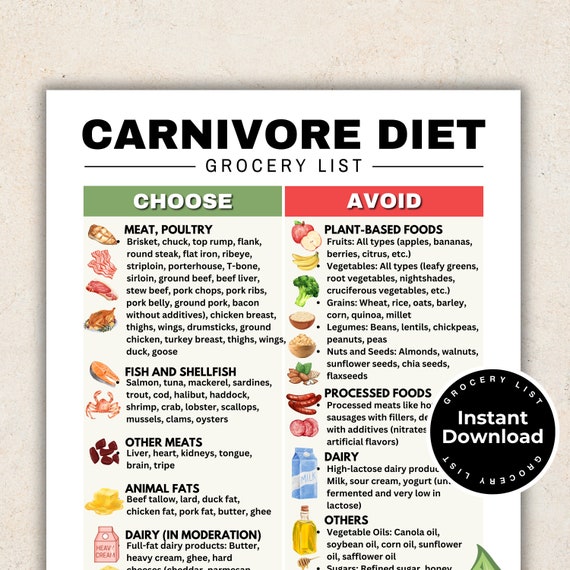
Most people on a carnivore diet get 25–35% of their daily calories from protein, which equals roughly 1.5 to 2.5 grams per kilogram of body weight, depending on age, activity level, and goals. If you've been searching for a clear, no-fluff breakdown of how much protein you actually need on an all-meat diet, you're in the right place. I've been tracking my own intake for years, testing different macros, and digging into what really works — not just what sounds tough on paper. The carnivore diet isn't about chasing protein numbers the way a bodybuilder would; it's about eating nose-to-tail animal foods until you're satisfied and letting your body figure out the rest. But there's still a smart range to aim for, and getting it wrong can leave you tired, losing muscle, or struggling with digestion. Let me walk you through exactly how to calculate your sweet spot, adjust for your lifestyle, and avoid the common traps that even experienced meat-eaters fall into.

Why Protein Matters on a Carnivore Diet
Protein is the building block of nearly every cell in your body. On a carnivore diet, it does more than just build muscle — it keeps your immune system strong, supports hormone production, and helps your body repair tissue after workouts or daily wear and tear. When you eat only animal products, protein becomes your main energy source alongside fat, with very little carbohydrate in the mix.
A common mistake I made early on was thinking more protein was always better. I'd eat six chicken breasts a day thinking I was doing the right thing, only to feel bloated and tired. The truth is, there's a ceiling. Your body can only use so much protein at once for repair and growth. Anything extra gets burned for energy or, if you're eating low-carb, converted through gluconeogenesis. That's not dangerous, but it's not efficient either.
Getting your protein right on carnivore isn't about hitting some magic number — it's about matching your intake to your goals, your body, and how you actually feel day to day.
How Much Protein Per Day on Carnivore: The Numbers
Let's get straight to the math. Most people thriving on a carnivore diet land somewhere in this range:
- 1.5 to 2.5 grams of protein per kilogram of body weight
- That's roughly 0.7 to 1.1 grams per pound
- In calories, protein makes up about 25–35% of total intake, with fat covering the rest
Here's a quick way to picture it for a 180-pound (82 kg) person:
- Lower end: 123 grams of protein per day
- Mid range: 164 grams of protein per day
- Upper end: 205 grams of protein per day
But those numbers shift based on who you are. A 35-year-old desk worker who walks 6,000 steps a day doesn't need the same as a 50-year-old construction worker who's hauling lumber in the heat. Your activity level is one of the biggest factors.
I weigh around 190 pounds and lift weights three times a week. When I first started carnivore, I aimed for 200 grams of protein a day and ate closer to 2,400 calories total. That worked well for keeping my strength up without feeling stuffed. On days I sit at my desk writing, I drop it to 150–160 grams and feel just as good.
Factors That Change Your Protein Needs
Not everyone needs the same amount. Here's what actually moves the needle:
- Activity level: The more you move, the more protein your muscles need to recover. Heavy lifting, manual labor, or long cardio sessions all push you toward the higher end of the range.
- Age: As you get past 40, your body becomes slightly less efficient at using protein. Bumping up to 2.0–2.2 grams per kilo can help protect muscle mass.
- Body composition goals: If you're trying to lose fat while keeping muscle, slightly higher protein helps. If you're already lean and just maintaining, you can sit comfortably in the middle.
- Gender: Women generally do well at the lower to mid range, while men often need the higher end, especially if they're active.
- Health conditions: Kidney issues, pregnancy, or recovery from surgery change the picture entirely. This is where working with a doctor matters.
I learned the hard way that copying someone else's macros blindly is a waste of time. My brother is 6'2", lifts heavy five days a week, and feels best on 2.4 grams per kilo. I'm 5'10", walk a lot, and lift moderately, and 1.8 grams per kilo is my sweet spot. We're both eating only animal products, but our bodies want different things.
How to Calculate Your Personal Protein Target
Here's the simple, no-headache method I use and recommend:
- Weigh yourself in pounds or kilos — write it down.
- Multiply your weight in kilos by 1.5 for the minimum, and by 2.5 for the maximum.
- Pick a starting point based on how active you are:
- Sedentary: 1.5 g/kg
- Moderately active: 1.8–2.0 g/kg
- Very active: 2.2–2.5 g/kg
- Track your food for one week and see how you feel.
- Adjust up or down by 10–15% based on energy, digestion, and body composition changes.
For example, a 150-pound (68 kg) moderately active woman would aim for 122 to 136 grams of protein a day. A 200-pound (91 kg) very active man would aim for 200 to 228 grams.
Don't overthink this. The exact gram doesn't matter as much as your weekly average. What matters more is consistency and how your body responds.
Best Protein Sources on a Carnivore Diet
Every animal food gives you protein, but some pack more per calorie than others. Here's how the common choices stack up:
- Beef (80/20 ground): About 18 grams of protein per 100 calories — balanced with fat, great for satiety
- Chicken thigh: Around 20 grams per 100 calories — leaner option that still has some fat
- Ribeye steak: 15 grams per 100 calories — higher fat, lower protein density, excellent for energy
- Salmon: 17 grams per 100 calories — adds omega-3s, great for inflammation
- Eggs: 12 grams per 100 calories — easy to overeat, complete protein
- Pork belly: 9 grams per 100 calories — very fatty, protein still counts but fat dominates
- Liver and other organ meats: Varies, but nutrient-dense and moderate in protein
The key insight here is that fatty cuts naturally balance your protein-to-fat ratio without you having to do much math. If you eat ribeye, salmon, and eggs, your protein will sit comfortably in the right range without you obsessing over grams.
When I switched from eating mostly chicken breast to ribeye and ground beef, my energy stabilized. I wasn't constantly hungry, and my digestion improved because I wasn't eating sky-high lean protein.
Common Mistakes with Protein on Carnivore
Even people who've been doing this for years can slip up. Watch out for these:
- Eating too much lean protein: Chicken breast, egg whites, and lean fish can spike protein too high and leave you tired or constipated. Balance with fattier cuts.
- Ignoring fat: Fat is your main energy source on carnivore. If you're eating 300 grams of protein and only 80 grams of fat, you'll feel sluggish.
- Not adjusting for activity: If you suddenly stop exercising, your needs drop. If you start a new job that's physically demanding, they go up.
- Comparing yourself to others: A 25-year-old athlete and a 60-year-old retiree eating the exact same macros will have totally different results.
- Forgetting about sodium and hydration: More protein means you need more water and salt. Don't skip the electrolyte angle.
I've made every one of these mistakes. The lean protein trap was the worst — I looked "healthy" on paper but felt awful.
How to Tell If You're Getting Too Much or Too Little Protein
Your body gives you feedback. You just have to listen.
Signs you might be eating too much protein:
- Constant bloating or gas
- Feeling tired after meals
- Constipation
- Strong ammonia smell in urine
- Constantly feeling cold
Signs you might need a bit more:
- Hair thinning or slow wound healing
- Losing muscle despite working out
- Constant hunger between meals
- Feeling weak during workouts
- Getting sick more often
If two or more of these show up for more than a week, adjust your intake by 15–20% and see what changes.
Adjusting Protein for Different Goals
Your goal changes the math a little:
- Fat loss: Aim for 2.0–2.5 g/kg. Higher protein helps preserve muscle while you eat at a deficit.
- Muscle gain: 1.8–2.2 g/kg is plenty. You don't need the bodybuilder approach on carnivore.
- Maintenance: 1.5–2.0 g/kg works for most people.
- Endurance athletes: 1.6–2.0 g/kg, with extra fat for fuel.
I personally sit at about 1.8 g/kg for maintenance and bump up to 2.2 g/kg when I'm cutting. That 20% bump is enough to keep my strength up without digestive issues.
Frequently Asked Questions
Is 100 grams of protein enough on carnivore?
For a sedentary 150-pound person, yes. But for most active adults, 100 grams is too low. You'll likely lose muscle and feel hungry often. Most people need at least 120 grams, with active individuals needing 150–200+ grams.
Can you eat too much protein on carnivore?
Yes. While it's hard to damage healthy kidneys with high protein, you can still eat so much that it crowds out fat, causes digestive issues, and leaves you feeling tired. Staying under 2.5 g/kg is a safe ceiling for most people.
Do you need protein powder on carnivore?
No. Whole animal foods give you complete protein with all the amino acids you need. Powder is unnecessary unless you're severely under-eating or struggling to hit your target.
Should protein or fat be higher on carnivore?
Fat should be higher. Most calories should come from animal fat, with protein making up 25–35% of total calories. This keeps energy stable and supports hormone health.
How long does it take to adjust to higher protein on carnivore?
Most people adapt within 2–4 weeks. Early bloating or fatigue usually fades as your digestion adjusts. If symptoms persist past a month, cut back by 15% and reassess.
Final Thoughts
Getting your protein right on a carnivore diet isn't about chasing a number — it's about listening to your body, starting in the 1.5–2.5 g/kg range, and adjusting based on how you feel and what you're doing each day. Focus on fatty cuts of beef, lamb, pork, and fish, mix in some eggs and organ meats, and don't fear fat. Track for a week, tweak what doesn't work, and give your body time to adapt.
If you're just starting out, pick a number in the middle of your range, eat until satisfied, and pay attention to energy, digestion, and recovery. If something feels off after a few weeks, you've got the tools now to fix it. And if you want to dive deeper into macros, meal timing, or troubleshooting specific issues on carnivore, drop a comment below or explore more of the guides on the site — I've tested almost everything so you don't have to guess.