How Many Carbs For 1500 Calorie Diet: Best Guide
On a 1,500 calorie diet, most people need around 150 to 200 grams of carbs daily, which gives you steady energy without going overboard on sugar or starch. Let me walk you through exactly how I figure this out for myself and the people I coach, so you can stop guessing and start feeling better.
I've spent years helping clients hit their weight and energy goals, and carbs always spark the most confusion. Some folks treat bread like the enemy, while others pile their plate with pasta and wonder why they crash by 3 PM. The sweet spot on a 1,500 calorie plan sits in that 150 to 200 gram range, but your exact number depends on your age, how active you are, and whether you're trying to lose fat, maintain, or build muscle.
Stick with me, and I'll show you how to dial in your personal carb count, pick the right sources, and avoid the common traps that leave you hungry and tired.
:max_bytes(150000):strip_icc()/51472911-24e35d1d296e46ab9b70b0afe9193fe5.jpg)
Why Carb Intake Matters on a 1,500 Calorie Diet
Carbs are your body's preferred fuel. They power your brain, your workouts, and even your morning walk with the dog. When you drop calories to 1,500 a day, you can't afford to waste any of them on junk that spikes your blood sugar and leaves you hungry an hour later.
Think of your daily calories like a budget. Protein and healthy fats are your fixed expenses, and carbs are the flexible spending you can adjust based on your goals. On a smaller budget, every choice counts more, so quality matters just as much as quantity.
A lot of my clients come to me eating 100 grams of carbs from chips, soda, and white bread. They feel terrible, lose a little weight, then plateau because their bodies are under-fueled for the energy they actually use. Bumping up to 150 to 200 grams of smarter carbs from veggies, fruit, oats, and rice flips the switch. Energy returns, workouts improve, and fat loss actually picks up.
Your body also burns carbs before it touches fat stores for energy. If you cut carbs too low, you might lose water weight fast, but you'll feel foggy, irritable, and stuck in a rut. Moderate carbs keep your metabolism humming and your mood steady.
How to Calculate Your Daily Carb Target
The math behind carbs on a 1,500 calorie diet is pretty simple once you know the rules. Let's break it down step by step so you can plug in your own numbers and feel confident about the plan.
Step 1: Set Your Protein Goal First
Protein should be the anchor of your diet. Most active adults need around 0.8 to 1 gram of protein per pound of body weight to preserve muscle and stay full. For a 150 pound person, that's 120 to 150 grams of protein, which equals 480 to 600 calories.
Step 2: Lock in Your Fat Intake
Healthy fats are crucial for hormones and satiety. On a 1,500 calorie diet, fat usually lands between 40 and 60 grams, giving you 360 to 540 calories. Avocados, nuts, olive oil, and fatty fish are my go-to sources.
Step 3: Fill the Rest with Carbs
Now subtract protein and fat calories from 1,500. If you eat 130 grams of protein and 50 grams of fat, that's 520 plus 450, which equals 970 calories. That leaves 530 calories for carbs. Divide by 4 (since carbs have 4 calories per gram) and you get about 132 grams.
But most people feel better with a buffer for activity and brain fuel. That's why 150 to 200 grams is the realistic sweet spot for a 1,500 calorie plan, especially if you exercise three or more times a week.
Quick Carb Calculator for Common Goals
- Sedentary, fat loss focused: 100 to 130 grams
- Moderately active, balanced goals: 150 to 175 grams
- Active, muscle preservation or gain: 175 to 225 grams

Best Carb Sources for a 1,500 Calorie Diet
Not all carbs are created equal, and this is where most people slip up. I learned this the hard way when I spent a month eating "low carb" bars that were basically sugar in disguise and wondered why my energy tanked. Real food beats packaged stuff every single time.
Complex Carbs That Keep You Full
These digest slowly and give you long-lasting energy. Sweet potatoes, oats, brown rice, quinoa, and whole grain bread should be your staples. They come packaged with fiber, which slows digestion and keeps hunger in check.
Veggies as Your Secret Weapon
Non-starchy vegetables like broccoli, spinach, peppers, and zucchini are technically carbs, but they're so low in calories and high in fiber that you can eat huge portions. I aim for at least 2 cups of veggies at lunch and dinner to bulk up meals without using up my carb budget.
Fruits for Smart Sweetness
Berries, apples, and oranges give you natural sugar plus vitamins and fiber. A medium apple has about 25 grams of carbs, which makes it a perfect snack when you need something sweet without derailing your day.
Legumes and Starches
Lentils, black beans, and chickpeas pack both carbs and protein, which makes them gold for a 1,500 calorie plan. A half cup of cooked lentils has around 20 grams of carbs and keeps you satisfied for hours.
Carbs to Limit
Refined sugar, white bread, pastries, and sugary drinks spike your blood sugar and leave you craving more. You don't have to ban them forever, but they should be occasional treats, not daily staples. I save them for social events or planned cheat meals.

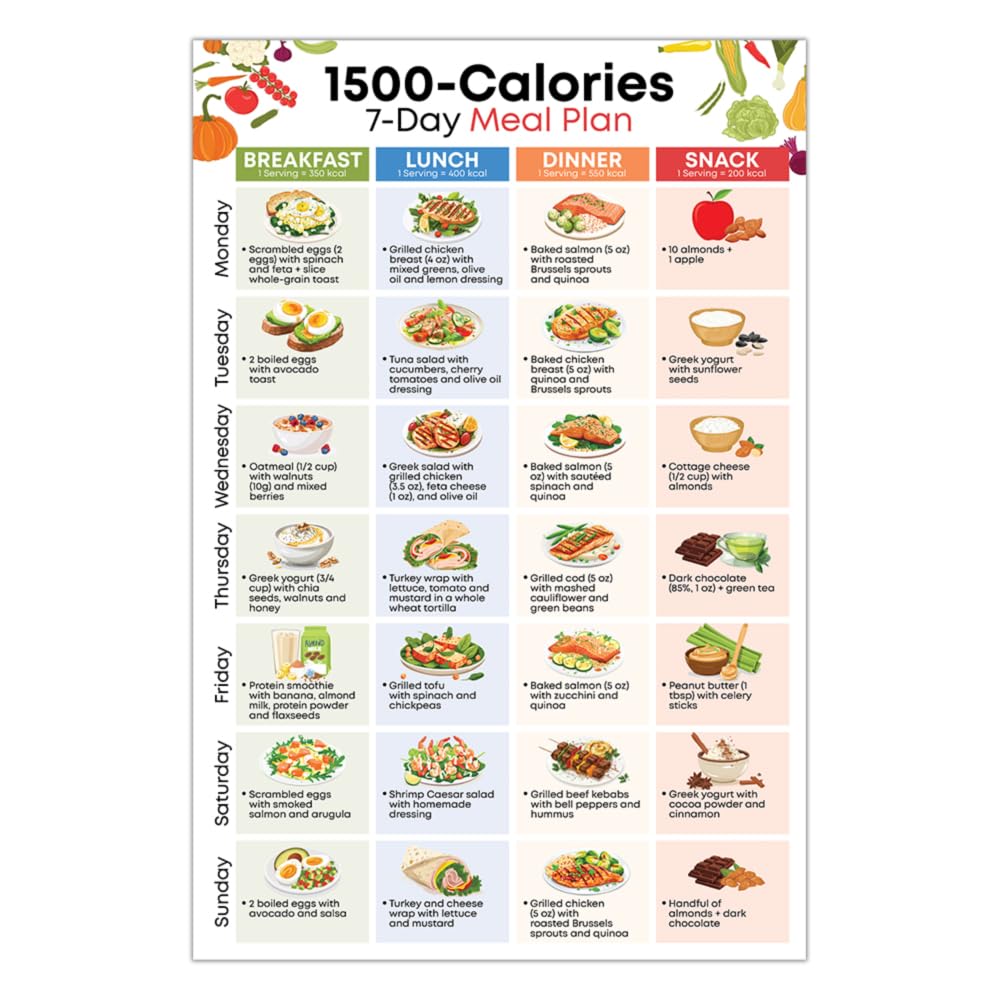
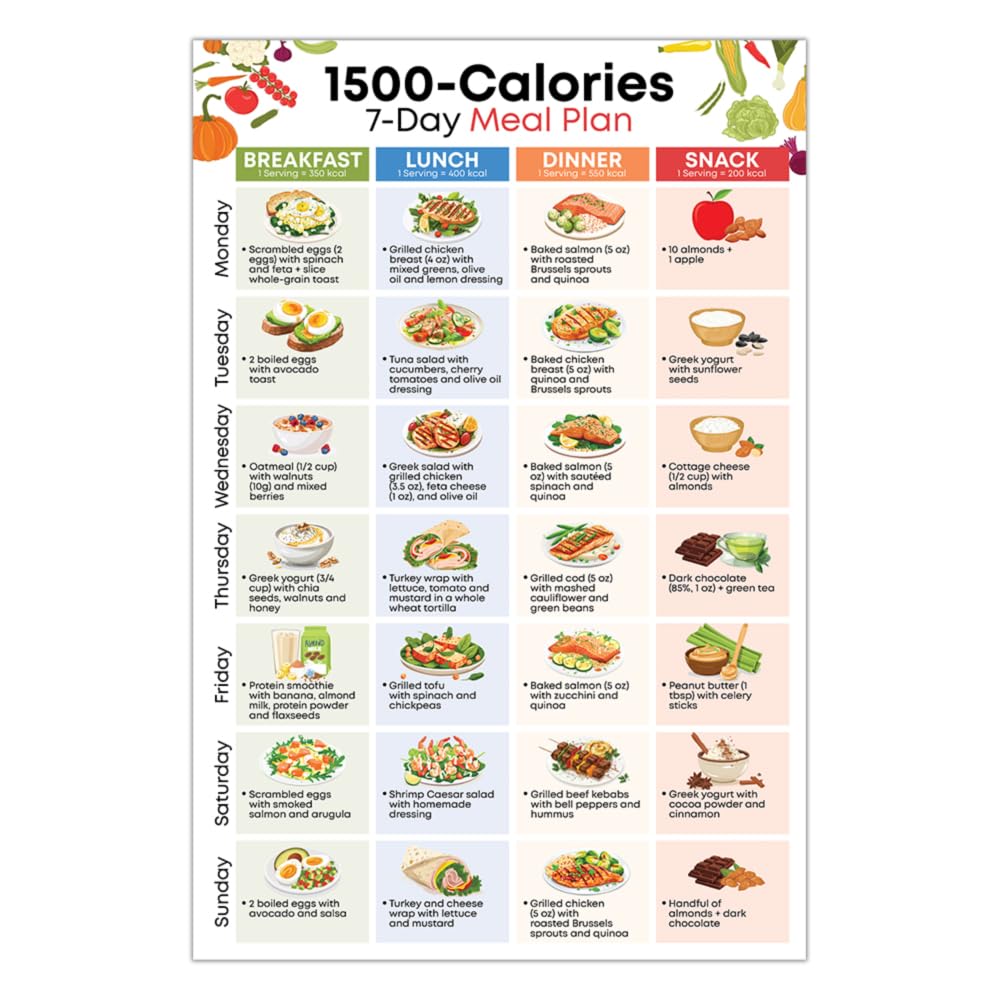
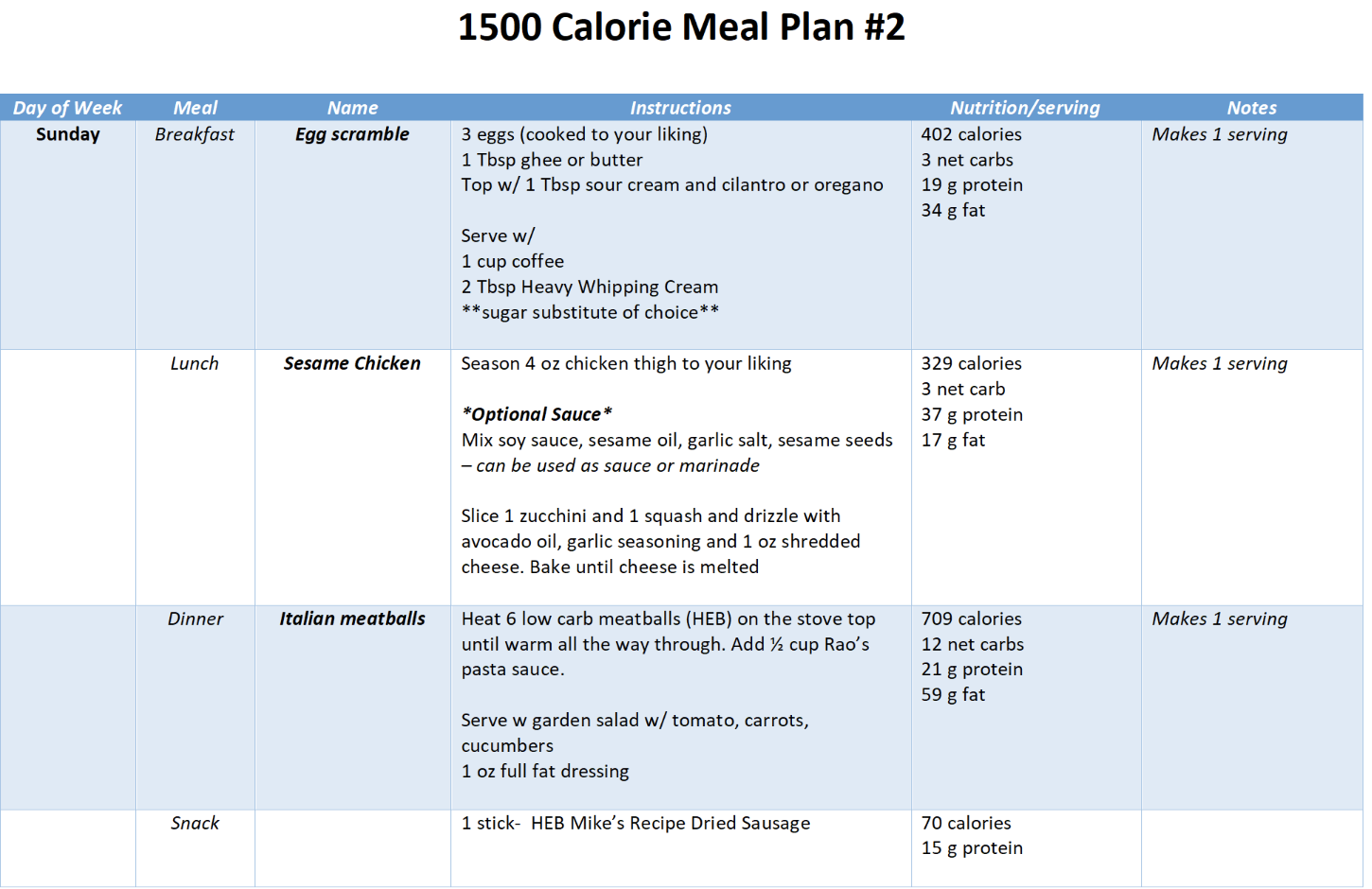
Sample 1,500 Calorie Meal Plan with Carbs
Sometimes seeing a real day of eating makes everything click. Here's exactly what I might eat on a typical 1,500 calorie day with around 175 grams of carbs. This hits the sweet spot for most people trying to lose fat while keeping energy high.
Breakfast: 400 Calories, 50g Carbs
Three egg omelet with spinach and feta, one slice of whole grain toast, half an avocado, and a cup of berries. This combo gives you protein, fat, and slow-burning carbs to start the day.
Snack: 150 Calories, 20g Carbs
Greek yogurt with a tablespoon of honey and a handful of almonds. The honey adds quick fuel before a workout, and the protein keeps you full.
Lunch: 450 Calories, 55g Carbs
Grilled chicken bowl with half a cup of brown rice, black beans, corn, peppers, and salsa. Top it with a drizzle of lime and avocado for healthy fat.
Snack: 150 Calories, 15g Carbs
Apple with two tablespoons of natural peanut butter. Simple, portable, and hits both sweet and savory cravings.
Dinner: 350 Calories, 35g Carbs
Baked salmon, roasted sweet potato (about 150 grams), and a big side salad with olive oil dressing. This is my favorite dinner because it feels indulgent but fits the plan perfectly.
When you add it all up, you get 1,500 calories and around 175 grams of carbs, with plenty of protein, fiber, and healthy fats to keep you satisfied.
Common Mistakes to Avoid with Carbs on 1,500 Calories
I've made almost every carb mistake in the book, and I've watched my clients make them too. Here are the big ones that can wreck your results even when you're eating the right number of calories.
Mistake 1: Going Too Low Out of Fear
Cutting carbs to 50 or 75 grams a day might help you drop water weight fast, but it usually backfires. You feel tired, your workouts suffer, and you end up bingeing later. Moderate carbs keep your metabolism active and your hormones balanced.
Mistake 2: Eating Only "Healthy" Carbs but Too Many
Quinoa and sweet potatoes are great, but calories still count. I had a client who ate a pound of sweet potatoes daily and wondered why he wasn't losing weight. Even healthy carbs can stall progress if portions get out of hand.
Mistake 3: Ignoring Hidden Carbs in Sauces and Drinks
That fancy coffee drink might have 40 grams of carbs. The BBQ sauce on your chicken adds another 10. These sneaky carbs add up fast and can blow your daily target without you realizing it.
Mistake 4: Skipping Carbs Around Workouts
Your muscles need glycogen to perform well and recover faster. If you strength train or do cardio, eat some carbs before and after. A banana pre-workout and rice with dinner post-workout makes a huge difference in how you feel and how your body responds.
Mistake 5: Not Adjusting Based on Results
Your starting carb target is a guess, not a rule. If you're constantly hungry, tired, or not losing weight after two to three weeks, it's time to tweak. Sometimes that means dropping carbs by 25 grams, other times it means adding more around your workouts.

How to Adjust Carbs Based on Your Activity Level
Your daily movement changes everything about how many carbs you need. Someone sitting at a desk all day has wildly different fuel needs than someone doing heavy squats five times a week.
Sedentary Days
On rest days or when you're stuck at your desk, aim for the lower end of the carb range, around 100 to 130 grams. Your body doesn't need as much fuel, and going lower can help nudge fat loss along without feeling restrictive.
Light Activity Days
Walking, yoga, or casual biking calls for around 150 grams. This gives you enough energy to move comfortably without overdoing it.
Intense Training Days
Heavy lifting, HIIT, or long cardio sessions demand more fuel. Bump carbs up to 200 grams or higher on these days. I add an extra 25 to 50 grams of fast-digesting carbs like white rice or fruit around my workouts on leg day.
Carb Cycling for Faster Results
Some of my more advanced clients use carb cycling, which means alternating high and low carb days. You might eat 200 grams of carbs on workout days and 100 grams on rest days. This keeps your metabolism guessing and can break through plateaus when regular dieting stops working.

The Role of Fiber in Your Carb Count
Here's something most people overlook: not all carbs act the same in your body. Fiber is the MVP that changes how carbs affect your energy, hunger, and blood sugar.
When you eat an apple with skin, you get about 25 grams of carbs but only 20 grams actually impact your blood sugar. The other 5 grams are fiber that passes through your system, feeding your gut bacteria and keeping digestion regular.
Most adults need 25 to 35 grams of fiber a day, but the average person eats around 15. On a 1,500 calorie diet, prioritizing fiber-rich carbs helps you stay full longer and absorb nutrients better. Veggies, beans, berries, and oats are fiber superstars that should fill most of your carb budget.
If you're not used to high fiber, ramp up slowly and drink plenty of water. Going from 15 to 35 grams overnight will leave you bloated and uncomfortable.
Frequently Asked Questions
Is 100 grams of carbs enough on a 1,500 calorie diet?
Yes, 100 grams of carbs can work if you're sedentary and focused on fat loss, but it might leave you tired or hungry if you exercise. Most active people feel better with 150 grams or more.
How many carbs should I eat if I want to lose weight on 1,500 calories?
For weight loss, aim for 100 to 150 grams of carbs from whole food sources. This keeps you in a moderate deficit while preserving muscle and energy. Going below 75 grams usually isn't necessary and can backfire.
What happens if I eat too many carbs on a 1,500 calorie diet?
Eating too many carbs crowds out protein and fat, which can leave you hungry and stall fat loss. It also spikes blood sugar, leading to energy crashes and cravings later in the day.
Are carbs bad for you on a calorie-controlled diet?
No, carbs aren't bad at all. They're your body's main fuel source. The key is choosing quality carbs from whole foods and matching your intake to your activity level and goals.
Should I count net carbs or total carbs on 1,500 calories?
Count total carbs for simplicity and accuracy. Net carbs (total minus fiber) matter more for keto diets. On a moderate plan like 1,500 calories, tracking total carbs keeps things straightforward and easy to manage.
Final Thoughts
Getting your carbs right on a 1,500 calorie diet comes down to three things: your activity level, your food quality, and your consistency. Start with 150 to 200 grams from whole food sources like oats, rice, fruit, veggies, and beans. Adjust up or down based on how you feel and how your body responds over the next two to three weeks.
The magic isn't in some perfect number. It's in finding the sweet spot where you have steady energy, controlled hunger, and steady progress toward your goals. Pay attention to your workouts, your mood, and your hunger signals. Those are better guides than any calculator.
If you've been struggling with low energy or stalled weight loss, try bumping your carbs up by 25 grams a day for a week. You might be surprised how much better you feel and how much easier it becomes to stick with the plan. Drop a comment below with your goals or questions, and I'll help you dial in your perfect carb target.