How Can I Get More Magnesium In My Diet: Best Food
Most people can boost their magnesium intake by eating more leafy greens, nuts, seeds, whole grains, and legumes every day. After helping clients fix fatigue, cramps, and poor sleep for years, I've seen firsthand how small food swaps make a real difference.
If you've been feeling run down, getting headaches, or dealing with muscle twitches, your body might be quietly asking for more magnesium. It's a mineral that works behind the scenes in over 300 enzyme reactions, from keeping your heart steady to helping you actually relax at night. Yet most adults don't get enough from food alone. The good news? You don't need fancy supplements to fix this. Real, everyday foods can do the job, and I'll walk you through exactly which ones to focus on, how much you need, and simple ways to build them into your meals without overhauling your whole diet.
Why Magnesium Matters More Than You Think
Magnesium is one of those nutrients that doesn't get a lot of attention, but it touches nearly every part of your health. It helps convert food into energy, supports muscle and nerve function, keeps your heartbeat steady, and even plays a role in mood and sleep. Without enough of it, things can start to feel "off" in ways you might not connect to a mineral deficiency at first.
When I first started paying attention to magnesium in my own diet, I was dealing with restless legs at night and a vague sense of tiredness that coffee couldn't fix. After a few weeks of intentionally eating more magnesium-rich foods, the difference was honestly surprising. That's when I realized how powerful this quiet mineral really is.
Here's a quick look at what magnesium does for you:
- Supports energy production at the cellular level
- Helps muscles contract and relax properly
- Keeps nerves signaling smoothly
- Aids in bone strength, working alongside calcium and vitamin D
- Helps regulate blood sugar and blood pressure
- Plays a part in sleep quality and stress response
The tricky part? Many factors can quietly drain your magnesium levels, like stress, intense exercise, caffeine, alcohol, and even some medications. That's why it's worth being proactive and learning how to get more from your plate.

How Much Magnesium Do You Actually Need
Before we talk about foods, let's clear up one common question: how much magnesium should you be getting each day? The amount depends on your age, sex, and life stage, but here are the general daily targets most health experts recommend:
- Adult men: around 400 to 420 mg
- Adult women: around 310 to 320 mg
- Pregnant women: around 350 to 360 mg
These numbers might sound like a lot, but when you build your meals around whole foods, hitting them isn't as hard as you think. A single serving of pumpkin seeds, for example, gives you nearly half of what you need in one go.
A small heads-up: if you have kidney issues or take certain medications, your safe upper limit from supplements might be lower. Food sources are generally safe for most people, but it's always smart to check with your doctor if you have any health conditions.
The Best Food Sources of Magnesium
Now for the fun part, the actual foods that pack the most magnesium. Some of these might already be in your kitchen, and some might be new additions that are worth trying.
Dark Leafy Greens
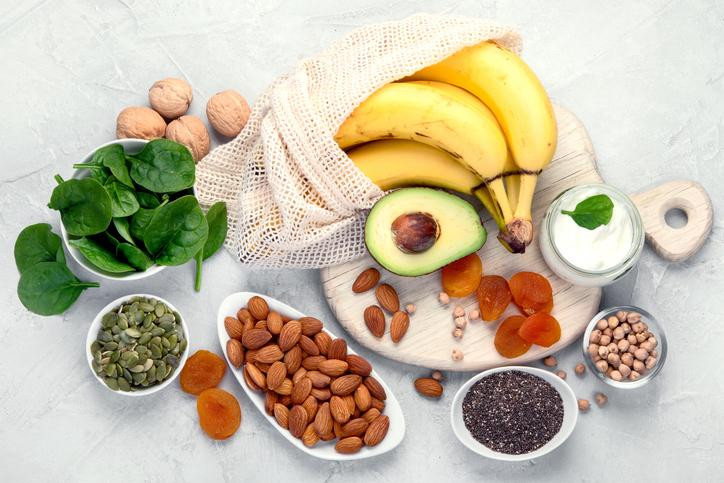
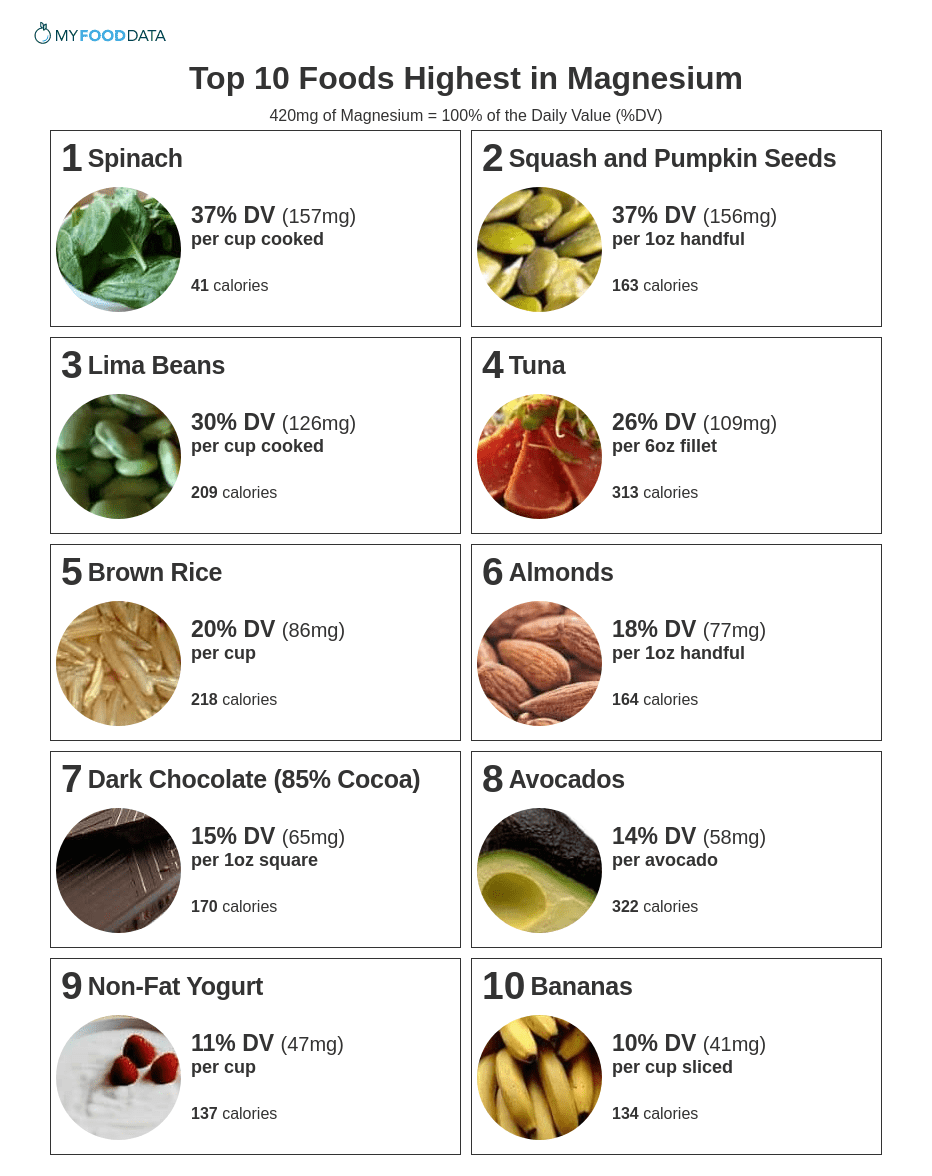
Think spinach, Swiss chard, kale, and collard greens. These are magnesium powerhouses. A single cup of cooked spinach delivers around 150 mg. I love tossing a big handful into morning smoothies or sautéing them with garlic for a quick side dish.
Nuts and Seeds
This is where magnesium really shines. Here are the top picks:
- Pumpkin seeds: about 156 mg per ounce
- Almonds: around 80 mg per ounce
- Cashews: roughly 74 mg per ounce
- Brazil nuts: about 107 mg per ounce
I keep a small jar of mixed nuts and seeds on my counter, and it makes a huge difference on busy days when I need a quick, satisfying snack that also happens to be doing my body good.
Whole Grains
Swap out refined grains for whole versions and you're already winning:
- Brown rice
- Quinoa
- Oats
- Whole wheat bread
- Buckwheat
A cup of cooked quinoa gives you around 64 mg, and oats aren't far behind. Plus, the fiber helps with steady digestion, so it's a win all around.
Legumes
Beans, lentils, chickpeas, and black-eyed peas are all great choices. A cup of cooked black beans has about 120 mg. They're affordable, filling, and work in so many dishes, from soups to salads to tacos.
Fatty Fish
Salmon, mackerel, and halibut offer a healthy dose of magnesium along with omega-3s. A piece of cooked salmon gives you around 53 mg, plus a bonus of heart-healthy fats.
Dark Chocolate
Yes, really. Dark chocolate (70% cacao or higher) contains magnesium, about 65 mg per ounce. It's one of my favorite "healthy treats" to recommend because it actually feels like a reward while still being good for you.
Avocado
This creamy fruit offers around 58 mg per medium avocado, plus potassium and healthy fats. It's one of the easiest foods to work into almost any meal.
Bananas
While they're better known for potassium, bananas also provide about 32 mg of magnesium. They're a great post-workout snack for that very reason.
Simple Ways to Add More Magnesium to Your Daily Meals
Knowing which foods have magnesium is one thing, but actually getting them into your routine is where the magic happens. Here are some practical, no-fuss ideas I've used myself and shared with others over the years:
- Start your day with oats topped with pumpkin seeds, sliced banana, and a drizzle of almond butter. It's a magnesium-rich breakfast that takes five minutes.
- Add a handful of spinach to your morning smoothie. You won't taste it, but your body will thank you.
- Swap white rice for quinoa or brown rice at dinner. It pairs with just about anything.
- Snack smarter by keeping mixed nuts and seeds on hand instead of chips or crackers.
- Use dark leafy greens as a base for lunch salads. Add chickpeas, avocado, and a handful of almonds for a serious magnesium boost.
- Treat yourself to a square of dark chocolate after dinner. It's a feel-good way to close out the day.
- Try black bean tacos, lentil soups, or chickpea stews a few times a week. Legumes are an easy, budget-friendly win.
- Drink cacao-based drinks or smoothies. Raw cacao is one of the richest natural sources out there.
The key is small, consistent changes. You don't need to eat pumpkin seeds by the spoonful. Just sprinkle them on here and there, and the magnesium adds up faster than you'd expect.
Things That Can Lower Your Magnesium Levels
Even if you eat well, certain habits and factors can quietly deplete your magnesium stores. Being aware of these can help you stay ahead of the curve:
- High stress levels burn through magnesium faster
- Too much caffeine (coffee, energy drinks, soda)
- Alcohol use
- Intense or frequent exercise without proper recovery nutrition
- Refined sugar and processed foods
- Certain medications like diuretics or proton pump inhibitors
- Digestive issues like Crohn's or celiac disease that affect absorption
I learned this the hard way during a particularly stressful work season. I was eating pretty well, but I was also drinking three cups of coffee a day and barely sleeping. My energy tanked, and my legs kept cramping at night. Once I cut back on caffeine and added more magnesium-rich snacks, the cramps disappeared within a week.
Should You Take a Magnesium Supplement
While food should always come first, there are times when a supplement can be helpful, especially if your diet is limited or you have a known deficiency. Magnesium glycinate is one of the most popular forms because it's gentle on the stomach and well absorbed. Magnesium citrate is also a solid choice and can help with regularity.
That said, a few important tips:
- Start with a lower dose and work your way up to avoid digestive upset
- Avoid magnesium oxide if you want better absorption
- Always talk to your doctor before starting a new supplement, especially if you're on medication
- Remember that more isn't always better; too much magnesium from supplements can cause diarrhea or cramping
I personally use magnesium glycinate during high-stress weeks or when I travel and my diet is less consistent. It helps me sleep better and keeps those annoying muscle twitches away.

Signs You Might Not Be Getting Enough Magnesium
Sometimes your body gives you hints that something's off. Here are some common signs of low magnesium to watch for:
- Muscle cramps or twitches, especially at night
- Fatigue that doesn't go away with rest
- Trouble sleeping or restless sleep
- Headaches or migraines
- Anxiety or feeling on edge
- Irregular heartbeat
- Numbness or tingling in hands and feet
If any of these sound familiar, it doesn't automatically mean you're deficient, but it's worth paying attention to. Often, simply improving your diet is enough to turn things around.
Myths About Magnesium Worth Clearing Up
There's a lot of confusion out there about magnesium, so let me quickly clear up a few common myths:
- Myth: You get enough magnesium from a multivitamin. Truth: Most multivitamins only contain a small fraction of what you need.
- Myth: Magnesium is only important for bones. Truth: It supports hundreds of body functions, from energy to mood to heart health.
- Myth: You can only get it from supplements. Truth: Whole foods are often the best and safest source.
- Myth: Magnesium is the same regardless of form. Truth: Different forms absorb differently; some are better for sleep, others for digestion, and so on.
Frequently Asked Questions
What fruit is highest in magnesium?
Avocados are the magnesium leader among fruits, with about 58 mg per medium fruit. Bananas, figs, and raspberries are also solid sources, though they offer smaller amounts. Adding a serving of avocado to your day is one of the easiest ways to bump up your intake.
Can you get enough magnesium from food alone?
Yes, most people can meet their daily magnesium needs through a well-rounded diet focused on whole foods. Leafy greens, nuts, seeds, whole grains, and legumes together can easily get you to 300 to 400 mg a day without supplements.
What drinks are high in magnesium?
Cacao-based drinks, mineral water, and herbal teas made with nettle or chamomile offer some magnesium. Coffee and alcohol, on the other hand, can actually deplete your levels, so enjoy them in moderation.
Is it better to take magnesium at night or in the morning?
Many people find magnesium works best at night because it supports relaxation and sleep. Magnesium glycinate in particular is popular as a bedtime supplement. If you're using it for energy or muscle recovery, splitting doses between morning and evening can work too.
How long does it take to fix a magnesium deficiency?
It depends on how low your levels are, but most people start noticing improvements within one to four weeks of increasing their intake. For deeper deficiencies, it might take a few months of consistent effort through food and possibly supplements.
Wrapping It Up
Getting more magnesium in your diet doesn't have to be complicated or overwhelming. By focusing on simple, whole foods like leafy greens, nuts, seeds, whole grains, legumes, and fatty fish, you can naturally hit your daily targets and feel the difference in your energy, sleep, and overall well-being. The trick is consistency, not perfection. A handful of pumpkin seeds here, a spinach smoothie there, and a square of dark chocolate for good measure, it all adds up.
Start with one or two small changes this week. Maybe swap your afternoon chips for a handful of almonds, or add a side of sautéed spinach to dinner. Once you see how good you feel, you'll naturally want to do more. Your body really does respond when you give it what it needs, and magnesium is one of those quiet heroes that makes everything else work better.
If you found this helpful, feel free to share it with someone who might need it, or drop a comment below with your favorite magnesium-rich food. I'd love to hear what's already in your kitchen.