How Much Is A Raw Food Diet For Dogs: 2026 Cost Guide
A raw food diet for dogs typically costs between $2 and $5 per day for small breeds and $5 to $15 per day for larger breeds, depending on the quality of ingredients and whether you buy pre-made or prepare meals at home. Monthly expenses usually range from $60 to $450, making it a significant investment compared to traditional kibble.
If you've been curious about feeding your dog a raw food diet but feel unsure about the costs, you're in the right place. As someone who has spent years researching pet nutrition and helping dog owners transition to raw feeding, I understand how confusing the pricing can be at first glance. The truth is, the cost of a raw dog food diet isn't a one-size-fits-all number. It shifts based on your dog's size, the ingredients you choose, and whether you buy ready-made raw meals or prepare them yourself in your own kitchen. In this guide, I'll walk you through everything you need to know about the actual costs, hidden expenses, money-saving tips, and what real dog owners are paying each month. By the end, you'll have a clear picture of whether raw feeding fits your budget and how to make it work if you decide to go for it.
<figcaption style=”font-size: 14px; color: #555; margin-top: 8px;”>
Source: dogsfirst.ie
What Does a Raw Food Diet for Dogs Actually Include?
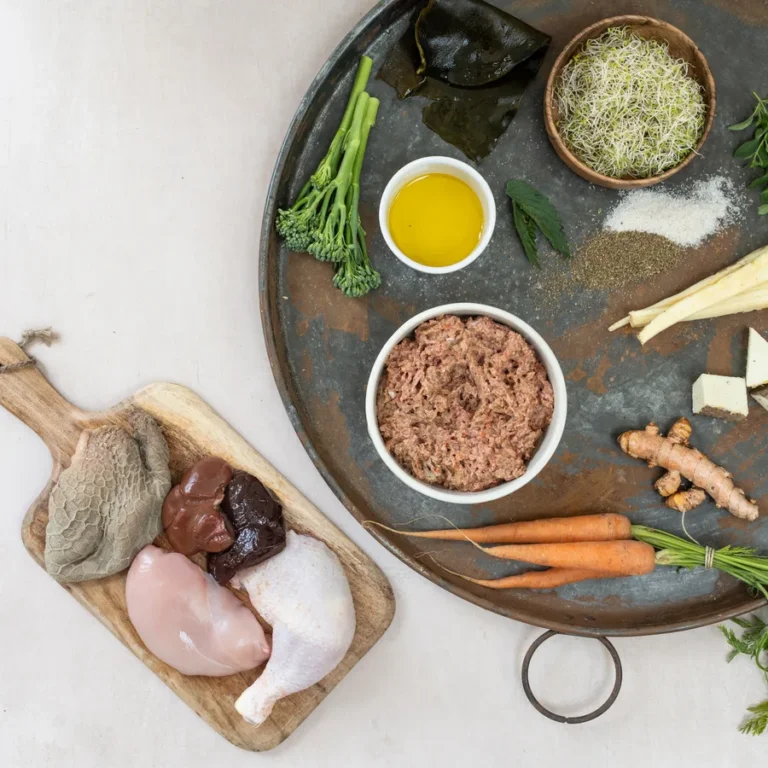
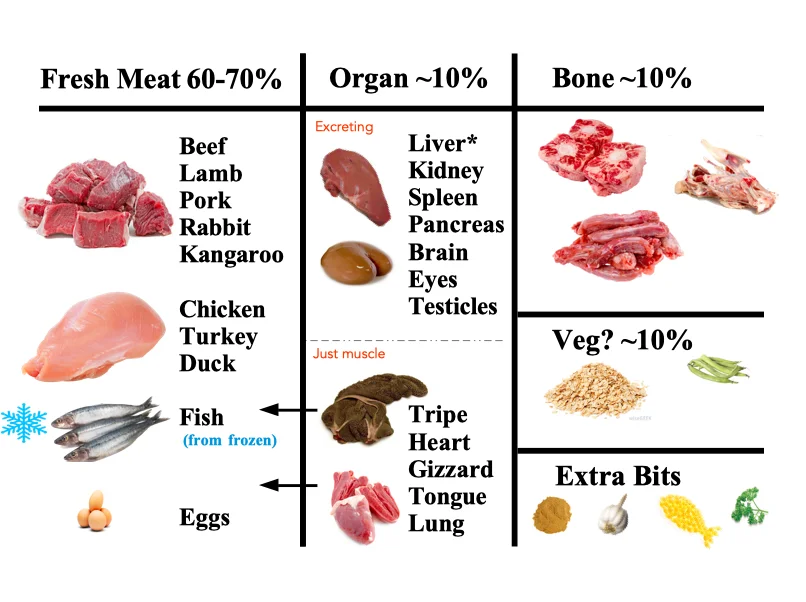
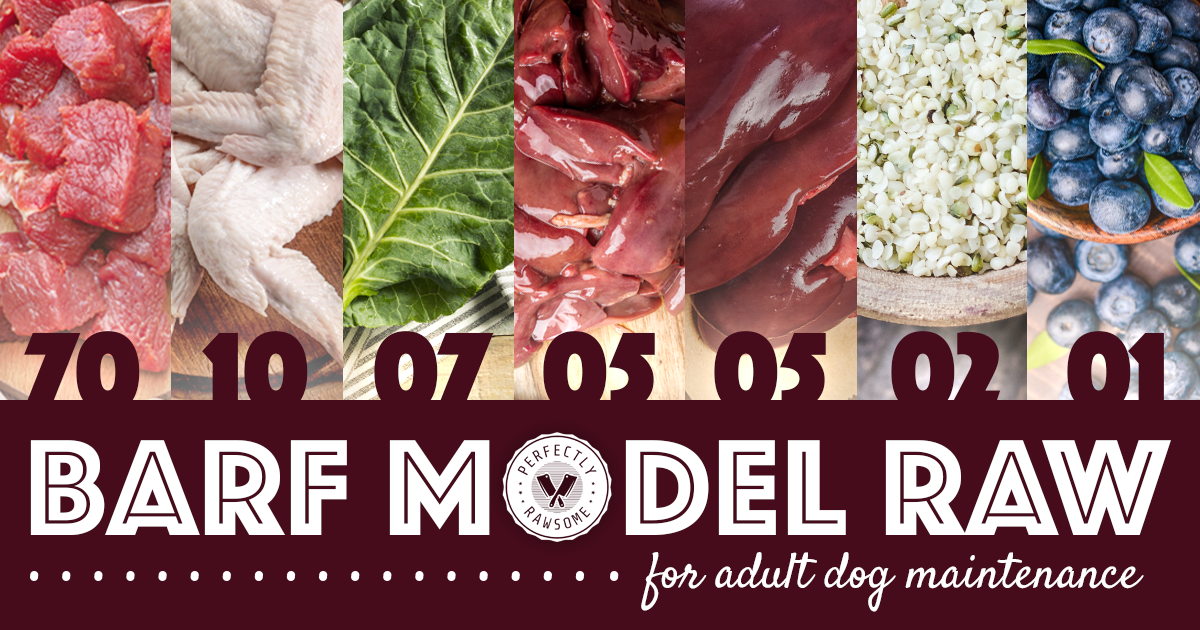
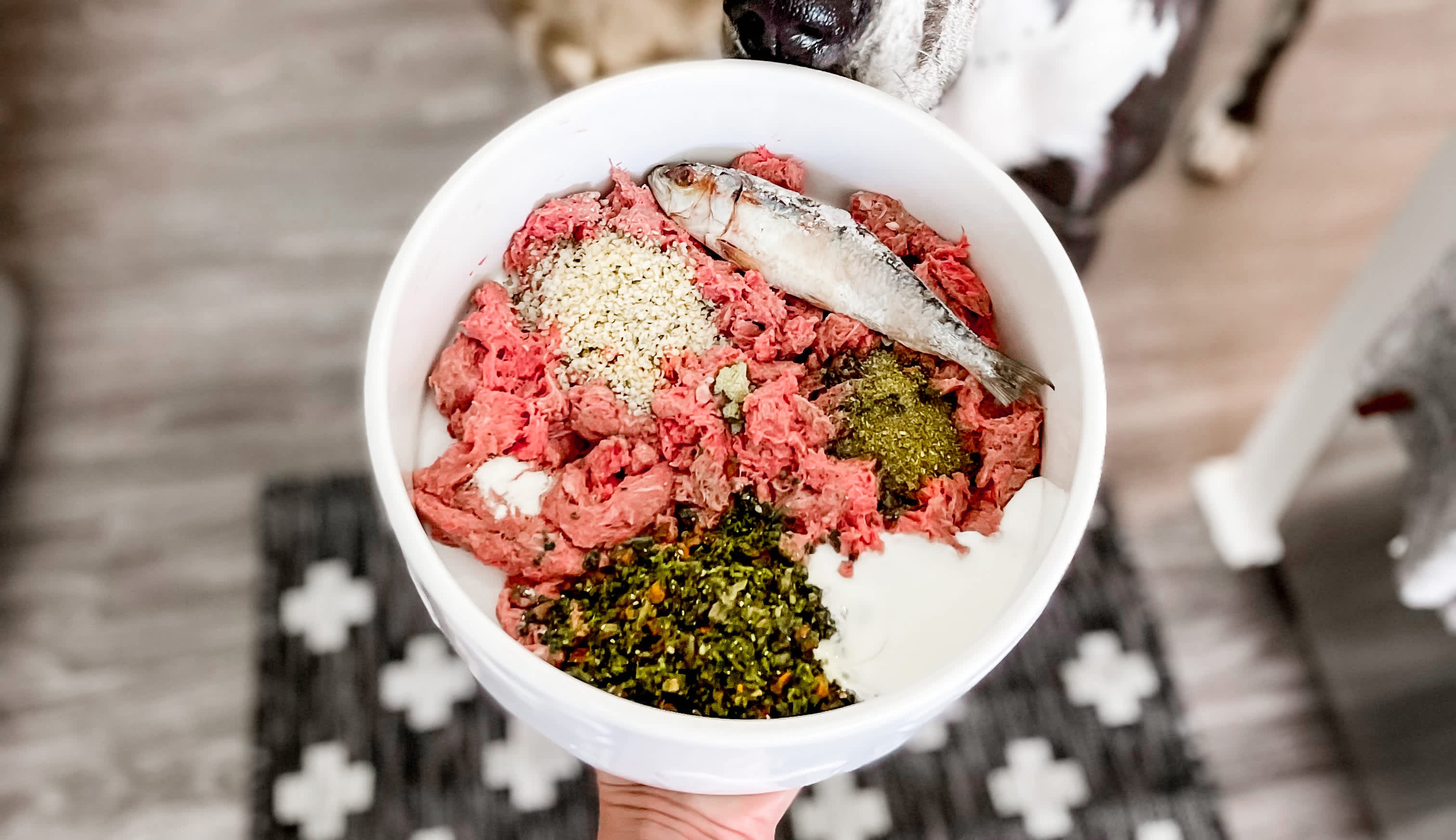
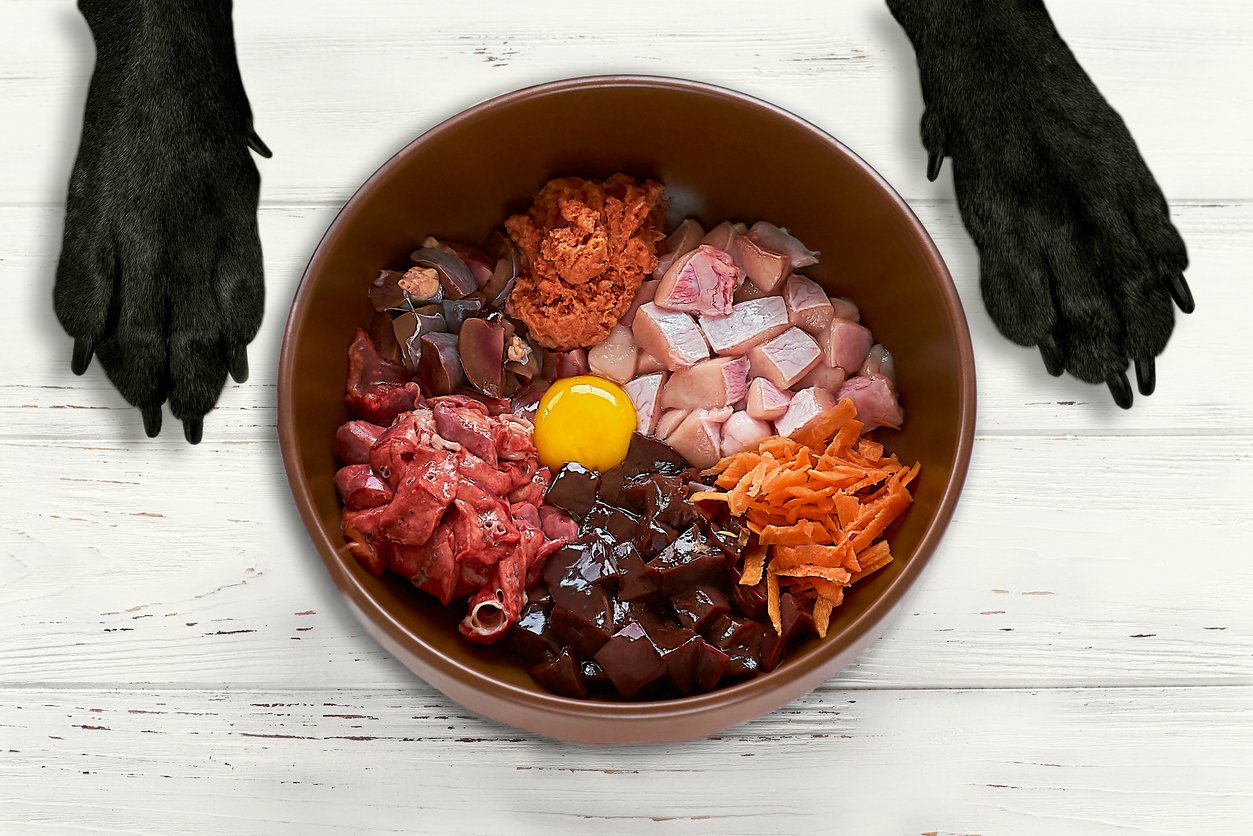
Before we dive into the numbers, let's quickly cover what a raw food diet for dogs actually is. A typical raw diet usually consists of raw muscle meat, organ meats, raw bones, and sometimes small amounts of vegetables, fruits, and supplements. Some pet parents follow the BARF diet (Biologically Appropriate Raw Food), which includes around 70% muscle meat, 10% raw edible bone, 5% liver, 5% other organ meats, and 7% vegetables and fruits, plus 3% nuts and seeds.
When people ask how much a raw food diet for dogs costs, they're really asking about the total expense of sourcing these fresh, high-quality ingredients on a regular basis. That's the foundation of every cost calculation you'll see below.
Average Daily Cost of a Raw Food Diet for Dogs
The daily cost is where most people start their budgeting journey. Here's a realistic breakdown based on dog size:
- Toy breeds (under 10 lbs): around $1.50 to $3 per day
- Small breeds (10 to 30 lbs): around $2 to $5 per day
- Medium breeds (30 to 60 lbs): around $4 to $8 per day
- Large breeds (60 to 90 lbs): around $6 to $12 per day
- Giant breeds (over 90 lbs): around $10 to $15 per day
On average, most dog owners spend about $2 to $5 per day feeding a small dog a raw diet and $5 to $15 per day for a large dog. This makes raw feeding noticeably more expensive than premium kibble, which often runs $1 to $3 per day for the same dog.
Monthly Cost Breakdown for a Raw Dog Food Diet
When you multiply those daily numbers by 30, the monthly cost of a raw food diet for dogs becomes clearer. Here's what you can realistically expect:
- Toy breeds: $45 to $90 per month
- Small breeds: $60 to $150 per month
- Medium breeds: $120 to $240 per month
- Large breeds: $180 to $360 per month
- Giant breeds: $300 to $450 per month
Most dog owners spend between $60 and $300 per month on a raw food diet, with the exact number depending heavily on portion size and ingredient quality. If you're feeding a 50-pound dog high-quality commercial raw food, expect closer to $200 per month. If you're preparing homemade raw meals from bulk grocery store ingredients, you might bring that number down to around $130 per month.
Pre-Made Raw Food vs Homemade Raw Meals: Which Is Cheaper?
This is one of the most common questions I get, and the answer really depends on how much time you have and how picky you are about ingredients.
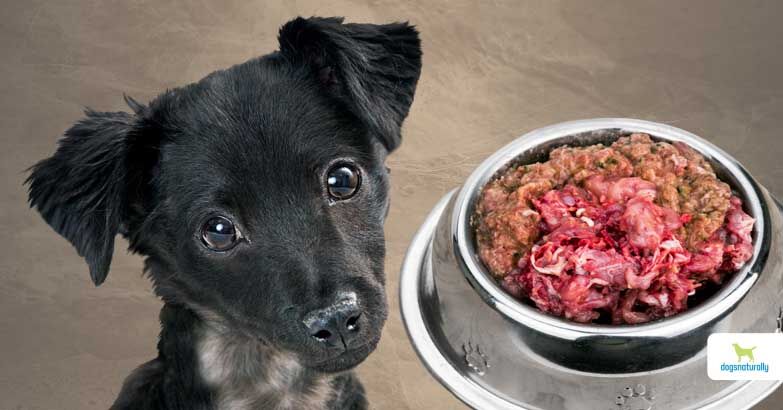
Pre-made commercial raw food (frozen patties, nuggets, or freeze-dried options) is convenient but comes at a premium. You're paying for sourcing, processing, packaging, and shipping. Expect to pay around $2 to $5 per pound for frozen raw dog food from reputable brands.
Homemade raw meals, on the other hand, let you buy in bulk from local butchers, grocery stores, or wholesale meat suppliers. A whole chicken might cost you $1.50 per pound, and organ meats like liver and kidney are often even cheaper. The trade-off is time. You'll need to source ingredients, portion them out, and store them properly.
For most dog owners I've worked with, homemade raw feeding saves about 20% to 40% compared to pre-made options. A medium-sized dog might cost $180 per month on pre-made raw food but only $110 to $130 per month on a well-planned homemade raw diet.
Hidden Costs of Feeding Raw That Most People Forget
When calculating how much a raw food diet for dogs really costs, it's easy to focus only on the food itself. But there are several hidden expenses that add up quickly:
- Freezer space: A large dog can need 30 to 50 pounds of raw food stored at any given time, which may require a separate chest freezer costing $200 to $400.
- Supplements: Most raw diets need added calcium, fish oil, and sometimes probiotics, adding $10 to $30 per month.
- Vet consultations: Not all vets are raw-feeding friendly, so you may need to see a holistic vet at higher rates.
- Food safety supplies: Separate cutting boards, knives, and storage containers add another $50 to $100 upfront.
- Time investment: If you value your time at all, the hours spent sourcing, prepping, and cleaning count as a real cost.
Adding these hidden costs, many dog owners spend an additional $30 to $80 per month beyond the food itself.
Cost Comparison: Raw Diet vs Kibble vs Wet Food
To put things in perspective, let's compare the monthly cost of different feeding styles for a 40-pound medium-sized dog:
- Budget kibble: $25 to $40 per month
- Premium kibble: $50 to $80 per month
- Wet food only: $80 to $140 per month
- Homemade raw diet: $110 to $180 per month
- Pre-made commercial raw food: $180 to $280 per month
Raw feeding costs roughly 3 to 5 times more than budget kibble and about 2 times more than premium kibble. For many owners, the higher cost is justified by better coat shine, smaller stools, fewer vet visits, and improved energy levels, though these benefits vary from dog to dog.
How to Save Money on a Raw Food Diet for Dogs
If the costs above feel steep, don't worry. There are practical ways to make raw feeding more affordable without cutting corners on nutrition:
- Buy in bulk directly from local farms or butchers and ask about whole animal prices.
- Use cheaper protein sources like chicken, turkey, and pork instead of beef and lamb.
- Include eggs, sardines, and cottage cheese as budget-friendly protein boosters.
- Join a raw food co-op or buying group in your area to access wholesale prices.
- Source organ meats separately since they're often heavily discounted.
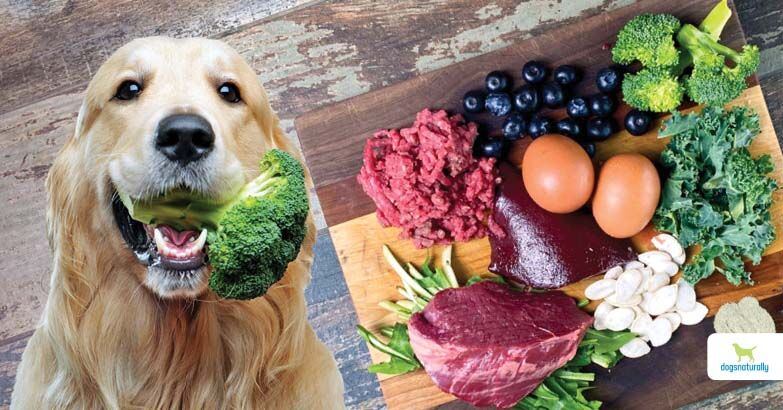
- Grow your own dog-safe vegetables like spinach, kale, and carrots to cut the produce bill.
Many of the raw-feeding dog owners I know spend 30% less than average simply by being smart about where they shop and what proteins they choose.
Is a Raw Food Diet Worth the Cost for Dogs?
Whether the higher price tag is worth it depends on your dog, your budget, and your priorities. Many raw feeders report noticeable improvements in dental health, coat quality, digestion, and overall vitality. Others find the time commitment and storage demands too overwhelming.
From my own experience helping dozens of families transition to raw feeding, the dogs that benefit most are those with food allergies, skin issues, or chronic digestive problems. Healthy dogs on quality kibble often do just fine without the extra expense.
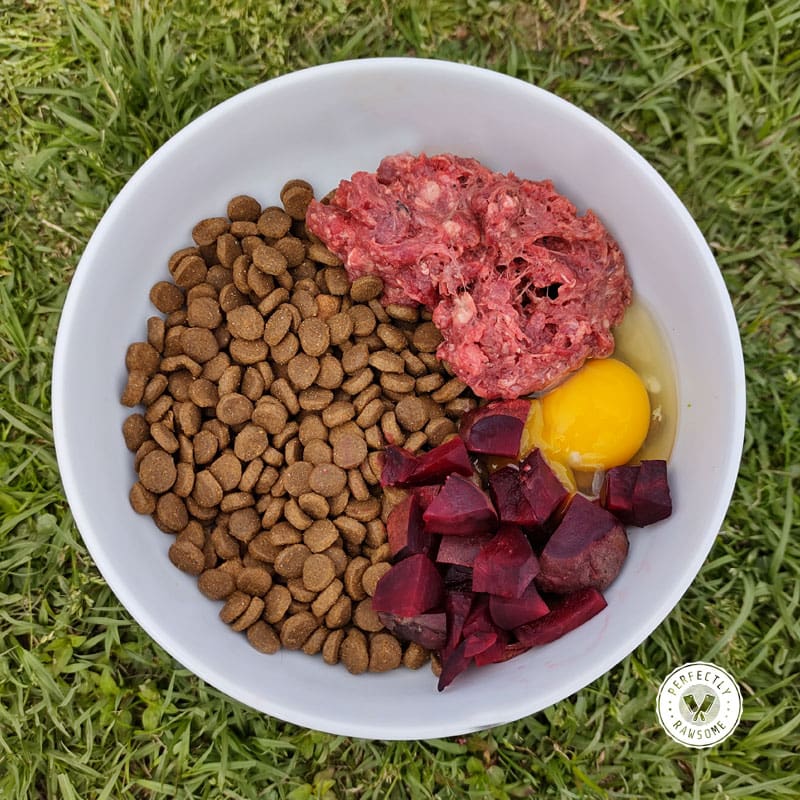
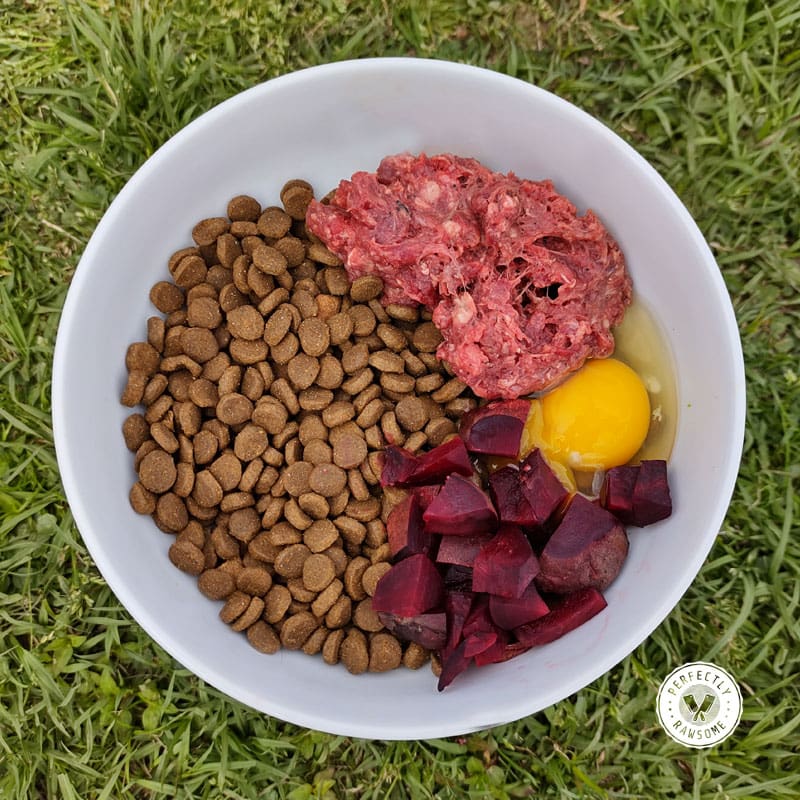
A good middle-ground approach is to mix raw food with high-quality kibble, sometimes called "topping off." This gives your dog some raw benefits while keeping the monthly bill much more manageable.
Frequently Asked Questions
Is a raw food diet more expensive than kibble?
Yes, a raw food diet is generally 2 to 5 times more expensive than kibble, depending on the brand, dog size, and whether you buy pre-made or homemade. A small dog might cost $60 per month on raw versus $25 on kibble, while a large dog could cost $300 per month on raw versus $70 on premium kibble.
How much raw food should I feed my dog per day?
Most adult dogs need about 2% to 3% of their body weight in raw food per day. A 50-pound dog typically eats 1 to 1.5 pounds of raw food daily. Puppies, active breeds, and underweight dogs may need closer to 5% to 10% of body weight, while less active or overweight dogs may need less.
Do I need a vet's approval before starting a raw diet?
It's a good idea to talk to a vet before switching, especially if your dog has health issues. Not all veterinarians support raw feeding, so look for one experienced in canine nutrition or holistic care. They can help you balance the diet properly and avoid common mistakes like calcium deficiency.
Can I feed my dog both raw and kibble?
Yes, many owners successfully feed a mixed diet. Some prefer to feed raw and kibble in separate meals to avoid any digestion issues, while others simply top kibble with raw food. There's no strong evidence that mixing causes harm in healthy dogs, though some holistic vets recommend separating them by a few hours.
What is the cheapest way to feed a raw diet?
The cheapest way to feed raw is to source proteins in bulk from local butchers, farms, or wholesale clubs, and prepare meals at home. Buying whole chickens, beef heart, liver, and kidney in bulk can bring your monthly cost down to $80 to $150 even for a large breed.
Final Thoughts
The real cost of a raw food diet for dogs ranges from about $60 to $450 per month, with most owners spending $150 to $250 for a medium-sized dog. While it's clearly more expensive than kibble, the difference in cost comes down to ingredient quality, sourcing, and convenience. With smart shopping and a bit of prep work at home, raw feeding can be more affordable than most people expect. Whether you choose to feed raw, kibble, or a mix, the best diet is one that keeps your dog healthy, happy, and well-nourished within a budget you can comfortably sustain. If you're ready to take the next step, start by talking to your vet, sourcing a local supplier, and trying a small batch before fully committing. Your dog's wagging tail will tell you if you've made the right choice.