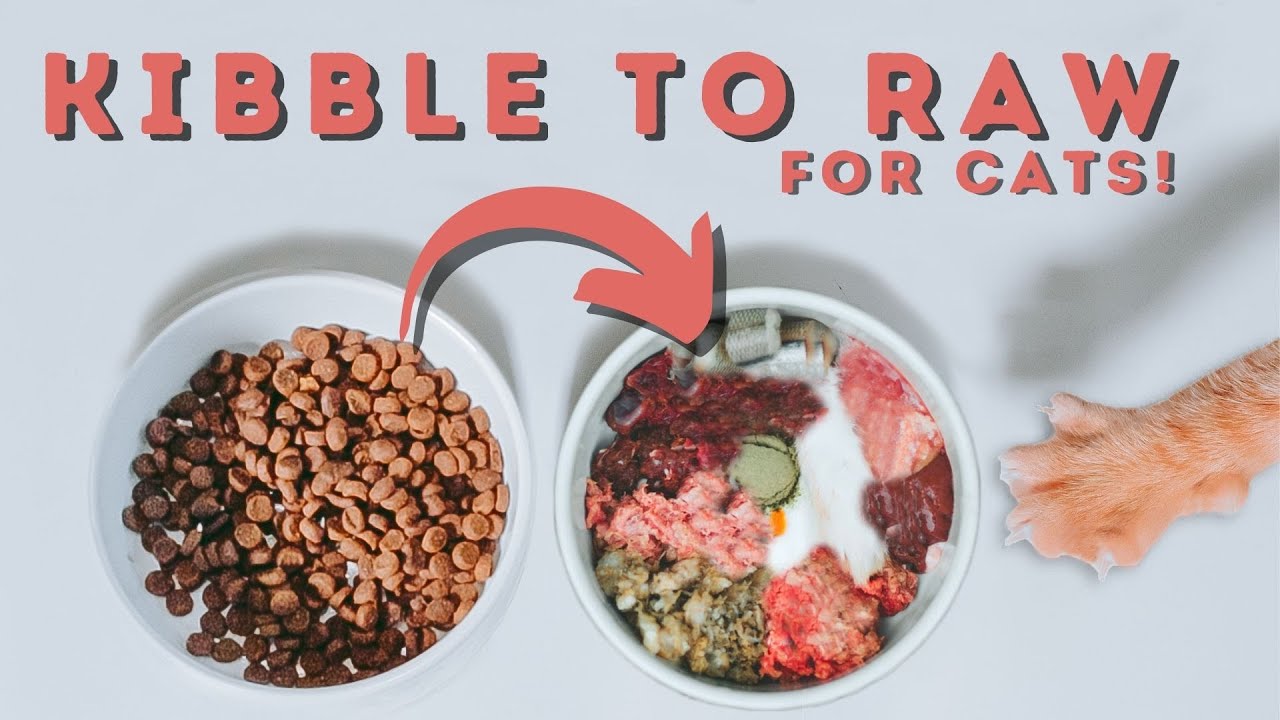
Cat Raw Diet How Much To Feed: Complete Guide
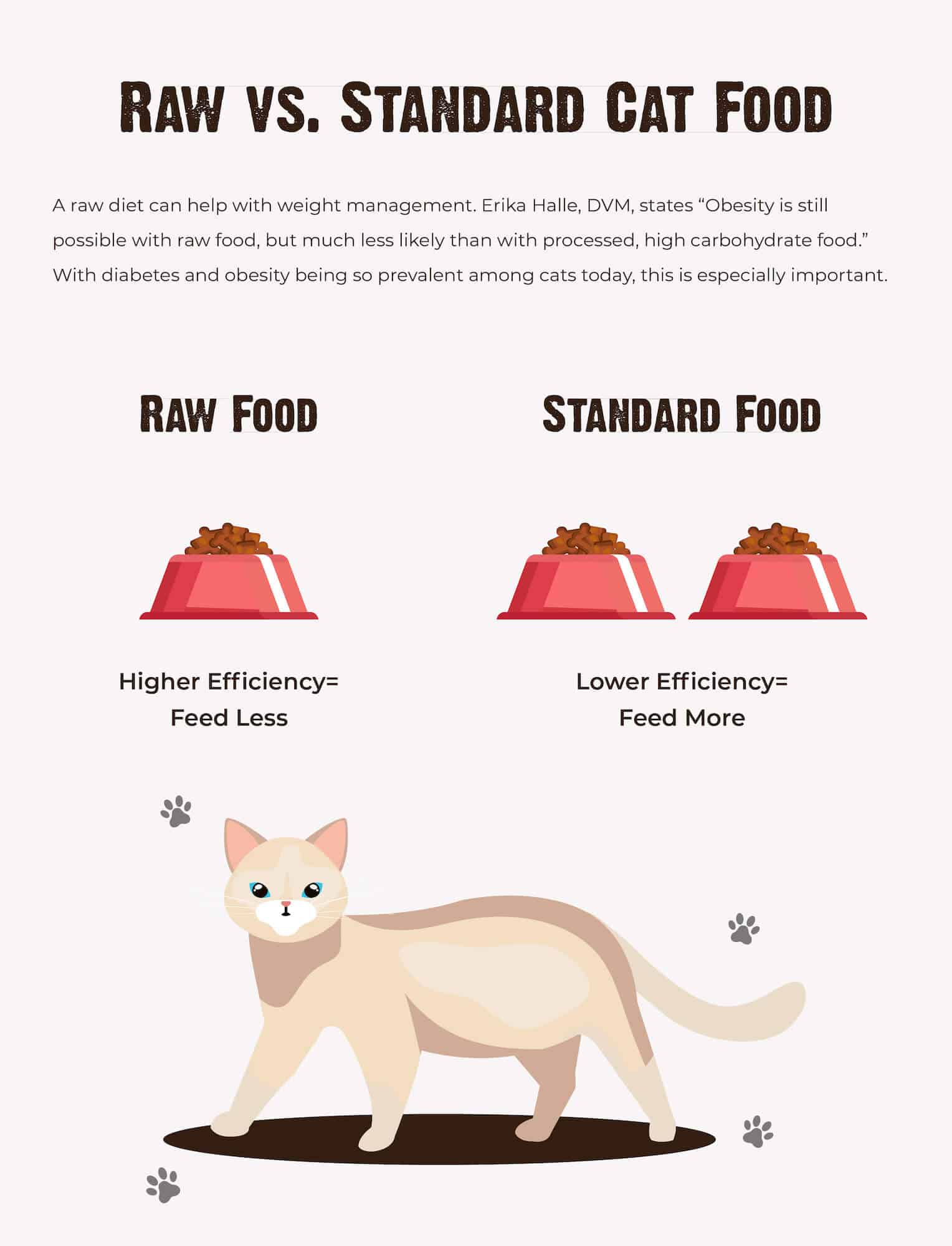
Feeding your cat a raw diet typically means offering about 2% to 4% of their ideal body weight in raw food per day, split into two meals.
If you've ever stared at a pile of raw chicken or beef wondering, "Am I really giving my cat the right amount?" you're not alone. Figuring out how much to feed on a raw diet can feel like solving a puzzle with no instructions. Most cat parents want to do right by their furry companion, but the rules aren't always clear. The good news is that once you understand the basics of portion sizes, your cat's age, weight, and activity level, feeding raw becomes much easier and more rewarding. I've spent years helping pet owners transition to raw feeding, and I've seen firsthand how proper portions can transform a cat's energy, coat, and overall health.
Understanding the Basics of a Raw Cat Diet
A raw cat diet focuses on feeding your feline unprocessed, whole foods like muscle meat, organs, and bones. This approach mimics what cats would eat in the wild, where their ancestors hunted small prey. Many owners switch to raw because they notice fewer digestive issues, shinier coats, and better dental health in their cats.
The core idea behind raw feeding is simple: cats are obligate carnivores, meaning their bodies are built to thrive on animal-based proteins and fats. Unlike dogs or humans, cats have very little ability to digest plant matter, so their diet should reflect that biological reality. When done right, raw feeding supports lean muscle, strong immunity, and stable energy levels throughout the day.
That said, raw feeding isn't just about tossing a piece of meat in a bowl. Balance matters. A proper raw diet includes:
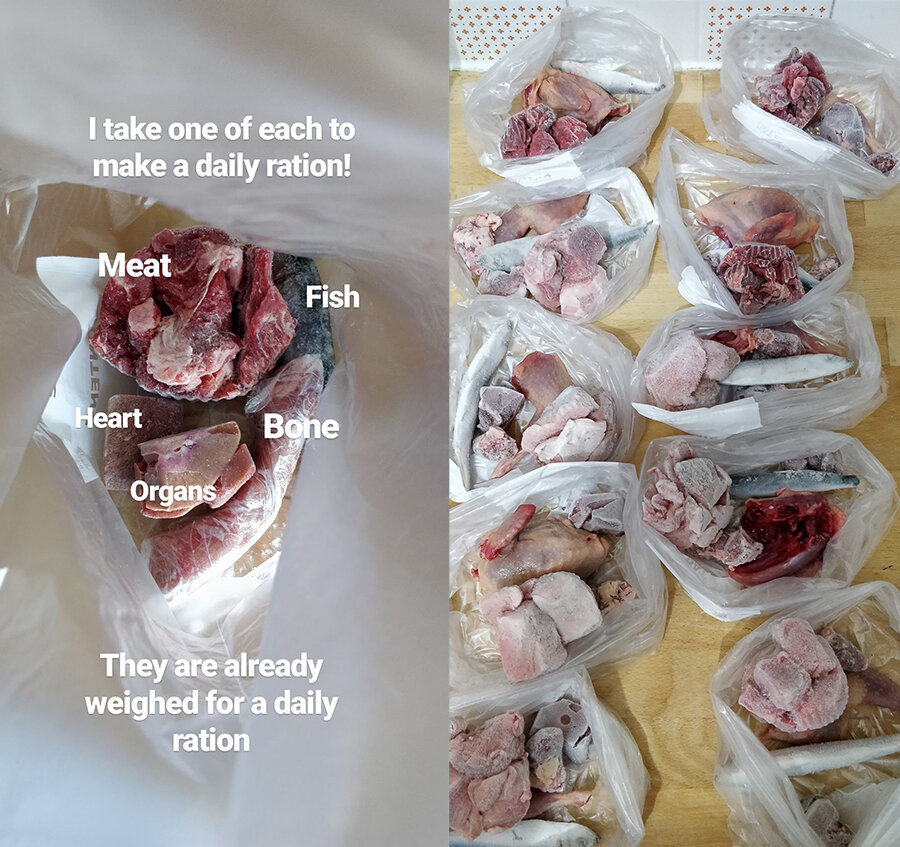
- Muscle meat (about 70% to 80%)
- Raw edible bones (about 10% to 15%)
- Organ meats like liver and kidney (about 5% to 10%)
- Small amounts of supplements or egg yolks for extra nutrients
Getting these ratios right helps prevent nutritional gaps over time. Without balance, cats can develop issues with calcium, phosphorus, or vitamin levels. Think of it like building a house; you need the right materials in the right amounts to keep everything standing strong.

How Much Raw Food to Feed Your Cat by Weight
The most trusted rule of thumb for raw feeding is to feed between 2% and 4% of your cat's ideal adult body weight each day. This range gives you flexibility based on your cat's lifestyle and metabolism.
Here's a simple breakdown:
- Kittens (under 6 months): Feed about 5% to 10% of their current body weight daily, split into 3 to 4 small meals.
- Young adults (1 to 5 years): Most active, healthy cats do well at 2.5% to 3.5% of their ideal weight.
- Less active or overweight cats: Drop closer to 2% to encourage gradual weight loss without starving them.
- Senior cats (10+ years): Often do well at 2% to 3%, depending on health and muscle condition.
To make this easier, let's look at a real example. If your ideal adult cat weighs 10 pounds, that's about 4.5 kilograms. Feeding 3% of that weight means about 135 grams of raw food per day. If your cat is very active or still a growing kitten, you might bump that up to 4%, which equals around 180 grams daily.
Remember, these numbers are starting points. Every cat is a little different, just like people. Some cats burn through calories like tiny furnaces, while others gain weight just by looking at food. That's why monitoring your cat's body condition is so important.
Reading Your Cat's Body Condition
Instead of relying only on the scale, use your eyes and hands. Run your hands along your cat's sides; you should feel a light layer of fat over the ribs without pressing hard. When you look down at your cat from above, they should have a slight waist, not a straight tube shape. If the ribs are sticking out sharply, your cat likely needs more food. If you can't feel the ribs at all, it's time to cut back slightly.

Factors That Affect How Much Raw Food to Feed
Every cat is unique, and several factors influence the exact portion size that works best. Understanding these variables helps you fine-tune your cat's meals over time.
Age and Life Stage
Kittens grow fast and need extra fuel to support bone development, muscle growth, and endless zoomies. They often require nearly double the percentage of food compared to adults. As cats reach maturity around 12 months, you can gradually reduce portions to the adult range. Senior cats may need slightly less food due to slower metabolisms, but they still need high-quality protein to preserve muscle mass.
Activity Level
An indoor cat that spends most of the day napping on the couch needs fewer calories than a cat that races around the house chasing toys or has access to the outdoors. Think of it like fueling a sports car versus a family sedan; the same fuel doesn't work for both. Active cats often thrive at 3.5% to 4% of their body weight, while couch potatoes do better at 2% to 2.5%.
Metabolism and Breed
Some breeds, like Bengals or Savannahs, have faster metabolisms and need more food to stay satisfied. Others, like British Shorthairs or Persians, tend to gain weight easily and benefit from tighter portion control. If you notice your cat losing weight too quickly or packing on extra grams, adjust accordingly.
Health Conditions
Cats with certain medical issues, such as kidney disease or diabetes, may need special dietary adjustments. Always work with your vet when adjusting food for a cat with health concerns. Raw feeding can still work for many of these cats, but the balance of nutrients might need to shift slightly.
Weather and Environment
Believe it or not, temperature plays a role. Cats in colder climates or those who spend time outdoors burn more calories keeping warm. During winter months, you might notice your cat seems hungrier, and that's perfectly normal. A small bump in portions during chilly weather can help maintain their healthy weight.

How to Calculate the Right Portion for Your Cat
Calculating raw food portions doesn't require advanced math. A simple step-by-step approach works for most cat owners.
- Weigh your cat or estimate their ideal adult weight.
- Multiply that weight by 0.02 to get the 2% amount.
- Multiply the same weight by 0.04 to get the 4% amount.
- Pick a percentage based on your cat's age, activity, and body condition.
- Divide the total daily amount into two meals, morning and evening.
- Weigh the food using a kitchen scale for accuracy.
For example, if your cat's ideal weight is 8 pounds (about 3.6 kg):
- 2% = 72 grams per day
- 3% = 108 grams per day
- 4% = 144 grams per day
If your cat is a healthy adult with moderate activity, starting at 3% (108 grams) gives you a solid middle ground. You can then adjust up or down based on how your cat responds over the next two to four weeks.
Why a Kitchen Scale Matters
Eyeballing portions is one of the most common mistakes new raw feeders make. A handful of meat can vary wildly in weight depending on how it's cut or packed. Using a digital kitchen scale takes the guesswork out and ensures your cat gets consistent nutrition every day. It's a small investment that pays off in long-term health.
Common Mistakes to Avoid When Feeding Raw
Even the most well-meaning cat owners can slip up when starting a raw diet. Here are some pitfalls I've seen over the years, along with simple fixes.
Feeding Too Much or Too Little
Overfeeding leads to weight gain and extra strain on joints and organs. Underfeeding causes muscle loss and low energy. Sticking to the percentage rule and tracking your cat's body condition every few weeks keeps things balanced.
Skipping Organ Meats
Some owners feed only muscle meat because their cats seem to love it. Organs like liver and kidney are essential for vitamins A, D, E, and K, plus crucial minerals. Without them, long-term deficiencies can sneak up on you. Think of organs as nature's multivitamin; skipping them defeats the purpose of a balanced raw diet.
Not Including Enough Bone
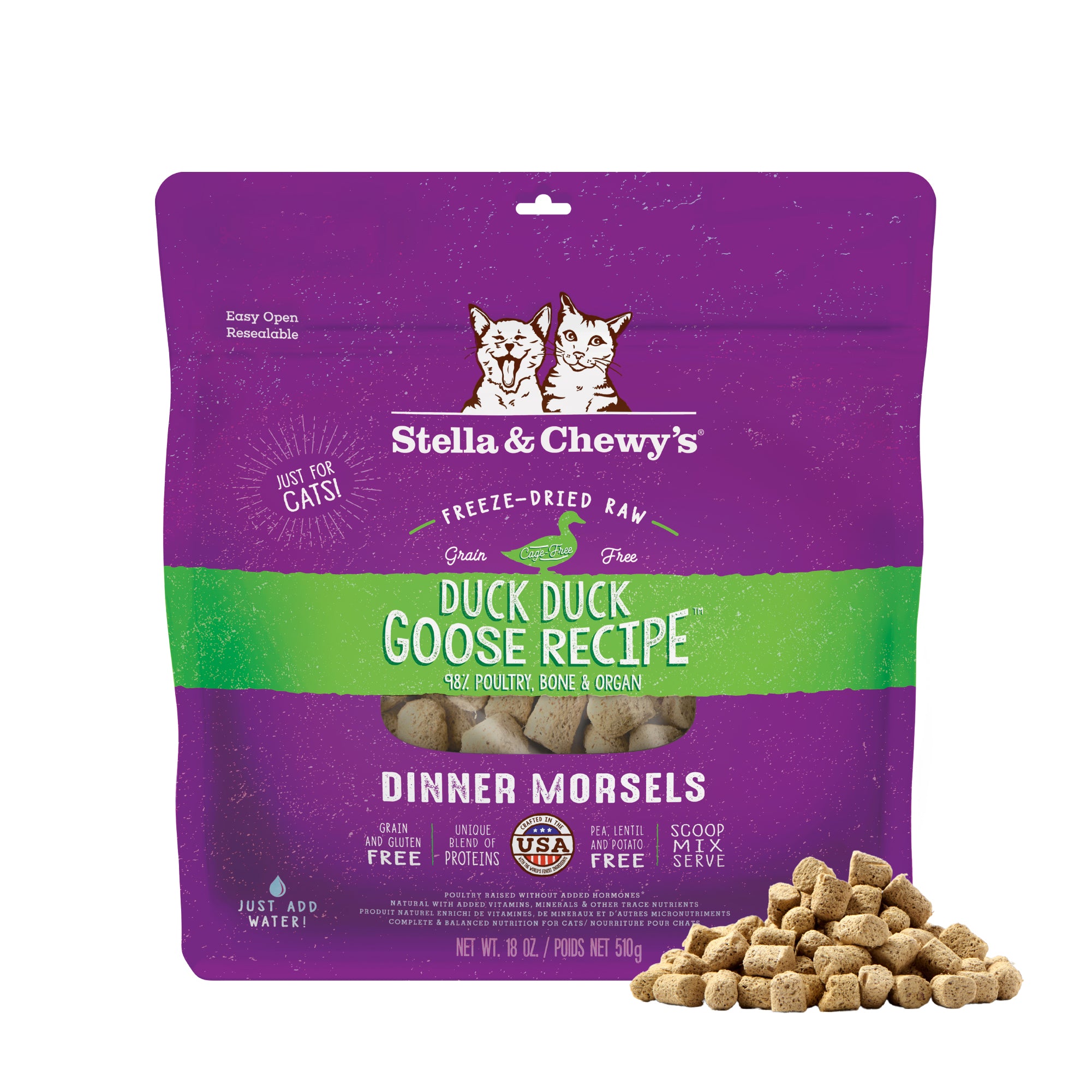
Raw bones provide calcium and help keep teeth clean. If you're using boneless meat, add a calcium supplement or include ground bone to maintain the proper calcium-to-phosphorus ratio. Cats on all-boneless diets often develop dental issues over time.
Switching Too Fast
Transitioning from kibble to raw overnight can upset your cat's stomach. A slow transition over 7 to 10 days gives the digestive system time to adapt. Start by mixing a small amount of raw with their current food, gradually increasing the raw portion each day.
Ignoring Food Safety
Raw meat carries bacteria, so handling it properly matters. Wash your hands, clean bowls daily, and store raw food in the fridge or freezer. Thaw frozen portions in the fridge, not on the counter, to keep things safe for both you and your cat.
Sample Daily Raw Feeding Plans for Different Cats
Seeing real numbers can make portion planning much easier. Here are a few examples based on common scenarios.
Example 1: Adult Indoor Cat, 10 lbs
- Daily food: 3% of 10 lbs = 135 grams
- Split into two meals: 67 grams in the morning, 68 grams in the evening
- Composition: 95 grams muscle meat, 20 grams raw bone, 20 grams organ
Example 2: Active Adult Cat, 8 lbs
- Daily food: 3.5% of 8 lbs = 126 grams
- Split into two meals: 63 grams each
- Composition: 88 grams muscle meat, 19 grams raw bone, 19 grams organ
Example 3: Kitten, 4 lbs (Growing)
- Daily food: 8% of 4 lbs = 145 grams
- Split into 3 to 4 meals: about 36 to 48 grams per meal
- Composition: Slightly more bone for growth, balanced organs
Example 4: Senior Cat, 9 lbs
- Daily food: 2.5% of 9 lbs = 102 grams
- Split into two meals: 51 grams each
- Composition: Easily digestible muscle meat, gentle on the stomach
These plans are starting points. Always observe your cat and adjust based on their energy, weight, and overall condition.
:max_bytes(150000):strip_icc()/raw-food-diet-for-cats-552329_final-63abf8807a2c450a97dce01e5d80a6c9.png)
How Often to Feed Raw Food to Cats
Most adult cats do great with two meals a day, spaced about 8 to 12 hours apart. This routine mimics a cat's natural hunting pattern and helps maintain stable blood sugar levels. Kittens benefit from three to four smaller meals because their tiny stomachs can't handle large portions at once.
If your cat has a tendency to gobble food too fast, try using a slow feeder or splitting meals into smaller portions throughout the day. Free-feeding is generally not recommended on a raw diet because raw meat spoils quickly when left out for long periods.
Should You Feed on a Schedule or Leave Food Out?
Unlike dry kibble, raw food shouldn't sit out for more than 30 minutes to an hour. Bacteria multiply quickly at room temperature, especially in moist, protein-rich food. Scheduled meals also help you monitor exactly how much your cat is eating, making it easier to spot any changes in appetite that might signal health issues.

Signs Your Cat Is Getting the Right Amount
Your cat will tell you, in subtle ways, whether their portions are working. Here are the key signs to look for:
- Shiny, soft coat without excessive shedding
- Healthy weight with a visible waist
- Consistent energy and playful behavior
- Firm, minimal stool (a sign of good digestion)
- Bright eyes and clean teeth
- Healthy appetite without constant begging or food obsession
If your cat's coat looks dull, they're gaining weight, or their energy seems off, it's worth revisiting your portion sizes. Small tweaks often make a big difference.
When to Adjust Portions
Adjust portions every two to four weeks based on your cat's body condition. If your cat is losing weight, add 10% more food. If they're gaining weight, reduce by 10%. Gradual changes prevent digestive upset and give you time to see results.

Frequently Asked Questions
How much raw food should I feed my cat per day?
Most adult cats need about 2% to 4% of their ideal body weight in raw food daily. For a 10-pound cat, that's roughly 90 to 180 grams, depending on activity level and metabolism.
Can I free-feed raw food to my cat?
Free-feeding raw isn't recommended because raw meat spoils quickly at room temperature. Scheduled meals twice a day keep food fresh and help you track portions accurately.
How do I know if I'm overfeeding my cat on a raw diet?
If your cat is gaining weight, has a rounder belly, or you can't feel their ribs easily, you're likely feeding too much. Reducing portions by about 10% usually helps them return to a healthy weight.
Do kittens need more raw food than adult cats?
Yes, kittens need more food relative to their body weight, often 5% to 10% daily, because they're growing quickly. Feed them three to four small meals until they're about six months old.
Should I weigh my cat's raw food portions?
Weighing raw food portions with a kitchen scale is the most accurate way to feed. Eyeballing portions can lead to overfeeding or underfeeding, especially when starting out.
Wrapping Up
Feeding your cat a raw diet doesn't have to feel complicated. Once you understand the simple percentage rule and learn to read your cat's body condition, portioning becomes second nature. The key is balance; the right mix of muscle meat, organs, and bones, paired with portions tailored to your cat's unique needs. Stick to the 2% to 4% guideline, adjust based on age and activity, and always keep food safety in mind. Your cat's shiny coat, bright eyes, and playful energy will be the best reward. If you're just starting out, grab a kitchen scale, track your cat's weight monthly, and don't be afraid to tweak portions as needed. Every small step you take brings your cat closer to a healthier, happier life.