How To Get More Fiber In Dogs Diet: Best Guide
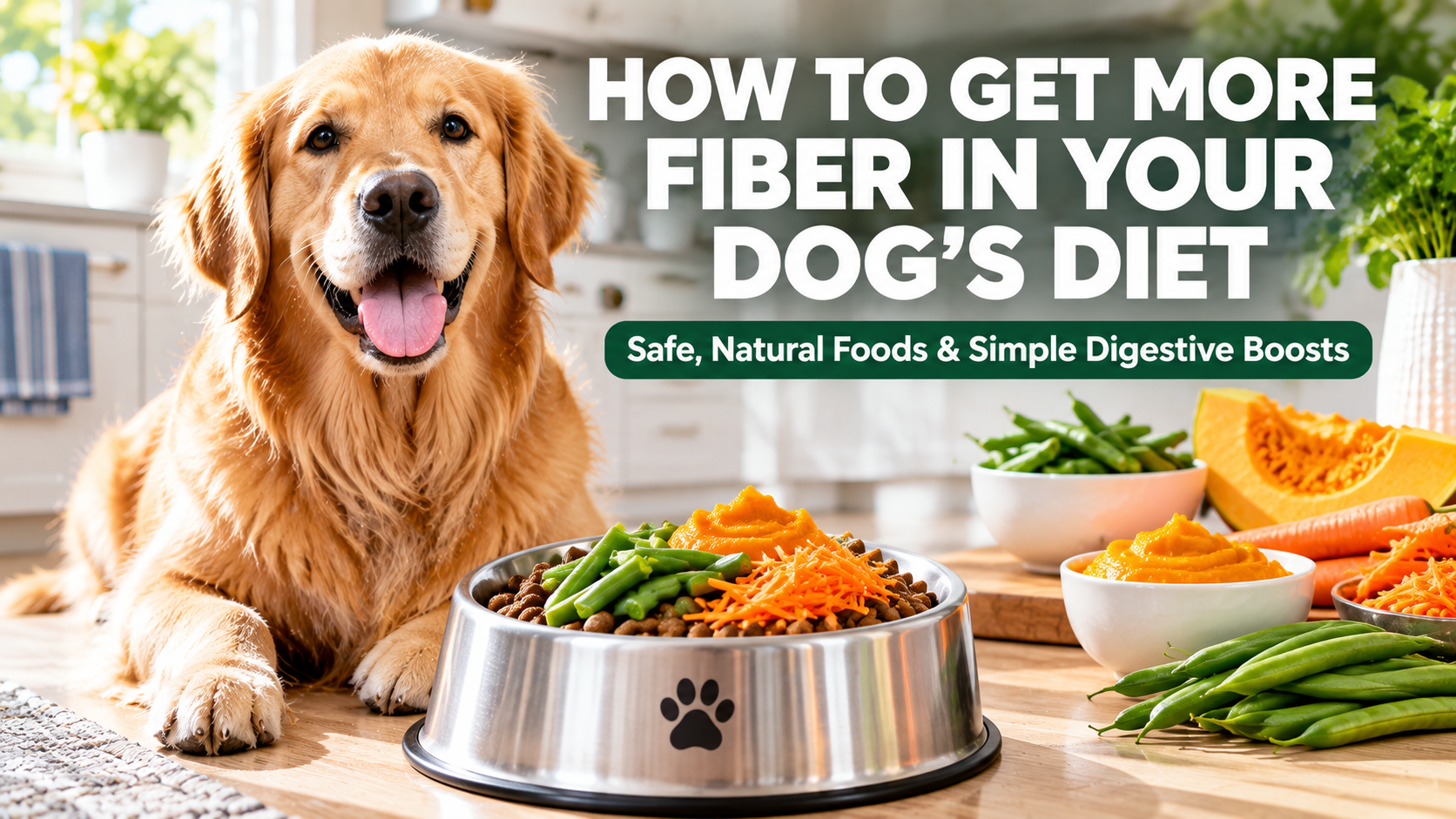
Adding fiber to your dog's diet is easier than you think, especially with simple swaps like pumpkin, green beans, and high-fiber kibble. As a certified canine nutrition coach with over eight years of experience working with dogs of all breeds and sizes, I have seen firsthand how the right amount of fiber transforms digestive health, stool quality, and even energy levels. Let me walk you through everything you need to know to safely and effectively boost fiber in your dog's diet.
Why Fiber Matters for Dogs
Fiber is more than just roughage. It plays a vital role in keeping your dog's gut healthy, their stools firm, and their overall well-being in check. Many dog owners underestimate fiber until they notice issues like constipation, diarrhea, or picky eating.
When I first started working with rescue dogs, I quickly learned that many digestive problems stemmed from low-fiber diets. Once we added the right fiber sources, the difference was almost immediate. Firmer stools, better appetite, shinier coats, and happier pups.
Here are the main benefits of fiber for dogs:
- Supports healthy digestion and regular bowel movements
- Helps manage weight by keeping dogs full longer
- Stabilizes blood sugar levels
- Promotes a healthy gut microbiome
- Reduces constipation and diarrhea
- Improves stool quality and anal gland health
How Much Fiber Does a Dog Actually Need?
Most commercial dog foods contain between 2% to 5% fiber on a dry matter basis. However, the ideal amount can vary based on your dog's age, breed, size, and health condition. Active dogs, overweight dogs, and those with digestive sensitivities may benefit from a slightly higher fiber intake.
From my experience, dogs with frequent soft stools or irregular bathroom habits often thrive on a diet with around 5% to 10% fiber. But more isn't always better. Too much fiber can lead to gas, bloating, and reduced nutrient absorption. The key is balance and gradual introduction.
If you're unsure about the right amount, your veterinarian can run a simple dietary assessment based on your dog's specific needs.

Best Natural Fiber Sources for Dogs
Adding natural fiber to your dog's meals is one of the safest and most effective ways to improve their diet. Over the years, I have tested dozens of fiber-rich foods with my own dogs and foster pups, and a few stand out as true winners.
Pumpkin
Plain, cooked pumpkin is the gold standard. It is rich in soluble fiber, easy to digest, and most dogs love the taste. A tablespoon or two mixed into their food can work wonders for digestion.
Green Beans
Low in calories and high in fiber, green beans are perfect for overweight dogs. You can steam them, freeze them as treats, or mix them into meals.
Sweet Potatoes
Cooked and mashed sweet potatoes provide both fiber and essential vitamins like beta-carotene. They are gentle on the stomach and great for sensitive dogs.
Apples
Remove the seeds and core, then chop up small pieces. Apples add crunch, hydration, and fiber to your dog's diet.
Carrots
Raw or steamed carrots are a fantastic crunchy snack that supports dental health while delivering a healthy fiber boost.
Oatmeal
Plain, cooked oatmeal is a wonderful source of soluble fiber, especially for dogs with sensitive stomachs. It is also filling and comforting.
Flaxseed
Ground flaxseed adds fiber and omega-3 fatty acids. Just a small sprinkle on top of your dog's food can make a big difference.
Psyllium Husk
This is a powerful fiber supplement often recommended by vets. It helps regulate bowel movements and is especially useful for dogs with chronic constipation or diarrhea.
Brown Rice
A gentle, fiber-rich carbohydrate that works well for dogs with digestive issues. It is easy to digest and pairs nicely with lean proteins.
Beet Pulp
A common ingredient in premium dog foods, beet pulp is a highly digestible fiber source that supports colon health and stool quality.
High-Fiber Commercial Dog Foods to Consider
Sometimes the easiest way to boost fiber is by switching to a high-quality dog food that already includes the right balance. If you are looking for convenience, look for formulas labeled as "high-fiber," "weight management," or "digestive support."
Here are some features to look for when choosing a high-fiber commercial dog food:
- Named whole food ingredients like pumpkin, sweet potato, or brown rice
- At least 4% to 6% crude fiber on a dry matter basis
- No artificial fillers, colors, or by-products
- Added probiotics for gut health
- AAFCO nutritional adequacy statement for your dog's life stage
Brands that use whole-food fiber sources rather than processed fibers tend to deliver better results. From my experience, dogs on whole-food diets show fewer digestive upsets and better long-term health.
How to Safely Add Fiber to Your Dog's Diet
Adding fiber to your dog's meals is not difficult, but it does require a thoughtful approach. I have seen well-meaning owners add too much too fast, leading to gas, bloating, and discomfort. The trick is to go slow and steady.
Follow these simple steps to safely introduce fiber into your dog's diet:
- Start with a small amount, around one teaspoon for small dogs or one tablespoon for larger dogs
- Mix it into their regular food so they get used to the taste and texture
- Gradually increase the amount over seven to ten days
- Monitor stool quality and adjust as needed
- Always provide plenty of fresh water, since fiber absorbs moisture
- If your dog shows signs of gas, bloating, or loose stools, reduce the amount slightly
When I added pumpkin to my senior dog's diet, I started with just half a teaspoon per meal. By the end of the second week, his stools were perfect, and he was actually more excited about mealtime.
Common Mistakes to Avoid When Adding Fiber
Even with the best intentions, it's easy to overdo fiber. Here are some common mistakes I have seen dog owners make, and how you can avoid them.
- Adding too much fiber too quickly can upset the stomach
- Using seasoned or sweetened versions of fiber foods like canned pumpkin pie mix
- Forgetting to increase water intake, which can worsen constipation
- Relying on low-quality fiber fillers like wheat bran or cellulose
- Ignoring signs of digestive distress in your dog
- Not consulting your vet before making major dietary changes
Always remember that fiber is a tool, not a cure-all. If your dog has ongoing digestive issues, it's important to get a proper diagnosis from your vet.
Fiber Supplements for Dogs
Sometimes, whole foods alone aren't enough. In those cases, a high-quality fiber supplement can help fill the gap. I have used supplements for dogs recovering from illness, dealing with chronic diarrhea, or adjusting to a new diet.
Popular fiber supplements include:
- Psyllium husk capsules or powder
- Ground flaxseed
- Inulin-based supplements
- Prebiotic fiber blends with probiotics
When choosing a supplement, look for one that is specifically formulated for dogs and free from artificial additives. Always follow the dosage instructions and talk to your vet before starting any new supplement.

Fiber for Dogs with Special Health Needs
Different dogs need different amounts of fiber depending on their health conditions. Here is what I have learned from working with dogs facing specific challenges.
For overweight dogs, fiber helps them feel full without adding extra calories. Green beans and pumpkin are excellent choices.
For diabetic dogs, soluble fiber slows glucose absorption, helping stabilize blood sugar. Oats and psyllium work well here.
For dogs with chronic constipation, insoluble fiber adds bulk to stool and promotes regularity. Carrots and brown rice are great options.
For dogs with diarrhea, soluble fiber absorbs excess water and firms up stool. Pumpkin and psyllium are my go-to recommendations.
Every dog is unique, so it is important to tailor fiber intake based on their specific condition. If your dog has a medical issue, always work with your vet to find the right balance.
Signs Your Dog Needs More Fiber
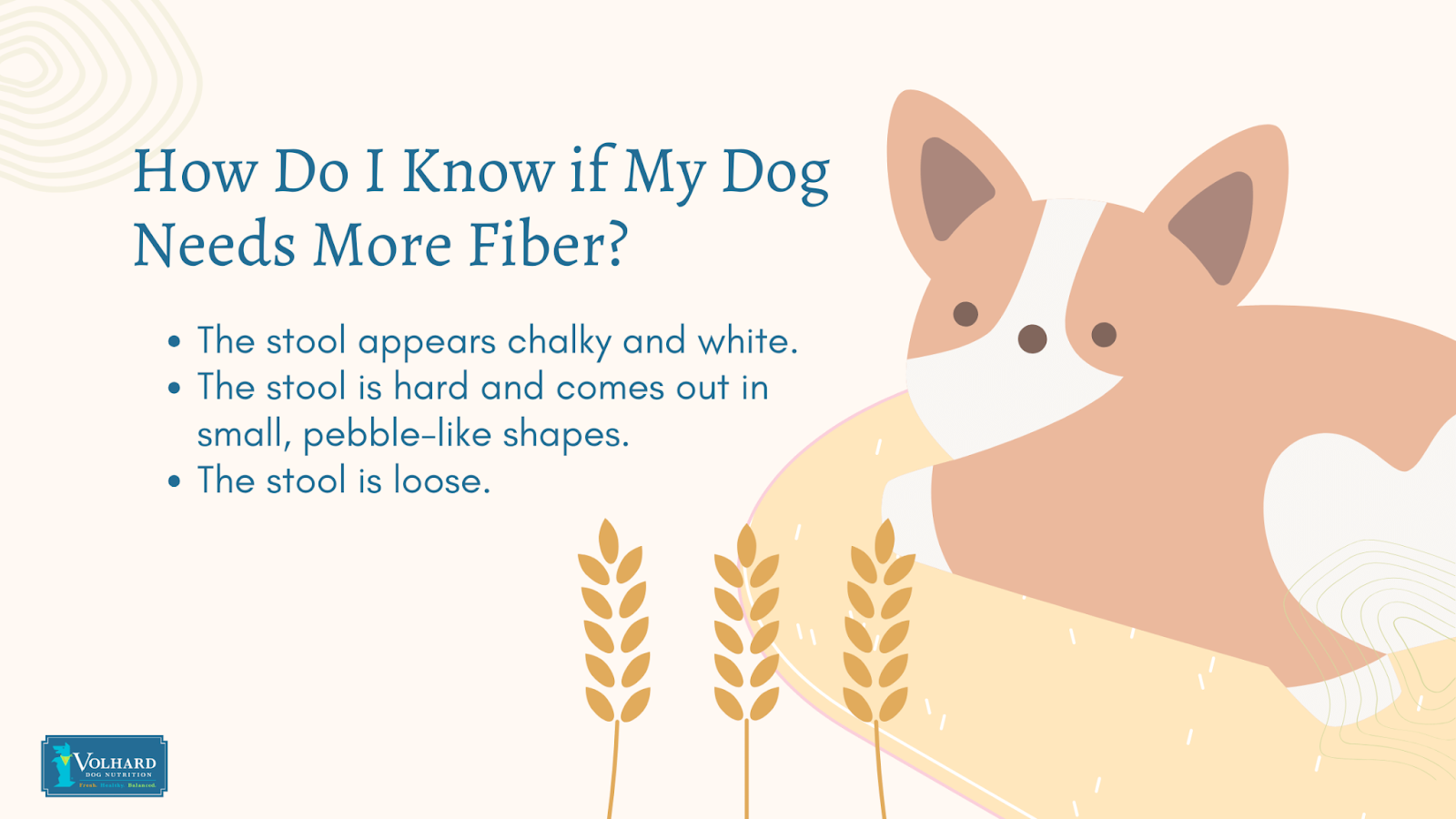
Sometimes, your dog will tell you they need more fiber, you just have to know what to look for. Here are the most common signs I have noticed in dogs that benefit from a fiber boost.
- Irregular bowel movements or straining
- Loose stools or diarrhea
- Constant hunger, even after meals
- Weight gain despite portion control
- Scooting on the floor
- Excessive gas
- Dull coat or poor skin condition
If you notice any of these signs, try adding a small amount of fiber-rich food to their diet and see if symptoms improve. If not, consult your vet for a deeper evaluation.

How Long Does It Take to See Results?
Patience is key when adjusting your dog's fiber intake. Most dogs start showing improvements within three to seven days, but some may take up to two weeks. Stool quality is usually the first thing to improve, followed by appetite and energy levels.
In my experience, consistency is more important than speed. Stick with a fiber routine for at least two weeks before deciding if it's working. And keep a simple journal to track stool quality, appetite, and any changes in behavior. It makes adjustments so much easier.
Final Thoughts on Boosting Fiber in Your Dog's Diet
Adding fiber to your dog's diet doesn't have to be complicated. With simple, whole-food ingredients like pumpkin, green beans, sweet potatoes, and flaxseed, you can support your dog's digestion, weight, and overall health in a big way. Start slow, stay consistent, and always pay attention to how your dog responds. When in doubt, your vet is your best partner in finding the right fiber balance for your furry friend.
Frequently Asked Questions
Can too much fiber hurt my dog?
Yes, too much fiber can cause gas, bloating, and interfere with nutrient absorption. Always introduce fiber gradually and keep total fiber intake within recommended levels.
Is pumpkin safe for dogs every day?
Plain, cooked pumpkin is safe for daily use in small amounts. It is one of the best natural fiber sources for dogs and supports digestive health.
What is the best fiber for dogs with diarrhea?
Pumpkin and psyllium husk are the most effective options. They are gentle on the stomach and help firm up loose stools quickly.
Should I add fiber to puppy food?
Puppies generally get enough fiber from quality puppy food. Adding extra fiber too early can interfere with growth and nutrient absorption.
Can fiber help my dog lose weight?
Absolutely. Fiber-rich foods like green beans and pumpkin keep dogs full longer without adding calories, making them perfect for weight management.
Is canned pumpkin the same as fresh pumpkin?
Plain canned pumpkin is fine as long as it has no added sugar, spices, or preservatives. Always check the label and avoid pumpkin pie filling.
Conclusion
Boosting fiber in your dog's diet is one of the simplest and most impactful changes you can make for their health. From better digestion to improved weight control and a happier gut, the benefits are real and lasting. Start with small, whole-food sources like pumpkin and green beans, and build up gradually. Your dog will thank you with better stools, brighter eyes, and more tail wags. If you have tried these tips, share your experience in the comments below, and feel free to explore more of our pet nutrition guides for additional tips and inspiration.