How to Become a Health Inspector in 2026 (Worth Your Money)
Thinking about how to become a health inspector is the first step toward a career dedicated to safeguarding community well-being. People often wonder what a health inspector actually does on a day-to-day basis and what formal qualifications are really needed. It’s a role that blends science, law, and direct public interaction, ensuring that everything from your favorite restaurant to your local swimming pool meets crucial health and safety benchmarks.
The path requires specific educational backgrounds and often involves rigorous certification processes, much like other specialized professions. For instance, the NEHA’s Registered Environmental Health Specialist (REHS) credential is a widely recognized benchmark, signifying a high level of competency in public health protection standards as of 2026.
What Exactly Does a Health Inspector Do?
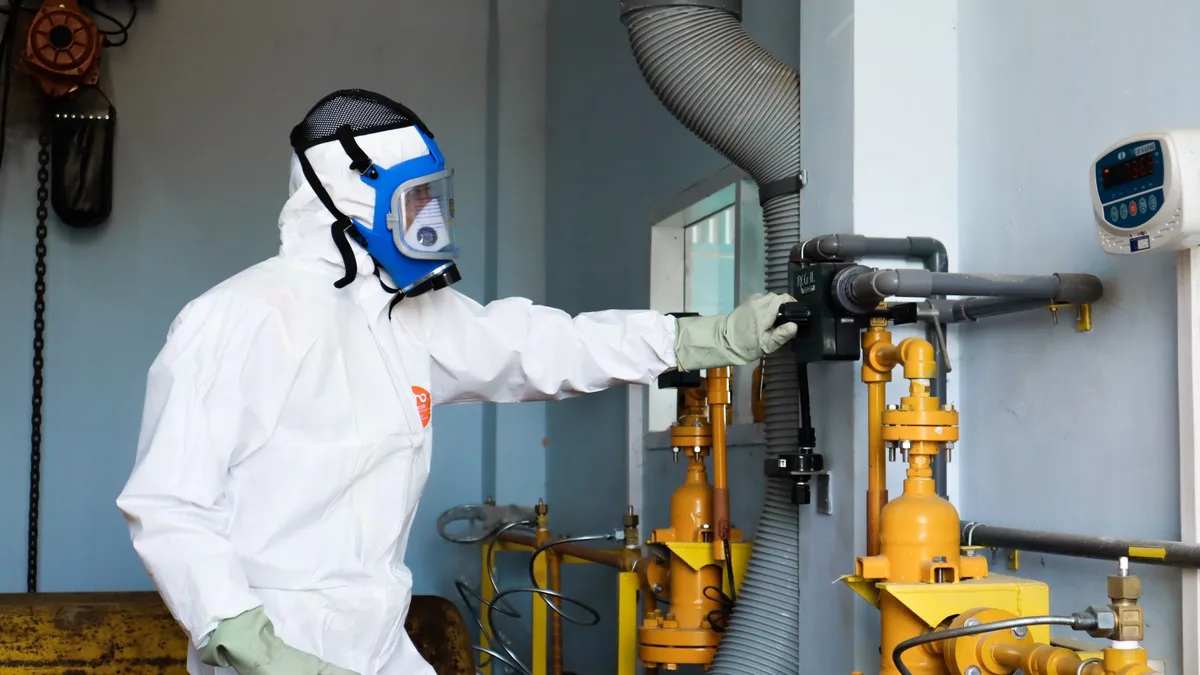
At its heart, a health inspector's job is to prevent disease and injury by checking that various environments and establishments adhere to health codes. You’ll be inspecting places like restaurants, grocery stores, schools, hotels, and public swimming pools. This involves a deep dive into food safety protocols, ensuring proper storage, preparation, and handling to prevent foodborne illnesses. You’ll also examine sanitation practices in public accommodations, check water quality in pools, and investigate potential environmental hazards like pest infestations or unsafe building conditions.
Essentially, you're the frontline guardian ensuring that public spaces are safe for everyone to use. This role demands a keen eye for detail and a solid grasp of biological and chemical principles that can affect public health.

Core Requirements: The Foundation for Your Career
To step into this vital role, you'll need to build a strong foundation across education and practical experience. Think of these as your essential building blocks.
Education: Building Your Scientific Base
Most health inspector positions will require at least a bachelor's degree. The field of study here is key, as you need to develop a robust understanding of scientific principles relevant to public health.
- Common Degree Fields:
- Environmental Health
- Public Health
- Biology
- Chemistry
- Microbiology
- Sanitary Science
While some roles might consider an associate's degree with extensive relevant experience, a bachelor's degree significantly broadens your opportunities and prepares you thoroughly for the scientific demands of the job. This academic groundwork is crucial for understanding complex health risks.
Experience: Gaining Real-World Insight
Education is only part of the picture; hands-on experience often proves just as vital. Many employers seek candidates who have already spent time in environments related to public health or sanitation.
- Where to Gain Experience:
- Internships: Look for opportunities with local or state health departments. This is an excellent way to learn the ropes and network.
- Volunteer Work: Contributing to organizations focused on health or food safety can offer valuable exposure.
- Entry-Level Roles: Some health departments offer starting positions where you can learn under experienced inspectors.
Gaining practical insight early on can make your job applications much stronger and better prepare you for the daily tasks.
Showing Your Skill: Licensing and Certification
Formal education and experience lay the groundwork, but demonstrating your acquired knowledge through licensing and certification is often a mandatory step to practice as a health inspector. These credentials confirm that you meet professional standards.
Understanding National Certifications
A widely recognized credential in this field is achieved through organizations like the National Environmental Health Association (NEHA). Their Registered Environmental Health Specialist (REHS) certification is respected nationwide. It signifies that you have met a comprehensive set of standards and passed a rigorous exam covering core public health principles.
Navigating State and Local Requirements
While national certifications are valuable, remember that specific states or local municipalities may have their own additional licensing or certification requirements. You must check with the health department or governing body in the jurisdiction where you intend to work. They will outline the exact tests, continuing education requirements, and any other qualifications necessary to legally perform inspections in their area.

Essential Skills for a Health Inspector
Beyond degrees and certifications, certain personal qualities and soft skills will make you effective and respected as a health inspector. These attributes are what help you navigate the daily challenges of the job.
- Impeccable Attention to Detail: You must be able to spot even minor deviations from health codes that could pose risks, such as improper food labeling or a slight dampness indicating potential mold growth.
- Strong Problem-Solving Abilities: When you identify an issue, you need to determine the most effective and practical solution that ensures public safety without being unnecessarily punitive.
- Excellent Communication Skills: You'll interact with a wide range of people, from business owners to the public. Being able to clearly explain health regulations in an understandable and professional manner is paramount. Diplomacy is often as important as scientific knowledge.
- Unwavering Integrity: Upholding public trust is central. This means conducting inspections fairly, impartially, and basing all decisions on evidence and established regulations.
- Organizational Prowess: Health inspectors manage caseloads, maintain detailed records, and often schedule their own inspections. Strong organizational skills are essential for efficiency and thoroughness.
- Physical Stamina: The job often involves being on your feet for extended periods, moving through different environments which may be hot, cold, or require navigating stairs and tight spaces.
The Day-to-Day Reality: Pros and Cons
Understanding what a typical day might look like can help you decide if this career is the right fit. It’s a role filled with variety, challenges, and significant rewards.
The Upside: Why It's a Rewarding Role
One of the biggest draws of being a health inspector is the direct impact you have on community well-being. You are actively contributing to preventing illness and ensuring safer environments for everyone. The work itself offers considerable variety; no two inspections are exactly alike, meaning you're often learning and encountering new situations. Many inspectors also appreciate the independence that comes with managing their own inspection schedules.
Public health roles also tend to offer good job security, as they are essential services.
The Challenges: What to Prepare For
However, the role isn't without its difficulties. Enforcement actions, such as issuing citations or even temporarily closing a facility, can sometimes lead to confrontational interactions with business owners. There's also a substantial amount of paperwork and reporting involved, which can be time-consuming. Occasionally, inspectors might face negative public perception, being seen as obstacles rather than protectors of safety.
While protocols are in place, there's also a potential for exposure to various environments, which might include airborne pathogens or less-than-ideal conditions.
Essential Skills for a Health Inspector
Beyond degrees and certifications, certain personal qualities and soft skills will make you effective and respected as a health inspector. These attributes are what help you navigate the daily challenges of the job.
- Impeccable Attention to Detail: You must be able to spot even minor deviations from health codes that could pose risks, such as improper food labeling or a slight dampness indicating potential mold growth.
- Strong Problem-Solving Abilities: When you identify an issue, you need to determine the most effective and practical solution that ensures public safety without being unnecessarily punitive.
- Excellent Communication Skills: You'll interact with a wide range of people, from business owners to the public. Being able to clearly explain health regulations in an understandable and professional manner is paramount. Diplomacy is often as important as scientific knowledge.
- Unwavering Integrity: Upholding public trust is central. This means conducting inspections fairly, impartially, and basing all decisions on evidence and established regulations.
- Organizational Prowess: Health inspectors manage caseloads, maintain detailed records, and often schedule their own inspections. Strong organizational skills are essential for efficiency and thoroughness.
- Physical Stamina: The job often involves being on your feet for extended periods, moving through different environments which may be hot, cold, or require navigating stairs and tight spaces.
The Day-to-Day Reality: Pros and Cons
Understanding what a typical day might look like can help you decide if this career is the right fit. It’s a role filled with variety, challenges, and significant rewards.
The Upside: Why It's a Rewarding Role
One of the biggest draws of being a health inspector is the direct impact you have on community well-being. You are actively contributing to preventing illness and ensuring safer environments for everyone. The work itself offers considerable variety; no two inspections are exactly alike, meaning you're often learning and encountering new situations. Many inspectors also appreciate the independence that comes with managing their own inspection schedules.
Public health roles also tend to offer good job security, as they are essential services.
The Challenges: What to Prepare For
However, the role isn't without its difficulties. Enforcement actions, such as issuing citations or even temporarily closing a facility, can sometimes lead to confrontational interactions with business owners. There's also a substantial amount of paperwork and reporting involved, which can be time-consuming. Occasionally, inspectors might face negative public perception, being seen as obstacles rather than protectors of safety.
While protocols are in place, there's also a potential for exposure to various environments, which might include airborne pathogens or less-than-ideal conditions.
Your Action Plan: How to Get Started
If the idea of being a health inspector excites you, don't just stand there wishing. Take concrete steps to get on the right track. Your first move should be to thoroughly research the specific requirements of the local or state health departments you're interested in. Many of these agencies list detailed career paths and qualifications on their official websites.
Consider reaching out to these departments directly. Most public service professionals are happy to discuss their roles and offer insights into the hiring process. You might even be able to arrange a day to shadow an experienced inspector to see the job in action before committing.
Safety, Legal, and Compliance: Upholding Public Trust
At the core of a health inspector's duties lies the responsibility to uphold public trust by ensuring safety, adhering strictly to legal frameworks, and enforcing compliance with all relevant health regulations. This means understanding the nuances of public health laws and codes, which can vary significantly by jurisdiction.
- Key Areas of Focus:
- Food Safety Laws: This includes regulations from bodies like the FDA regarding food sourcing, preparation, storage temperatures, and preventing cross-contamination.
- Sanitation Standards: Requirements for cleanliness in public spaces, proper waste disposal, and pest control are critical for preventing disease outbreaks.
- Environmental Health Regulations: Depending on the specialization, this can cover air and water quality, housing safety, and management of hazardous materials.
It's your duty to interpret these regulations correctly and apply them consistently. Mistakes aren't just minor errors; they can directly lead to public health crises, making integrity and accuracy non-negotiable.