How to Improve Gum Health: Best Guide 2026
Caring for your gums is a fundamental part of your overall health, and understanding how to improve gum health effectively can prevent a cascade of issues. Neglecting them can lead to discomfort, tooth loss, and even more serious systemic problems. It's about building a strong foundation for your smile that lasts a lifetime.
As of 2026, aggregate consumer feedback indicates that consistent, proper daily care is the most impactful factor for maintaining gum vitality. This involves focused attention on cleaning techniques and awareness of what truly nourishes your oral tissues.
Gum Health: The Foundation of Your Smile
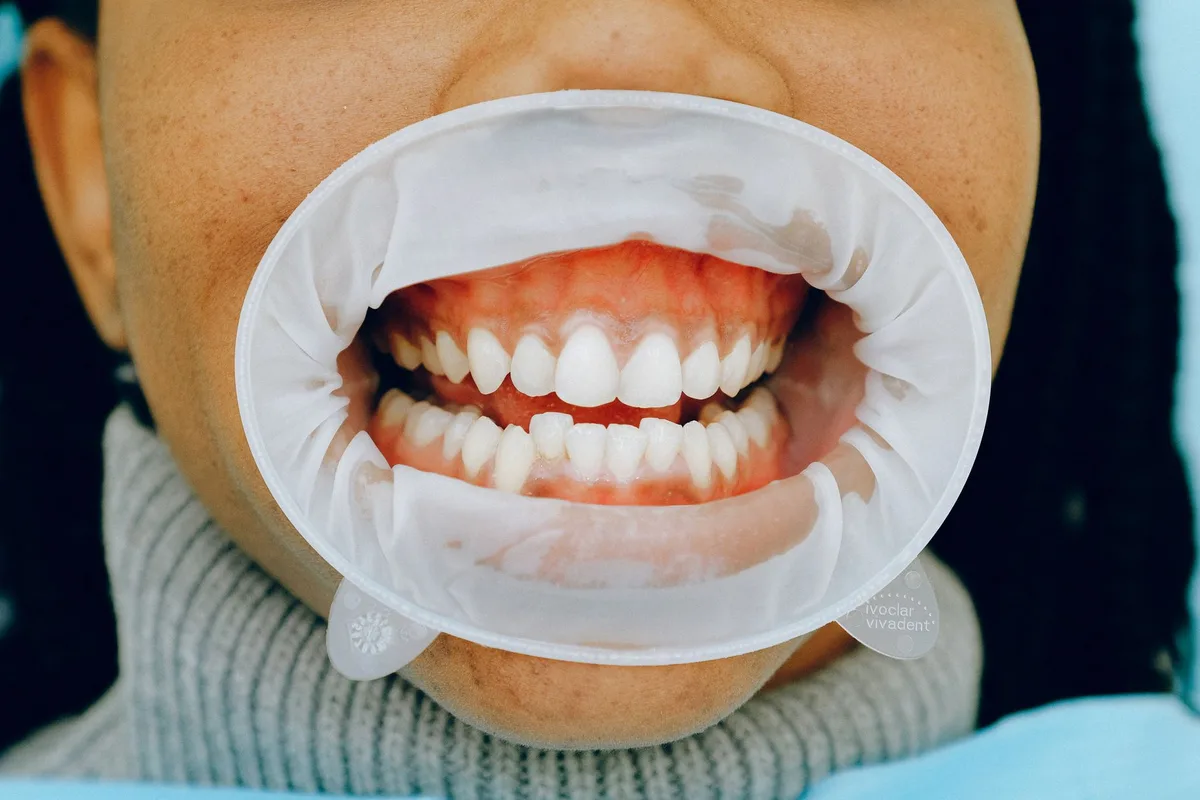
Your gums, medically known as gingiva, form a critical barrier that protects your teeth and jawbone. When they're healthy, they appear firm, pink, and fit snugly around each tooth, typically with no bleeding during regular brushing or flossing. Issues like redness, swelling, and bleeding are usually the first indicators that your gum health is compromised.
Understanding What Healthy Gums Look Like
Recognizing the signs of healthy gums is your first step in ensuring their well-being.
- Color: Healthy gums are typically a consistent pink. Some variation can occur based on natural pigmentation, but they shouldn't be uniformly red or pale.
- Texture: They should feel firm to the touch and have a stippled or "orange peel" texture, not smooth or shiny.
- Shape: They hug the teeth closely without any significant puffiness or recession (pulling away from the teeth).
- Bleeding: Ideally, healthy gums never bleed during normal brushing or flossing. Any bleeding is a signal that inflammation is present.
The Core Habits for Happier Gums
The most impactful strategies for improving gum health boil down to consistent, fundamental daily practices. These aren't complicated, but they require diligence.
Smart Brushing Techniques
Proper brushing is your primary defense against plaque buildup, the main culprit behind gum problems. It’s not just about scrubbing; it’s about precision and gentleness.
- Angle Your Brush: Hold your toothbrush at a 45-degree angle to your gums. This allows the bristles to reach the gumline effectively, where plaque tends to accumulate and cause inflammation.
- Gentle, Short Strokes: Use short, gentle back-and-forth or circular strokes. Avoid aggressive scrubbing, as this can damage gum tissue and tooth enamel over time.
- Focus on the Gumline: Spend adequate time cleaning along the gumline for all surfaces of your teeth. Manufacturer specifications for most leading electric toothbrushes often recommend approximately two minutes for a full cleaning.
- Choose the Right Tool: Always opt for a toothbrush with soft bristles. Hard bristles can easily cause irritation and damage to your delicate gum tissue.

- Brush Twice Daily: Make it a routine to brush at least twice a day, once in the morning and once before bed, to remove plaque and food debris.
The Underrated Power of Flossing
Brushing alone cannot reach the tight spaces between your teeth and beneath your gumline. This is where flossing becomes absolutely essential for effective gum health.
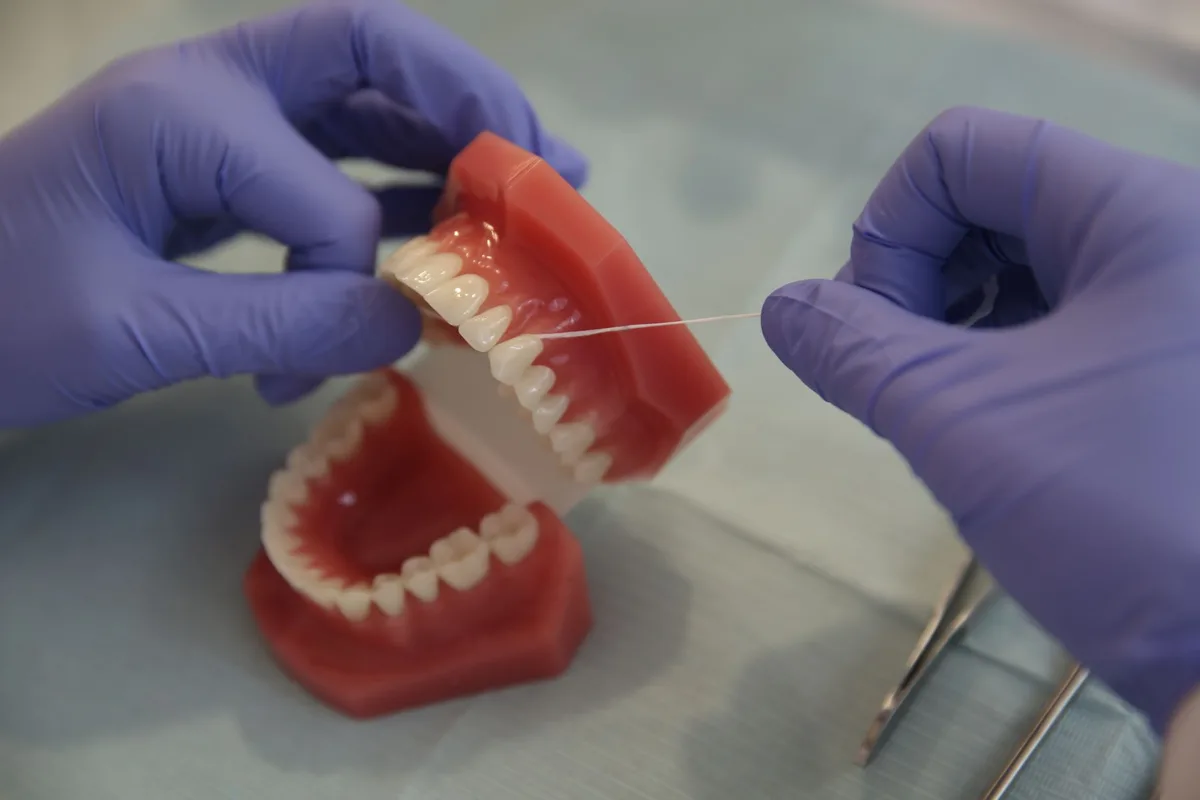
- Reach Every Crevice: Gently guide the floss between each tooth. Curve the floss into a "C" shape against one tooth at a time, sliding it up and down to remove plaque and food particles gently from the sides and base of the tooth.
- Daily Commitment: Aim to floss at least once every day. Many dental professionals recommend doing this before brushing at night to clear out debris that brushing might otherwise spread.
- Technique is Key: Be gentle. Snapping the floss into your gums can cause injury. It should be a smooth, deliberate motion.
Mouthwash: A Helpful Addition
While not a replacement for brushing and flossing, using a therapeutic mouthwash can offer additional benefits for your gum health. Look for options that specifically target gum issues, such as those with antimicrobial properties. These can help reduce bacteria in your mouth that contribute to plaque and gingivitis.
- Choose Wisely: Opt for alcohol-free formulas if you experience sensitivity or dry mouth.
- Follow Instructions: Always use mouthwash as directed on the product label. Typically, this involves swishing for a specific duration, about 30 to 60 seconds, after brushing and flossing.
Lifestyle Factors for Gum Well-being
Your daily habits and choices outside of direct cleaning routines significantly influence the health of your gums and overall oral environment.
Diet's Role in Gum Health
What you eat and drink directly impacts your oral health, including the condition of your gums. Sugary and acidic foods and drinks can create an environment conducive to bacterial growth and enamel erosion.
- Limit Sugar and Acidity: Bacteria in your mouth feed on sugars, producing acids that can weaken enamel and inflame gums. This includes obvious culprits like candy and soda, but also hidden sugars in processed foods. For instance, while it's known that how diet affects teeth color seasonally due to pigments, the acid content in beverages like Diet Coke, which has a pH of around 3.0, is a primary concern for enamel and can indirectly affect gum health by weakening the supporting structures.
- Nutrient-Rich Foods: A balanced diet rich in vitamins and minerals supports tissue repair and immune function, which are crucial for healthy gums. Foods high in Vitamin C, like citrus fruits and bell peppers, and those rich in calcium, like dairy products and leafy greens, are particularly beneficial. Consider looking into a best vegan multivitamin if you struggle to get enough nutrients through diet alone.
- Hydration: Drinking plenty of water, especially throughout the day, helps rinse away food particles and bacteria, keeping your mouth moist and reducing the concentration of harmful substances. How much water to drink on carnivore diet highlights fluid needs, and general hydration is key for oral health.
Quitting Smoking for Your Gums
Smoking is one of the most detrimental habits for gum health. It significantly increases the risk and severity of gum disease and impairs the body's ability to fight infection and heal.
- Increased Risk: Smokers are up to twice as likely to develop gum disease as non-smokers.
- Impaired Healing: Smoking reduces blood flow to the gums, making them less able to repair themselves and more susceptible to infections.
- Treatment Challenges: It can also make gum disease treatment less effective. Quitting smoking offers one of the most significant improvements you can make to your gum health and overall recovery.
Managing Stress for a Healthier Mouth
Chronic stress can weaken your body's immune system, making it harder to fight off inflammation and infection, including those affecting your gums.
- Immune System Impact: When your immune system is compromised, your gums become more vulnerable to bacterial invasion and inflammation.
- Bruxism: Stress can also lead to teeth grinding (bruxism), which can put excessive force on your teeth and gums, contributing to recession and discomfort. Finding healthy coping mechanisms for stress is therefore beneficial for oral health.
When to Call in the Professionals
While diligent home care is paramount, professional dental care plays an irreplaceable role in maintaining and restoring optimal gum health.
The Importance of Regular Dental Check-ups
Visiting your dentist or dental hygienist at recommended intervals is crucial for catching and addressing potential issues early. Aggregate data from dental organizations suggests that most adults benefit from professional cleanings and examinations at least twice a year, or as advised by their dental professional. These appointments allow for:
- Thorough Cleaning: Professional scaling removes hardened plaque (tartar) that you cannot remove with home care alone.
- Early Detection: Dentists can spot early signs of gingivitis or more advanced periodontitis that you might not notice yourself.
- Personalized Advice: A dental professional can assess your specific needs and provide tailored recommendations for your oral hygiene routine.
- Monitoring Progress: For those with existing gum issues, regular visits help track improvement and adjust treatment plans as needed.
Recognizing When to See Your Dentist Urgently
Don't wait for your next scheduled appointment if you experience any of the following symptoms, as they can indicate a more serious problem requiring immediate attention:
- Persistent Bleeding: Gums that bleed frequently, even with gentle brushing or flossing.
- Severe Redness or Swelling: Noticeable inflammation that doesn't subside.
- Gum Recession: Gums visibly pulling away from teeth, making teeth appear longer.
- Pain or Tenderness: Discomfort around the gumline.
- Loose Teeth: Any new looseness in your teeth should be evaluated immediately.
Common Mistakes That Harm Your Gums
Many people unintentionally damage their gums through everyday habits. Being aware of these common errors can help you correct them and protect your oral health.
Over-Brushing and The Wrong Tools
Using too much force or a toothbrush with hard bristles can actively harm your gums and teeth, working against your goal of improving gum health.
- Aggressive Scrubbing: Many people believe that brushing harder cleans better, but this is a myth. Vigorous scrubbing can lead to gum recession and abrasion of tooth enamel, exposing sensitive areas.
- Hard Bristles: As mentioned, dentist-recommended bristles are always soft. Hard bristles can be abrasive, causing microscopic tears in gum tissue and wearing down enamel over time.
Skipping Key Cleaning Steps
Leaving out crucial parts of your daily oral hygiene routine allows plaque and bacteria to thrive, directly impacting gum health negatively.
- Neglecting Flossing: This is perhaps the most common mistake. Skipping floss means you're leaving significant areas of plaque untouched, directly leading to inflammation and potential gum disease.
- Insufficient Brushing Time: Rushing your brushing session means you're not effectively cleaning all surfaces, particularly along the gumline. Aiming for the doctor-recommended two full minutes ensures adequate time for each tooth.
Diet's Role in Gum Health
What you eat and drink directly impacts your oral health, including the condition of your gums. Sugary and acidic foods and drinks can create an environment conducive to bacterial growth and enamel erosion.
- Limit Sugar and Acidity: Bacteria in your mouth feed on sugars, producing acids that can weaken enamel and inflame gums. This includes obvious culprits like candy and soda, but also hidden sugars in processed foods. For instance, while it's known that how diet affects teeth color seasonally due to pigments, the acid content in beverages like Diet Coke, which has a pH of around 3.0, is a primary concern for enamel and can indirectly affect gum health by weakening the supporting structures.
- Nutrient-Rich Foods: A balanced diet rich in vitamins and minerals supports tissue repair and immune function, which are crucial for healthy gums. Foods high in Vitamin C, like citrus fruits and bell peppers, and those rich in calcium, like dairy products and leafy greens, are particularly beneficial. Consider looking into a best vegan multivitamin if you struggle to get enough nutrients through diet alone.
- Hydration: Drinking plenty of water, especially throughout the day, helps rinse away food particles and bacteria, keeping your mouth moist and reducing the concentration of harmful substances. How much water to drink on carnivore diet highlights fluid needs, and general hydration is key for oral health.
Quitting Smoking for Your Gums
Smoking is one of the most detrimental habits for gum health. It significantly increases the risk and severity of gum disease and impairs the body's ability to fight infection and heal.
- Increased Risk: Smokers are up to twice as likely to develop gum disease as non-smokers.
- Impaired Healing: Smoking reduces blood flow to the gums, making them less able to repair themselves and more susceptible to infections.
- Treatment Challenges: It can also make gum disease treatment less effective. Quitting smoking offers one of the most significant improvements you can make to your gum health and overall recovery.
Managing Stress for a Healthier Mouth
Chronic stress can weaken your body's immune system, making it harder to fight off inflammation and infection, including those affecting your gums.
- Immune System Impact: When your immune system is compromised, your gums become more vulnerable to bacterial invasion and inflammation.
- Bruxism: Stress can also lead to teeth grinding (bruxism), which can put excessive force on your teeth and gums, contributing to recession and discomfort. Finding healthy coping mechanisms for stress is therefore beneficial for oral health.
When to Call in the Professionals
While diligent home care is paramount, professional dental care plays an irreplaceable role in maintaining and restoring optimal gum health.
The Importance of Regular Dental Check-ups
Visiting your dentist or dental hygienist at recommended intervals is crucial for catching and addressing potential issues early. Aggregate data from dental organizations suggests that most adults benefit from professional cleanings and examinations at least twice a year, or as advised by their dental professional. These appointments allow for:
- Thorough Cleaning: Professional scaling removes hardened plaque (tartar) that you cannot remove with home care alone.
- Early Detection: Dentists can spot early signs of gingivitis or more advanced periodontitis that you might not notice yourself.
- Personalized Advice: A dental professional can assess your specific needs and provide tailored recommendations for your oral hygiene routine.
- Monitoring Progress: For those with existing gum issues, regular visits help track improvement and adjust treatment plans as needed.
Recognizing When to See Your Dentist Urgently
Don't wait for your next scheduled appointment if you experience any of the following symptoms, as they can indicate a more serious problem requiring immediate attention:
- Persistent Bleeding: Gums that bleed frequently, even with gentle brushing or flossing.
- Severe Redness or Swelling: Noticeable inflammation that doesn't subside.
- Gum Recession: Gums visibly pulling away from teeth, making teeth appear longer.
- Pain or Tenderness: Discomfort around the gumline.
- Loose Teeth: Any new looseness in your teeth should be evaluated immediately.
Common Mistakes That Harm Your Gums
Many people unintentionally damage their gums through everyday habits. Being aware of these common errors can help you correct them and protect your oral health.
Over-Brushing and The Wrong Tools
Using too much force or a toothbrush with hard bristles can actively harm your gums and teeth, working against your goal of improving gum health.
- Aggressive Scrubbing: Many people believe that brushing harder cleans better, but this is a myth. Vigorous scrubbing can lead to gum recession and abrasion of tooth enamel, exposing sensitive areas.
- Hard Bristles: As mentioned, dentist-recommended bristles are always soft. Hard bristles can be abrasive, causing microscopic tears in gum tissue and wearing down enamel over time.
Skipping Key Cleaning Steps
Leaving out crucial parts of your daily oral hygiene routine allows plaque and bacteria to thrive, directly impacting gum health negatively.
- Neglecting Flossing: This is perhaps the most common mistake. Skipping floss means you're leaving significant areas of plaque untouched, directly leading to inflammation and potential gum disease.
- Insufficient Brushing Time: Rushing your brushing session means you're not effectively cleaning all surfaces, particularly along the gumline. Aiming for the doctor-recommended two full minutes ensures adequate time for each tooth.