How Do I Become a Mental Health Nurse for 2026: Honest Picks
Feeling that call to become a mental health nurse? That's a powerful step toward a deeply impactful career. You're looking at a profession where you can genuinely help people navigate their most challenging times, offering support and fostering recovery. So, how do I become a mental health nurse?
The path is structured, requiring dedication to both academic learning and developing essential human skills.
Becoming a registered nurse (RN) is your foundational requirement. According to the American Nurses Association, as of 2026, a BSN is increasingly favored for career advancement and is often a prerequisite for specialized psychiatric-mental health roles, though an ADN can also serve as an entry point to licensure. From there, you'll build specialized knowledge and clinical experience.
Why Accuracy Matters in Mental Health Nursing Steps
Getting the process right when you're aiming to become a mental health nurse isn't just about following a checklist; it's about ensuring patient safety and providing effective care. Errors in understanding the educational pathways, licensing requirements, or the ethical considerations of psychiatric nursing can have serious consequences for both you and the people you'll serve. This field demands precision in knowledge and practice, from academic credentials to the nuanced application of therapeutic techniques. Our research confirms that adherence to established standards and guidelines is paramount to building a successful and ethical career in this critical area of healthcare.
The Core Requirements: What You Need to Start
To even begin working as a mental health nurse, you absolutely need to meet specific educational and licensure benchmarks. This isn't a field where you can wing it; there are non-negotiable steps designed to ensure you have the fundamental knowledge and skills to practice safely. Think of these as the essential ingredients before you can even start cooking.
Your Nursing Education Foundation (ADN vs. BSN)
The first major hurdle is earning a nursing degree. You have two primary options: an Associate Degree in Nursing (ADN) or a Bachelor of Science in Nursing (BSN).
- Associate Degree in Nursing (ADN): This is typically a two-year program offered by community colleges and some technical schools. It provides the core nursing education you need to become a registered nurse. It's a solid entry point, especially if you're looking to enter the workforce relatively quickly or have financial considerations.
- Bachelor of Science in Nursing (BSN): This is a four-year degree, usually offered by universities. A BSN program includes the core nursing curriculum but also expands on areas like leadership, research, public health, and critical thinking, providing a broader theoretical and practical foundation. Many employers, especially larger hospitals and those with specialized mental health units, prefer or even require a BSN. For advancement into roles like management or advanced practice, a BSN is almost always the starting point.

Passing the NCLEX: Your RN Gateway
Once you've successfully completed either an ADN or BSN program, your next critical step is to pass the National Council Licensure Examination (NCLEX). This is a standardized test administered by the National Council of State Boards of Nursing (NCSBN).
- What it Tests: The NCLEX-RN assesses your knowledge, skills, and abilities to provide safe and effective nursing care. It uses a computer-adaptive testing (CAT) format, meaning the difficulty of questions adjusts based on your previous answers.
- Preparation is Key: Most nursing programs integrate NCLEX preparation. Dedicated study guides, practice questions, and review courses are widely available and highly recommended to help you feel confident and prepared. Passing the NCLEX is the universal requirement to earn your Registered Nurse (RN) license in the United States.

Gaining Crucial Hands-On Experience
Academic knowledge is vital, but nothing replaces real-world practice. Your clinical experience is where you'll begin to apply what you've learned in a patient care setting. For mental health nursing, specifically seeking out and excelling in psychiatric clinical rotations is incredibly important.
Clinical Rotations in Psychiatric Settings
During your nursing program, whether it's an ADN or BSN, you'll complete clinical rotations in various healthcare settings. You'll want to actively pursue opportunities to spend time in psychiatric hospitals, mental health clinics, or other behavioral health facilities. These rotations are your first exposure to:
- Direct Patient Interaction: Working with individuals experiencing mental health challenges.
- Therapeutic Communication: Practicing how to talk with patients in a way that builds trust and encourages them to open up.
- Observation Skills: Learning to recognize signs and symptoms of mental health conditions and changes in patient behavior.
- Treatment Modalities: Understanding how medications, therapies, and support systems are used.
These experiences are invaluable for confirming your interest in the field and building foundational skills before you even graduate.
Landing Your First RN Role in Mental Health
After you've passed the NCLEX and obtained your RN license, you can start applying for entry-level nursing positions. While you could start in a general medical-surgical unit, your goal here is to get into a mental health setting as soon as possible to build that specialized experience. Look for titles such as:
- RN, Psychiatric Unit
- RN, Behavioral Health Services
- RN, Mental Health Clinic
These roles will allow you to hone your assessment skills, practice therapeutic interventions, and learn to manage a caseload of patients with diverse mental health needs. Don't be afraid to start in a more general facility if a specialized role isn't immediately available, but aim to transition within your first year or two.
Developing Essential Human Skills for Patient Care
Beyond the textbooks and technical skills, becoming a truly effective mental health nurse hinges on cultivating certain deeply human qualities. These are the soft skills, but they are anything but soft in their impact. They form the bedrock of therapeutic relationships and are what patients rely on most during their recovery journeys. They're not learned in a single class, but through practice, self-awareness, and guidance.
The Power of Empathy and Active Listening
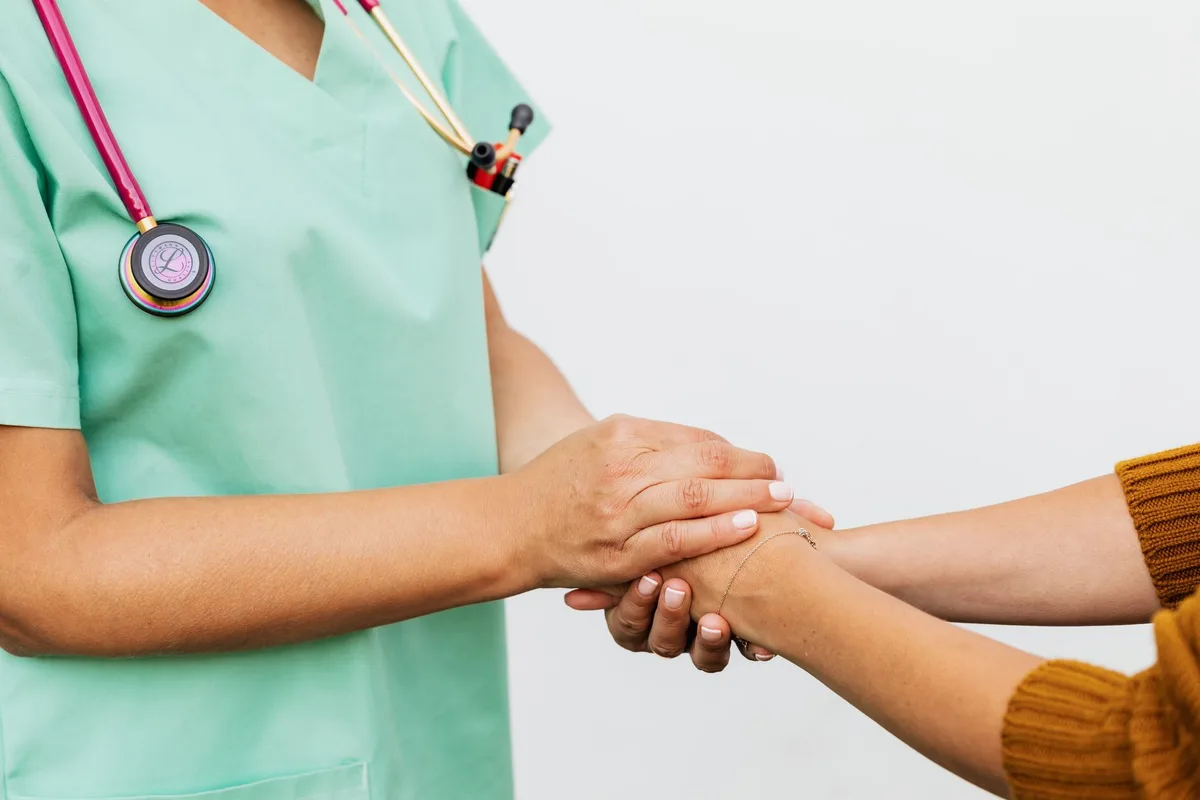
Empathy is the ability to understand and share the feelings of another person, to put yourself in their shoes without judgment. In mental health nursing, this means truly connecting with a patient's pain, fear, or distress. Active listening goes hand-in-hand with empathy; it's about giving your full attention, both verbally and nonverbally, to what a patient is communicating. This involves:
- Paying Attention: Making eye contact, nodding, and avoiding distractions.
- Reflecting and Clarifying: Repeating back what you heard to ensure understanding ("So, if I'm hearing you right, you feel overwhelmed because…").
- Asking Open-Ended Questions: Encouraging patients to elaborate rather than giving simple yes/no answers.
When patients feel genuinely heard and understood, it builds trust, which is fundamental for any therapeutic intervention.
Cultivating Patience and Resilience
You'll quickly learn that mental health recovery is rarely a straight line. Patients may have setbacks, experience waxing and waning symptoms, or struggle with treatment adherence. This is where patience becomes an indispensable tool. It's about understanding that progress takes time and that setbacks are often part of the learning process for the patient.
Resilience is your ability to bounce back from difficult situations and experiences. This field can be emotionally taxing; you'll witness a lot of pain and struggle. Developing resilience means learning to manage your own emotional responses, practice effective self-care, and maintain a sense of hope and purpose. Without it, burnout is a significant risk.
It's crucial to remember that your own well-being is directly linked to your ability to provide sustained, quality care to others.
Diving Deeper into Mental Health Nursing Specialization
Once you're licensed as an RN and have gained some experience, you might feel a pull to specialize further within mental health nursing. This is where you move beyond general psychiatric nursing and focus on more advanced practice or specific populations. Specialization often involves additional education, certifications, and focused clinical experience. It allows you to become an expert in a particular area and often leads to increased responsibility and earning potential.
Advanced Education for PMHNPs
For those who want to provide a higher level of direct patient care, including diagnosing mental health conditions, prescribing medications, and developing comprehensive treatment plans, the path leads to becoming a Psychiatric-Mental Health Nurse Practitioner (PMHNP). This is a type of Advanced Practice Registered Nurse (APRN).
- Master's or Doctoral Degree: Becoming a PMHNP requires completion of a graduate-level nursing program, either a Master of Science in Nursing (MSN) or a Doctor of Nursing Practice (DNP), with a specialization in psychiatric-mental health. These programs are rigorous, building upon your RN foundation with advanced coursework in pharmacology, pathophysiology, advanced physical and mental assessment, and psychotherapy.
- Clinical Hours: A significant component of these graduate programs involves supervised clinical hours where you practice under experienced PMHNPs and psychiatrists.
- Certification: After graduating, you’ll typically need to pass a national certification exam specific to PMHNP practice to earn your credential.
Continuous Learning and Certification
Even after becoming a PMHNP or specializing in a particular aspect of mental health nursing, the learning doesn't stop. The field of mental health is constantly evolving with new research, treatment approaches, and medications.
- Continuing Education Units (CEUs): All nurses, including mental health specialists, are required to complete ongoing CEUs to maintain their licenses and certifications. This ensures you stay up-to-date with current best practices.
- Specialty Certifications: Beyond your initial PMHNP certification, there are often opportunities to pursue additional certifications in areas like addiction nursing, child and adolescent mental health, or forensic nursing, further honing your expertise.
Navigating Common Challenges and Pitfalls
The journey to becoming and working as a mental health nurse isn't without its hurdles. Recognizing these challenges early can help you prepare and develop strategies to overcome them, ultimately leading to a more sustainable and fulfilling career. Understanding these common pitfalls is part of the practical preparation every aspiring mental health nurse should undertake.
Avoiding Burnout: Self-Care for the Caregiver
Mental health nursing is emotionally demanding. You're consistently exposed to trauma, distress, and complex patient situations. This continuous exposure can lead to compassion fatigue and burnout if not managed proactively.
- Recognize the Signs: Symptoms can include exhaustion, cynicism, reduced effectiveness, and a loss of empathy. It’s vital to monitor your own mental and emotional state.
- Prioritize Self-Care: This is non-negotiable. It means engaging in activities that recharge you outside of work, such as exercise, mindfulness, hobbies, spending time with loved ones, and ensuring adequate sleep.
- Seek Support: Don't hesitate to utilize employee assistance programs, talk to trusted colleagues or supervisors, or seek professional therapy if you're struggling. Peer support groups can also be incredibly beneficial.
Understanding the Realities of Patient Recovery
A common misconception is that mental health recovery is a quick fix, rather than a lifelong process with ups and downs. As a mental health nurse, you'll witness firsthand that recovery is often non-linear. There will be days when a patient makes significant progress, and other days when they experience a relapse or heightened symptoms.
- Manage Expectations: Understand that your role is to support the patient's journey, not to "cure" them overnight. Focus on facilitating progress, managing symptoms, and enhancing coping mechanisms.
- Celebrate Small Victories: Acknowledge and reinforce even minor steps forward. These small successes can build momentum and bolster a patient's confidence and motivation.
- Adaptability: Be prepared to adjust your approach and interventions as a patient's needs change. Flexibility is key in providing effective, ongoing care.
Safety First: Licensure and Best Practices
Ensuring patient safety is the absolute priority in mental health nursing, and this starts with adhering to all legal and professional standards. Licensure is your permit to practice, but best practices are what guide you to deliver safe, effective, and ethical care every single day. These standards protect both the public and the nursing profession.
- Maintain Licensure: Regularly renew your Registered Nurse (RN) license and any specialized certifications. Understand the continuing education requirements mandated by your state's Board of Nursing to keep your credentials current.
- Adhere to Ethical Codes: Familiarize yourself with the American Nurses Association (ANA) Code of Ethics for Nurses and any specific ethical guidelines for psychiatric-mental health nursing. This covers principles like patient advocacy, confidentiality, and informed consent.
- Evidence-Based Practice: Regularly incorporate the latest research and evidence-based practices into your care. This ensures you are using the most effective and safest interventions available. Following the latest guidelines from organizations like the National Alliance on Mental Illness (NAMI) or the Substance Abuse and Mental Health Services Administration (SAMHSA) is a key component.