Dumbbell Squats vs Barbell: Which Is Better?
Is Dumbbell Squat Good?
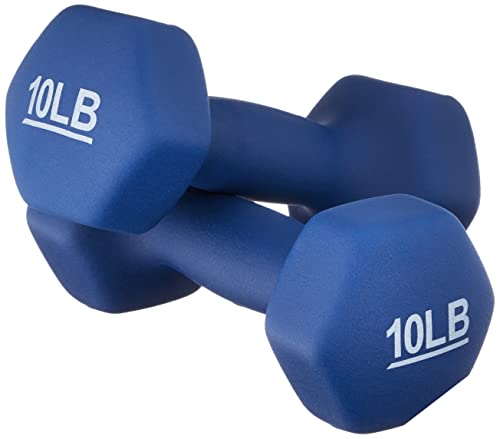
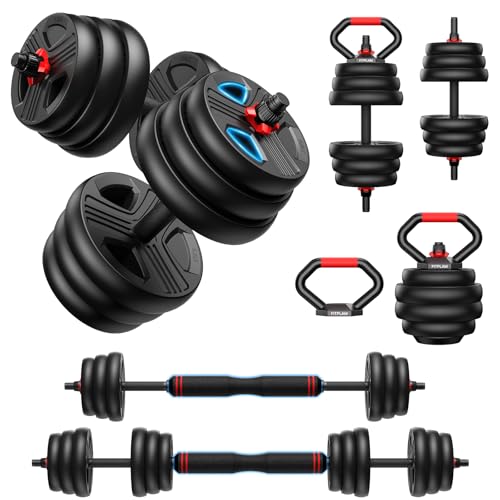
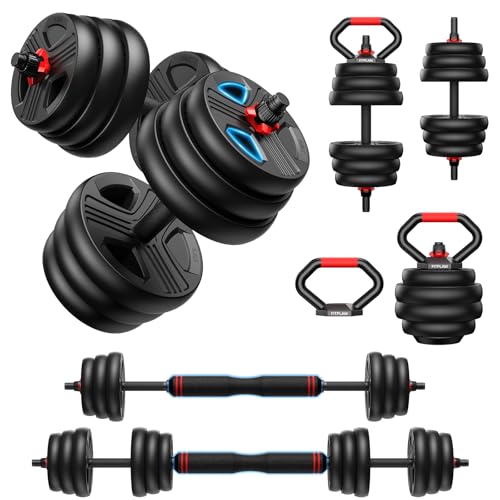
Yes. Dumbbell squats are a strong choice for beginners, home lifters, and anyone who wants a simple leg exercise. You can hold the weights at your sides or near your shoulders, depending on the squat style and your comfort. The setup takes little time. That matters when a workout has to fit between work, family, and a busy American day.
I like the freedom of dumbbells because each hand can move on its own. That can make the exercise feel natural. The trade-off is load. Your grip and arm position may limit the weight before your legs reach their full strength. In dumbbell squats vs barbell training, this is the main point I would watch. Dumbbells can build strong legs, but they may become less practical as the load gets very heavy.
What Makes It Stand Out / Key Features
- Simple setupYou can start without a rack or complex barbell setup.
- Free hand movementEach arm can move naturally during the squat.
- Home gym fitDumbbells need less space than a full barbell rack setup.
- Easy load changesYou can change dumbbell weight between sets with little setup.
- Useful balance challengeHolding separate weights can require more control from the upper body and core.
- Beginner friendlyThe lower setup height can feel less intimidating for new lifters.
My Recommendation
Consider dumbbell squats if you want simple setup, home gym flexibility, or an easy entry into strength training. They are especially useful when space and time are limited.
| Best For | Why |
|---|---|
| Beginners | Simple setup and easy movement pattern |
| Home lifters | Needs less equipment and space |
| Busy workouts | Fast to start and easy to change exercises |
Is Barbell Squat Good?
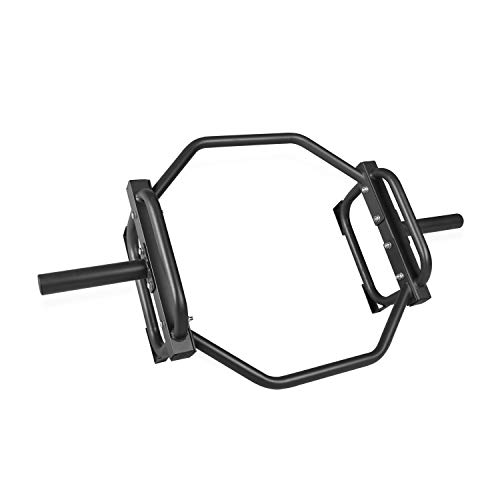
Yes, if your main goal is strength and progressive loading. Barbell squats let you place a large amount of weight on a stable bar and increase the load in small steps. This makes them a strong tool for structured strength programs. A rack and proper setup are important, especially as the weight gets heavy.
The barbell can feel more demanding at first. You need to learn how to place the bar, brace your trunk, control the descent, and stand up with good form. Once those skills improve, the barbell gives you a clear path for heavier training. In dumbbell squats vs barbell training, this is where the barbell has a clear advantage for maximal loading.
What Makes It Stand Out / Key Features
- High loading potentialA barbell can support much more total weight than most people can comfortably hold with dumbbells.
- Progressive overloadYou can add small amounts of weight as your strength improves.
- Stable load positionThe bar keeps the load connected to both sides of the body.
- Strength training fitIt works well in structured programs built around measurable strength gains.
- Rack compatibilityA rack can make setup, unracking, and heavier training more practical.
- Long-term progressionThe large loading range gives experienced lifters plenty of room to progress.
My Recommendation
Consider barbell squats if strength, progressive loading, and long-term gym training are your main goals. A rack and sound technique make the setup much more useful.
| Best For | Why |
|---|---|
| Strength focused lifters | Supports heavy and measurable progression |
| Experienced lifters | Offers more room for advanced loading |
| Full home gyms | Pairs well with a rack and other barbell equipment |
dumbbell squats vs barbell: Side-by-Side Test
The best way to compare dumbbell squats vs barbell squats is to look beyond the weight on the floor. Setup, comfort, space, skill, and progression all matter.
Both options can train the quads, glutes, and other lower-body muscles. The main difference is how each tool handles load and movement. Think of dumbbells as a nimble car and the barbell as a heavy truck. Each has a useful place.
Setup: Which Is Easier?
Dumbbells usually win when you want to start a workout fast.
| Feature | Product 1 | Product 2 |
|---|---|---|
| Equipment | Dumbbells | Barbell and usually rack |
| Setup time | Low | Moderate |
| Space | Low | Moderate to high |
⭐ Dumbbell Squat – 9/10 | Barbell Squat – 8/10
Dumbbells have the edge for quick setup and small spaces.
Loading: Which Handles More?
If you want to keep adding weight, the barbell has a much wider loading range.
| Feature | Product 1 | Product 2 |
|---|---|---|
| Load potential | Moderate | Very high |
| Heavy training | Can become awkward | Designed for heavier loading |
| Small weight jumps | Depends on available dumbbells | Easy with suitable plates |
⭐ Dumbbell Squat – 7/10 | Barbell Squat – 10/10
The barbell has the edge when maximum load and long-term progression matter.
Beginner Use: Which Feels Easier?
New lifters often benefit from a simple setup and a load they can control.
| Feature | Product 1 | Product 2 |
|---|---|---|
| Learning curve | Lower | Higher |
| Setup confidence | High | Moderate |
| Load control | Easy at light to moderate loads | Requires more technique as load rises |
⭐ Dumbbell Squat – 9/10 | Barbell Squat – 7/10
Dumbbells have the edge for many beginners, especially with basic squat practice.
Strength: Which Builds More?
Both can build strength, but the tools support different levels of loading.
| Feature | Product 1 | Product 2 |
|---|---|---|
| Leg strength | Excellent | Excellent |
| Heavy strength work | Limited by grip and dumbbell size | Excellent |
| Progress tracking | Simple | Very simple |
⭐ Dumbbell Squat – 8/10 | Barbell Squat – 10/10
The barbell has the edge for high-load strength training.
Home Gym: Which Fits Better?
Many home lifters do not have room for a rack, plates, and a full barbell setup.
| Feature | Product 1 | Product 2 |
|---|---|---|
| Storage | Simple | Needs more room |
| Floor space | Low | Higher |
| Equipment cost | Can start small | Often needs more equipment |
⭐ Dumbbell Squat – 10/10 | Barbell Squat – 7/10
Dumbbells have the edge for compact home gyms.
Comfort: Which Feels Better?
Comfort depends on body shape, mobility, grip, and the squat style you use.
| Feature | Product 1 | Product 2 |
|---|---|---|
| Load position | Flexible | More fixed |
| Shoulder demand | Often lower with side carry | Can vary with bar position |
| Grip demand | Can be high with heavy dumbbells | Usually lower for the same total squat load |
⭐ Dumbbell Squat – 8/10 | Barbell Squat – 8/10
Comfort is personal, so neither tool has a universal advantage.
Versatility: Which Gives More Options?
Both tools can support many lower-body exercises, but they shine in different ways.
| Feature | Product 1 | Product 2 |
|---|---|---|
| Squat variations | Very high | High |
| Single-leg work | Excellent | Good |
| Heavy compound work | Good | Excellent |
⭐ Dumbbell Squat – 9/10 | Barbell Squat – 9/10
This category is close because each tool offers a different kind of versatility.
Final Verdict: Which Should You Buy?
In dumbbell squats vs barbell squats, there is no single choice for every lifter. Dumbbells make more sense for beginners, compact home gyms, quick workouts, and people who value simple setup. Barbells make more sense for lifters who want heavy loading, clear strength progression, and a full strength setup.
If your goal is general fitness, either can work very well. If maximum squat strength is the goal, the barbell gives you more room to progress. If convenience matters most, dumbbells are hard to beat. Your goal should guide the tool, not the other way around.