Competition Kettlebell vs Regular: Which Is Better?

Is Bells of Steel Adjustable Good?
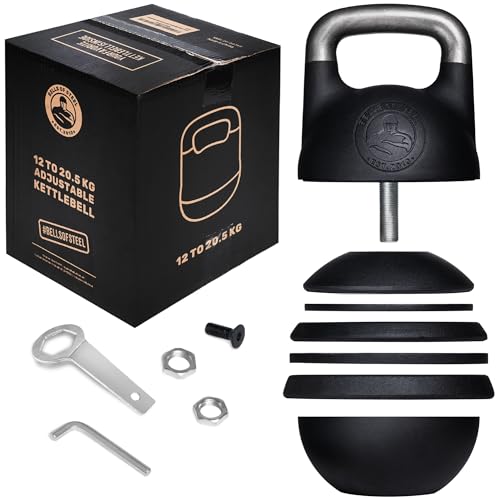
Yes, for many home gym users. The Bells of Steel Adjustable Kettlebell makes sense when floor space matters. It uses an alloy steel shell and a competition-standard 35 mm handle. Its adjustable design can replace several fixed bells. That can be a big win in a small U.S. apartment, garage gym, or spare bedroom. The listed adjustment range runs from 12 kg to 20.5 kg, with 0.5 kg and 1 kg changes.
What stands out to me is the stable competition-style handle size. When I think about the competition kettlebell vs regular question, this is the feature that changes the feel most. The bell keeps a compact profile while the weight changes. That can make cleans and snatches feel more consistent. The trade-off is simple: adjustment takes more work than grabbing a fixed bell. For fast circuits, that matters.
What Makes It Stand Out / Key Features
- Adjustable WeightThe listed model adjusts from 12 kg to 20.5 kg, reducing the need for several separate bells.
- Competition Style HandleThe handle is about 35 mm wide, which matches a common competition kettlebell handle size.
- Steel ConstructionThe shell uses alloy steel and is built for strength training use.
- Fine Weight ChangesThe system supports 0.5 kg and 1 kg changes, which can help with steady progression.
- Space SavingOne adjustable bell can take the place of several fixed-weight kettlebells.
- Tool Assisted ChangesWeight changes use a tool-assisted plate system rather than a simple fixed bell design.
My Recommendation
Consider it if you want one compact training tool with a competition-style handle and adjustable weight. It suits home users who value space and steady progression.
| Best For | Why |
|---|---|
| Small Home Gyms | One adjustable bell takes less space than a full set. |
| Progressive Training | Small weight changes make gradual progression easier. |
| Competition Style Practice | The 35 mm handle gives a competition-style grip feel. |
Is Yes4All Cast Iron Good?
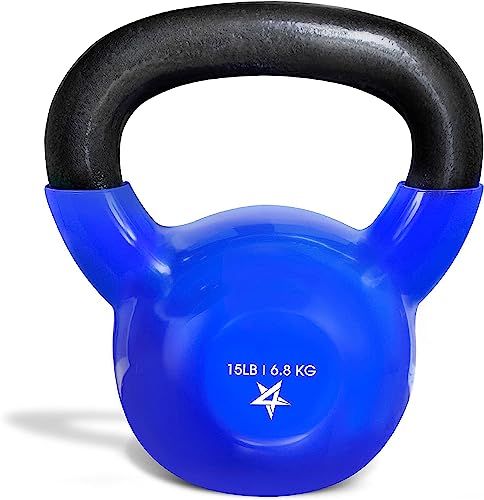
Yes. The Yes4All kettlebell is a strong choice if you want a simple fixed-weight bell. It uses a cast iron body with a vinyl coating and comes in a broad range of weights. The fixed design has one major advantage: there is nothing to adjust. Pick it up and train. For swings, goblet squats, carries, presses, and many other basic moves, that simplicity is hard to beat.
In the competition kettlebell vs regular comparison, this is the classic home-gym option. I like the idea of keeping a regular bell near the workout space because it removes one small barrier. There is no plate change before a set. There is no adjustment tool. You just grab the bell and move. The wider handle can also feel more natural for two-handed exercises. The downside is storage. Build a set and the bells can quickly take over a corner of the room.
What Makes It Stand Out / Key Features
- Cast Iron BodyThe core uses cast iron, giving the bell a traditional fixed-weight design.
- Vinyl CoatingThe vinyl exterior can help protect the floor and add a layer between the metal and the training surface.
- Fixed WeightEach bell provides one set weight, so there is no adjustment step before training.
- Wide HandleThe traditional handle shape gives room for common two-handed kettlebell movements.
- Broad Weight RangeThe Yes4All line is offered in many weight options, allowing users to buy the size that fits their training level.
- Simple SetupThere are no plates, locks, or adjustment tools to manage during a normal workout.
My Recommendation
Choose it if you want a basic, fixed-weight kettlebell for swings, squats, presses, carries, and general home strength work. It is especially practical when simplicity matters most.
| Best For | Why |
|---|---|
| Beginners | A fixed bell is easy to understand and use. |
| Two-Handed Exercises | The wider handle works well for movements such as swings. |
| Budget Home Gyms | You can buy one weight at a time instead of buying an adjustable system. |
competition kettlebell vs regular: Side-by-Side Test
The competition kettlebell vs regular choice is not about which style can build more muscle. Both can support strength, power, conditioning, and grip work. The bigger question is how each design fits your routine.
The competition-style adjustable bell focuses on a compact shape and adjustable loading. The regular Yes4All focuses on simple fixed weight, a traditional body, and easy use. That difference becomes clear in daily home workouts.
Shape and Handling
Shape changes how the bell sits near your body and how it feels during cleans and presses.
| Feature | Product 1 | Product 2 |
|---|---|---|
| Body Shape | Compact competition-style body | Traditional cast iron body |
| Handle | 35 mm competition-style handle | Traditional wider handle |
| Weight Changes | Adjustable | Requires another bell |
⭐ Product A – 9/10 | Product B – 8/10
Product 1 has the edge for consistent shape, while Product 2 offers a familiar traditional feel.
Weight Progression
Small jumps can make a big difference when you are trying to add load without rushing.
| Feature | Product 1 | Product 2 |
|---|---|---|
| Adjustability | Yes | No |
| Small Increments | 0.5 kg and 1 kg options | Buy the next fixed weight |
| Progression Convenience | High | Moderate |
⭐ Product A – 9/10 | Product B – 7/10
Product 1 has the edge when gradual weight progression matters.
Home Gym Space
For a small apartment or spare bedroom gym, storage can matter almost as much as the workout.
| Feature | Product 1 | Product 2 |
|---|---|---|
| One-Bell Storage | Very efficient | Efficient |
| Multiple Weights | One adjustable unit | Multiple bells needed |
| Small Gym Fit | Excellent | Good |
⭐ Product A – 10/10 | Product B – 7/10
Product 1 has the edge for people who want a clean, compact training area.
Workout Speed
Fast circuits reward gear that needs little setup between movements.
| Feature | Product 1 | Product 2 |
|---|---|---|
| Grab and Go | Yes | Yes |
| Changing Weight | Requires adjustment | Requires another bell |
| Circuit Convenience | Good | Very good with multiple bells |
⭐ Product A – 8/10 | Product B – 9/10
Product 2 has the edge when you already own the weights needed for a circuit.
Two-Handed Moves
Swings and similar moves often feel best when the handle gives both hands enough room.
| Feature | Product 1 | Product 2 |
|---|---|---|
| Two-Handed Grip | Usable, competition-style | Wide traditional handle |
| Swings | Good | Very good |
| General Conditioning | Very good | Very good |
⭐ Product A – 8/10 | Product B – 9/10
Product 2 has a small edge for users who focus on wide-grip, two-handed movements.
Build and Simplicity
Simple gear has one major benefit: there are fewer parts to think about.
| Feature | Product 1 | Product 2 |
|---|---|---|
| Main Material | Alloy steel | Cast iron |
| Moving Parts | Adjustment system | None for normal use |
| Setup Simplicity | Moderate | Excellent |
⭐ Product A – 8/10 | Product B – 9/10
Product 2 has the edge for pure simplicity.
Value for Home Users
Value is not just the sticker price. It also includes storage, weight range, and how many pieces of gear you need.
| Feature | Product 1 | Product 2 |
|---|---|---|
| One-Bell Value | High when multiple weights are needed | High for one fixed weight |
| Storage Value | Excellent | Good |
| Long-Term Flexibility | High within its adjustment range | Depends on the weights purchased |
⭐ Product A – 9/10 | Product B – 8/10
Product 1 has the edge for users who want several training loads without several bells.
Final Verdict: Which Should You Buy?
The competition kettlebell vs regular decision comes down to your training style. The Bells of Steel Adjustable Kettlebell makes more sense if you want one compact tool, small weight changes, and a competition-style handle. The Yes4All Cast Iron Kettlebell makes more sense if you want a simple fixed bell with no adjustment step.
For a small home gym, I would lean toward the adjustable competition-style design. For simple swings, carries, squats, and basic strength work, a regular cast iron bell is hard to argue with. Neither style is magic. Good form and steady training matter more than the shape of the bell.