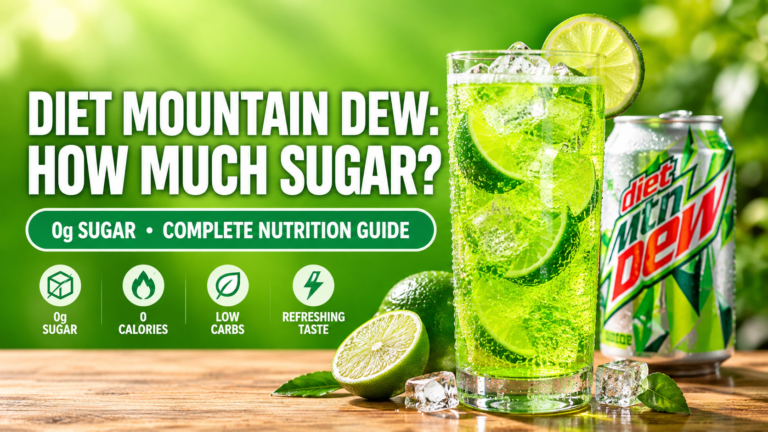
How Much Caffeine In Diet Mt Dew: 2026 Guide
Diet Mountain Dew contains 91 mg of caffeine per 20 fl oz bottle, making it one of the strongest diet sodas on the market. After tracking my own intake for years and helping friends find their sweet spot, I can walk you through exactly what to expect.
If you're watching your caffeine but still want that crisp citrus kick, Diet Mountain Dew probably sits high on your list. I remember switching to it years ago thinking, "It's diet, so it must be lighter, right?" That assumption was half right and half wrong, and once I dug into the actual numbers, my whole caffeine strategy changed. Let me save you the trial and error.
What Is Diet Mountain Dew
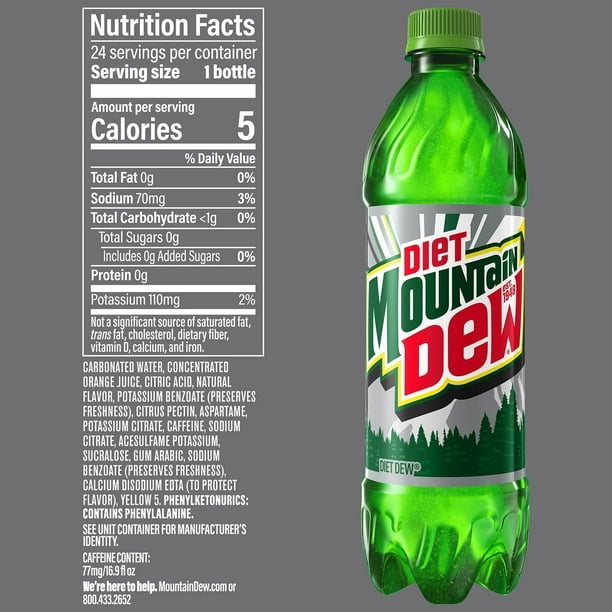
Diet Mountain Dew is the zero sugar version of the classic Mountain Dew soda, made by PepsiCo. It keeps the bold citrus flavor people love but swaps out the sugar for aspartame, giving you a sharp, refreshing taste without the calories.
The drink is marketed toward folks who want that signature Dew punch but are cutting back on sugar or counting carbs. In my experience, it's a go to for late night shifts, long drives, or anyone who wants caffeine without the crash that comes from high sugar energy drinks.
The original Mountain Dew is already known for being one of the more caffeinated sodas out there, and the diet version doesn't pull any punches either.
Caffeine Content in Diet Mountain Dew
A 20 fl oz bottle of Diet Mountain Dew has 91 mg of caffeine. That's higher than most regular sodas and even beats out a lot of diet options on the shelf.
Here's how the caffeine breaks down by serving size:
- 12 fl oz can: about 54 mg of caffeine
- 16 fl oz can: about 73 mg of caffeine
- 20 fl oz bottle: about 91 mg of caffeine
- 2 liter bottle: about 78 mg per 12 fl oz serving
For perspective, a standard 8 oz cup of coffee has around 95 mg. So one 20 oz bottle of Diet Mountain Dew puts you almost at coffee level, which surprises a lot of people who assume soda is automatically lower in caffeine.
How Diet Mountain Dew Compares to Other Caffeinated Drinks
Putting Diet Mountain Dew side by side with other popular drinks makes the caffeine level really stand out. Most people don't realize how strong it actually is until they see the comparison.
- Diet Coke (12 oz): about 46 mg
- Coca Cola (12 oz): about 34 mg
- Diet Pepsi (12 oz): about 35 mg
- Red Bull (8.4 oz): about 80 mg
- Monster Energy (16 oz): about 160 mg
- Brewed coffee (8 oz): about 95 mg
Diet Mountain Dew lines up closer to an energy drink than a traditional diet soda. If you drink two or three bottles in a day, you can easily cross the 400 mg mark, which is the general daily limit most health experts suggest for healthy adults.
Why Diet Mountain Dew Has More Caffeine Than Most Sodas
Mountain Dew has always positioned itself as the bolder, more extreme alternative to mainstream colas. The brand built its identity around action sports, late night energy, and a younger crowd that wants more kick per sip.
The diet version keeps that identity intact. The aspartame swap doesn't reduce the caffeine, so you get the same high octane experience without the sugar. It's basically a citrus flavored energy drink disguised as a soda, and once you understand that, you can make smarter choices about when and how much to drink.
Who Should Watch Their Diet Mountain Dew Intake
Caffeine affects everyone differently, but some groups need to be extra careful with a soda this strong. I learned this the hard way during a week of finals in college, when I was downing two bottles a night and barely sleeping.
- Pregnant or nursing individuals: should generally stay under 200 mg per day, so even one 20 oz bottle takes up a big chunk of that budget.
- People with anxiety or heart conditions: high caffeine intake can trigger jitters, racing heart, and sleep disruption.
- Teens and adolescents: medical groups recommend keeping caffeine intake low, and one bottle can easily push past the suggested cap.
- Anyone sensitive to caffeine: even one can might feel like too much.
If you fall into any of these groups, the 91 mg per bottle is something to take seriously.
Tips for Enjoying Diet Mountain Dew Without Overdoing the Caffeine
You don't have to give up your favorite soda to stay within healthy caffeine limits. A few small tweaks can make a big difference in how you feel day to day.
- Stick to 12 oz cans instead of 20 oz bottles to cut your caffeine in half.
- Limit yourself to one serving a day and pair it with plenty of water.
- Avoid drinking it after 2 pm if you're sensitive to sleep disruption.
- Try mixing half Diet Mountain Dew with half sparkling water for a lighter option.
- Pay attention to other caffeine sources like coffee, tea, and chocolate so you don't accidentally stack your intake.
I personally switched to the smaller cans a few years ago, and it was a game changer. Same great taste, way less of that afternoon wired feeling.
Common Misconceptions About Diet Soda and Caffeine
There's a widespread belief that diet sodas are automatically lower in caffeine than their regular counterparts. That's simply not true when it comes to Mountain Dew.
Another common myth is that diet means healthier in every way. While cutting sugar is a solid move for many people, the caffeine content stays exactly the same, and in some cases diet versions can even feel stronger because there's no sugar to slow absorption.
Some folks also assume that because it's caffeine from soda instead of coffee, it won't affect their sleep as much. In reality, the source doesn't matter as much as the total amount. 91 mg of caffeine is 91 mg of caffeine, whether it comes from a can or a cup.

When Diet Mountain Dew Makes the Most Sense
Diet Mountain Dew isn't a bad drink, it just works best in the right situations. Knowing when to grab one can help you enjoy it without the downsides.
- Long road trips when you need steady alertness
- Early morning shifts when you want something cold and fast
- Afternoon slumps when coffee feels too heavy
- Post workout refreshment when you want flavor without calories
- Social settings like barbecues or movie nights where soda fits the vibe
The key is treating it like a tool rather than an all day beverage. One bottle at the right moment beats three bottles spread across the day.
Frequently Asked Questions
Is Diet Mountain Dew higher in caffeine than regular Mountain Dew
No, both versions contain the same amount of caffeine per serving. The main difference is that Diet Mountain Dew uses aspartame instead of sugar, so the caffeine level stays around 91 mg per 20 oz bottle regardless of which version you pick.
Can I drink Diet Mountain Dew every day
You can, as long as you stay within healthy caffeine limits and your body tolerates it well. Most healthy adults can safely consume up to 400 mg of caffeine per day, so one 20 oz bottle fits comfortably within that range, but be sure to factor in other caffeine sources too.
Does Diet Mountain Dew have more caffeine than coffee
By volume, no. An 8 oz cup of coffee generally has more caffeine than an 8 oz serving of Diet Mountain Dew. But because Diet Mountain Dew is often sold in large 20 oz bottles, the total caffeine in a single bottle can rival a full cup of coffee.
Why does Diet Mountain Dew keep me awake at night
Because each 20 oz bottle contains 91 mg of caffeine, which is roughly the same as a cup of coffee. Drinking it in the late afternoon or evening can easily interfere with your sleep cycle, especially if you're sensitive to caffeine.
Is the caffeine in Diet Mountain Dew safe
Yes, the caffeine in Diet Mountain Dew is the same FDA approved caffeine found in coffee, tea, and other sodas. As long as you stay within the recommended 400 mg daily limit for healthy adults, it is considered safe for regular consumption.
Final Thoughts
Diet Mountain Dew packs 91 mg of caffeine in a single 20 oz bottle, which puts it well above most sodas and right in coffee territory. It's a great pick when you want bold citrus flavor without the sugar, but the caffeine punch is real and worth tracking if you're trying to manage your daily intake.
Treat it like the energy drink it truly is, choose smaller cans when you can, and pay attention to how your body responds. A little awareness goes a long way toward enjoying what you love without the unwanted side effects. If you found this helpful, feel free to share it with a fellow Dew fan or drop a comment with your own experience below.