How Many Calories On Carnivore Diet: 2026 Complete Guide
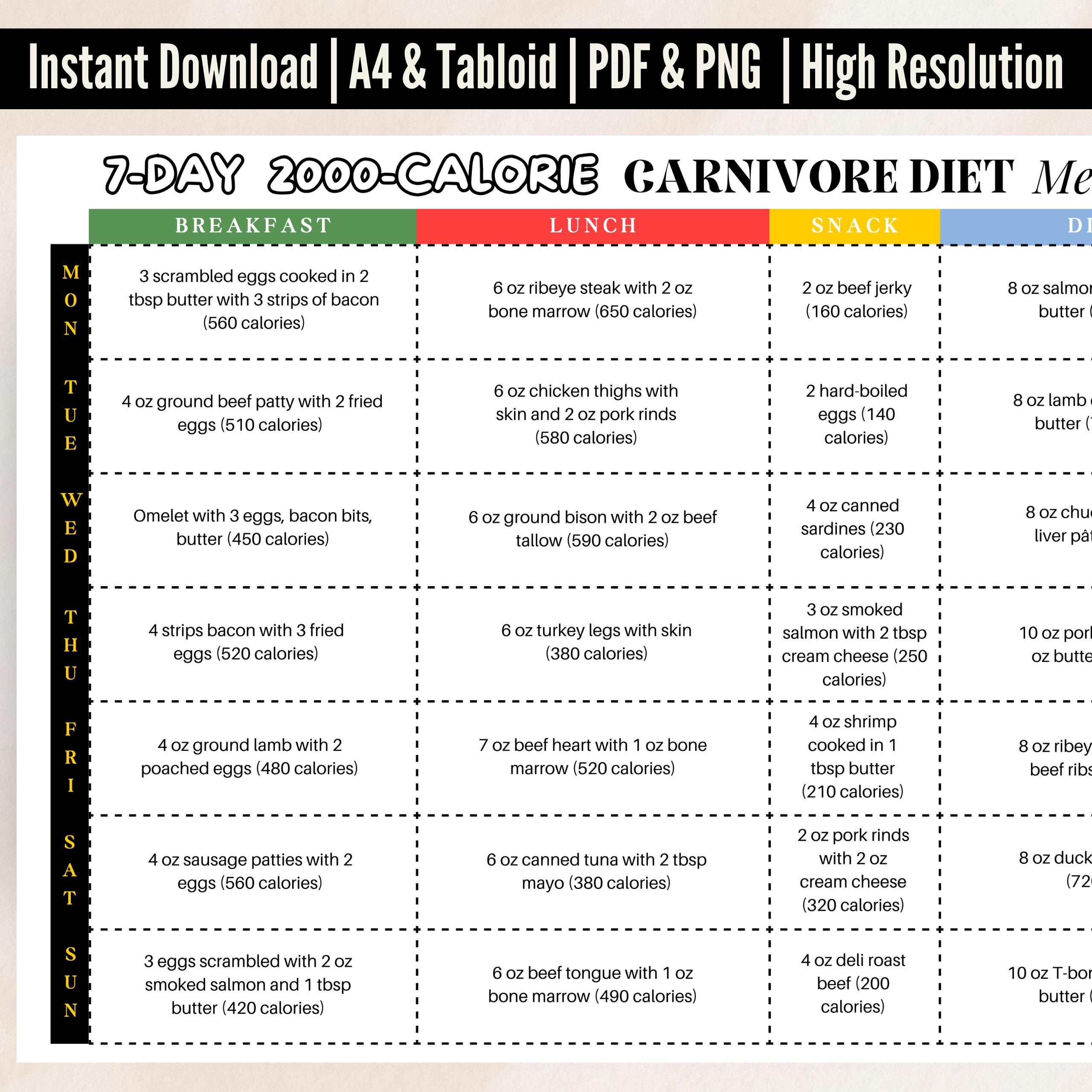
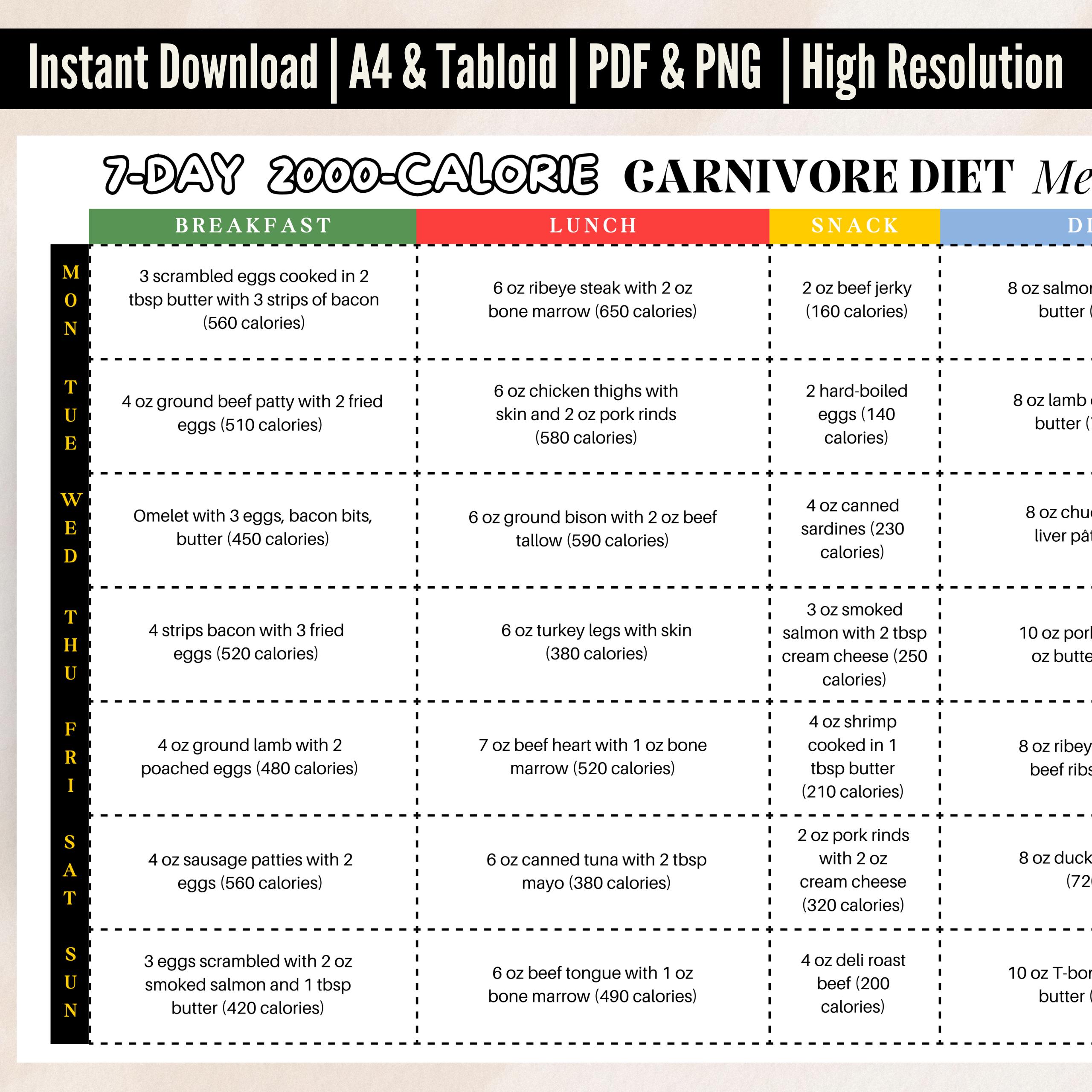
Most people on a carnivore diet eat between 2,000 and 3,500 calories a day, depending on their size, activity level, and goals. Your number might be higher or lower based on whether you're trying to lose, maintain, or gain weight.
I get it — figuring out calories on a meat-only plan can feel confusing. When I first tried carnivore, I had no idea how much steak, eggs, or butter I should be eating each day. After months of tracking, experimenting, and talking to other carnivores, I've put together this complete guide to help you find your sweet spot. Whether you're new to carnivore or just want to fine-tune your intake, you'll find practical, real-world advice here that goes way beyond generic calorie calculators.
What Is the Carnivore Diet and How Does It Affect Calories
The carnivore diet is simple in concept but complex in execution. You eat only animal products — beef, chicken, fish, eggs, butter, and sometimes dairy. No plants, no sugar, no processed junk. Because you're cutting out carbs entirely, your body shifts into a different metabolic state. This change affects how many calories you burn and how hungry you feel day to day.
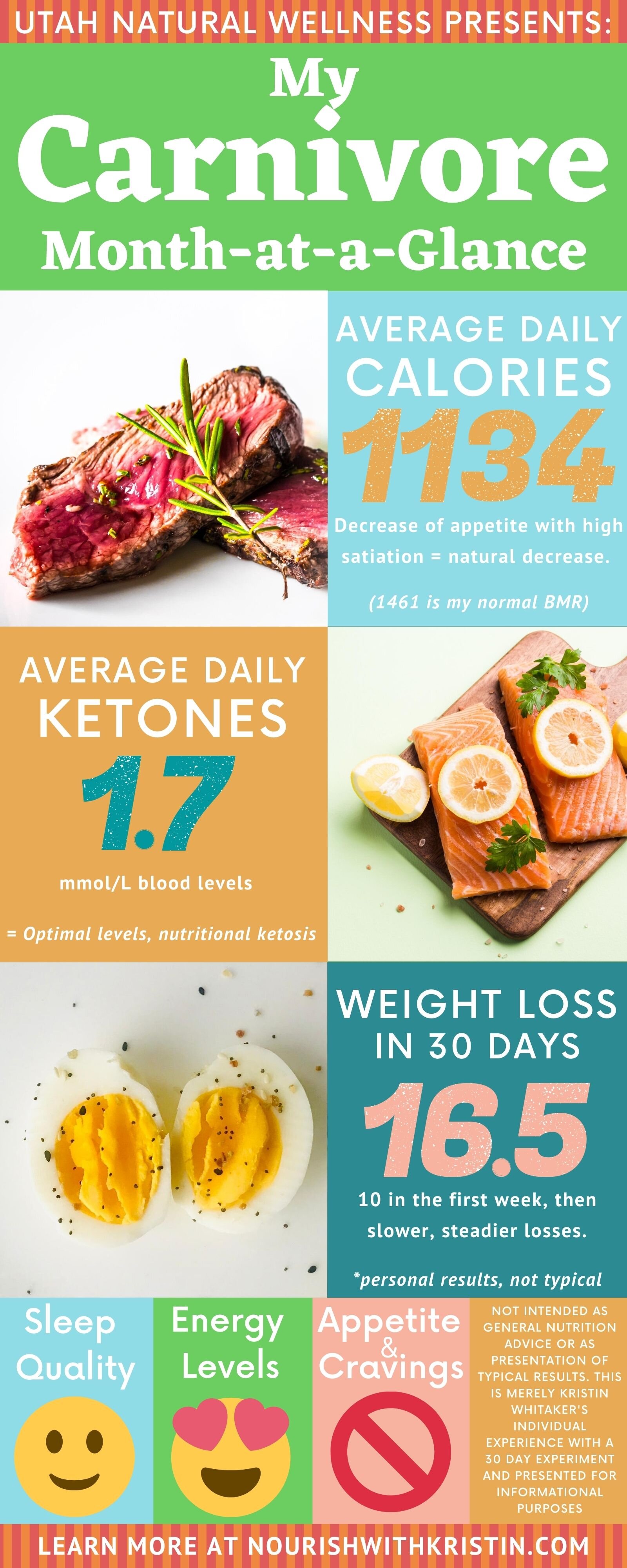
On carnivore, most people naturally eat less without trying. Fat and protein keep you full for hours. I remember my first week — I accidentally skipped lunch because I simply forgot to eat. That almost never happened when I was loading up on bread and pasta. Satiety is one of the biggest reasons calorie counting becomes easier on this diet.
But here's the thing — just because you're less hungry doesn't mean you should undereat. Your body still needs fuel for energy, muscle repair, hormone production, and brain function. That's why understanding your personal calorie range matters so much.
How Many Calories Do You Need on a Carnivore Diet
Your exact calorie needs depend on a few key factors. Let me walk you through the main ones.
Body Weight and Composition
The biggest factor is how much you weigh and how much of that is muscle. A 250-pound guy with lots of muscle will need way more calories than a 130-pound woman who sits at a desk all day. As a rough guide, most adults need around 13 to 17 calories per pound of body weight just to maintain their weight. Active people often need more.
Activity Level
If you work a physical job or hit the gym hard, you'll burn through calories fast. On my heavy lifting days, I sometimes eat 4,000 calories and still feel lean. On rest days, 2,200 is plenty. Sedentary folks can usually get away with less.
Basal Metabolic Rate (BMR)
BMR is the number of calories your body burns just to stay alive — breathing, pumping blood, keeping your brain running. You can estimate it using the Mifflin-St Jeor formula:
- Men: 10 × weight (kg) + 6.25 × height (cm) – 5 × age + 5
- Women: 10 × weight (kg) + 6.25 × height (cm) – 5 × age – 161
This gives you your resting burn. Add your activity multiplier on top to get total daily energy expenditure.
Weight Goals
Are you trying to lose fat, maintain, or build muscle?
- Fat loss: eat 10-20% below your maintenance calories
- Maintenance: eat right at your TDEE
- Muscle gain: eat 10-20% above your TDEE
Age and Gender
Men typically have more muscle mass and burn more calories at rest than women. Older adults usually need fewer calories because metabolism slows with age. Hormones also play a role — testosterone helps build muscle and burn fat, while estrogen affects how women store fat.
Climate and Thermoregulation
Living in cold weather can bump up your calorie needs because your body works harder to stay warm. I noticed I craved more fatty cuts during winter months.

Calorie Breakdown by Macros on Carnivore
Even though you're only eating animal products, your macros still matter.
Protein
Protein is the building block of muscle, skin, hair, enzymes, and hormones. On carnivore, most people feel best with 0.8 to 1.2 grams of protein per pound of body weight. Protein has 4 calories per gram. Going too high can push extra calories into fat storage via gluconeogenesis.
Fat
Fat is your main energy source on carnivore. It has 9 calories per gram — more than double protein. Most of your calories should come from fat, ideally 60-80% of your total intake. Think ribeye, salmon, egg yolks, and tallow.
Carbohydrates
Carbs are almost zero on carnivore — maybe a trace amount from dairy or the glycogen in meat. Some carnivores eat zero carbs; others allow a small amount from cheese or cream.
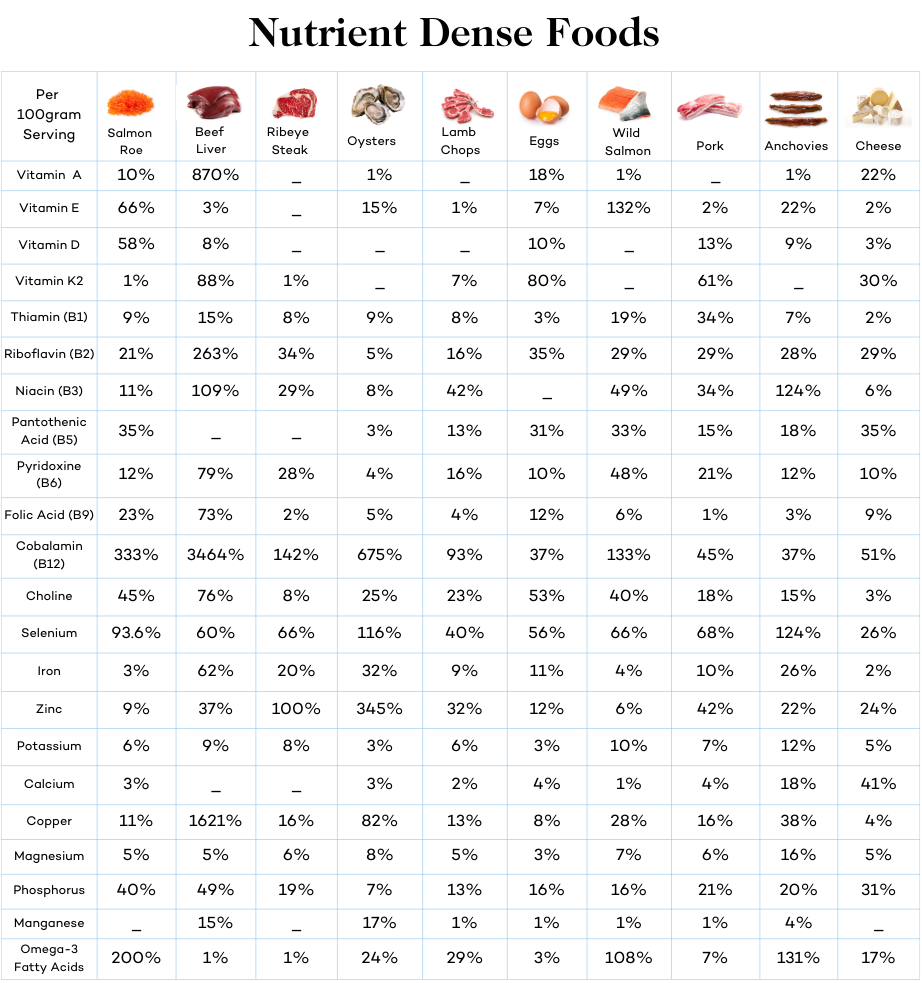
Average Calorie Intake on Carnivore: What the Data Shows
After digging through forums, tracking apps, and my own experiments, here's what I've seen:
- Small women (110-130 lbs): 1,400-1,800 calories
- Average women (130-170 lbs): 1,600-2,200 calories
- Large women (170+ lbs): 1,800-2,500 calories
- Small men (130-160 lbs): 2,000-2,600 calories
- Average men (160-200 lbs): 2,400-3,200 calories
- Large men (200+ lbs): 2,800-4,000 calories
These are real-world ranges, not lab-tested numbers. Most people settle somewhere in the middle of their range once their body adjusts.
How to Calculate Your Personal Carnivore Calorie Needs
Follow these steps to find your number.
Step 1: Calculate Your BMR
Use the formula I mentioned earlier or an online calculator. This gives you your baseline burn.
Step 2: Apply Your Activity Multiplier
Pick the one that fits your life best.
- Sedentary: BMR × 1.2
- Lightly active: BMR × 1.375
- Moderately active: BMR × 1.55
- Very active: BMR × 1.725
- Extremely active: BMR × 1.9
Step 3: Adjust for Your Goal
Once you have your TDEE, eat below it for fat loss, at it for maintenance, or above it for muscle gain.
Step 4: Track for 2-3 Weeks
Use an app like Cronometer to log everything. I know it's tedious, but it's the only way to know if your math matches reality. Weigh yourself daily and take weekly averages.
Step 5: Make Adjustments
If the scale isn't moving in the direction you want after two weeks, tweak calories by 200-300 per day. Be patient — fat loss especially takes time to show on the scale.
Common Mistakes When Counting Calories on Carnivore
I've made plenty of these myself. Watch out for these traps.
Eating Too Much Fat
Some people drown their meat in butter or ghee. Fat is calorie-dense. It's easy to accidentally eat 4,000 calories when you thought you were eating 2,500.
Not Eating Enough
On the flip side, undereating is common. Women especially fall into this trap. If you're constantly cold, tired, or losing your period, you probably need more food.
Ignoring Protein
Some carnivores think all calories are equal. They're not. Protein affects muscle retention, hormones, and satiety differently than fat does.
Not Adjusting for Adaptation
During the first few weeks, your appetite can be all over the place. Give yourself time to settle in before locking in a strict calorie target.
Forgetting Hidden Calories
Bone broth, heavy cream, and cooking fats add up. Measure them at least until you know what a serving looks like.
Tips to Hit Your Calorie Goals on Carnivore
Here are my favorite practical tips.
- Eat fatty cuts of meat like ribeye, chuck roast, and pork belly
- Add egg yolks to meals for easy calories
- Use tallow or butter when cooking
- Snack on hard cheese if you include dairy
- Drink bone broth between meals if you're struggling to eat enough
- Don't fear salt — it helps with energy and hydration on carnivore
- Plan your meals ahead so you don't guess portions
Should You Even Count Calories on Carnivore
Honestly, some people do great without counting. The diet is naturally regulating. But if you're not seeing results after a month or two, or if you have specific goals, tracking helps. I personally track for a few weeks every few months just to stay honest with myself.
The carnivore community is split on this. Some say counting calories is diet culture and you should just eat when hungry. Others say it's a tool for precision. Find what works for your brain and goals.
Frequently Asked Questions
Do you eat fewer calories on carnivore?
Yes, most people naturally eat fewer calories because fat and protein are so satiating. You feel full longer and snack less.
How many calories should I eat on carnivore to lose weight?
Start with a 10-20% deficit from your maintenance calories. For most people, that's around 1,500-2,000 calories per day, depending on size and activity.
Can you gain weight on carnivore?
Absolutely. If you eat more calories than you burn, you'll gain weight — even on carnivore. The diet doesn't magically prevent fat gain.
How many calories are in a pound of beef?
A pound of 80/20 ground beef has about 1,150 calories. Lean cuts like sirloin have around 800-900 calories per pound. Fattier cuts like ribeye can hit 1,400+.
Is it okay to eat 1,000 calories a day on carnivore?
That's too low for most adults and can lead to muscle loss, fatigue, and hormonal issues. Unless you're a small woman under medical supervision, don't go that low.
Wrapping It Up
Finding your calorie sweet spot on carnivore isn't about a magic number — it's about understanding your body, your activity, and your goals. Most people land between 2,000 and 3,500 calories a day, but your personal range might look different. Start with the math, track for a few weeks, listen to your hunger cues, and adjust as you go. Carnivore makes eating simple, but dialing in your calories takes a little patience. Stick with it, and your body will tell you what it needs.
Got questions or want to share your own carnivore calorie experience? Drop a comment below — I'd love to hear what's working for you.