How to add fiber to dogs diet naturally: Easy Guide
If your dog's stools have been loose, hard, or just plain unpredictable, the fix might be hiding in plain sight at the grocery store. Learning how to add fiber to a dog's diet naturally gives you a low-cost lever for firmer stools, easier anal gland expression, and steadier digestion without leaning on medication. We've pulled together what veterinary nutrition guidelines and peer-reviewed research actually say, so you can make smart changes at the next meal.
Most adult dogs do well on a maintenance diet containing about 2 to 5% crude fiber on a dry matter basis, but therapeutic or weight-loss diets often run higher, around 7 to 15%. Whole foods like pumpkin, green beans, and oats let you push that number up gently, without overhauling the rest of the bowl. As of 2026, the WSAVA Global Nutrition Guidelines still emphasize gradual dietary transitions, and that applies just as much to fiber tweaks as to full diet swaps.
Let's walk through what fiber actually does in a dog's gut, and how to use it safely.

Quick Answer
Add plain canned pumpkin, steamed green beans, or cooked oats to your dog's regular meals. Start with one teaspoon for small dogs, one tablespoon for medium dogs, and up to two tablespoons for large dogs. Mix the fiber into wet food or warm water and serve with the regular kibble.
Increase the amount gradually over 5 to 7 days. Always use 100% pure pumpkin, not pie filling.
Why Fiber Matters (and When It Actually Helps Your Dog)
Fiber isn't a single thing. It's a category of plant-based carbohydrates that pass through the small intestine largely intact and reach the colon, where the real action happens. Some fibers feed the gut microbiome, others add bulk to stool, and some do both.
For most healthy dogs, fiber plays a few specific jobs. It firms up loose stool by absorbing water in the colon. It softens hard stool by adding gentle bulk that triggers normal contractions.
It feeds the beneficial bacteria that produce short-chain fatty acids, which keep the colon lining healthy. And it fills the belly without adding many calories, which makes it a quiet hero in weight management routines for chubby pups.
Fiber earns its keep when:
- Your dog has recurring soft stool without other symptoms
- Constipation is a regular issue (especially in seniors)
- Anal glands seem to need constant expression
- Your dog is on a weight-loss plan and always hungry
- The microbiome needs a reset after antibiotics
Fiber does not fix:
- Bloody stool
- Sudden weight loss
- Repeated vomiting
- Stool changes lasting more than two weeks
Those signal something a vet needs to look at directly.
Soluble vs. Insoluble Fiber: What Dogs Actually Need
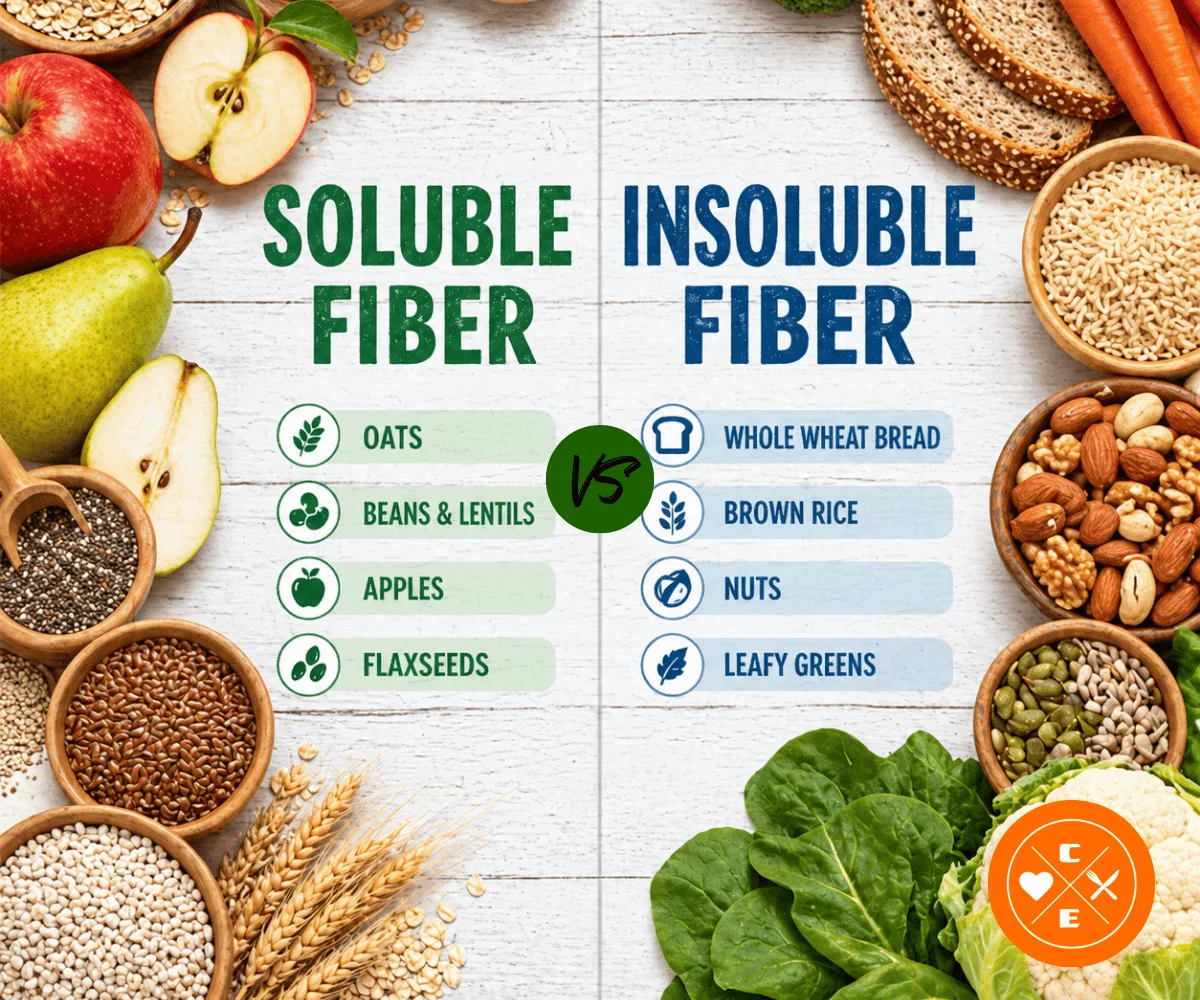
This is the part most dog owners never hear about, and it's where fiber choices actually differ. Soluble fiber dissolves in water and forms a gel. It slows digestion, traps water, and helps firm loose stool.
Insoluble fiber doesn't dissolve. It adds bulk and speeds things along, which helps constipation but can make diarrhea worse.
| Fiber type | What it does | Common whole-food sources |
|---|---|---|
| Soluble | Absorbs water, firms stool, feeds good gut bacteria | Pumpkin, oats, psyllium husk, sweet potato, beet pulp |
| Insoluble | Adds bulk, speeds transit, helps constipation | Green beans, carrots, wheat bran, brown rice, flaxseed |
Most dogs do best on a mix of both. A loose-stool dog benefits more from soluble sources at first. A constipated dog benefits more from insoluble sources.
Therapeutic diets designed for diabetic dogs lean heavily on soluble fibers like beet pulp because they help blunt blood sugar spikes after meals.
A note on fermentability. Some fibers, including inulin, chicory root, and fructooligosaccharides (FOS), are highly fermentable. They feed gut bacteria aggressively.
That's usually good, but too much, too fast, creates gas and bloating. This is exactly why gradual introduction matters, which we'll cover shortly.
Best Natural Fiber Sources for Dogs (Whole-Food Edition)
Whole foods are usually the cleanest place to start. They're inexpensive, easy to portion, and most dogs accept them readily when mixed into something tasty.
Plain canned pumpkin. The single most recommended fiber source by veterinarians for a reason. About 7 grams of fiber per cup, mostly soluble, and roughly 83 calories per cup.
Critical detail: it must say "100% pure pumpkin" on the label. Pumpkin pie filling contains nutmeg, sugar, and sometimes xylitol, which is toxic to dogs.
Steamed green beans. Low calorie (around 31 calories per cup), high in insoluble fiber, and easy on sensitive stomachs. Cut them small for small dogs.
Cooked oats. A gentle soluble fiber, well tolerated by most dogs, and useful for senior dogs that need easier-to-digest carbs. Skip flavored instant oatmeal.
The added sugar and salt add nothing good.
Cooked sweet potato. Similar fiber profile to pumpkin, slightly sweeter, often a hit with picky eaters. Bake or boil, then mash.
Raw grated carrot. More insoluble fiber, plus chewing helps with dental health alongside dry kibble.
Ground flaxseed. A two-for-one, offering soluble fiber plus omega-3 fatty acids. Use ground, not whole seeds (whole seeds pass through undigested).
Keep portions small, around half a teaspoon for small dogs, up to a tablespoon for large breeds.
Apples (no core or seeds). A decent fiber source but higher in sugar. Best as an occasional topper, not a daily add-in.
Avoid grapes, raisins, onions, garlic, and macadamia nuts entirely. They're toxic to dogs, regardless of fiber content. Also skip anything containing xylitol, a sugar alcohol found in some peanut butter and sugar-free products.
Fiber Supplements for Dogs: When Whole Foods Aren't Enough
Whole foods cover most situations, but some dogs need a more controlled dose. That's where supplements come in.
Psyllium husk is the most common canine fiber supplement. It's the active ingredient in products like Metamucil, but unflavored psyllium husks sold for pets or in bulk food stores work just as well. The dose is small, usually around half a teaspoon per 10 pounds of body weight, mixed into wet food with extra water.
Wheat bran adds mostly insoluble fiber. It's cheap and effective for constipation but can cause gas if overused.
Inulin and FOS supplements are concentrated prebiotic fibers. They're powerful microbiome feeders but need a slow ramp-up. Most dogs tolerate a pinch to start.
Commercial canine fiber supplements, often sold as "digestive support" powders, usually blend several of the above. They're convenient but rarely necessary if you're willing to use canned pumpkin.
A simple rule: if your dog won't eat whole-food additions, or you need precise dosing, supplements are fine. Otherwise, the pumpkin jar is usually enough.
Safe Serving Sizes: How Much Fiber to Add by Dog Weight
There's no single dosing chart that fits every dog, but veterinary nutritionists and clinical guidelines give us a workable starting range. The key is to dose by current body weight and adjust based on stool response.
| Dog weight | Pumpkin / sweet potato per meal | Green beans (cooked) per meal | Psyllium husk per meal |
|---|---|---|---|
| Under 10 lb | 1 tsp to 1 tbsp | 1 to 2 tbsp | 1/4 tsp |
| 10 to 25 lb | 1 to 2 tbsp | 2 to 4 tbsp | 1/2 tsp |
| 25 to 50 lb | 2 to 4 tbsp | 1/4 to 1/2 cup | 1 tsp |
| 50 to 75 lb | 1/4 to 1/3 cup | 1/2 to 3/4 cup | 1 to 1.5 tsp |
| Over 75 lb | 1/3 to 1/2 cup | 3/4 to 1 cup | 1.5 to 2 tsp |
These ranges assume one meal per day, with twice-daily feedings halving the per-meal amount. Use the lower end to start. Once stools are consistently firm and well-formed, you've found the sweet spot.
If stools turn hard or your dog strains, you've overshot and need to dial back.
For treats and toppers, count the calories. A cup of green beans at roughly 31 calories is usually a non-issue. Half a cup of cooked oats adds about 75 calories.
For weight-loss dogs, those numbers matter; for maintenance dogs, they barely register.
How to Introduce Fiber Without Upsetting Your Dog's Stomach
The fastest way to ruin a good fiber plan is to dump a full dose into the bowl on day one. The gut microbiome needs time to adjust, and sudden bulk changes pull water into the colon, which causes gas, bloating, or even worse diarrhea than you began with.
The standard transition window is 5 to 7 days for most dogs. Sensitive dogs (those with a history of GI upset, seniors, or small breeds) often need 10 to 14 days. Here's the rhythm that works in practice.
- Days 1 and 2: One quarter of the target dose, mixed into the regular meal.
- Days 3 and 4: Half the target dose.
- Days 5 and 6: Three quarters of the target dose.
- Day 7 onward: Full target dose.
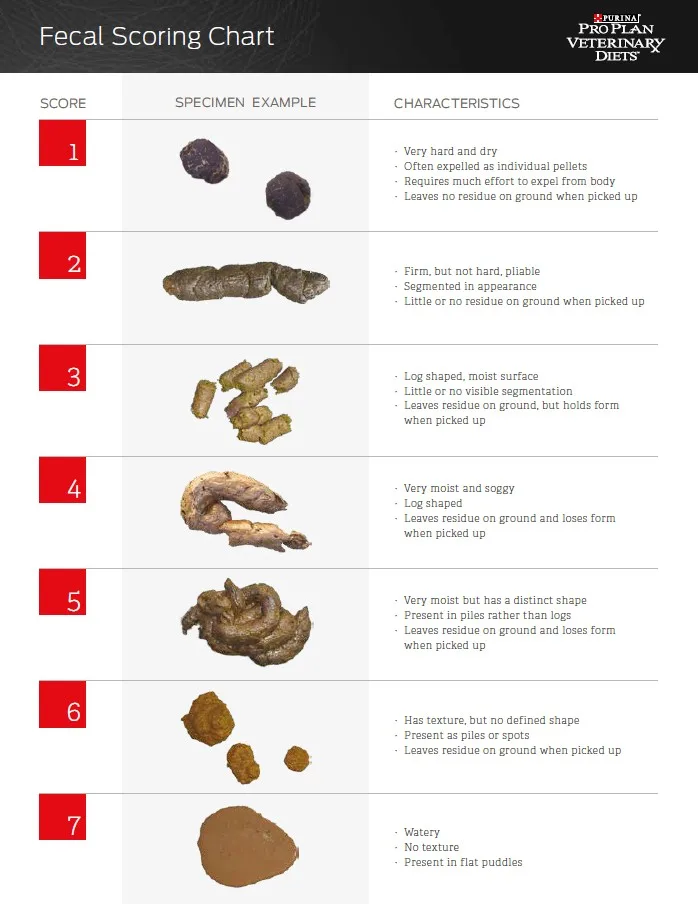
Throughout the transition, monitor stool quality using a simple 1-to-5 fecal score. A score of 3 (formed, moist, holds shape when picked up) is the target. Anything consistently below 2 (liquid) or above 4 (hard, dry) means you've moved too fast or hit the wrong fiber type.
For dry kibble, add a splash of warm water or a spoonful of wet food so the fiber source binds to the kibble instead of sitting at the bottom of the bowl. Many dogs will pick around unfamiliar add-ins otherwise.
If your dog flat-out refuses pumpkin or green beans, try mixing into a high-value topper like plain yogurt (xylitol-free), bone broth, or a small amount of wet food. Most dogs come around within a few meals once the new ingredient smells like part of their normal dinner.
Using Fiber for Specific Problems: Diarrhea, Constipation, and Anal Glands
The same fiber source doesn't help every problem. Picking the right fiber for the specific issue saves time and stool quality.
For Diarrhea or Loose Stool
Lean heavily on soluble fiber. Pumpkin, psyllium, and cooked oats pull water into the colon and slow transit. Combined with a short fast (12 to 24 hours for adult dogs, skip the fast for puppies), most mild episodes clear up in 48 to 72 hours.
If diarrhea lasts beyond 48 hours, contains blood, or comes with vomiting, seek veterinary care immediately. The AVMA outlines warning signs that warrant a clinic visit rather than continued home management.
For Constipation
Insoluble fiber is your first move. Green beans, carrots, and a bit of wheat bran add bulk that triggers normal colon contractions. Pair this with fresh water availability and a few short walks after meals.
Senior dogs and small breeds are particularly prone, and a daily green-bean topper often keeps things moving without further intervention.
For Anal Gland Issues
Firmer stools apply natural pressure to the anal glands during defecation, which is exactly how the sacs empty in healthy dogs. Soft stool skips that pressure, and the glands fill up. Many dogs that need constant gland expression at the vet have a fiber-deficiency issue at the root.
Pumpkin or psyllium added to meals for a few weeks often reduces expression frequency noticeably.
Fiber for Weight Management in Dogs
Fiber has a unique advantage in weight-loss plans: it fills the belly without adding many calories. A cup of green beans adds bulk and chewing time for about 31 calories, compared to roughly 350 calories in a cup of kibble.
Veterinary weight-loss programs often replace 10 to 20% of a dog's regular ration with cooked green beans or other low-calorie fibrous vegetables. The dog feels fuller on fewer calories, which reduces begging behavior and makes the diet easier to maintain long-term.
Fiber also slows glucose absorption from meals, which helps overweight dogs that are also borderline diabetic or insulin-resistant. Soluble fibers like psyllium and beet pulp have the strongest blood-sugar moderation effect.
For overweight dogs on commercial diets, look for weight-management formulas that list 10% or higher crude fiber on a guaranteed analysis. Many prescription weight-loss diets sit in this range.
High-Fiber Commercial Dog Foods vs. Home Additions
Therapeutic commercial diets from veterinary brands like Hill's, Royal Canin, and Purina Pro Plan often include added fiber sources like beet pulp, powdered cellulose, or chicory root. They're well-researched, consistent in dose, and convenient.
Home additions are cheaper, more flexible, and easy to customize to your dog's preferences. They also let you adjust on the fly without changing the entire diet.
| Option | Pros | Cons |
|---|---|---|
| Therapeutic commercial diet | Precise dosing, vet-recommended, balanced | Expensive, harder to switch, less flexibility |
| Whole-food additions | Cheap, easy to adjust, fresh | Requires measuring, can unbalance diet if overused |
| Fiber supplements | Concentrated, no prep | Risk of overuse, some dogs reject texture |
For most healthy dogs with mild stool issues, whole-food additions win on cost and control. For dogs with chronic GI disease, diabetes, or stubborn obesity, therapeutic diets are worth the premium.
Toxic Foods That Look Like Fiber Sources (Avoid These)
Some common human foods marketed as healthy get repeated in fiber articles without anyone checking the dog-safety list. Skip these entirely.
- Grapes and raisins: kidney failure risk, even in small amounts
- Onions and garlic: damage red blood cells, builds up over time
- Xylitol (in some peanut butter, sugar-free yogurt, baked goods): rapid liver failure
- Macadamia nuts: neurological symptoms
- Avocado: persin causes mild GI upset, mostly a risk for smaller dogs
- Chocolate and coffee: toxic for reasons unrelated to fiber
Also watch out for products marketed as "pumpkin" that aren't. Pumpkin pie filling, pumpkin spice mixes, and pumpkin-flavored treats often contain sugar, nutmeg, or xylitol. The label must read "100% pure pumpkin" or "organic pumpkin" with no added ingredients.
Mistakes Dog Owners Make When Adding Fiber
Most fiber experiments fail for predictable reasons. Here are the ones that come up most often.
Adding too much, too fast. The single biggest cause of fiber-induced gas and worsening diarrhea. Always ramp up over a week.
Using the wrong fiber type. Constipated dogs on pumpkin (mostly soluble) get worse, not better. Loose-stool dogs on wheat bran (mostly insoluble) get worse.
Match the fiber type to the problem.
Replacing too much of the diet. If your dog is on a balanced commercial food and you replace a quarter of it with green beans, the calorie-to-nutrient ratio shifts. Dogs can lose weight or miss key micronutrients.
Ignoring calories in high-fiber additions. Cooked oats and apples add sugar and calories. For weight-loss dogs, count them.
Masking real problems. If your dog has had soft stool for three weeks and adding pumpkin "kind of" helps, that's still a vet visit. Chronic stool changes warrant diagnostic workup.
When to Call the Vet Instead of Tweaking the Diet
Dietary fiber tweaks are appropriate for mild, recent, or recurring stool changes in otherwise healthy dogs. They're not appropriate when symptoms suggest something deeper.
- Blood in stool (bright red or black and tarry)
- Stool changes lasting more than 14 days despite fiber adjustments
- Weight loss alongside stool changes
- Repeated vomiting
- Loss of appetite lasting more than 48 hours
- Signs of pain when defecating
- Sudden bloating or abdominal distension
The WSAVA Global Nutrition Guidelines recommend a full diagnostic workup before dietary management for any chronic GI symptom, not after. Fiber is a tool, not a diagnosis.
Daily Routine: A Simple Fiber-Add-In Plan
Here's a straightforward daily plan you can start this week.
- Pick one fiber source. Plain canned pumpkin is the safest default.
- Start at one quarter of the target dose on day one. Mix into wet food or warm water poured over kibble.
- Increase every two days by another quarter dose.
- After seven days, observe stool quality for three more days.
- If stool is consistently a score of 3 on the 1-to-5 scale, you've found the right dose.
- If stool is too loose or too hard, adjust up or down by 25% and re-evaluate after another five days.
For most adult dogs, this routine produces visible stool improvement within 10 to 14 days. Some dogs respond faster, especially those with simple loose stool. Constipation cases may take two to three weeks for full effect.
Fiber and the Gut Microbiome: What the Research Shows
One of the more interesting shifts in canine nutrition research over the last few years has been the focus on the gut microbiome. A healthy colon hosts trillions of bacteria that ferment fiber into short-chain fatty acids, including butyrate, acetate, and propionate. These feed colon cells directly, reduce inflammation, and shape overall immune function.
Prebiotic fibers (inulin, chicory, FOS, partially hydrolyzed guar gum) have the strongest microbiome effect. Whole foods like oats, pumpkin, and flaxseed offer milder prebiotic activity plus their other fiber benefits. Studies in dogs have linked higher fermentable fiber intake with more diverse gut bacterial populations and reduced markers of colon inflammation, though most research so far has been done in healthy dogs or those with mild colitis.
The practical takeaway: don't think of fiber only as a stool-bulking tool. It's also microbiome food. That's part of why benefits often show up in unexpected places, like better anal gland expression or fewer intermittent flare-ups.
Fiber for Senior Dogs: Special Considerations
Older dogs digest food more slowly, drink less water, and move less. All three of those shifts make constipation more common, especially in small and toy breeds. A daily teaspoon of pumpkin or a tablespoon of cooked oats often does more for senior dogs than younger ones, simply because the underlying slowdown is real.
Watch hydration closely. Fiber pulls water into the colon, so a senior dog that isn't drinking enough can end up worse off, with hard, dry stools instead of regular ones. Adding water to meals, offering wet food, or using a pet water fountain usually helps.
Senior dogs with kidney disease need a different conversation. High-phosphorus fiber sources like wheat bran and oats should be limited, and pumpkin or green beans are safer picks. Always check with the vet before changing a senior dog's fiber routine, especially if there's existing kidney, heart, or liver disease.
Fiber and Hydration: Why Water Matters More Than You Think
This is the detail that quietly determines whether fiber helps or backfires. Fiber works by interacting with water in the colon. Without enough water, soluble fibers like psyllium can actually cause constipation instead of relieving it.
Practical rules that work in real households:
- Add a splash of warm water to every meal that includes fiber
- Keep fresh water available in multiple rooms
- Switch some kibble meals to wet food during fiber transitions
- For fiber-supplement dogs, mix psyllium with at least a quarter cup of water before adding to food
- In hot weather, increase water access since dogs drink more inconsistently
A dog that's drinking well can handle higher fiber doses without trouble. A dog that's mildly dehydrated, especially in winter when indoor heating dries the air, can react badly even to safe doses.
Fiber for Dogs With Sensitive Stomachs or Allergies
Some dogs react poorly to common fiber sources. Wheat and soy are the most frequent culprits, since they trigger both fiber-related sensitivity and true food allergies. If your dog itches after meals, has recurring ear infections, or shows worsening GI signs on wheat bran, switch to wheat-free options like pumpkin, sweet potato, or psyllium.
For dogs with a history of pancreatitis, fiber is usually fine, but go easy on fattier fiber sources like ground flaxseed. Plain pumpkin and green beans are safer picks during recovery.
For dogs with inflammatory bowel disease (IBD), fiber changes should only happen under veterinary supervision. Some IBD dogs respond well to soluble prebiotic fibers. Others get worse.
Trials are short, supervised, and usually combined with medication adjustments.
When Fiber Isn't Enough: Other Tools for Stubborn Stool Issues
If you've tried pumpkin, psyllium, and gradual transition for two to three weeks with no real improvement, the next layer usually includes one or more of the following.
- Probiotics. Beneficial bacteria added to meals to shift the microbiome directly. Different strains work for different issues.
- Digestive enzymes. Helpful for older dogs or those with pancreatic insufficiency.
- Prescription GI diets. Formulated for chronic colitis, fiber-responsive diarrhea, or constipation.
- Hydration support. Wet food, subcutaneous fluids, or flavor-infused water.
- Diagnostic workup. Stool sample, bloodwork, or imaging to rule out deeper causes.
The point is that fiber is one tool in a kit. It earns its place first because it's cheap, safe, and often effective. When it isn't enough, escalation is the next step, not more pumpkin.
Keeping Fiber in the Routine Long-Term
Once stools are regular and stable, most dogs stay on fiber for life. It's not a temporary fix. The fiber-eating microbiome shifts back toward baseline within a few weeks of stopping, and the original symptoms often return.
A long-term routine worth keeping:
- Maintain the dose that produced a consistent stool score of 3
- Reassess every few months if your dog gains or loses weight
- Switch fiber sources seasonally if needed (pumpkin in fall, green beans year-round)
- Watch stool quality closely during any diet transitions
- Keep water intake high, especially in summer and winter
Dogs with chronic conditions like diabetes, IBD, or persistent anal gland issues often do best on a stable therapeutic diet with a fiber source built in, plus vet check-ins every 6 to 12 months. Healthy dogs with mild, intermittent stool issues usually do fine with whole-food fiber as the only intervention.
Vet-Recommended Fiber Brands and Formulas Worth Knowing
A few veterinary-formulated products come up repeatedly in clinical guidelines and peer-reviewed canine nutrition research.
- Hill's Prescription Diet w/d: a long-standing fiber-rich formula for weight and glucose management, typically running 14 to 16% crude fiber on a dry matter basis.
- Royal Canin Gastrointestinal High Fiber: designed for fiber-responsive colitis and constipation, with beet pulp as a primary fiber source.
- Purina Pro Plan Veterinary Diets EN Gastroenteric: a moderate-fiber option for sensitive digestion, often paired with digestive support cases.
- Blue Buffalo Wilderness High Protein with added fiber blends: a non-prescription option for owners who prefer over-the-counter maintenance diets.
These products aren't mandatory. They shine in specific clinical cases where dosing precision matters more than flexibility.
Fiber in Homemade Dog Food Diets
Home-cooked dog diets need a fiber source too, but adding random vegetables won't balance the rest of the bowl. A canine nutrition platform or vet nutritionist should review any home-cooked plan.
Rough guidelines for home-cooked meals per pound of food:
- 10 to 15% of the meal by weight as fibrous vegetables (green beans, carrots, pumpkin)
- One quarter teaspoon of ground flaxseed or psyllium for small dogs, scaled up to one tablespoon for large breeds
- A calcium source separately, since fiber-heavy diets don't replace minerals
The biggest mistake with home-cooked fiber plans is over-relying on vegetables and skipping calcium, vitamin E, and trace minerals. A vet nutritionist can run the recipe through software to make sure nothing's missing.
Fiber for Dogs on Raw or Fresh Diets
Raw and gently cooked fresh diets often run lower in fiber than kibble, which surprises owners who switched expecting better stools. Adding fibrous vegetables, pumpkin, or a small psyllium dose brings the balance back without changing the core protein source.
Bone content also affects stool. Too much bone produces chalky, hard stool. Too little produces soft, hard-to-pick-up stool.
Fiber sits between the two and helps smooth out those swings.
If you're feeding raw, plain canned pumpkin mixed into the meal works well. Psyllium is fine too, though some raw feeders prefer whole-food sources only.
Seasonal Fiber Choices and Sourcing
Pumpkin is seasonal in some regions, especially fresh. Fall brings the best prices on fresh pumpkins and canned pumpkin inventory. Year-round, canned organic pumpkin from major brands is consistent and safe.
Green beans, carrots, and oats are available year-round at any grocery store. Frozen green beans work just as well as fresh, with similar fiber content after thawing.
Flaxseed should be bought in small quantities and ground fresh or stored cold. Whole seeds lose potency quickly once ground, and rancid flaxseed causes digestive upset.
For dogs in rural areas with limited grocery access, psyllium husk powder and rolled oats ship well and store for months. They're the most shelf-stable fiber additions.
Fiber and Exercise: The Pairing Owners Forget
Exercise moves the colon. A dog that walks regularly has stronger gut motility than a sedentary one of the same breed and diet. Pairing fiber with a steady walk routine produces better stool quality than fiber alone.
Practical pairings that work:
- Morning fiber meal, then a 20-minute walk within the hour
- Evening fiber meal for dogs fed once daily, with a short walk before bed
- Active dogs on high-fiber diets usually need a slightly higher total dose to account for faster transit
- Senior dogs with stiff joints benefit from short, frequent walks more than long outings
Exercise isn't a substitute for fiber, and fiber isn't a substitute for movement. They reinforce each other.
FAQs on Adding Fiber to a Dog's Diet
How long does it take for added fiber to work in dogs?
Most dogs show stool changes within 3 to 5 days of reaching a full dose. Full microbiome and gut motility benefits typically take 2 to 4 weeks. If you see no change after two weeks at the recommended dose, the fiber type may be wrong for your dog's specific issue.
Can too much fiber cause diarrhea in dogs?
Yes. Excess fiber, especially introduced quickly, pulls water into the colon and can trigger gas, bloating, and watery stool. This is why gradual introduction matters more than the total dose.
If diarrhea appears after starting fiber, reduce the amount by half and hold there for a week before increasing again.
Is canned pumpkin or fresh pumpkin better for dogs?
Both work. Plain canned pumpkin (no added ingredients) is more convenient and consistent in fiber content. Fresh cooked pumpkin is fine if you have time to prepare it.
Avoid pumpkin pie filling, which contains spices and sweeteners that aren't safe for dogs.
Can puppies have added fiber?
Puppies can eat small amounts of plain pumpkin or steamed green beans, but their primary nutrition should still come from a complete puppy formula. Adding significant fiber to a puppy's diet can interfere with calorie and nutrient absorption during growth. For puppy-specific stool issues, talk to your vet first.
Does fiber help with dog anal gland problems?
Often, yes. Firmer, well-formed stool applies natural pressure to the anal glands during defecation, which helps them empty on their own. Many dogs that need frequent vet expression improve within a few weeks of consistent fiber addition.
Persistent gland issues may still need veterinary management.
Are commercial high-fiber dog foods better than home additions?
Not necessarily better, just different. Therapeutic commercial diets offer precise, vet-formulated dosing and are ideal for chronic conditions like diabetes, IBD, or significant obesity. Home additions are cheaper, more flexible, and work well for mild stool issues in otherwise healthy dogs.