How to reduce amyloid protein in the diet: Easy Guide
If you've been Googling how to reduce amyloid protein in the diet, you probably ran into two opposite answers. One says a single "brain-cleaning" food will fix everything. The other says diet can't touch amyloid at all.
Neither is right.
Here's what's actually true as of 2026. Amyloid buildup is driven by chronic inflammation, insulin resistance, and oxidative stress, and a Mediterranean-style pattern with low dietary AGE load shows the strongest protective signal in observational studies. That's the territory we'll cover: the science, the swaps that matter, and where the evidence stops.
Quick Answer
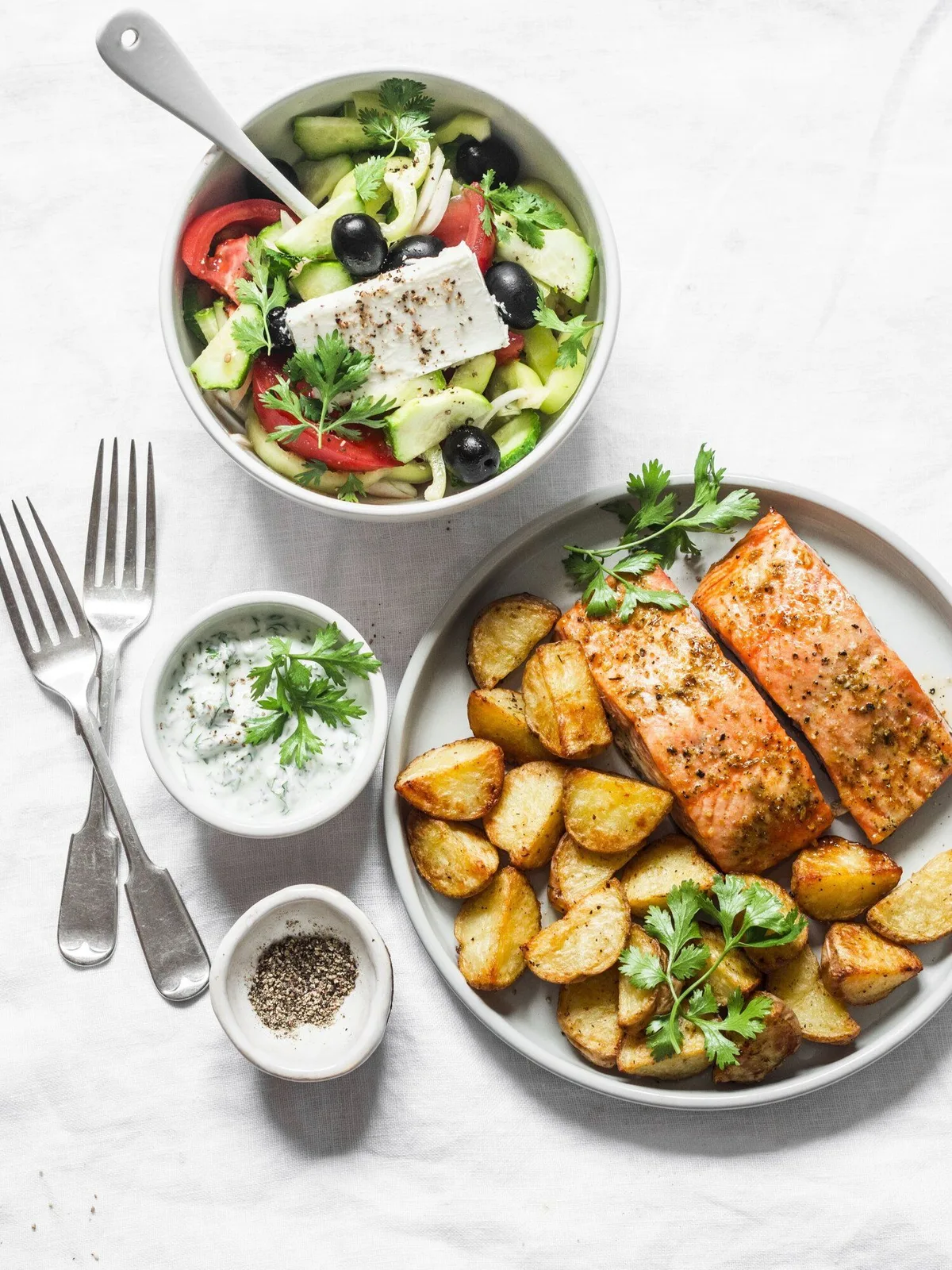
You can't directly scrub amyloid from your brain with food. A MIND or Mediterranean pattern lowers the drivers that push amyloid higher. Focus on leafy greens, berries, fatty fish, olive oil, and whole grains.
Cut ultra-processed foods, excess saturated fat, and high-heat cooking.
Why Accuracy Matters When Diet Meets Brain Amyloid
Bad advice on this topic can cost you years. Someone who chases a "miracle food" while ignoring blood sugar and inflammation isn't protecting their brain. They're just rearranging deck chairs.
The stakes are real. Alzheimer's and related dementias affect roughly 55 million people worldwide, per the World Health Organization. Diet is one of the few modifiable levers we actually control, but only if you point it at the right targets.
Three rules before we go deeper:
- No food "removes" amyloid plaques. Period.
- The goal is lowering the upstream drivers (inflammation, insulin resistance, oxidative damage), not chasing plaque imaging results.
- Anything promising a fast cognitive fix is selling something.
What Amyloid Protein Actually Means in Your Body
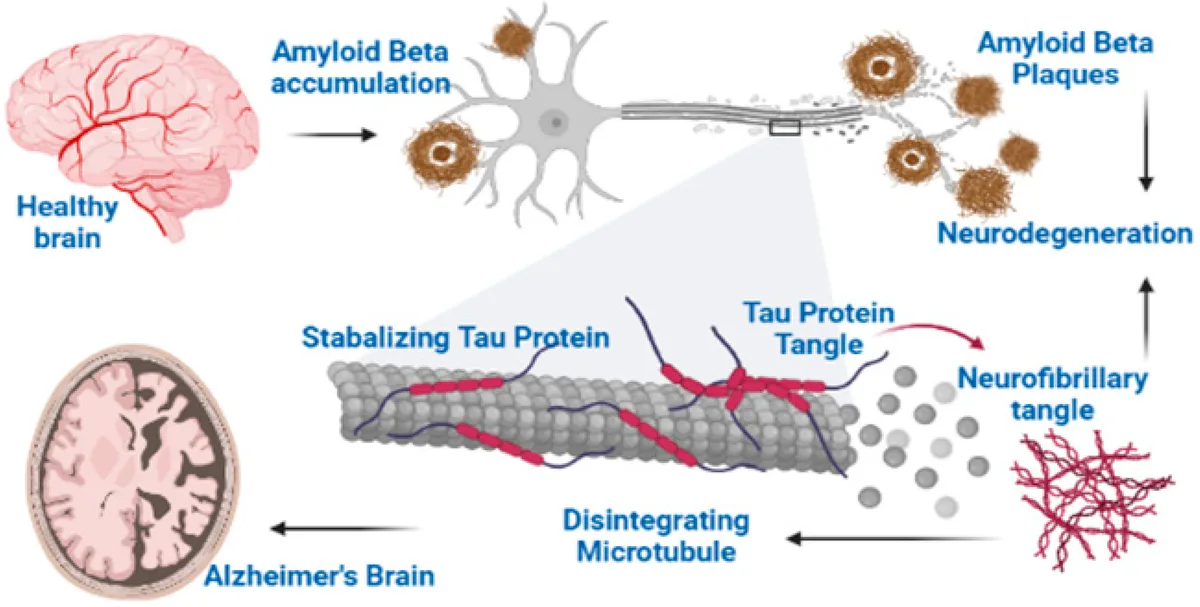
The word "amyloid" covers a whole family of misfolded proteins. They share a shape, not a job. Two matter most when we talk about diet.
Beta-Amyloid in the Brain vs. Serum Amyloid A in the Blood
Beta-amyloid (Aβ) is the sticky peptide that clumps between neurons in Alzheimer's disease. It's made when the amyloid precursor protein (APP) gets cleaved in a specific way. More cleavage, more clumping, more trouble clearing it.
Serum amyloid A (SAA) is a different beast. It's an acute-phase protein your liver cranks out during inflammation. Diet influences SAA levels through chronic, low-grade inflammation (the kind you get from ultra-processed food, visceral fat, and poor sleep).
When people say "amyloid and diet," they usually mean one of these two. The mechanisms don't overlap as much as you'd think.
Why Diet Influences Amyloid Load Without "Removing" Plaques
Diet can't vacuum out existing plaques. What it can do is slow new plaque formation and help your brain's clearance systems (the glymphatic system, microglial cleanup) work better.
The levers are familiar: lower inflammation, improve insulin signaling in the brain, and reduce oxidative damage to neurons. That's where food choices come in. If your goal is supporting vein health and circulation as part of the broader picture, the best foods for vein health align with many of the same anti-inflammatory choices we'll cover here.
The Real Risk Factors That Raise Amyloid Burden
Before you change what you eat, know what's actually pushing amyloid upward. These are the upstream drivers, and diet touches every one of them.
Insulin Resistance and Brain Glucose Hypometabolism
The brain uses glucose for fuel, but in Alzheimer's the brain becomes "diabetic." It struggles to pull glucose in, even when blood sugar looks normal. Insulin resistance doubles your risk for cognitive decline, and the connection is strong enough that some researchers call Alzheimer's "type 3 diabetes."
Diet fix: cut refined carbs and added sugar, build meals around protein and fiber, and consider how the best probiotic for thyroid health might support the metabolic piece if you have known thyroid issues.
Chronic Inflammation and the Gut-Brain Axis
Your gut microbiome talks to your brain through the vagus nerve, immune signaling, and short-chain fatty acids. A dysbiotic gut (too few diversity, too many pathogens) leaks inflammatory molecules into circulation. They cross the blood-brain barrier and switch on microglial inflammation, which speeds amyloid deposition.
Diet fix: fermented foods, fiber diversity, polyphenol-rich produce. The best green juice for gut health can support this on days you can't eat enough vegetables.
Dietary AGEs, Oxidative Stress, and Lipid Peroxidation
Advanced glycation end products (AGEs) form when sugars react with proteins at high heat. Grilled, fried, and charred foods are AGE bombs. Once absorbed, AGEs cross-link proteins in your body and brain, generating oxidative stress that damages neurons and speeds amyloid cross-linking.
A typical Western diet delivers 12,000 to 23,000 kU of AGEs per day. A low-AGE pattern drops that to under 5,000 kU. The difference shows up in inflammatory markers within weeks.
Safe Dietary Practices That Target Amyloid Pathways
Now we get to the part you came for. None of these swaps are exotic. They're boring on purpose, because boring works.
Building a MIND-Style or Mediterranean-Style Eating Pattern
The MIND diet score runs from 0 to 15, and each point of adherence is associated with roughly a 13% lower Alzheimer's risk in observational data. To score well, you eat at least 6 servings of leafy greens per week, 5 servings of berries, 4 servings of nuts, 3 servings of whole grains, 2 servings of beans, 1 serving of fish per week, and poultry at least twice weekly.
Olive oil is the default fat, and a small glass of red wine per day counts if you already drink. The "bad" foods (cheese, butter, fried food, red meat, pastries, sweets) are scored in reverse. Track them too, because overdoing the bad side wipes out the good.
If you're already working on other health goals, the pattern stacks nicely. The best nuts for kidney health overlap almost perfectly with the nuts that score high on MIND.
Foods That Consistently Show Up in Neuroprotective Research
Five food groups carry the most consistent signal:
- Leafy greens (kale, spinach, romaine) for folate and vitamin K
- Berries (blueberries, strawberries, blackberries) for anthocyanins
- Fatty fish (salmon, sardines, mackerel) for DHA omega-3
- Extra virgin olive oil for polyphenols and monounsaturated fat
- Nuts and seeds for vitamin E, magnesium, and healthy fats
Notice what isn't on the list. No exotic "superfood," no expensive supplement stack. The boring basics win again.
Cooking Methods That Lower AGE Formation
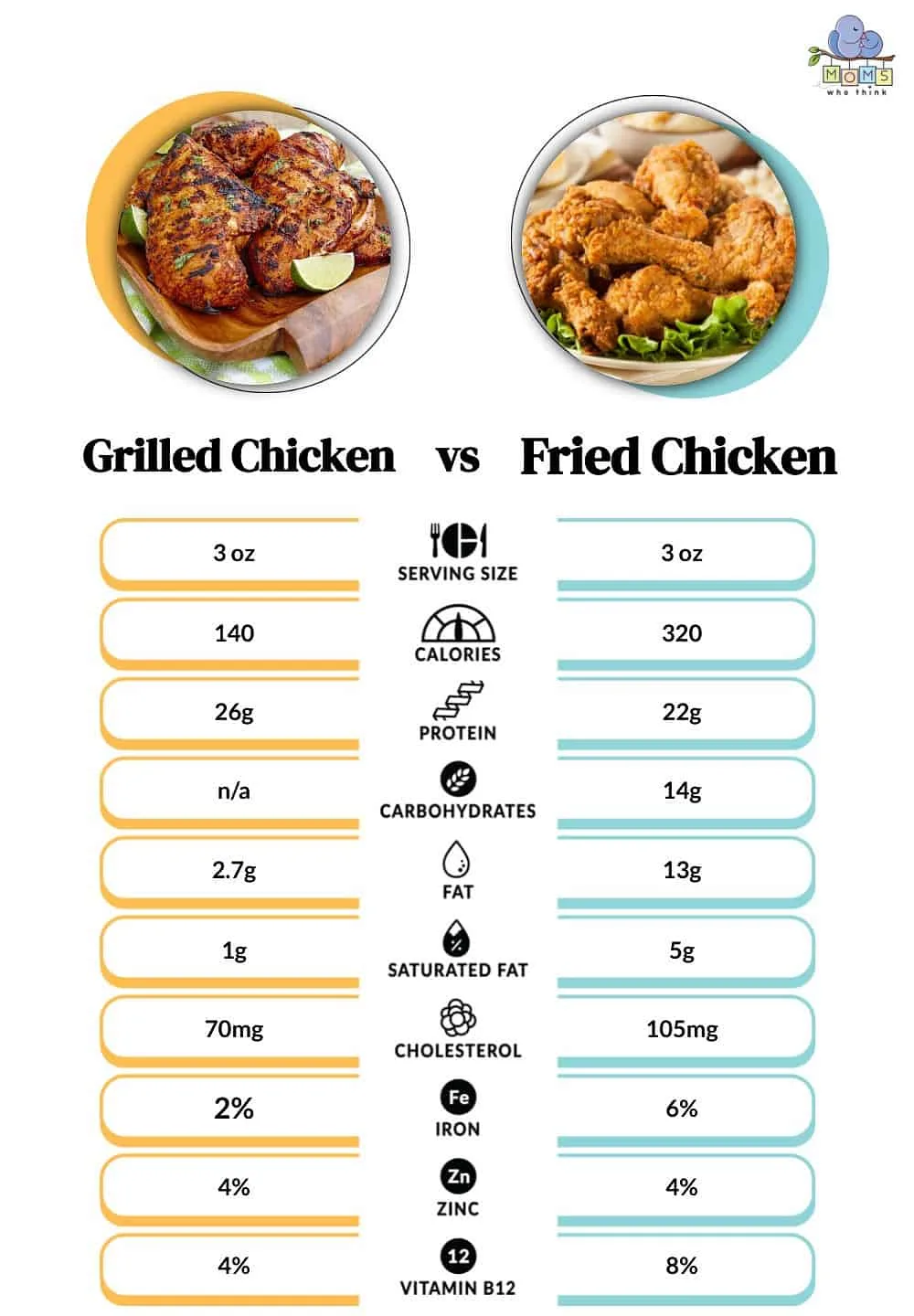
How you cook matters as much as what you cook. The same chicken breast can carry 10 times the AGE load depending on the method.
| Cooking method | Relative AGE content |
|---|---|
| Steaming, poaching | Very low |
| Boiling, simmering | Low |
| Slow cooking, stewing | Low to moderate |
| Baking, roasting at low temp | Moderate |
| Grilling, pan-frying, charring | High to very high |
Marinating in lemon juice or vinegar before high-heat cooking cuts AGE formation by up to 50%. Lower oven temperatures and shorter cook times help. Water-based cooking (stews, soups) protects both the food and your brain.
Smart Use of Fasting, Fiber, and Fermented Foods
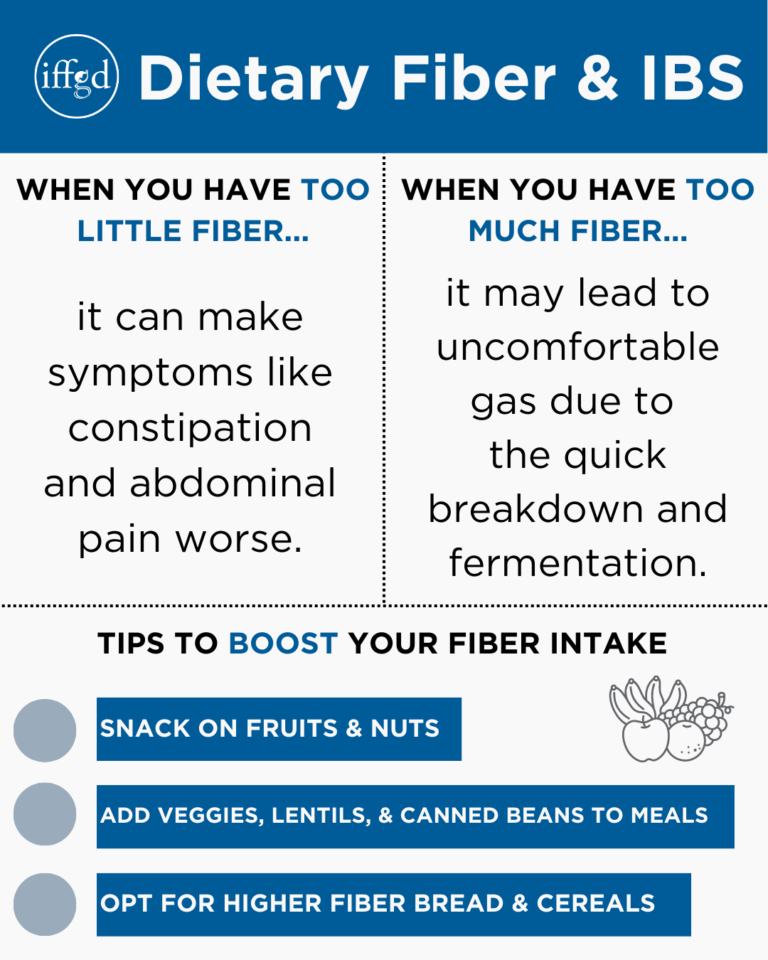
Time-restricted eating (10-hour window) improves insulin sensitivity and may boost glymphatic clearance during sleep. Aim for 25 to 35 grams of fiber daily from diverse sources. Add fermented foods like kimchi, sauerkraut, kefir, or yogurt for microbiome support.
Timing matters too; the best time to drink kombucha for gut health can pair with your meal rhythm.
What the Evidence Actually Shows (and Where It Stops)
Hopeful headlines outrun the science, so a reality check helps.
Strong Signals from Observational Studies
Cohort studies consistently show that higher Mediterranean adherence tracks with slower cognitive decline and lower dementia incidence. Effect sizes vary, but a meta-analysis in Neurology found roughly a 20% risk reduction in the highest-adherence groups.
These are associations, not causation. People who eat Mediterranean-style also tend to exercise more, sleep better, and smoke less. Diet alone doesn't get all the credit.
Imaging Studies Linking Diet to Amyloid-PET Findings
A few small trials have used amyloid-PET imaging to look directly at brain plaque load. The good news: MIND diet adherence is correlated with lower amyloid burden in cognitively normal adults. The honest news: these studies are small, cross-sectional, and can't prove diet caused the difference.
The takeaway is cautious optimism, not a treatment plan.
Where the Science Is Still Speculative
Ketogenic diets, lion's mane mushrooms, high-dose curcumin, and various "nootropic" stacks all have early signals. None have the trial depth to back the marketing. If a product claims to "remove" amyloid plaques, treat it as fiction until proven otherwise.
Foods and Habits That Quietly Increase Amyloid Risk
Knowing what to eat is half. Knowing what drags you backward is the other half.
Ultra-Processed Foods and Systemic Inflammation
Ultra-processed foods make up roughly 58% of calories in a typical American diet, per recent NHANES data. They're engineered to be hyper-palatable and low in fiber. They spike blood sugar, feed the wrong gut bacteria, and drive chronic inflammation.
Each 10% increase in dietary share of ultra-processed food correlates with meaningfully higher dementia risk in cohort data.
Seed Oils vs. Extra Virgin Olive Oil: What's Really Going On
Seed oils (soybean, corn, sunflower) are high in omega-6 linoleic acid. The internet has demonized them, but the science is more boring: in excess, they displace omega-3 and may increase oxidative potential. They're not poison in normal doses.
Extra virgin olive oil is the better default for brain health. Its polyphenols (oleocanthal, hydroxytyrosol) have direct anti-inflammatory and neuroprotective effects in vitro and in small human trials. Use it generously.
Excess Saturated Fat, Alcohol, and Refined Sugar
Saturated fat (butter, cheese, fatty red meat) raises LDL cholesterol, which in some studies correlates with higher amyloid burden. Refined sugar drives insulin resistance, the same driver we covered earlier. Alcohol's relationship is J-shaped: light to moderate intake may be neutral or mildly protective, heavy intake clearly raises risk.
If you're also pursuing the best supplements for cellular health, make sure none of them rely on sugary delivery systems that undo the rest of your plan.
Mistakes People Make When Trying to "Clean" Amyloid
We've watched readers burn months on the wrong moves. Avoid these.
Chasing Single "Miracle" Foods or Supplements
Blueberries are great. They are not going to reverse Alzheimer's. No single food has the evidence base to carry that weight.
The MIND diet pattern only works because of how the parts stack.
Same logic for the best red wine for health conversation: a glass a few nights a week isn't going to outperform a garbage diet.
Ignoring Sleep, Exercise, and Stress
Poor sleep impairs glymphatic clearance, the literal waste-removal system of your brain. Sedentary behavior correlates with faster cognitive decline even after adjusting for diet. Chronic stress keeps cortisol elevated, which directly drives hippocampal damage.
Diet is one leg of a four-legged stool. Pull any leg and the whole thing wobbles.
Overrestricting Calories or Going Extreme Keto Without Supervision
Severe caloric restriction does shrink amyloid in mice. Humans aren't mice. Extreme restriction in older adults leads to muscle loss, micronutrient gaps, and worse outcomes.
Therapeutic ketosis may help in early Alzheimer's under medical supervision, but it's not a casual lifestyle swap.
Supplements Worth Considering (and Which Ones to Skip)
Supplements aren't a substitute for the diet pattern, but a few have real trial support. Most don't.
Omega-3 EPA/DHA: What the Trials Actually Show
DHA is a structural fat in neuronal membranes. Trials in cognitively normal adults show modest benefits on memory and executive function, especially in those with low baseline intake. Aim for 250 to 500 mg of combined EPA and DHA daily from fatty fish or a quality fish oil.
Trials in established Alzheimer's show no clear benefit. Timing matters; starting early matters more.
Curcumin, Vitamin D, and B Vitamins: Realistic Expectations
Curcumin (turmeric extract) shows anti-inflammatory and anti-amyloid effects in petri dishes. Human trials are mixed, mostly because curcumin is poorly absorbed. Look for a bioavailable form (with piperine or liposomal delivery) if you try it.
Vitamin D deficiency is common and correlates with cognitive decline. Correcting a deficiency helps, but megadosing past normal levels doesn't add benefit.
B vitamins (B6, B12, folate) lower homocysteine, which is associated with amyloid in some studies. They help most in people with elevated homocysteine or known deficiencies.
When Supplements Can Interact With Medications
Omega-3s can thin blood at high doses, so they interact with warfarin and aspirin. Curcumin interacts with blood pressure and diabetes meds. Vitamin D interacts with certain diuretics.
Always loop in your prescribing clinician before stacking supplements on top of medication.
A Practical 4-Week Starter Plan
Talk is cheap. Here's how to actually move.
Week 1: Audit Your Current Pattern
Track everything you eat for seven days. Be honest. Note how often you cook at high heat, how much ultra-processed food slips in, and how many servings of greens and berries you actually eat.
Most people are shocked by the real numbers.
Pull your fasting glucose and fasting insulin if you can. They're cheap and they tell you how much metabolic work you have ahead.
Week 2: Swap High-AGE Cooking for Low-AGE Methods
Pick two meals a week and switch the cooking method. Grilled chicken becomes poached. Pan-fried steak becomes slow-cooked stew.
Charred vegetables become roasted at 350°F with a water bath in the pan.
You'll barely notice the flavor change, but your AGE intake will drop fast.
Week 3: Build a Brain-Protective Plate
Aim for this template at three meals a day:
- Half the plate is non-starchy vegetables (leafy greens count double)
- A quarter is protein (fatty fish twice weekly, legumes other days)
- A quarter is whole grains or starchy vegetables
- A thumb-sized portion of extra virgin olive oil drizzled on top
- Berries as your default dessert
Week 4: Lock In the Routine and Track Markers
Re-check your fasting glucose and insulin. Many people see improvement after four weeks. Notice how your sleep, energy, and digestion feel.
If something isn't working, adjust the protein source, the fiber mix, or the cooking method. The plan is a template, not a religion.
Use Cases: Who Should Care Most About This
The MIND and Mediterranean pattern helps everyone, but urgency varies.
Adults With a Family History of Alzheimer's
Family history roughly doubles your lifetime risk. Starting the dietary pattern in your 30s or 40s gives decades of protective signaling. The earlier you start, the bigger the cumulative effect on the drivers we covered.
People With Type 2 Diabetes or Metabolic Syndrome
This group already has insulin resistance, the most powerful modifiable driver of amyloid burden. Diet change here isn't optional. It's the highest-yield move you can make, alongside medication adherence and weight management.
APOE4 Carriers
APOE4 is the strongest common genetic risk variant for late-onset Alzheimer's. Carriers don't need to fear food; they need to start the protective pattern earlier than average-risk peers. Genetic testing is a reasonable option if family history is heavy.
Anyone in Their 40s or 50s Thinking Long-Term
Brain amyloid starts accumulating 15 to 20 years before symptoms. Midlife is the prevention window. The dietary changes you make now pay off in your 60s and 70s.
When Diet Isn't Enough: Signs You Need a Clinician
Diet is prevention and support, not treatment for active cognitive disease.
Red Flags That Point to MCI or Early Cognitive Change
See a neurologist promptly if you notice:
- Memory loss that disrupts daily life
- Trouble planning or solving familiar problems
- Confusion with time or place
- New problems with words in speaking or writing
- Misplacing things and losing the ability to retrace steps
Genetic Testing, Amyloid Imaging, and What They Actually Tell You
Amyloid-PET scans can confirm plaque presence but won't tell you when symptoms will start. CSF or blood biomarkers (p-tau217, Aβ42/40 ratio) are increasingly used. Genetic panels can identify APOE status.
These tools inform clinical decisions; they don't replace the daily work of diet, sleep, and movement.
Frequently Asked Questions
Does Coffee Help or Hurt Amyloid?
Coffee appears neutral to mildly protective in most observational data. Habitual coffee drinkers show modestly lower Alzheimer's risk. Coffee is not a treatment, but you don't need to quit it.
Are There Specific Foods That "Shrink" Amyloid Plaques?
No. No human evidence supports that claim. The realistic goal is reducing new plaque formation and supporting clearance, which is what the MIND-style pattern does.
How Long Before Diet Changes Show Up on Cognitive Testing?
Inflammatory and metabolic markers shift within weeks. Cognitive testing detects meaningful changes over years, not weeks. Expect to commit to the pattern for 5+ years before judging your results.
Is the Ketogenic Diet Proven to Reduce Brain Amyloid?
Early trials in mild cognitive impairment show promise, but the evidence is thin and the diet is hard to sustain. A Mediterranean-style pattern has far stronger long-term data.
Should I Get an Amyloid-PET Scan Before Changing My Diet?
No, not for prevention purposes. Scans are useful for clinical diagnosis when cognitive symptoms are present, not for guiding lifestyle choices in healthy adults.
Final Takeaway: A Realistic, Evidence-Based Path Forward
You don't need a miracle. You need a pattern you can actually live with. Build meals around leafy greens, berries, fatty fish, olive oil, whole grains, and nuts.
Cook at lower temperatures. Cut ultra-processed food where you can. Track fasting insulin as your early warning system.
Sleep seven to eight hours. Move your body most days. Manage stress with something other than food.
Repeat for years, not weeks. That's the boring, evidence-based path that actually moves the needle on amyloid drivers.