how to add calcium to chickens diet: Honest Review
Adding calcium to your chickens' diet can be as simple as offering crushed oyster shells, limestone grit, or even their own eggshells in a separate feeder for free-choice consumption.
I still remember the first time I opened a chicken egg and found a soft, rubbery shell inside. My heart sank. I had no idea what went wrong, and worse, I had no idea how to fix it. That moment sent me down a rabbit hole of research, trial, and error, and it turned me into a firm believer that calcium isn't just a nice-to-have supplement for laying hens. It's a non-negotiable part of their diet, and getting it right can mean the difference between a healthy, productive flock and a frustrating cycle of weak eggs, sick birds, and wasted feed. Let me walk you through everything I've learned, so you can skip the mistakes I made and give your flock exactly what they need.

Why Calcium Matters So Much for Chickens
Calcium plays a huge role in your chickens' health, and it goes far beyond just building strong eggshells. Every egg a hen lays pulls calcium from her body, and if she doesn't have enough stored up, her body will start pulling it from her bones. Over time, this can lead to weak, brittle bones, poor egg production, and even fatal conditions like egg binding or osteoporosis.
Think of calcium like the mortar in a brick wall. Without enough of it, the whole structure becomes unstable. Hens that don't get enough calcium may lay eggs with thin, misshapen, or missing shells. They may also seem lethargic, have trouble walking, or produce fewer eggs overall. Roosters need calcium too, just not as much, since they're not laying eggs. But for laying hens, it's absolutely critical.
Calcium also supports nerve function, muscle movement, and blood clotting in chickens. It's not just about eggs. It's about keeping the entire bird healthy from the inside out.
How Much Calcium Do Chickens Need?
The amount of calcium a chicken needs depends on a few things, mainly their age and whether they're actively laying eggs. Here's a simple breakdown:
- Pullets under 18 weeks: Around 0.5% to 1% calcium in their diet. Too much calcium too early can damage their kidneys.
- Laying hens: Between 3% and 4% calcium in their total diet. This jumps significantly once they start laying.
- Broiler chickens: Around 0.6% to 1% calcium, since they're not laying eggs and need less.
- Roosters: Around 0.5% to 1% calcium, similar to pullets.
Most layer feeds already come with around 3% to 4% calcium, which is great for most hens. But some breeds, especially heavy producers like Rhode Island Reds or Leghorns, may need a little extra. That's where free-choice calcium supplements come in handy.
Best Natural Sources of Calcium for Chickens
You don't need to look far to find calcium-rich options for your flock. Here are some of the best natural sources I've used and recommend:
- Oyster shells: This is the gold standard. Crushed oyster shells are slowly digestible, which means calcium is released into the hen's system over time, not all at once. Offer it in a separate container, free-choice, so hens can eat what they need.
- Limestone grit: Another excellent option. It's similar to oyster shells and works well for most flocks.
- Eggshells: Yes, you can feed eggshells back to your chickens. Just make sure to bake them first to kill any bacteria, then crush them into small pieces. Some hens recognize them and avoid them, but most will eat them just fine.
- Crushed coral: A bit pricier, but very effective and long-lasting.
- Dark leafy greens: Kale, spinach, collard greens, and bok choy all contain calcium, though in smaller amounts. Great as a treat, not a main source.
- Mealworms and insects: While not high in calcium themselves, dried mealworms dusted with calcium powder can be a great way to sneak in extra.
- Dairy products: Yogurt, cottage cheese, and milk in small amounts can give a calcium boost, but use them sparingly to avoid digestive issues.
I learned the hard way that not all calcium sources are created equal. Early on, I tried mixing calcium powder into their feed, only to find that some hens would avoid the feed entirely because of the taste or texture. Once I switched to offering it free-choice in a separate dish, the problem disappeared. Hens are smart. They know what their bodies need, and they'll regulate their intake if you give them the chance.
How to Add Calcium to Your Chickens' Diet
Here's a step-by-step approach that works for most backyard flocks:
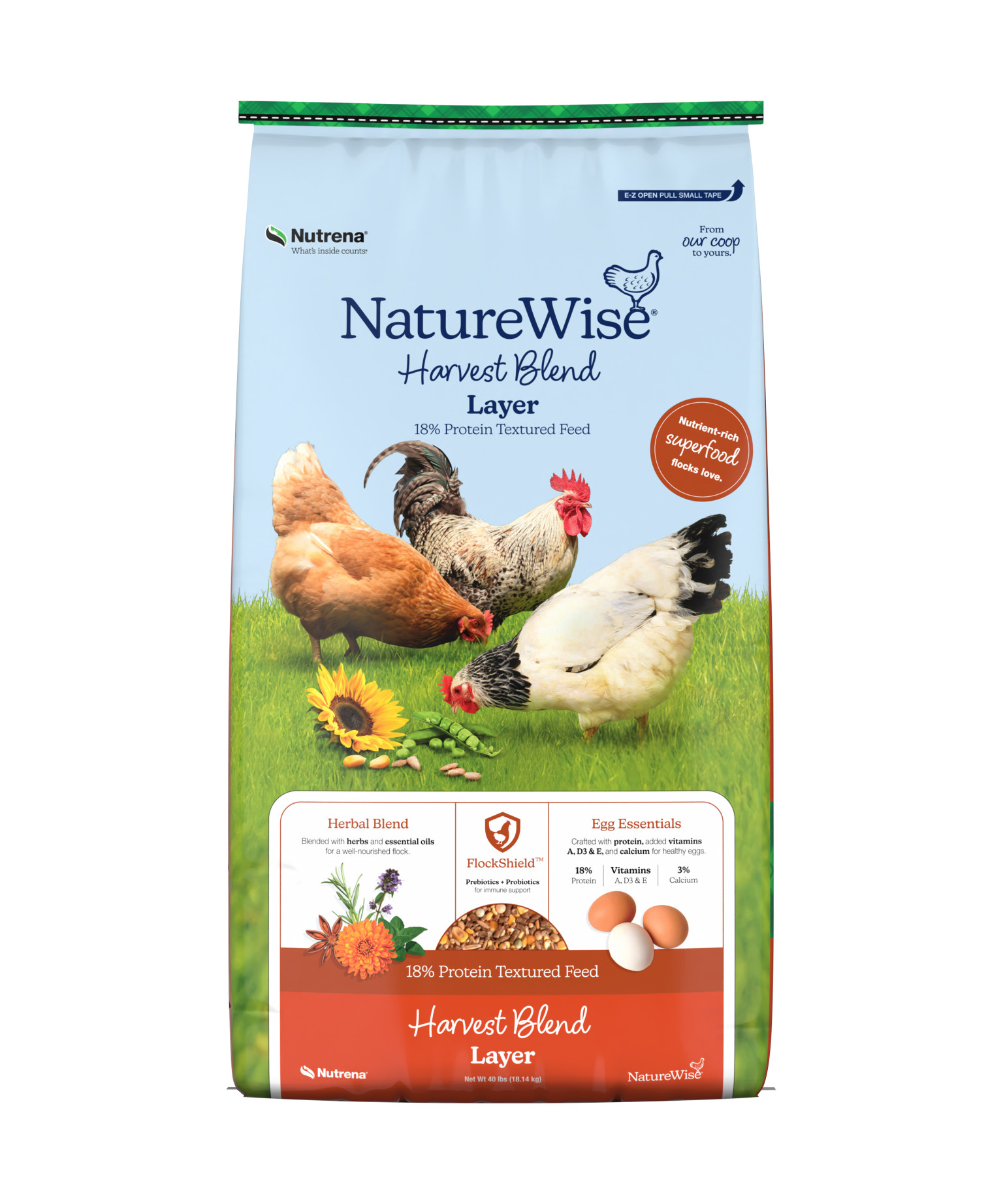
- Start with a quality layer feed. Most commercial layer feeds already contain 3% to 4% calcium, which covers the basics.
- Offer a separate calcium supplement. Use a small dish or feeder and fill it with crushed oyster shells or limestone grit. Place it somewhere easy for hens to access but away from their main feed to avoid overconsumption.
- Save and prep your eggshells. After using eggs, rinse the shells, bake them at 250°F for 10 minutes to sterilize, then crush them into small pieces. Add them to the calcium dish.
- Add calcium-rich treats. Toss in some kale, spinach, or other leafy greens a few times a week. You can also offer yogurt as an occasional treat.
- Monitor egg quality. If you start seeing soft shells or thin spots, it's a sign your hens need more calcium. If the shells are hard and smooth, you're doing great.
- Adjust with the seasons. During peak laying season (spring and summer), hens may need more calcium. In the fall when molting happens, egg production drops and so does calcium demand.
- Watch for signs of too much calcium. While rare, over-supplementation can cause kidney damage or shell quality issues. If you notice white, chalky deposits on eggs or your hens seem off, cut back a bit.
I keep two small feeders in my coop. One holds their regular layer feed, and the other holds crushed oyster shells mixed with dried, crushed eggshells. My hens visit the calcium feeder throughout the day, especially in the afternoon, which is when they seem to need it most before forming overnight eggshells.
Common Mistakes to Avoid
Over the years, I've seen a few common slip-ups that can mess with your calcium strategy:
- Mixing calcium into feed: As I mentioned, this can cause picky eating. Free-choice is almost always better.
- Giving calcium to pullets too early: Young chickens under 18 weeks shouldn't have extra calcium. It can harm their kidneys and mess with bone development.
- Using too many treats: Treats should make up no more than 10% of a chicken's diet. Too many treats, even healthy ones, can throw off the nutritional balance.
- Ignoring molting hens: When hens molt, they stop laying and don't need as much calcium. But once they start laying again, ramp it back up.
- Using low-quality supplements: Not all oyster shells are equal. Avoid anything that looks dusty or has a lot of fine particles, as it can be less effective and harder to digest.
Calcium for Different Types of Chickens
Different birds have different needs. Here's a quick guide:
- Laying hens: Need the most, around 3% to 4% calcium in their diet, plus free-choice supplements.
- Roosters: Need much less, around 0.5% to 1%. They can eat the same feed but shouldn't have access to large amounts of oyster shell.
- Brooding hens: Hens sitting on eggs don't need extra calcium since they're not laying. Their regular feed is fine.
- Meat birds: They grow fast and don't need much calcium. Stick to a good broiler feed.
- Bantams: Smaller breeds may need slightly less, but the same principles apply. Free-choice calcium is still a good idea.
How Long Does It Take to See Results?
If your hens are calcium-deficient, you can usually see improvements within a week or two of adding a proper supplement. Shells will get harder, egg production may stabilize or increase, and your hens will likely seem more active and alert. It's one of those changes that happens fast once you get it right, which is honestly one of the most satisfying parts of raising chickens.
FAQ
Can I give my chickens too much calcium?
Yes, but it's rare if you're offering it free-choice. Hens are good at self-regulating. Problems usually happen when calcium is mixed into feed or given in very large amounts to young birds.
Is it safe to feed chickens eggshells?
Absolutely, as long as you bake and crush them first. It cuts down on waste and gives them a free calcium source.
How do I know if my chickens need more calcium?
Look at their eggs. Soft, thin, or missing shells are the most obvious sign. Lethargy, poor appetite, and leg issues can also point to a deficiency.
Should I use oyster shells or limestone?
Both work well. Oyster shells are slightly more digestible, but limestone is usually cheaper and easier to find. Some people mix both.
Can baby chicks have calcium?
No. Chicks under 18 weeks should be on starter feed only. Extra calcium can damage their kidneys and affect growth.

Final Thoughts
Getting calcium right in your chickens' diet isn't complicated, but it does require a little attention and the willingness to adjust as you go. The good news is that chickens are smart, and when you offer them the right options, they'll take care of the rest. Start with a good layer feed, add a free-choice calcium source like oyster shells, and keep an eye on those eggs. Once you see those hard, beautiful shells, you'll know you've nailed it. If you have questions or want to share your own tips, drop a comment below. I'd love to hear how your flock is doing.