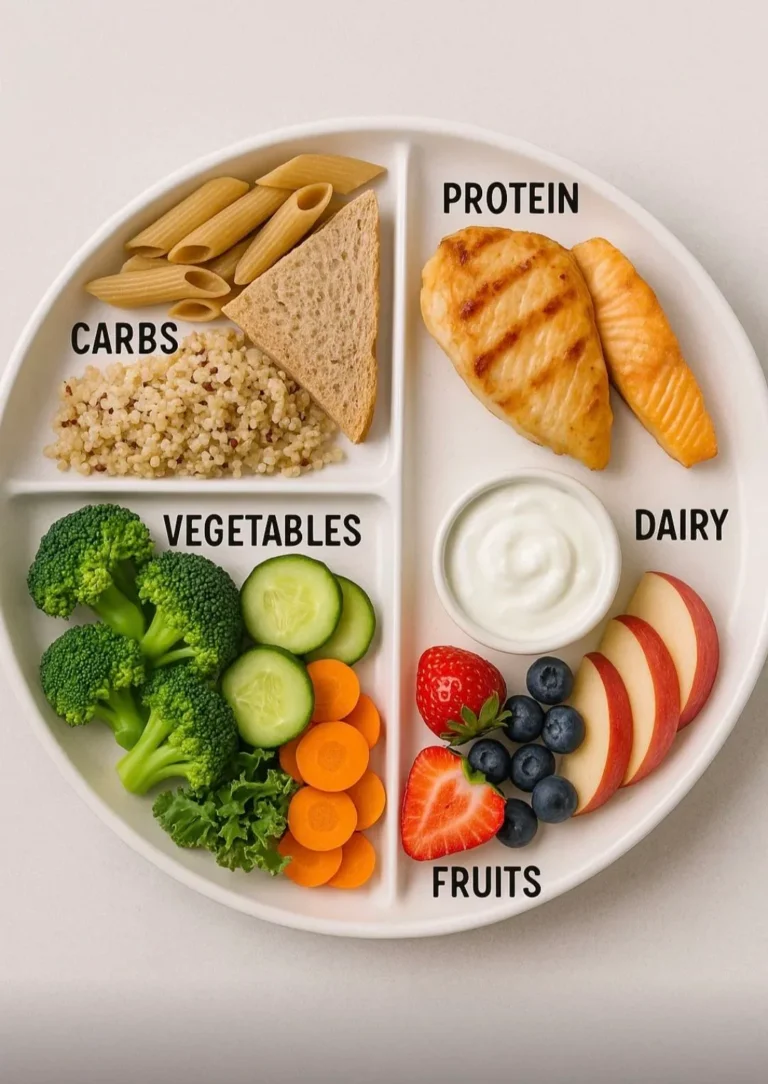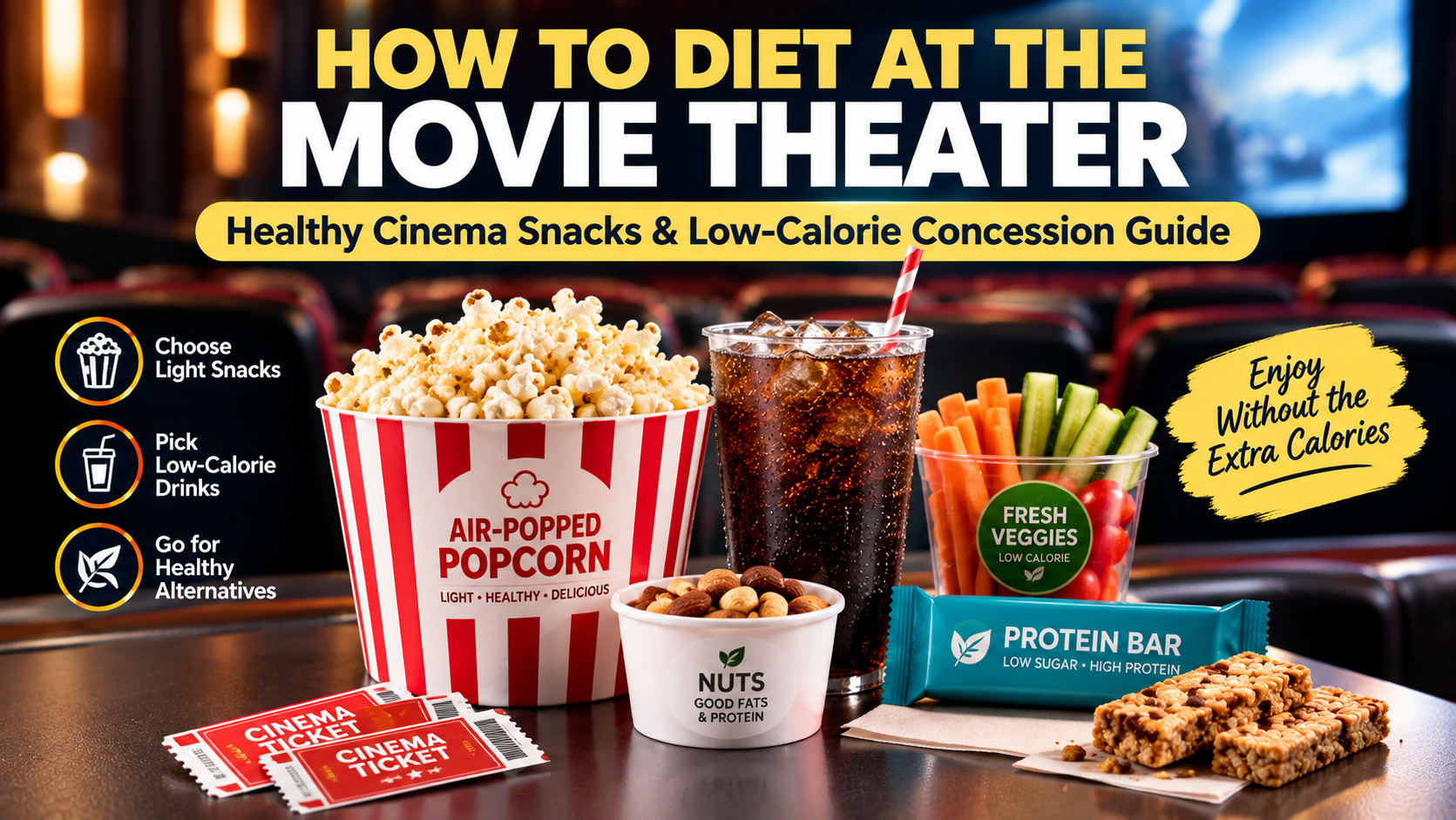
How Diet Theater: The Real Truth Behind Performance Eating
Have you ever been obsessed with the idea of eating clean, counted every single calorie, and followed the latest diet trends religiously, only to end up feeling more frustrated and confused than when you started? You are not alone. This common struggle is often called diet theater, where the performance of healthy eating takes center stage while real, sustainable nutrition takes a back seat.
If you have ever felt like you were doing everything right on paper but still not seeing the results you wanted, the problem might not be your effort. It might be the show. In this guide, I will walk you through exactly what diet theater is, why it is so common, the hidden costs of performing health instead of living it, and most importantly, how you can step off the stage and finally build a relationship with food that actually works for your life.
What Exactly Is Diet Theater
Diet theater is the act of performing healthy eating habits for an audience, whether that audience is social media, your friends, your family, or even yourself. It is about looking the part of someone who eats well rather than actually nourishing your body in a way that supports long term health, energy, and happiness.
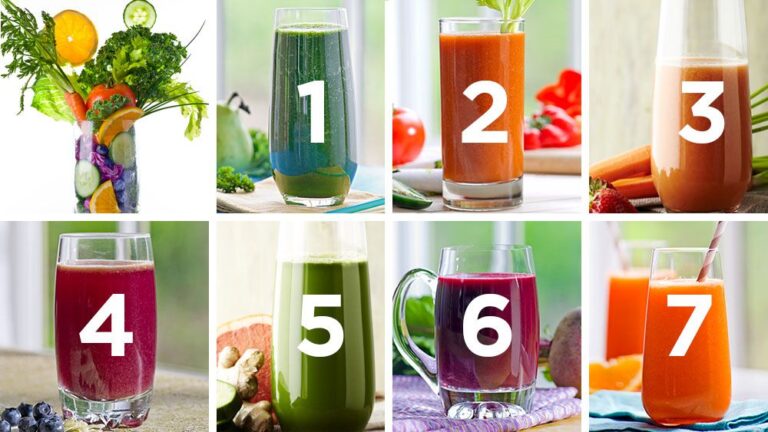
Think of it like this. You post a beautiful green smoothie on Instagram but then eat takeout in secret. You buy expensive superfoods but never actually use them. You follow a strict meal plan for two weeks and then binge because the rules felt impossible. That is diet theater. It is the gap between the performance of health and the reality of how you actually eat and feel.
At its core, diet theater is rooted in performative wellness. The focus shifts from how food makes your body feel to how your food choices make you look. And that shift is where the trouble begins.
The Psychology Behind Diet Theater
To really understand why diet theater is so common, you have to look at the psychology driving it. Several mental and emotional factors come into play, and recognizing them is the first step to breaking free.
The Need for External Validation
Humans are social creatures, and we crave approval. When you post a picture of a perfectly plated salad or share your latest juice cleanse, you are often seeking likes, comments, and that little hit of dopamine that comes from people telling you how disciplined and healthy you are. Over time, this external praise can become the main motivator, replacing the real reason you should be eating well, which is to feel good in your own body.
Diet Culture and Social Pressure
We live in a world that constantly tells us what the "right" way to eat looks like. Keto, paleo, carnivore, intermittent fasting, clean eating. Every week there is a new rule. Diet theater thrives in this environment because it gives people a script to follow. You do not have to think critically about what your body actually needs. You just have to follow the latest trend and perform it well.
Fear of Judgment
Many people engage in diet theater because they fear being judged for their real eating habits. They worry that if people saw what they actually ate, they would be labeled as lazy, undisciplined, or unhealthy. So they create a curated version of their diet that looks socially acceptable, even if it does not match reality.
Common Signs You Might Be Doing Diet Theater
Sometimes diet theater is so subtle that you do not even realize you are doing it. Here are some of the most common signs that you might be performing health rather than actually living it.
- You take photos of your healthy meals but rarely eat them mindfully or with enjoyment.
- You follow strict food rules during the day but binge on restricted foods at night.
- You avoid eating in public because you do not want people to see your "real" food choices.
- You judge others for their eating habits even though you struggle with your own.
- You constantly switch between different diets without giving any of them a real chance.
- You feel guilty after eating anything that does not fit your "clean eating" image.
- You prioritize how your food looks over how it makes you feel.
If any of these sound familiar, you are not a failure. You are just caught in the performance trap, and there is a better way forward.

The Real Cost of Diet Theater
Diet theater might seem harmless on the surface. After all, at least you are trying to eat healthy, right. But the truth is that performative nutrition comes with a real cost, and it affects far more than just your plate.
Physical Health Consequences
When you eat for the performance instead of for your body, you often miss key nutrients, over-restrict calories, or fall into cycles of restriction and bingeing. This can lead to fatigue, digestive issues, hormonal imbalances, and a weakened immune system. Ironically, the very thing you are trying to achieve, better health, becomes harder to reach.
Mental and Emotional Toll
Diet theater takes a serious toll on your mental health. The constant pressure to perform, the guilt when you slip up, and the obsession with how your eating looks can lead to anxiety, low self-esteem, and even disordered eating patterns. Food should be a source of nourishment and joy, not a source of stress and shame.
Strained Relationships
When food becomes a performance, it can quietly damage your relationships. You might skip social events to avoid eating in front of others, turn down dinner invitations, or feel resentful when loved ones do not support your "healthy lifestyle." Over time, food can become a source of isolation rather than connection.
Why Diet Theater Is So Common in the Age of Social Media
There is no denying that social media has supercharged the diet theater phenomenon. Platforms like Instagram, TikTok, and YouTube are built around visual content, and food is one of the most popular things to share. But what you see online is rarely the full picture.
The Highlight Reel Problem
When you scroll through your feed, you see beautifully styled meals, perfect meal preps, and influencers touting their latest diet wins. What you do not see is the burnout, the cheat meals in private, the constant fatigue, and the emotional struggle behind the scenes. Diet theater flourishes in this highlight reel world because it rewards appearance over reality.
Influencer Culture and Unrealistic Standards
Many social media influencers build their platforms around diet and fitness content. While some share genuinely helpful information, others prioritize engagement over accuracy. This creates a cycle where the most extreme or aesthetically pleasing content gets the most attention, pushing everyone, including you, to perform harder and more restrictively to keep up.
How to Step Out of Diet Theater and Start Eating for Real
The good news is that you can break free from diet theater. It takes intention, self-compassion, and a willingness to redefine what healthy eating actually means to you. Here is how to get started.
Redefine What Health Means to You
Health is not one size fits all. Instead of chasing the latest trend, take time to figure out what health actually feels like in your body. Do you have steady energy throughout the day. Are you sleeping well. Are you able to enjoy a variety of foods without guilt. That is real health, and it looks different for everyone.
Focus on How Food Makes You Feel
Shift your attention from how your food looks to how it makes you feel. Notice how different foods affect your energy, mood, digestion, and sleep. When you start eating with awareness and curiosity, you naturally make choices that support your well-being without needing a strict set of rules.
Ditch the Food Rules
Rules like "no carbs after 6 pm" or "never eat dessert on weekdays" might feel structured, but they often set you up for failure. Instead, focus on flexibility and balance. Allow yourself to enjoy all foods in moderation, and trust your body to guide you.
Eat Without an Audience
One of the most powerful things you can do is eat without performing for anyone. That means no staged photos, no calorie logging for show, and no guilt about what is on your plate. When you eat to nourish yourself, you build a healthier relationship with food that lasts a lifetime.
Practice Self-Compassion
Breaking free from diet theater is not about perfection. You will have days where you eat in a way that does not align with your goals, and that is okay. Treat yourself with the same kindness you would offer a friend. Progress is not linear, and every small step counts.
A Real Life Example From My Own Journey
I want to share something personal here because I think it is important to know you are not alone. A few years ago, I was deep in diet theater. I would spend hours meal prepping colorful, photogenic lunches, only to feel exhausted and unsatisfied by 3 pm. I would avoid eating out with friends because I did not want to break my "clean eating streak." I judged myself harshly for any food that did not fit the image of health I had created.
The turning point came when I caught myself eating a sandwich in my car so no one would see me. That was my wake-up call. I realized I was spending so much energy performing health that I had forgotten how to actually live it. So I started small. I allowed myself to eat whatever I wanted at restaurants without photographing it. I stopped tracking macros and started paying attention to my hunger cues. I gave myself permission to enjoy food without conditions.
It was not an overnight transformation, but it changed everything. My energy improved, my mood stabilized, and I finally felt at peace with food. That is what real, sustainable nutrition feels like, and it does not need an audience.
Common Myths That Fuel Diet Theater
Let us bust a few myths that keep people stuck in the performance trap.
- Eating healthy has to be complicated. It does not. Simple, whole foods can be just as nourishing.
- You need to follow a specific diet to be healthy. You do not. Your body is unique, and it thrives on variety and balance.
- If it is not photogenic, it is not worth eating. Your food does not need to be beautiful to be good for you.
- Guilt is a sign of discipline. It is not. Guilt is a sign that your eating habits are misaligned with your well-being.
- Cheat meals are a reward for eating well. Food is not a reward or a punishment. It is simply fuel and pleasure.
How to Build a Sustainable Approach to Nutrition
If you are ready to step off the diet theater stage and build a truly sustainable approach to nutrition, here are some practical tips to get you started.
- Start with one small change at a time. Do not try to overhaul your entire diet overnight.
- Cook at home more often so you can control ingredients and portions without stress.
- Include a variety of foods from all food groups to ensure you get a wide range of nutrients.
- Stay hydrated, but do not obsess over water intake.
- Listen to your body. Eat when you are hungry and stop when you are satisfied.
- Make meals a time for connection, not a performance.
- Seek guidance from a registered dietitian if you need personalized support.

The Role of Intuitive Eating in Breaking Free
Intuitive eating is a powerful framework that can help you break free from diet theater for good. It is built on ten principles designed to help you reconnect with your body's natural hunger and fullness signals, reject the diet mentality, and build a positive relationship with food.
When you practice intuitive eating, you stop labeling foods as good or bad. You eat when you are hungry and stop when you are full. You give yourself unconditional permission to eat, and you discover that food can be both nourishing and enjoyable. This approach removes the performance aspect of eating and replaces it with trust, self-awareness, and freedom.
Frequently Asked Questions
What does diet theater mean in simple terms
Diet theater is when someone performs healthy eating habits for others instead of actually following a sustainable nutrition plan. It focuses on appearance over real health benefits.
Is diet theater the same as a real diet
No. A real diet focuses on nourishing your body with balanced nutrition over time. Diet theater focuses on the image of healthy eating, often with short term or inconsistent habits.
Why is diet theater harmful
It can lead to nutrient deficiencies, emotional stress, guilt, and an unhealthy relationship with food. It also creates unrealistic standards that can negatively affect mental health.
How can I tell if I am doing diet theater
If you find yourself eating differently when others are watching, feeling guilty about your food choices, or prioritizing how meals look over how they make you feel, you may be engaging in diet theater.
Can I recover from diet theater
Absolutely. With self-awareness, compassion, and a shift toward intuitive eating, you can build a healthier and more honest relationship with food.
A Final Word
Diet theater might feel like the safest way to navigate a world obsessed with health and wellness, but it is actually keeping you stuck. Real health is quiet, flexible, and deeply personal. It does not need a camera, a label, or an audience. It just needs your attention, your honesty, and your willingness to let go of the performance.
You deserve a relationship with food that feels freeing, not exhausting. So the next time you sit down to eat, forget the audience. Forget the rules. Forget the performance. Just eat, enjoy, and trust that your body knows what it needs. That is where true wellness begins.
If this guide resonated with you, I would love to hear your story. Share your thoughts in the comments, and let us keep this conversation going. Together, we can rewrite what healthy eating really looks like.