How to Get Mounjaro Without Diabetes: Your Clear Path to Weight Loss
You can get Mounjaro, or more specifically, its active ingredient tirzepatide, for weight loss without a diabetes diagnosis through an FDA-approved medication called Zepbound. Zepbound is specifically approved for chronic weight management in adults who have obesity or are overweight with at least one weight-related health condition. Your doctor must determine if you meet these medical criteria and write a prescription.
The journey to lasting weight loss can feel overwhelming, like climbing a mountain without a clear path. Many have tried countless diets and exercise plans, only to feel stuck. But what if there was a powerful tool to help you reach the summit? Medications like tirzepatide offer a new hope, changing how our bodies manage hunger and weight. This guide cuts through the confusion, giving you a straightforward map to explore this option and take control of your health. It is time to understand the science, navigate the process, and embrace a healthier future.
Key Takeaways
- Zepbound is FDA-approved for weight loss.
- Mounjaro is FDA-approved for diabetes.
- Tirzepatide is the active ingredient.
- Meet specific BMI and health criteria.
- A doctor’s prescription is always required.
- Insurance coverage can be challenging.
- LillyDirect offers savings for self-pay.
- Combine with diet and exercise.
- Understand and manage side effects.
- Telehealth can simplify access.
Understanding Mounjaro, Zepbound, and Tirzepatide
Before diving into how to get the medication, it is important to understand what it is and its different brand names. This helps you speak clearly with your doctor and understand your options.
What is Tirzepatide?
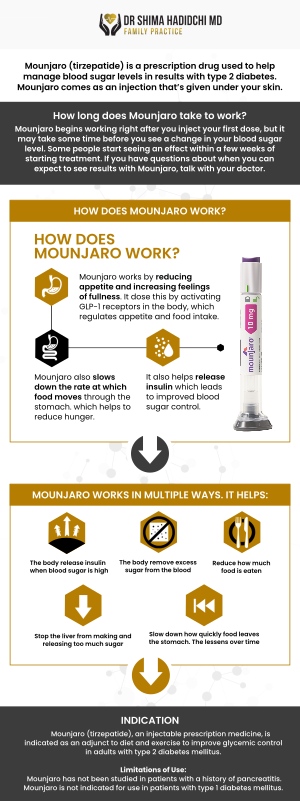
Tirzepatide is the active ingredient in both Mounjaro and Zepbound. It is a unique medication because it acts like two natural gut hormones in your body: GLP-1 (glucagon-like peptide-1) and GIP (glucose-dependent insulinotropic polypeptide).
These hormones help control your blood sugar, slow down how fast food leaves your stomach, and make you feel fuller for longer. By doing these things, tirzepatide helps reduce your appetite and how much food you eat, leading to significant weight loss.
Mounjaro vs. Zepbound: The Key Difference
Even though both Mounjaro and Zepbound contain the same active ingredient, tirzepatide, they have different approvals from the FDA.
Mounjaro is FDA-approved specifically for adults with type 2 diabetes to help improve blood sugar control, along with diet and exercise. Many people using Mounjaro for diabetes also experience significant weight loss as a beneficial side effect.
Zepbound is FDA-approved for chronic weight management in adults. This means it is for people with obesity or those who are overweight with at least one weight-related health problem, regardless of whether they have diabetes. It is meant to be used with a reduced-calorie diet and increased physical activity.
This distinction is crucial for getting a prescription and navigating insurance coverage. When you are looking for weight loss help without diabetes, Zepbound is usually the more direct and appropriate path.
Here is a simple table to show the main differences:
| Feature | Mounjaro | Zepbound |
|---|---|---|
| Active Ingredient | Tirzepatide | Tirzepatide |
| FDA Approval | Type 2 Diabetes Mellitus | Chronic Weight Management (Obesity/Overweight with comorbidity) |
| Primary Use | Blood sugar control in diabetes | Weight loss for eligible adults |
| Manufacturer | Eli Lilly and Company | Eli Lilly and Company |
Do You Qualify for Tirzepatide for Weight Loss?
Getting a prescription for Zepbound (tirzepatide for weight loss) depends on meeting specific medical criteria set by the FDA. Your doctor will carefully review your health to make sure this medication is right for you.
FDA-Approved Criteria for Zepbound
To qualify for Zepbound, you must be an adult (18 years or older) and meet one of the following conditions:
- You have a Body Mass Index (BMI) of 30 kg/m² or greater, which is considered obesity.
- You have a BMI of 27 kg/m² or greater (considered overweight) AND at least one weight-related medical condition.
Common weight-related conditions include:
- High blood pressure (hypertension)
- High cholesterol (dyslipidemia)
- Obstructive sleep apnea
- Cardiovascular disease
- Prediabetes
These criteria ensure that Zepbound is prescribed to individuals who can benefit most from its weight loss effects and address significant health risks associated with their weight.
The Role of Your Healthcare Provider
A licensed healthcare provider, such as a doctor, nurse practitioner, or physician assistant, is essential for obtaining tirzepatide. They will perform a thorough medical evaluation, review your medical history, and discuss your weight loss goals. This assessment helps them decide if Zepbound is safe and appropriate for you.
They also need to rule out any conditions that would make Zepbound unsafe. For example, people with a personal or family history of a specific type of thyroid cancer called medullary thyroid carcinoma or Multiple Endocrine Neoplasia syndrome type 2 should not use tirzepatide.
Your provider will also discuss the benefits and risks, and make sure you understand how to use the medication correctly. This includes how to inject it and how to manage potential side effects. Ongoing check-ups are key to monitor your progress and adjust your treatment plan if needed.
Your Path to Getting Tirzepatide
Once you understand the eligibility, the next step is actively pursuing a prescription. This involves finding a healthcare provider, getting evaluated, and figuring out how to pay for the medication.
Step 1: Find a Doctor or Telehealth Platform
You have a few options for finding a healthcare provider who can prescribe tirzepatide for weight loss:
- Your Primary Care Physician (PCP): Your family doctor knows your medical history best. Start here by scheduling an appointment to discuss your weight loss goals and whether Zepbound or off-label Mounjaro is a suitable option for you.
- Weight Loss Specialists: Some doctors focus specifically on weight management. They have deep expertise in obesity medicine and can provide specialized guidance.
- Telehealth Services: Online platforms like Ro, WeightWatchers Clinic, Hers, and others offer convenient virtual consultations. You can connect with a licensed healthcare provider from home. These services can assess your eligibility, provide a prescription if appropriate, and often help with insurance checks or direct medication delivery.
When choosing a telehealth service, make sure it is legitimate. It should employ licensed healthcare professionals and partner with licensed pharmacies. Avoid any service that offers to sell you GLP-1 medications without a prescription.
Step 2: Medical Evaluation and Prescription
During your consultation, your healthcare provider will:
- Discuss your medical history, including any current health conditions and medications you take.
- Measure your weight and height to calculate your BMI.
- Talk about your past weight loss attempts and challenges.
- Order blood tests to check your overall health and rule out other conditions.
If you meet the FDA criteria for Zepbound and your doctor believes it is safe and effective for you, they will write a prescription. They will also guide you on how to administer the once-weekly injection and explain the potential side effects.
Step 3: Navigating Insurance and Cost
This is often the trickiest part. Insurance coverage for weight loss medications like Zepbound varies widely by plan. Many health plans have specific rules or may not cover weight loss drugs at all.
- Commercial Insurance: Many commercial plans (employer-sponsored or purchased individually) may cover Zepbound. However, they almost always require a prior authorization. This means your doctor must submit paperwork to your insurance company explaining why the medication is medically necessary for you. You may also need to try other weight loss methods or cheaper medications first, a process called step therapy.
- Medicare Part D: Generally, Medicare Part D plans do not cover medications used solely for weight loss. There are limited exceptions if the drug is used for another FDA-approved indication.
- Medicaid: Coverage for Zepbound through Medicaid plans varies by state.
It is important to check your specific insurance plan’s formulary (list of covered drugs) to understand your benefits. Your doctor’s office or the pharmacy can often help you with this process. If your claim is denied, you can appeal the decision with support from your doctor.
Zepbound Cost Options (Without Insurance)
If your insurance does not cover Zepbound, or if you prefer to pay out-of-pocket, the costs can be high. However, there are ways to make it more affordable:
| Option | Estimated Monthly Cost (Pre-filled Pens) | Estimated Monthly Cost (Vials/KwikPens via LillyDirect) |
|---|---|---|
| List Price (without insurance) | $1,060 – $1,507 | Not applicable (LillyDirect offers vials/KwikPens) |
| LillyDirect Self-Pay Program | Not applicable | $299 (2.5mg dose) to $449 (higher doses) |
| Manufacturer Savings Card (with commercial insurance, if eligible) | As low as $25 per month | As low as $25 per month |
| Pharmacy Discount Cards (e.g., GoodRx, SingleCare) | Can offer some savings, check local pharmacies | Not specified, but worth checking |
The Eli Lilly and Company manufacturer savings card can significantly lower the cost for eligible commercial insurance patients, sometimes to as little as $25 for a one- or three-month supply. Eli Lilly’s direct-to-consumer platform, LillyDirect, offers single-dose vials and KwikPens at reduced cash prices for self-pay patients, making Zepbound more accessible.
Understanding Off-Label Mounjaro for Weight Loss
Before Zepbound was available, some doctors prescribed Mounjaro off-label for weight loss in people without diabetes. Off-label prescribing is when a doctor prescribes an FDA-approved medication for a condition or use not specifically listed on its label. This is legal and common in medicine. However, it requires a doctor’s careful judgment and ongoing monitoring.
With Zepbound now specifically approved for weight management, using Mounjaro off-label for weight loss is less common and often harder to get covered by insurance. Insurance companies are much more likely to cover Zepbound when it is prescribed for weight loss because it is directly approved for that purpose.
If you are considering tirzepatide for weight loss, Zepbound is the primary and most straightforward option. Your doctor will help you choose the best medication for your needs.
Maximizing Your Success with Tirzepatide
Tirzepatide is a powerful tool, but it works best when combined with healthy lifestyle choices. It is not a magic bullet. Real success comes from a comprehensive approach that supports both the medication’s effects and your overall health.
Essential Lifestyle Changes
Adopting certain habits will enhance your results and help you maintain weight loss long-term:
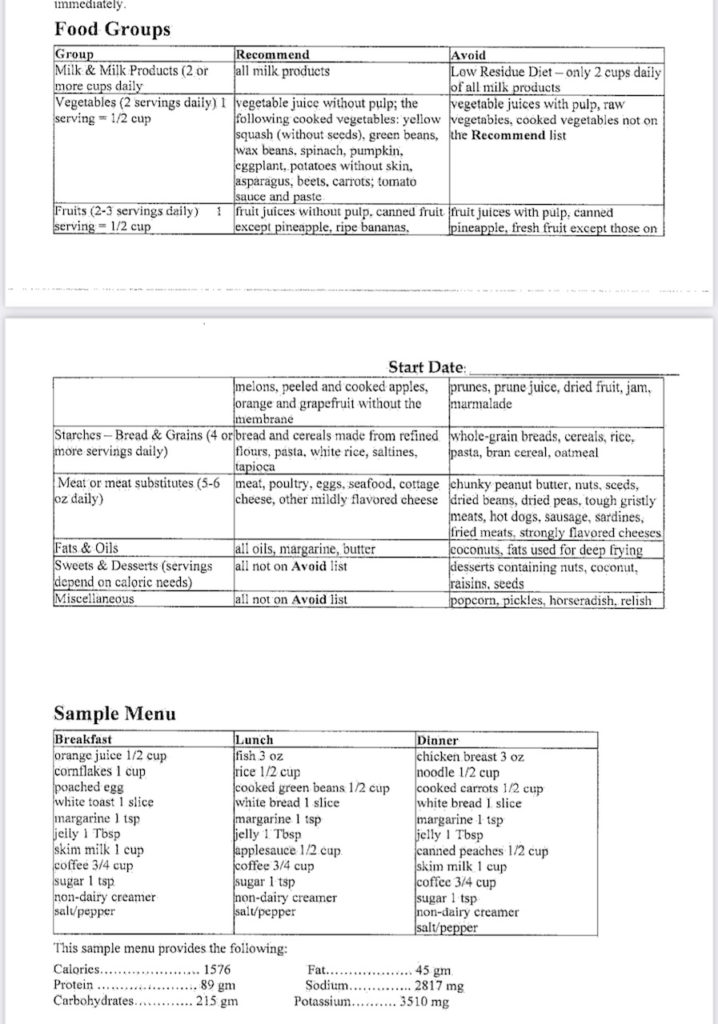
- Balanced Diet: Focus on whole, unprocessed foods. Prioritize lean proteins (fish, poultry, beans), high-fiber fruits, vegetables, and whole grains. These foods provide essential nutrients and help you feel full.
- Smaller, Frequent Meals: Tirzepatide slows digestion. Eating smaller meals more often can prevent discomfort like nausea and bloating.
- Hydration: Drink plenty of water throughout the day. This helps with digestion, prevents constipation (a common side effect), and keeps you feeling full. Aim for at least 8 cups daily.
- Regular Exercise: Incorporate both cardiovascular activities (like walking, jogging) and strength training into your routine. Exercise helps burn calories, builds muscle (which boosts metabolism), and improves overall health. Aim for at least 150 minutes of moderate-intensity activity each week.
- Mindful Eating: Pay attention to your hunger and fullness cues. Eat slowly and without distractions. Stop eating when you are comfortably satisfied, even if there is food left on your plate.
- Adequate Sleep: Good sleep is crucial for hormone balance and metabolic health. Aim for 7-9 hours of quality sleep each night.
These changes are not just about losing weight; they are about building a sustainable, healthier lifestyle. Dr. Sarah Pivo, a bariatric surgeon, states, “GLP-1s are a powerful tool in our arsenal. But like any tool, they’re most effective when combined with healthy habits.”
Managing Side Effects
Most people experience some side effects, especially when starting tirzepatide or increasing the dose. These are usually mild to moderate and often improve over time as your body adjusts.
Common side effects include:
- Nausea
- Vomiting
- Diarrhea
- Constipation
- Stomach pain
- Decreased appetite
Tips for managing these common side effects:
- For Nausea/Vomiting: Eat smaller, bland meals. Avoid greasy, fried, or very spicy foods. Drink clear liquids slowly.
- For Diarrhea/Constipation: Increase fiber intake gradually through fruits, vegetables, and whole grains. Stay well-hydrated. Your doctor might recommend over-the-counter remedies.
- For Decreased Appetite: Make sure you are still eating nutrient-dense foods to get enough vitamins and minerals. Focus on lean protein to help preserve muscle mass.
Always talk to your healthcare team if you have side effects that bother you or do not go away. They can offer specific advice or adjust your dosage. Do not stop taking the medication without speaking to your doctor first.
Serious side effects are rare but can include pancreatitis (severe stomach pain), gallbladder problems, severe low blood sugar (especially if taking other diabetes medications), and allergic reactions. Seek immediate medical care if you experience severe symptoms.
Important Considerations Before Starting
Before you begin any medication, it is important to understand the full picture, including potential risks and what to expect in the long run. This knowledge helps you make informed decisions about your health journey.
Potential Risks and Who Should Avoid It
While tirzepatide is effective, it is not for everyone. Certain conditions make its use unsafe:
- Thyroid Cancer Risk: In animal studies, tirzepatide and similar medications caused thyroid C-cell tumors, including medullary thyroid carcinoma (MTC). It is unknown if this occurs in humans. Therefore, individuals with a personal or family history of MTC, or those with Multiple Endocrine Neoplasia syndrome type 2 (MEN 2), should not use tirzepatide.
- Pancreatitis: Individuals with a history of pancreatitis should discuss this with their doctor, as tirzepatide can, in rare cases, cause inflammation of the pancreas.
- Gallbladder Problems: Rapid weight loss can sometimes lead to gallstones or gallbladder issues.
- Severe Gastrointestinal Disease: Patients with severe stomach or intestinal problems, including gastroparesis, may not be suitable candidates.
- Pregnancy and Breastfeeding: Zepbound is not recommended during pregnancy or while breastfeeding.
- Other GLP-1 Medications: You should not use Zepbound with other tirzepatide-containing products or any other GLP-1 receptor agonist medicines (like semaglutide in Wegovy or Ozempic).
Always provide your healthcare provider with a complete medical history. This helps them determine if tirzepatide is safe for you.
Long-Term Commitment and Expectations
Zepbound is approved for chronic weight management, meaning it is designed for long-term use. Weight loss is generally maintained as long as you continue taking the medication. If you stop, weight regain is possible.
Clinical trials show impressive weight loss results. In studies of adults without diabetes, those taking the highest dose of tirzepatide lost an average of 34 lbs to 48 lbs (15% to 21% of their starting body weight) over 72 weeks.
Dr. John Sharretts, director of the FDA’s Division of Diabetes, Lipid Disorders, and Obesity, highlighted the seriousness of obesity, stating, “Obesity and overweight are serious conditions that can be associated with some of the leading causes of death such as heart disease, stroke and diabetes.” This emphasizes the importance of effective, long-term treatments.
Currently, more than 2 in 5 U.S. adults have obesity, with the prevalence at 40.3% during August 2021–August 2023. This shows the widespread need for effective weight management solutions like tirzepatide.
It is important to have realistic expectations. The medication works gradually, and individual results can vary. Consistency with both the medication and lifestyle changes is key for the best outcomes.