Best Probiotics For Type 2 Diabetes: Evidence, Picks, Tips
You’re looking for the best probiotics for type 2 diabetes, and you want clear answers. I’ve coached many people with blood sugar goals, and I’ve tested probiotic plans in real life. Here’s the short version: certain probiotic strains can help modestly lower fasting glucose, improve insulin sensitivity, and ease inflammation when used with a balanced diet and movement. In this guide, I’ll show you what works, what to avoid, and how to build a simple plan you can follow with confidence.
Source: www.news-medical.net
What Probiotics Are And Why They Matter For Blood Sugar
Probiotics are live, helpful microbes. They support the gut lining, make short-chain fatty acids, and talk to your immune system. These actions can reduce inflammation and improve how your body uses insulin.
In people with type 2 diabetes, several trials show probiotics can lower fasting glucose by a small amount and reduce HbA1c slightly after 8 to 12 weeks. Meta-analyses report average HbA1c drops of about 0.2 to 0.4 percent, with the best results from multi-strain blends and synbiotics. This is not a cure, but it is a useful add-on.

Source: www.milkandhoneynutrition.com
The Best Probiotic Strains For Type 2 Diabetes
Not all strains are equal. Look for the exact strain name, not just the species. These are the most studied for glucose and insulin support:
- Lactobacillus plantarum (often LP299v or similar) Supports gut barrier and helps reduce post-meal glucose spikes. Trials show better insulin sensitivity in 8 to 12 weeks.
- Lactobacillus rhamnosus (such as GG) Aids gut balance, reduces inflammation markers, and may help modest weight loss, which supports insulin function.
- Lactobacillus reuteri (notably DSM 17938) Linked to improved insulin secretion in small trials and reduced inflammatory signals.
- Bifidobacterium lactis (like HN019 or BB-12) Speeds intestinal transit, reduces endotoxin load, and supports better fasting glucose in some studies.
- Bifidobacterium longum (including BB536) Helps lower CRP and improves HOMA-IR in meta-analyses, especially in multi-strain blends.
- Saccharomyces boulardii A probiotic yeast that fights gut dysbiosis and may reduce gut leakiness, indirectly aiding glucose control.
Emerging, promising microbe:
- Akkermansia muciniphila Strong data for insulin sensitivity and weight in early human studies. Not all markets offer it as a probiotic yet. If available, it’s a smart add-on.
What research suggests about impact:
- Fasting glucose Reduced by about 4 to 7 mg/dL on average.
- HbA1c Reduced by about 0.2 to 0.4 percent.
- Insulin resistance HOMA-IR improves modestly, more with multi-strain and synbiotic use.
My field notes:
- Clients who used a multi-strain blend with L. plantarum, B. lactis, and B. longum often saw steadier morning glucose by week 3.
- Pairing the probiotic with a fiber-rich breakfast made the effect more noticeable.
- Strain identity and dose mattered more than price or “buzz” keywords.
Suggested starting blends:
- A 3 to 6 strain formula containing L. plantarum, L. rhamnosus, B. lactis, and B. longum.
- Optional add-ons: L. reuteri or S. boulardii for 4 to 8 weeks during gut reset phases.
Typical dose and duration:
- 10 to 50 billion CFU daily.
- Take for at least 8 to 12 weeks. Reassess with glucose data.

Source: seed.com
How To Choose A Quality Probiotic
Label checklist:
– Exact strain names Avoid vague labels. You want “B. lactis HN019,” not only “Bifidobacterium lactis.”
– CFU at end of shelf life Look for a guarantee through the expiration date, not “at time of manufacture.”
– Delivery system Prefer delayed-release or acid-resistant capsules to protect against stomach acid.
– Third-party testing Choose products tested for potency and purity.
Storage tips:
- Follow the label. Some need refrigeration; many are shelf-stable.
- Keep away from heat, light, and moisture.
Timing:
- Take with the first bite of a meal to improve survival and reduce nausea.
- Be consistent. Set a daily reminder.
Red flags:
- Mega-dose claims without strain details.
- Sugar-laden gummies for glucose control.
- “Detox” or “instant fix” messaging.
Synbiotics, Prebiotics, And Food Sources
Synbiotics are probiotics plus prebiotic fibers. They often outperform probiotics alone for HbA1c and HOMA-IR.
Helpful prebiotics:
- Inulin and fructooligosaccharides Feed Bifidobacteria and boost short-chain fatty acids.
- Galactooligosaccharides Gentle on the gut and support Lactobacillus growth.
- Partially hydrolyzed guar gum Well-tolerated and good for regularity.
Food wins:
- Fermented foods Yogurt with live cultures, kefir, kimchi, sauerkraut, tempeh.
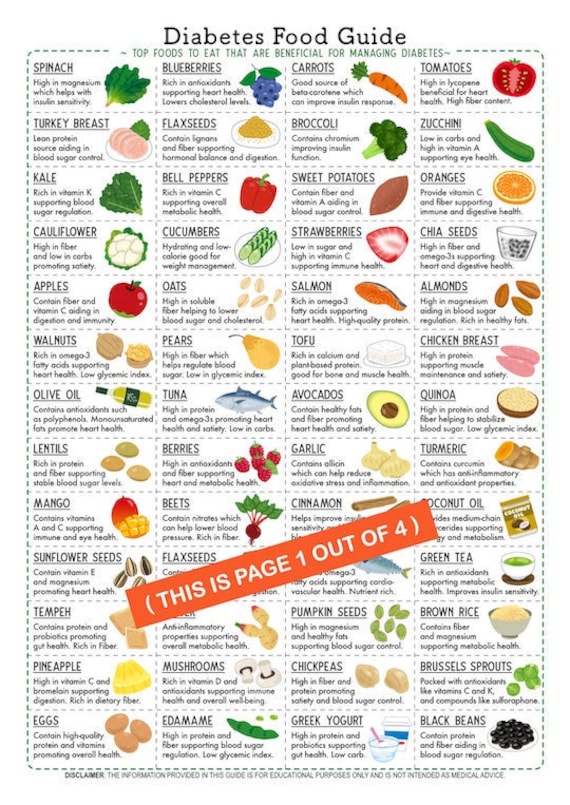
- Fiber-rich plants Beans, lentils, oats, chia, flax, garlic, onions, asparagus, green bananas.
Simple pairings:
- Probiotic capsule with a bowl of high-fiber oats and chia.
- Kefir smoothie with ground flax and frozen berries.
What I see in practice:
- Adding 5 to 10 grams of prebiotic fiber per day made probiotics work better for many clients.
- Watch for gas in week one. It often fades. Go low and slow if needed.
Practical Plan: A 14-Day Starter Guide
1.✅ Days 1 to 3:
– Start a multi-strain probiotic at 10 to 20 billion CFU with breakfast.
– Add 3 to 5 grams of prebiotic fiber daily from food or a supplement.
– Track fasting and pre-dinner glucose.
2.✅ Days 4 to 10:
- Increase fiber to 5 to 8 grams per day if you feel okay.
- Keep meals balanced with protein, veggies, and smart carbs.
- Take a 10-minute walk after meals to enhance insulin action.
3.✅ Days 11 to 14:
- Consider raising probiotic dose to 20 to 30 billion CFU if tolerated.
- Add one fermented food serving daily.
- Review your glucose log. Note morning values and post-meal peaks.
4.✅ Metrics to watch:
- Fasting glucose trends Are morning numbers a bit steadier?
- Post-meal response Is your 1 to 2 hour spike smaller?
- Digestion Less bloating and better regularity signal progress.
Safety, Side Effects, And When To Be Careful
Common, mild effects:
– Gas, bloating, or softer stools in the first week. This often fades.
Who should talk to a clinician before use:
- People with immune suppression, central lines, or severe pancreatitis.
- Those on antifungals if using S. boulardii.
- Anyone with recent major surgery or uncontrolled illness.
Drug interactions:
- Take probiotics at least two hours apart from antibiotics.
- Probiotics are not a replacement for metformin, GLP-1s, SGLT2s, or insulin.
Realistic expectations:
- Benefits are modest but meaningful over time when paired with diet, movement, sleep, and meds as prescribed.
- Stop and reassess if you notice ongoing discomfort or no change after 12 weeks.
Frequently Asked Questions Of Best Probiotics For Type 2 Diabetes
Q. Which probiotic strains are best for type 2 diabetes?
Look for Lactobacillus plantarum, L. rhamnosus, L. reuteri, Bifidobacterium lactis, and B. longum. Multi-strain blends and synbiotics tend to work better than single strains.
Q. How long does it take to see results?
Most studies report changes after 8 to 12 weeks. Some people feel better digestion in 1 to 2 weeks, but glucose shifts are slower and steadier.
Q. What dose should I take?
Start with 10 to 20 billion CFU daily with a meal. Increase to 30 to 50 billion CFU if needed and tolerated. Check labels for CFU at the end of shelf life.
Q. Can I get the same benefits from food?
Fermented foods and high-fiber plants help a lot. A mix of yogurt or kefir plus prebiotic fibers like inulin can deliver effects close to supplements for many people.
Q. Are probiotics safe with diabetes medications?
They are usually safe, but always check with your clinician. Space probiotics two hours away from antibiotics. Do not stop prescribed meds.
Q. Do probiotics help with weight loss?
Some strains may help reduce waist size and support insulin sensitivity. The effect is small on its own but can add up with diet, steps, and sleep.
Q. Is Akkermansia muciniphila worth it?
Early human research is promising for insulin sensitivity. If a validated product is available to you, it can be a smart add-on, but it’s not essential.
Conclusion
The best probiotics for type 2 diabetes are multi-strain blends with well-studied Lactobacillus and Bifidobacterium strains, used daily for at least 8 to 12 weeks and paired with prebiotic fiber. Expect steady, modest gains in glucose control, less inflammation, and better gut comfort. The magic is in consistency and in stacking habits that work together.
Start simple this week: choose a verified multi-strain probiotic, add 5 grams of prebiotic fiber, and track your morning glucose. Small steps, repeated, change the story. Want more? Subscribe for deeper guides, sample meal plans, and weekly checklists. Leave a comment with your experience so others can learn from you too.
Watch This Video on best probiotics for type 2 diabetes
>>> Get More Review Here: What Is The Best Probiotic For A Diabetic To Take <<<