How To Add Fiber To Dogs Diet: Best 2026 Guide
Adding fiber to your dog's diet supports digestion, helps with weight management, and keeps bowel movements regular. As a pet nutrition writer who's spent years working with veterinarians and dog owners, I've seen how the right fiber sources can transform a dog's gut health in just a few weeks.
If your dog struggles with constipation, loose stools, or you simply want to improve their overall digestive wellness, you're in the right place. Adding fiber to a dog's diet isn't complicated, but it does require knowing which sources are safe, how much to give, and how to introduce changes without upsetting your pup's stomach. Let me walk you through everything I've learned from research, vet consultations, and hands-on experience with dogs of all breeds and sizes.
Why Fiber Matters for Your Dog's Health
Fiber plays a bigger role in canine health than most pet parents realize. It's not just about keeping things "moving" in the digestive tract, though that's a big part of it. Fiber actually feeds the beneficial bacteria living in your dog's gut, creating a healthier microbiome from the inside out.
When dogs eat adequate fiber, they tend to have firmer stools, fewer anal gland issues, and better nutrient absorption. Fiber also helps dogs feel fuller longer, which is incredibly useful if you're managing a pup who's packing on extra pounds. On the flip side, too little fiber can lead to constipation, straining, and even colitis flare-ups in sensitive dogs.
There are two main types of fiber you'll encounter: soluble and insoluble. Soluble fiber dissolves in water and forms a gel-like substance that slows digestion and helps with diarrhea. Insoluble fiber adds bulk to stool and speeds up passage through the gut, helping with constipation. Most dogs benefit from a mix of both, which is why whole food sources tend to work better than isolated fiber supplements.
Safe and Healthy Fiber Sources for Dogs
Over the years, I've tested dozens of fiber options with my own dogs and through feedback from readers and veterinary clients. Some worked beautifully, others caused gas or refused to be eaten at all. Here's what consistently delivers results.
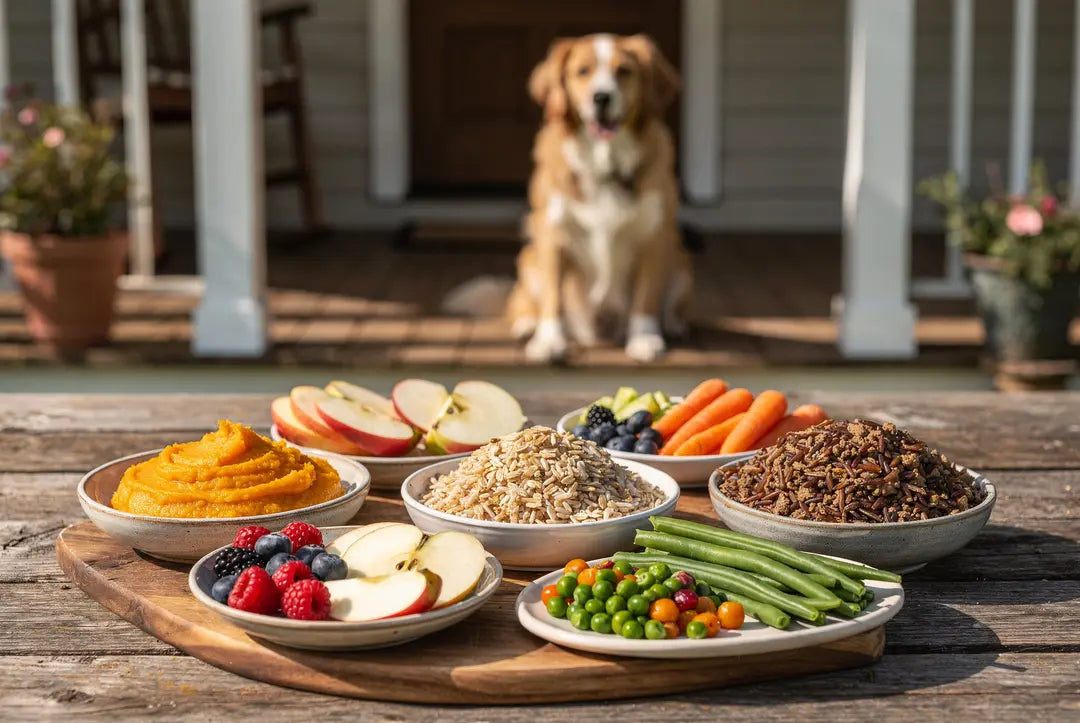
Pumpkin
Plain, canned pumpkin (not pie filling) is the gold standard for dog fiber. One tablespoon contains about 1 gram of fiber and most dogs love the taste. It's gentle on the stomach and works for both diarrhea and constipation.
Sweet Potato
Cooked, plain sweet potato offers around 2 grams of fiber per tablespoon. It's packed with vitamins and dogs usually enjoy it as a treat or mixed into meals. Just make sure it's cooked soft and served without butter, salt, or seasoning.
Green Beans
Fresh or frozen green beans are low calorie and high in fiber, making them perfect for overweight dogs. One cup of cooked green beans contains about 4 grams of fiber. They're crunchy, satisfying, and easy to add to any meal.
Carrots
Raw or steamed carrots provide fiber along with beta carotene. Shredded carrots mix easily into kibble, while whole carrots work as a chew-friendly snack that naturally scrubs teeth.
Apples
Apples (cored and seeded) offer soluble fiber called pectin. Slice them up as treats or freeze chunks for a cool summer snack. Skip the skin if your dog has a sensitive stomach.
Flaxseed
Ground flaxseed delivers both soluble and insoluble fiber plus omega 3 fatty acids. Just a teaspoon mixed into food is plenty for most dogs. Always use ground flaxseed, never whole, because whole seeds pass through undigested.
Psyllium Husk
This is the same fiber found in over the counter digestive supplements. It's tasteless and mixes well into wet food. For dogs with chronic digestive issues, psyllium can be a game changer when used consistently.

How Much Fiber Your Dog Actually Needs
The amount of fiber your dog needs depends on size, age, and health status. As a general rule, dogs need fiber to make up about 2 to 5 percent of their daily caloric intake. That might sound small, but it's enough to make a noticeable difference in stool quality.
Here's a rough daily guideline based on my experience and what most veterinarians recommend:
| Dog Size | Daily Fiber Goal | Example Serving |
|---|---|---|
| Small (under 20 lbs) | 1 to 3 grams | 1 tablespoon pumpkin |
| Medium (20 to 50 lbs) | 3 to 5 grams | 2 tablespoons pumpkin plus a few green beans |
| Large (over 50 lbs) | 5 to 10 grams | Quarter cup pumpkin plus a tablespoon of flaxseed |
If you're adding fiber for a specific health issue like constipation or weight management, your vet might recommend slightly higher amounts. The key is starting low and working up gradually.

Step by Step Guide to Adding Fiber to Your Dog's Diet
Changing your dog's diet too quickly is one of the most common mistakes I see. Even healthy additions like pumpkin can cause temporary gas or loose stools if introduced all at once. Here's the approach I use and recommend.
Start with a small amount. For the first three days, give your dog just a teaspoon of your chosen fiber source. Watch for any signs of digestive upset like gas, bloating, or changes in stool.
Increase gradually. If everything looks good, double the amount every few days until you reach the target serving size for your dog's weight. This slow ramp up gives the gut bacteria time to adjust.
Mix it into regular meals. Rather than offering fiber as a separate item, stir it into your dog's usual food. This ensures they actually eat it and that it combines properly with other nutrients for digestion.
Stay consistent. Fiber works best when given daily. Skipping days can throw off stool consistency and undo the microbiome benefits you've built up.
Monitor stool quality. The ultimate test is what comes out the other end. You want well formed, easy to pass stools that aren't too hard or too soft. Adjust the fiber type or amount based on what you observe.

Common Mistakes to Avoid When Adding Fiber
I've made some of these mistakes myself, and I've heard from hundreds of dog owners who've done the same. Avoiding these pitfalls saves you time, money, and a lot of cleanup.
Adding too much too fast. This is the big one. More fiber isn't always better. Overloading can cause bloating, gas, and even blockages in rare cases. Patience pays off here.
Using seasoned or sweetened versions. Canned pumpkin pie mix contains sugar and spices that can upset your dog's stomach. Always choose plain, 100 percent pumpkin. Same goes for sweetened applesauce or butter laden sweet potatoes.
Ignoring hydration. Fiber pulls water into the digestive tract. If your dog isn't drinking enough, fiber can actually make constipation worse. Always make sure fresh water is available, especially when increasing fiber intake.
Relying on fiber alone for serious issues. If your dog has chronic diarrhea, blood in stool, or hasn't pooped in several days, fiber is a helpful tool but not a replacement for veterinary care. Some digestive problems need medication or diagnostic testing.
Fiber Supplements vs Whole Food Sources
You can buy commercial fiber supplements designed for dogs, and many work well. Products like Metamucil for dogs, pumpkin powder, or vet recommended digestive formulas offer convenience and precise dosing.
Whole food sources, on the other hand, come with bonus nutrients. Sweet potatoes deliver vitamin A, green beans provide antioxidants, and flaxseed adds healthy fats. For most healthy dogs, whole foods are my preferred recommendation.
That said, supplements shine in specific situations. If your dog refuses vegetables, has food allergies that limit options, or needs a therapeutic dose for a medical condition, supplements give you consistency without the guesswork. Talk to your vet about which approach makes sense for your specific pup.
Signs You're Getting Fiber Right
You'll know the fiber addition is working when you see these positive changes. Stools become more formed and easier to pick up. Your dog seems more comfortable during bathroom breaks, with less straining or squatting. Energy levels often stabilize since the gut is absorbing nutrients more efficiently.
Dogs with weight management goals typically show gradual, steady loss rather than rapid drops. And if your dog had anal gland issues, you might notice fewer scooting incidents or discomfort. These small wins add up to a noticeably happier, healthier dog.
Frequently Asked Questions About Adding Fiber to Dogs Diet
Can too much fiber hurt my dog?
Yes, excessive fiber can cause bloating, gas, and nutrient malabsorption over time. Stick to recommended serving sizes based on your dog's weight and increase slowly to avoid problems.
How long does it take for fiber to work in dogs?
Most dogs show stool improvements within 3 to 5 days of consistent fiber intake. For weight management or chronic issues, allow 3 to 4 weeks before evaluating the full effects on appetite and body condition.
Is pumpkin better than sweet potato for dog fiber?
Both are excellent choices. Pumpkin tends to be more gentle on sensitive stomachs, while sweet potato offers slightly more calories and nutrients. Many dog owners rotate between them for variety.
Can puppies eat fiber rich foods?
Puppies can have small amounts of fiber, but their primary nutrition should come from puppy specific food. Introduce gentle options like pumpkin in tiny servings and consult your vet if you have concerns.
What fiber is best for dogs with diarrhea?
Plain canned pumpkin and psyllium husk are typically the most effective for firming up loose stools. Both contain soluble fiber that absorbs excess water in the digestive tract.
Will fiber help my dog lose weight?
Fiber helps dogs feel full longer, which can reduce begging and overeating. Combined with portion control and exercise, fiber is a helpful part of any canine weight loss plan.
Wrapping Up the Fiber Journey
Adding fiber to your dog's diet is one of the simplest, most affordable ways to support their digestive health. Start with gentle whole food options like pumpkin or green beans, introduce them slowly, and pay attention to how your dog's body responds. The right amount and type of fiber can transform stool quality, ease discomfort, and contribute to a healthier gut microbiome over time.
Every dog is different, so don't be afraid to experiment within safe guidelines until you find what works best for your pup. And remember, while fiber is a powerful tool, your veterinarian is your best partner for addressing serious or persistent digestive concerns.
Try adding a tablespoon of pumpkin to your dog's next meal and observe the results over the next week. Notice any changes in stool quality, energy, or appetite. Share your experience in the comments below, and feel free to ask questions about your specific situation. I'd love to hear how this works for your furry friend.