How communication diet: Honest Review
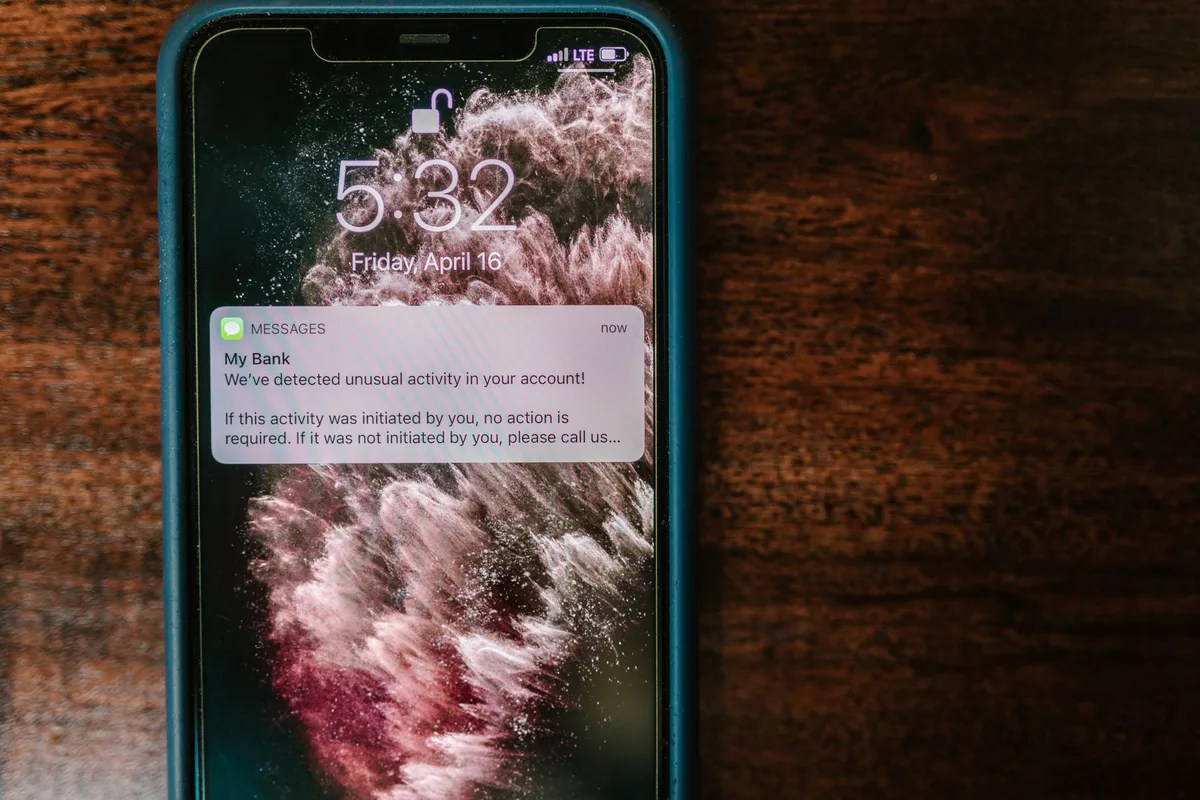
You check your phone before your eyes fully open. By lunch you've answered 80 messages, pinged three Slack channels, and said nothing memorable. That's the everyday reality most of us live in now, and it's exactly why a communication diet matters.
A communication diet is a deliberate reduction in low-quality chatter and a deliberate increase in high-quality connection. Research from the American Psychological Association links constant digital interruptions to higher stress and poorer focus. As of 2026, the average smartphone user receives around 60 to 80 push notifications per day, which makes "just checking" feel like a part-time job.
If that sounds like you, let's rebuild the way you talk, text, and listen.
Quick Answer
A communication diet cuts low-value chatter and replaces it with intentional, high-quality connection. You start by auditing your daily channels. Then you set boundaries on when, where, and how you respond.
Finally, you rebuild habits around voice and face-to-face time. The goal is fewer shallow pings and more meaningful conversations.
Why a Communication Diet Matters More Than a Digital Detox
A digital detox asks you to vanish. A communication diet asks you to choose better.
The difference matters because most of our daily stress doesn't come from our phones. It comes from being reachable for everything, by everyone, at all hours. When your phone buzzes 60 to 80 times a day, your brain treats every buzz like a small emergency.
That constant low-grade alert state wears down focus, patience, and the ability to hold a real conversation.
The Surgeon General's Advisory on Social Isolation and Loneliness made something clear: poor connection quality is a public health risk, on par with smoking 15 cigarettes a day. Translation: it's not how many people you text. It's how well you actually talk to the people you care about.
A detox makes you invisible for a week and then you snap back to your old habits. A diet changes the underlying pattern. You learn which channels serve you, which ones drain you, and how to protect the conversations that actually matter.
That shift is what most people miss when they try to just log off.
What a Communication Diet Actually Is (and What It Isn't)
It's a framework, not a punishment.
A communication diet works on three simple levers: volume, channel, and depth. Volume is how often you reach for a conversation. Channel is where that conversation happens, like text, voice, video, or in person.
Depth is how much real substance the exchange carries.
Pull back on volume where it's bloated. Move conversations to better channels when depth is suffering. Drop depth into every exchange that matters.
That's the whole game.
What it isn't: it's not silent retreat. It's not quitting Slack. It's not pretending your friends don't exist.
It's not a moral ranking of texting versus calling. It's also not a productivity hack. A communication diet that makes you less warm, less available, or less human is doing it wrong.
Here's a quick comparison so you can see where it sits next to the other popular approaches.
| Approach | Core focus | What you give up | What you keep |
|---|---|---|---|
| Digital detox | Total removal | Everything for a set window | Nothing long-term |
| Attention management | Work output | Personal warmth | Productivity |
| Communication diet | Connection quality | Shallow noise | Real relationships |
If you've already tried a clean living reset or a gut-focused routine and noticed your inner world changed, this is the same principle applied to how you talk to people.
The Hidden Costs of Always-On Communication
Always-on looks efficient. It isn't.
The costs hide under your screen time report and show up in your sleep, your mood, and your closest relationships. Here are the four that research keeps flagging.
Decision fatigue from micro-choices. Every notification asks your brain to decide: answer, ignore, file, react. By mid-afternoon, that decision muscle is shot. That's why small talk with your partner feels harder than it should.
Shallow relationships by default. Quick texts keep the lights on, but they don't build the kind of bond that survives a hard year. People who mostly text friends report feeling supported, but not close.
Sleep and stress damage. Late pings keep cortisol elevated. The NIH has linked evening screen use to longer sleep latency and poorer sleep quality. Your last message of the day sets the tone for your rest.
Erosion of voice and presence. When you avoid the phone call, you lose the rhythm of real conversation. Eye contact, tone, timing, the pause before answering. These are skills, and they atrophy without practice.
None of this means the smartphone is the enemy. It means the default settings are tuned for someone else's engagement metrics, not your nervous system.
Who Actually Needs a Communication Diet
Almost everyone, but in different ways.
A few patterns show up in the research and in our work with readers over the years. See which one fits.
The burned-out remote worker. You're in Slack and email from 7 a.m. to 7 p.m. You've forgotten what your partner's voice sounds like in person. You need channel rules and hard response windows.
The new parent or caregiver. Your attention is sliced into a hundred pieces. Every ping feels like another demand. You need fewer channels and longer response windows, not more.
The introvert running on fumes. You love people. You do not love being available 24/7. You need scheduled, energy-protected social time.
The manager drowning in meetings. Half your day is talking. The other half is recovering from talking. You need a meeting diet that runs alongside your communication diet.
The couple drifting into roommate mode. You share a house and a calendar. You don't share thoughts. You need rituals that bring back voice and eye contact.
The young professional climbing fast. You're networking, applying, following up, pitching. The volume feels like progress but the depth is shallow. You need fewer, deeper relationships.
If you see yourself in more than one of these, you're not alone. Most adults juggle three or four of these roles in any given month. The diet works because it's flexible.
It bends to fit your life instead of forcing you into a monastery.
The Core Rules of a Healthy Communication Diet
A communication diet runs on a handful of practical rules. None of them are new. They just rarely get used together.
Rule 1: Match the channel to the message. Quick question, send a text. Real conversation, make a call. Sensitive topic, do it in person or on video.
Mismatch is where most miscommunication starts.
Rule 2: Set response windows, not response reflexes. Pick a twice-daily slot for non-urgent messages. Outside that window, you don't owe anyone an instant reply. Inside it, you respond with intention.
Rule 3: Default to voice for anything emotional. Text flattens tone. Tone carries 38% of emotional meaning in any conversation. Voice calls, even short ones, recover what text loses.
Rule 4: Protect deep time. One conversation a day where you are fully present, no phone in hand, no multitasking. This is the single highest-leverage habit in the whole diet.
Rule 5: Audit every quarter. Channels shift. Friends shift. Your life shifts.
A monthly check-in keeps your rules honest.
Rule 6: Replace, don't just remove. Cutting noise without filling the gap leaves a vacuum. Replace scrolling with reading, texting with a walk-and-talk, group chats with one-on-one coffee.
Rule 7: Make the rules visible. Tell your close people what you're doing. Boundaries without context feel like punishment. Boundaries with context feel like respect.
Think of these rules as scaffolding. You don't need all seven at once. Pick two to start.
Add another every week. By week four, you've built a structure that holds without effort.
How to Audit Your Current Communication Habits
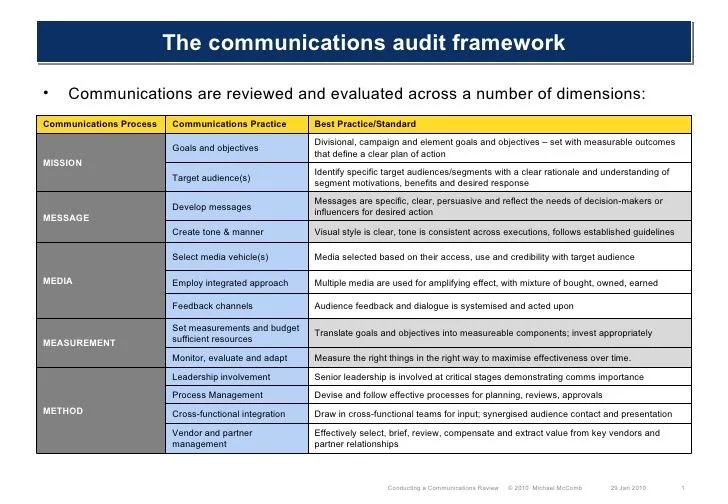
You can't fix what you haven't mapped. An audit takes 20 minutes and gives you a clear picture of where your attention actually goes.
Step 1: Pull your screen time report. On iPhone, it's in Settings > Screen Time. On Android, it's Digital Wellbeing. Note total hours and the top three apps.
As of 2026, the average user logs 4 hours and 30 minutes of screen time daily, and messaging apps are usually in the top five.
Step 2: Log one full day by channel. For 24 hours, jot down every communication touchpoint: texts, DMs, emails, Slack messages, calls, meetings, in-person talks. Use a simple table.
| Time | Channel | Person or group | Purpose | Quality (1–5) |
|---|---|---|---|---|
| 8:15 a.m. | Slack | Work team | Project update | 3 |
| 9:02 a.m. | Text | Sister | Quick check-in | 4 |
| 11:40 a.m. | Vendor | Contract question | 2 | |
| 1:15 p.m. | In-person | Coworker | Lunch | 5 |
Step 3: Score each exchange. Quality beats quantity every time. A 10-minute voice call with a friend who really hears you outranks 200 texts with a group chat that drifts.
Step 4: Find the noise. Look for repeated low-score channels, broadcast lists, group chats you mute, brand promos. These are your first cuts.
Step 5: Find the gold. Look for high-score exchanges that felt easy and meaningful. These tell you what to design more of.
Run this audit once at baseline, then again at 30 days. The comparison shows you what's shifting and what still needs work. If you've ever done a health routine reset or a supplement review for your body, this is the same evidence-based approach applied to how you talk.
Setting Channel-Specific Boundaries (Text, Email, Slack, Calls)
Boundaries work best when they're channel-specific. A blanket "I'll be offline more" gets tested by Tuesday. A clear "I answer Slack twice a day" holds for years.
Texting. Set a personal response window. Most people read texts within minutes but respond within hours. Make that window explicit.
If someone needs you faster, they can call.
Email. Reserve two windows daily: late morning and late afternoon. Outside those windows, leave it closed. Use a polite signature line: "I answer email twice daily.
For urgent matters, call or text."
Slack and Teams. Status indicators are your friend. Set Focus time blocks on your calendar. Close the app between blocks.
If your workplace culture demands constant presence, propose a team norm, like no messages after 6 p.m. or on weekends.
Phone calls. Voice notes are great for asynchronous updates. Actual calls are reserved for anything emotional, complex, or time-sensitive. Don't let calls become the default for everything.
That drains everyone.
Group chats. Audit them ruthlessly. Stay in three to five active ones. Mute or leave the rest.
If leaving feels rude, mute for 30 days and see if you even notice.
Social DMs. Treat them as async by default. A 24-hour response window is normal and acceptable.
The boundaries above are not one-size-fits-all. They are a starting point. Tweak them based on your job, your relationships, and your energy.
The aim is to stop letting every channel pull at your attention at all hours.
Designing Response Windows That Protect Your Energy
Response windows are the single most underrated tool in any communication diet. They batch attention, reduce context switching, and give you back control over your day.
Why batching works. Each context switch costs 23 minutes of focus, per University of California, Irvine research on interruptions. Every ping is a context switch. Batching two daily windows collapses 30+ micro-switches into two intentional blocks.
How to design your windows. Pick times that align with your natural energy peaks. For most people, that's mid-morning and mid-afternoon. Block 30 to 45 minutes for each.
Notifications off. Inbox open. Knuckle down.
What to do outside the windows. Trust them. Urgent things find a way to reach you. Non-urgent things wait.
If something truly can't wait, the other person will call.
How to communicate the windows. Say it once, clearly, to the people who message you most. "I check messages at 10 a.m. and 4 p.m. If it's urgent, call me." Most people respect this.
The few who don't are telling you something useful about them.
Edge cases. Bosses, clients, kids' schools, medical situations. These get exceptions. Build those into your window design so the rest of the system holds.
A good test: if your phone buzzes and you feel a small jolt of obligation, your windows aren't tight enough. When the buzz becomes background noise because you trust your next check-in, you've nailed it.
Rebuilding Face-to-Face and Voice Conversation Skills

Cutting noise is half the work. Rebuilding depth is the other half. Skills you don't use, you lose.
Conversation skills are no different.
The lost art of the phone call. A 10-minute voice call replaces an hour of fragmented texts and gets more done. Start with low-stakes calls: a friend you haven't spoken to in months, a sibling, an old colleague. Practice being present without visual cues.
Phone-free meals. Once a day, eat one meal without a screen or a device. Make it a rule for the household. Conversation fills the gap faster than you'd think.
This single habit is one of the strongest predictors of family closeness in Pew Research family studies.
Active listening drills. When someone talks, reflect back one phrase before responding. "So you're saying the deadline felt unreasonable." This tiny move doubles perceived empathy in any exchange.
Eye contact, on purpose. Harder than it sounds after years of screen time. Aim for three-second holds in conversation. Build up gradually.
Long-form talk. Schedule one weekly conversation that lasts longer than 30 minutes. Coffee, a walk, a phone call. No agenda.
See what surfaces when the surface chatter has time to fall away.
Read body language again. Tone of voice, posture, micro-expressions. These are real-time signals you miss in text. Bring them back online by spending more time in person.
Voice notes as a bridge. If calling feels too sudden, start with voice notes. Three minutes of talking out loud trains the same muscle without the live pressure.
The goal isn't to become a social butterfly. It's to be fully present in the conversations that actually matter. If you've been working on other parts of your wellbeing, like a steady kidney routine or a prostate-support plan, this is the relational version of that same care.
Communication Diet for Couples, Families, and Friends
The hardest conversations to fix are usually the closest ones. That's because they happen in the same room, with the same habits, day after day.
Couples. The most common drift is logistics mode. You talk about schedules, bills, kids. You stop talking about each other.
Schedule one weekly conversation that has no agenda. Twenty minutes, no phones, no decisions. Just talk.
Families. Family group chats often become noise machines. Move the meaningful check-ins to voice notes or weekly calls. Reserve the group chat for logistics only.
Friends. Friendships decay slowly, then suddenly. A monthly 30-minute call with a close friend maintains more connection than a daily meme exchange. Reach out to one friend this week and propose a real catch-up.
Parents and adult kids. Generational communication norms often clash. Talk about it. Ask what works for them.
Adjust your expectations. A 10-minute weekly call beats a daily text that goes unanswered.
Roommates and housemates. Shared space needs shared rules. Agree on quiet hours, no-phones-at-the-table, and one shared weekly check-in about the household.
Across all of these, the pattern holds. Move the important conversations off text. Make them regular.
Make them visible. Watch the relationship warm up in about a month.
Communication Diet at Work: Remote Teams and Managers
Work communication is where most diets get tested. The stakes feel higher, the urgency feels real, and the volume is relentless.
For remote workers. Set status indicators. Use Do Not Disturb blocks. Default to async where possible.
Save live meetings for things that need real-time collaboration.
For managers. Model the boundaries you want your team to use. If you email at 11 p.m., your team will too. Protect your team's evenings.
Send fewer messages, with more clarity.
For meetings. A short agenda, a clear owner, a real end time. End five minutes early. Use that buffer for a stretch or a real conversation with a coworker.
Right to disconnect. France passed the original right-to-disconnect law in 2017. As of 2026, similar rules exist in parts of the EU, Australia, and several US states for certain sectors. Know what your local rules say.
Async by default, sync by exception. This one phrase changes team culture. It says: not everything needs a meeting. It says: a clear written message beats a fuzzy verbal one.
Onboarding new hires on the diet. Bake it into your team handbook. New hires shouldn't have to guess your norms. Write them down.
Review them quarterly.
A team that protects its communication protects its culture. A culture that protects its culture protects its people. That loop is the real ROI of a workplace communication diet.
Communication Diet for Different Generations
Generations didn't just grow up with different technology. They grew up with different defaults for what counts as in touch.
Gen Z and younger millennials. Comfortable with voice notes, DMs, and rapid-fire group chats. The risk is depth starvation. They text 100 friends and feel alone.
A communication diet for this group leans hard on fewer channels and more real-time voice.
Older millennials and Gen X. Email-native, slowly adapting to Slack and Teams. The risk is professional creep, where work messaging eats personal time. A diet here means hard after-hours cutoffs and weekend silence.
Baby boomers. Phone-first by default, often resistant to text-only exchanges. The risk is digital exclusion when families move group chats. A diet here means a weekly phone ritual and patience with new channels.
| Generation | Default channel | Biggest risk | Diet focus |
|---|---|---|---|
| Gen Z | DMs and voice notes | Shallow volume | Force depth, fewer channels |
| Millennials | Mixed (text + Slack) | Work creep | Hard cutoffs |
| Gen X | Email and calls | Slow response guilt | Batch windows |
| Boomers | Voice calls | Digital exclusion | Weekly phone ritual |
Mixed-age workplaces and families. This is where the most friction lives. Different defaults mean different expectations. The fix is explicit agreement.
Sit down, share what each person needs, and design rules together.
Common Mistakes That Sabotage a Communication Diet
Most diets fail for the same handful of reasons. Watch for these.
Mistake 1: All-or-nothing thinking. "I missed my window, so the diet is ruined." No. Slip and reset. The diet is the average of your week, not the perfection of one day.
Mistake 2: Removing noise without replacing it. Silence without structure becomes doom scrolling or restless snacking. Fill the gap on purpose.
Mistake 3: Telling no one about the change. Friends will feel the shift. If they don't understand it, they'll misread it as withdrawal. A 10-second heads-up solves this.
Mistake 4: Picking the wrong lever. If your problem is depth, not volume, cutting more messages won't help. Move conversations to better channels first.
Mistake 5: Ignoring physical communication. Eye contact, posture, breath. They shape how your voice lands. Don't rebuild only the digital side.
Mistake 6: Skipping the audit. Without a baseline, you can't see progress. Without progress, motivation fades.
Mistake 7: Confusing diet with punishment. A diet that feels like jail won't last. Build in treats: long calls, group hangouts, voice-note catch-ups.
Mistake 8: Quitting during week one. The first week is awkward. Responses feel slow. Friends complain.
Push through. Week three is where the magic shows up.
If you've struggled with consistency on other routines, like a gut-support plan or a skin-support diet, you already know the pattern. Small slips are normal. Reframe, don't quit.
Communication Diet During High-Stress Life Events
Stress compresses everything. A communication diet that worked in calm weather can fall apart in a hard season. Build a stress mode version of your rules ahead of time.
Job loss or job search. Volume of replies goes up. Patience goes down. Set one daily window for job-related messages.
Use templates. Protect evenings for rest and one real conversation.
New baby or caregiver role. Sleep loss makes every ping feel like an emergency. Mute everything non-essential. Use a shared family calendar.
Pick one daily update call instead of fragmented texts.
Grief and loss. People want to support you. You don't have to receive it all in real time. Tell close people you may be slower to reply.
Accept voice messages instead of texts when you can.
Divorce or breakup. Co-parenting apps like OurFamilyWizard or TalkingParents help. Voice calls for tough talks. No emotional texting after 9 p.m.
Never send the message you're glad you didn't.
Illness. Medical updates are exhausting when fragmented. Use a private group chat or a CaringBridge page. One place.
One update. Saves everyone.
The principle: when life gets hard, your communication diet should get simpler, not stricter. Reduce channels. Reduce windows.
Increase grace. The system holds because it's small enough to carry.
Communication Diet for People in Recovery or Healing
A communication diet is not a substitute for recovery work. It can be a strong support for it, though.
Mental health recovery. Daily check-ins with a therapist or sponsor benefit from a protected slot. Random pings can interrupt emotional processing. Channel clarity helps recovery stick.
Addiction recovery. Many recovery paths emphasize HALT: hungry, angry, lonely, tired. A communication diet that protects meals, sleep, and one real connection per day covers three of those four.
Trauma healing. Some channels feel unsafe. Voice might be hard after certain experiences. Text or written letters can be a bridge.
Honor the channels that feel safe while you rebuild the others slowly.
Eating disorder recovery. Meal support often involves scheduled check-ins. Protecting those windows is part of the work. So is letting go of food-and-body chat in casual groups.
The rule here is simple: if a channel or pattern is feeding the illness, it has to change. If a channel or pattern supports the recovery, protect it. Pair the diet with your clinical team so the two plans reinforce each other.
Communication Diet for Introverts, Extroverts, and Ambiverts
Personality changes the diet's center of gravity.
Introverts. Energy drains from interaction. Default state: too available. The diet's job is to add friction: scheduled social time, response windows, fewer channels.
Aim for one real conversation a day, not five shallow ones.
Extroverts. Energy comes from interaction. Default state: over-stimulated. The diet's job is depth: fewer people, longer time, real topics.
Aim for one deep conversation instead of ten check-ins.
Ambiverts. Context-dependent. The diet's job is awareness. Notice when you're energized and when you're drained.
Match the channel and the depth to your real-time state.
Highly sensitive people. Stimulation lands harder. The diet needs more buffer: noise-canceling during calls, shorter windows, recovery time after intense interactions.
A personality-aware diet doesn't fight your wiring. It works with it. The result is a system that feels like relief instead of resistance.
Replacing the Chatter: What to Do With the Silence
The first week of a communication diet leaves gaps. Old habits filled time. New habits have to do that work now.
Fill the gap with presence. A walk without earbuds. A coffee without a screen. A meal where everyone is actually there.
Fill the gap with creation. Journal three sentences a day. Sketch. Cook something new.
Make instead of consume.
Fill the gap with slowness. Read a physical book. Sit on a porch. Watch the weather.
Slow hobbies rebuild attention.
Fill the gap with real connection. One real conversation beats 100 shallow texts. Voice call a friend. Visit a neighbor.
Sit with a family member without a goal.
Fill the gap with care. Use the time you recover for things that matter: sleep, movement, rest, the kind of tea ritual you'd build with a steady herbal routine. Your nervous system needs the room.
Don't fill the gap with work. That's the trap. The free time from a communication diet is not for productivity. It's for being human.
Communication Diet vs. Social Media Fast: What's the Real Difference?
A social media fast removes one channel. A communication diet restructures the whole system.
A social media fast is usually 7 to 30 days off Instagram, TikTok, or X. It cuts performative content and a dopamine loop. It does almost nothing for how you talk to your mom, your partner, or your team.
A communication diet covers every channel: text, email, Slack, calls, in-person. It asks not "what am I consuming?" but "how am I connecting?" The goal is depth, not silence.
When a social media fast is enough. If your main problem is doom-scrolling and comparison fatigue, a fast clears the air fast. It's a sharp tool for a sharp problem.
When you need the full diet. If your real complaint is shallow relationships, work burnout, or feeling unseen by people you live with, the diet is the right move. A fast won't touch those.
Many readers stack the two. Start with a 14-day social fast, then layer the diet on top. By month two, you've reset both the feed and the relationships.
Measuring Progress: Signs It's Working
Progress on a communication diet doesn't show up in a dashboard. It shows up in texture.
Sign 1: Texts feel lighter. You send fewer messages, but the ones you send land better. Replies come back warmer.
Sign 2: Voice calls feel normal. You reach for the phone instead of typing. The first 10 seconds still feel awkward, then it smooths out.
Sign 3: Friends start opening up. People tell you things they wouldn't text. That means they trust your presence again.
Sign 4: You sleep better. Evenings stop with a real conversation or a book, not a Slack scroll. Sleep latency drops.
Sign 5: Your partner notices. A common line we hear from readers: "They asked what changed." That's the signal.
Sign 6: Meetings feel shorter. You batch questions, end on time, and use status indicators to protect focus. Output goes up.
Sign 7: You stop reaching for your phone reflexively. The phantom vibration fades. The Pavlovian pull loosens.
Sign 8: You have more to say. Counter-intuitive, but true. When you speak less but listen more, your actual content per conversation rises.
Track these informally. A weekly journal note is enough. Numbers are useful, but the texture is what tells you the diet is actually working.
Long-Term Maintenance: Keeping the Diet Alive Past Day 30
The first month is novelty. Months two through twelve are where habits live or die.
Quarterly audits. Block 30 minutes every 90 days. Rerun the channel audit. Compare to last quarter.
Adjust windows, mute new noise, retire habits that aren't pulling weight.
Watch for creeping creep. Slack after 7 p.m. sneaks back. Group chats multiply. One quick reply becomes 45 minutes.
Catch it in week one of the creep, not week four.
Seasonal adjustments. Launches, holidays, summer break, and tax season all stress the system differently. Pre-plan a stress mode version of your windows so you don't rebuild under pressure.
Refill the well. Reading, walking, cooking, real conversations. These are the inputs that make the diet feel like freedom rather than deprivation. Schedule them.
Teach someone else. The fastest way to lock in a habit is to teach it. Share your rules with a friend, a mentee, your team. Explaining it makes it yours.
Re-read your original why. Every diet starts with a reason. Write yours down at day one. Pull it out at month three.
Ask if the diet is still serving it. If not, adjust.
A communication diet is maintenance, not a finish line. Treat it like flossing: boring, small, and quietly life-changing over years.
Building a Communication Diet That Survives Travel and Time Zones
Travel breaks routines. So do time differences. Here's how to keep the diet intact when geography shifts.
Time-zone asymmetry. If your team is spread across three zones, batch windows get harder. Default to async, with one shared overlap hour for live calls. Document decisions so nobody is left waiting.
Vacations are the real test. A communication diet that collapses on day one of vacation wasn't a diet, it was willpower. Build vacation rules in advance: a daily 15-minute email sweep, no Slack, an out-of-office that says so clearly.
International work. Low-context cultures (US, Germany, Netherlands) say what they mean in writing. High-context cultures (Japan, Brazil, parts of the Middle East) read between the lines. Mix them and misunderstandings multiply.
Default to voice or video for anything cross-cultural.
Travel companions and family. Travel with people means new rhythms. Agree on a daily check-in window. Use it for logistics, decisions, and one real moment of connection.
Don't let the trip turn into parallel scrolling.
Re-entry. The week after a trip is the danger zone. Hold your response windows tight. Resist the urge to catch up on everything in one day.
Bounce back to your normal rhythm gradually.
A communication diet that bends with travel will last. One that snaps at the first flight will not.
Tools and Apps That Support (Not Replace) a Communication Diet
Tools help. Tools don't lead.
Notification management. Built-in iOS and Android Focus modes, plus apps like Opal and One Sec. They add friction at the moment of opening, which is where most of the wasted time lives.
Inbox triage. SaneBox, Edison Mail, and Superhuman all offer scheduled send and snooze. Pair them with a hard close-out time each evening.
Meeting reduction. Reclaim, Clockwise, and Motion protect focus blocks on your calendar. They make the diet visible to your team without saying a word.
Voice and async tools. Vox, Yac, and Switchboard let you leave voice messages instead of typing. They rebuild the muscle without demanding live availability.
Channel audit helpers. RescueTime and ScreenTime track where your minutes go. They replace the manual log with automatic data, which most readers find easier to maintain.
Group chat hygiene. Most messaging apps now support custom mute settings, topic threads, and message requests. Use them. The cleanest group chat is the one with a clear purpose.
A tool that gives you back attention is worth it. A tool that promises to fix your phone for you will fail in a week. The diet runs on your judgment.
The tools just smooth the edges.
When a Communication Diet Isn't Enough: Signs You Need More Support
A communication diet is a powerful tool. It's not therapy. Sometimes the right next step is a professional.
If your stress is constant and high. Even with quiet channels, your nervous system stays on alert. That points to something deeper than pings.
If your closest relationships feel stuck. The same conflict repeats no matter how well you communicate. Patterns like this often need a couples or family therapist.
If you're isolated. A diet reduces noise, not loneliness. If you have fewer than two meaningful relationships, the bigger work is connection, not curation.
If work communication is harming your health. Burnout, dread, sleep loss. That calls for a conversation with HR, a manager, or a doctor, not just a Slack audit.
If anxiety or depression shows up. A communication diet supports mental health. It does not replace treatment. Reach out to a licensed clinician if symptoms persist.
As the World Health Organization has noted, social connection is a vital sign. A communication diet helps you protect it. Sometimes the protection needs more than habits can offer.
That's not a failure. That's good judgment.
When a Communication Diet Needs a Reset (Red Flags)
Sometimes the diet isn't the answer. The diet is the question.
You're more isolated, not less. Cutting shallow noise should free up energy for depth. If the depth isn't showing up, you may be over-cutting.
Work performance is sliding. Async works only if the team agrees. If your norms are out of step with your workplace, the diet becomes a liability.
You're anxious about missing things. Constant checking, phantom buzz, FOMO. That's a sign of a different issue, often anxiety, not a habit problem.
Relationships feel colder. If people you love are pulling away, talk to them. Find out what they actually need. The diet may be misreading the room.
You can't stop even when you want to. Compulsive checking, late-night scrolling, panic without the phone. That's a sign to bring in a clinician.
Reset means: pause, audit, ask, adjust. It doesn't mean quit. A communication diet is a tool.
When the tool stops fitting, change the tool, not the goal.
Frequently Asked Questions
How long does a communication diet take to show results?
Most people notice a shift within 7 to 14 days. The first change is usually a feeling of more space in the day. The deeper relational shifts, like a friend or partner opening up more, tend to show up around the 30-day mark.
Is a communication diet the same as a digital detox?
No. A digital detox is a short removal of screens. A communication diet is an ongoing restructure of how, when, and where you connect.
Detox ends. Diet continues.
Do I need to quit all group chats to start?
Not at all. Start with the lowest-value channels, like broadcast lists or brand promos. Mute or archive them.
Keep the ones where real people respond with real content.
What if my job requires me to be online all day?
Then your diet leans harder on channel choice and response windows, not volume reduction. Use status indicators, batch messages twice a day, and protect one real conversation (voice or in person) every workday.
Can a communication diet help with anxiety?
It can. Reducing constant pings lowers the background hum of urgency. Many readers report a calmer baseline within the first two weeks.
That said, if anxiety is severe, talk to a licensed clinician alongside any habit change.
What is the single best first step on a communication diet?
Run a one-day audit of every communication touchpoint. Score each on quality. Identify the lowest-scoring channels and cut or mute them within 48 hours.
That single step creates immediate relief and shows you what to build next.
How do I tell people I'm on a communication diet without sounding cold?
Keep it short, warm, and specific. "I'm checking messages twice a day now, at 10 and 4. If something's urgent, call me.
Just wanted you to know." That sentence respects the other person and explains the change in one breath.
Will a communication diet hurt my career?
It can help it. Async-first professionals report more focused work and better output. The trick is communicating the rules so colleagues know how to reach you when it matters.
Boundaries that are visible are usually respected.
How long should I stay on a communication diet?
Treat it as a permanent practice with seasonal adjustments. Most readers find their rhythm within 30 days and stick with it for years. Some go harder during launches and softer during stable periods.
Can kids and teens do a communication diet?
Yes, with parental involvement. Set family device rules together. Teach response windows early.
Model the behavior you want. Kids copy what they see, not what they're told.
What if my partner or spouse won't join the diet?
You can still do it. Start solo. Your presence will shift the household tone within weeks.
Most partners adjust without being asked once they see the change in your mood and attention.
Your First 7 Days on a Communication Diet
A simple week-one plan, day by day.
| Day | Focus | Action |
|---|---|---|
| 1 | Audit | Pull screen time report, log a day's worth of touchpoints |
| 2 | Channel rules | Write down your response windows for each channel |
| 3 | Boundaries talk | Tell three close people about your new windows |
| 4 | Replace | Pick two replacement habits (walk, voice note, reading) |
| 5 | Voice call | Make one 15-minute call instead of texting |
| 6 | Phone-free meal | One meal with no devices, full presence |
| 7 | Reflect | Journal 3 sentences on what shifted |
By day seven, you won't have solved everything. You'll have a foundation. Add a layer every week for the next month.
By week four, you'll feel the difference. By month three, the people around you will feel it too.
The second week is where most readers either lock in or slip. Here's how to lock in.
Day 8: Tweak your windows. Are your two daily slots working? Adjust one by 30 minutes if needed. The system fits your life, not the other way around.
Day 9: Voice call a friend. Not a voice note. A real call. 15 minutes. No agenda.
Listen more than you talk.
Day 10: Phone-free hour. Block one full hour with no device. Read, walk, cook, sit. Notice what surfaces.
Day 11: Audit again. Quick 10-minute check. Where did your minutes go this week? What shifted?
Day 12: Add one replacement habit. Reading, walking, cooking, journaling. Pick what you'll keep for 30 days.
Day 13: Tell one more person. A friend, a coworker, a sibling. Share what you've noticed. Invite them to try it.
Day 14: Reflect. Journal three sentences. Notice who you heard from this week. Notice what you actually said.
Notice what you didn't.
By the end of week two, the diet starts to feel less like effort and more like preference. That's the sign it's working. Keep going.
A 30-Second Decision Guide: Start Here
If you only have a minute, start with this.
- Problem is shallow connection: set response windows, add one daily voice call.
- Problem is work creep: cut after-hours Slack and email, batch twice daily.
- Problem is family drift: schedule one phone-free meal and one weekly catch-up call.
- Problem is anxiety around pings: enable Focus mode and one notification-free hour.
- Problem is loneliness: the diet isn't enough, invest in one real relationship at a time.
Closing Notes
A communication diet is a quiet practice with loud results. It won't trend. It won't impress your feed.
It will, over months, give you back your attention, your voice, and your closest relationships.
Start small. Stay consistent. Re-audit often.
The goal isn't silence. The goal is signal.