how much caffeine in diet mountain dew 20 oz: Honest Review
A 20 oz Diet Mountain Dew contains about 91 mg of caffeine, making it a moderate option for anyone watching their daily intake. If you've ever cracked open a cold bottle during a long workday and wondered exactly how much kick you're getting, you're definitely not alone. People care about caffeine because it affects energy, sleep, focus, and even anxiety levels. Knowing the number helps you plan your day, especially if you're sensitive to stimulants or trying to cut back.
I've spent years tracking my own caffeine habits, and Diet Mountain Dew has always been one of those sneaky drinks that feels lighter than soda but still packs a punch. In this guide, I'll break down the exact caffeine content, compare it to other sodas, explain what that number really means for your body, and share some practical tips for managing your intake without giving up the flavors you love.

Caffeine Content Breakdown for a 20 oz Diet Mountain Dew
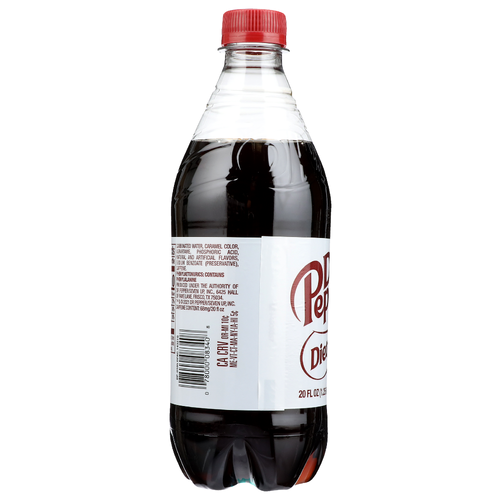
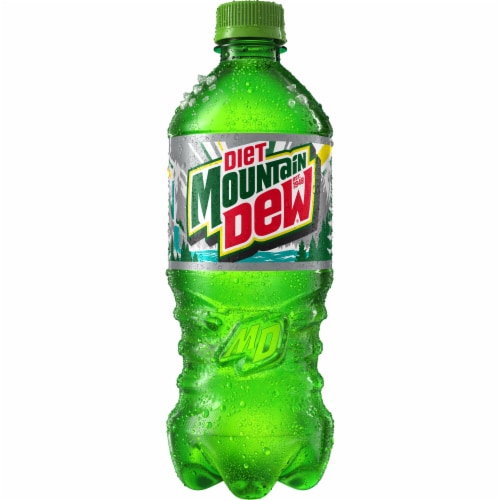
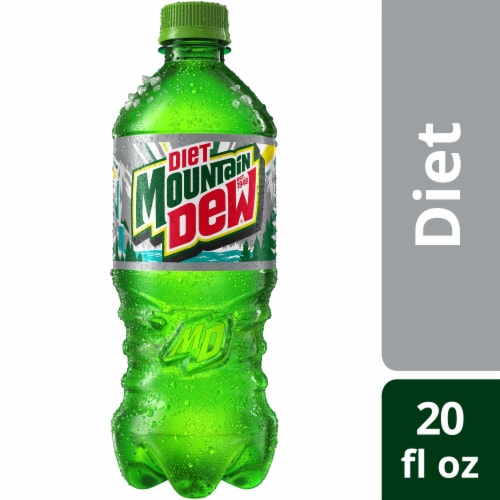
A standard 20 fl oz bottle of Diet Mountain Dew delivers around 91 mg of caffeine. That number can shift slightly depending on where you buy it, because fountain versions and fountain mixes sometimes run a little different from bottled product. Still, 91 mg is the widely accepted figure for the sealed bottle you grab at the store.
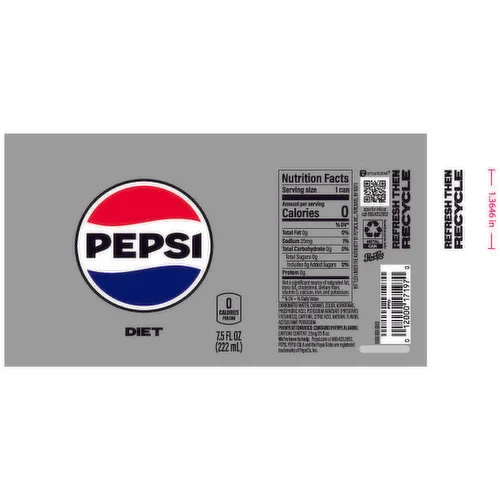
To put that in perspective, it's noticeably more than a can of Diet Coke, which usually lands around 46 mg in a 12 oz can. It's also higher than most other diet sodas, which is part of why Diet Mountain Dew has such a loyal fanbase among people who want bold flavor and a real energy lift without the sugar.
If you're keeping a mental caffeine log, here's how that 20 oz bottle fits into a typical day:
- It equals roughly one strong cup of coffee's worth of caffeine, since a standard 8 oz brewed coffee has about 80 to 100 mg.
- It sits well above most other 20 oz sodas, including Pepsi and Coca-Cola variants, which usually fall in the 60 to 70 mg range for the same size.
- It still falls below energy drinks like Monster or Rockstar, which can easily hit 150 to 200 mg in a single 16 oz can.
How Diet Mountain Dew Compares to Other Popular Sodas
Caffeine levels vary a lot across the soda aisle, and Diet Mountain Dew sits near the top of the list. If you're trying to figure out where it lands, here's a quick comparison using a 20 oz bottle as the baseline:
- Coca-Cola: about 57 mg
- Diet Coke: about 69 mg
- Pepsi: about 63 mg
- Dr Pepper: about 68 mg
- Mountain Dew: about 91 mg
- Diet Mountain Dew: about 91 mg
- Coke Zero: about 69 mg
- Sprite: 0 mg
The fact that Diet and regular Mountain Dew share the same caffeine level is interesting. The main difference is sugar and calories, not the stimulant kick. So if you're choosing Diet for health reasons but still want the same energy boost, you're getting exactly that.
What 91 mg of Caffeine Actually Does to Your Body
Caffeine is a central nervous system stimulant, and 91 mg is enough to produce noticeable effects in most adults. Within about 15 to 45 minutes of finishing the bottle, you'll likely feel more alert, focused, and awake. That's because caffeine blocks adenosine receptors in your brain, which normally make you feel tired.
For most healthy adults, up to 400 mg of caffeine per day is considered safe, according to major health authorities. That means a single 20 oz Diet Mountain Dew uses up about 23 percent of your daily budget. If you drink coffee, tea, or other caffeinated drinks, you can easily hit that limit faster than you think.
Here's what you might notice after drinking one:
- Faster reaction time and sharper focus, great for driving or studying
- A small bump in metabolism, which is why caffeine is popular in pre-workout routines
- A diuretic effect, meaning you might need to use the bathroom more often
- Possible jitters or a racing heart if you're sensitive to stimulants
If you drink it late in the day, that 91 mg can easily disrupt your sleep. Caffeine has a half-life of about 5 to 6 hours, meaning half of it is still working in your system 5 hours later. Drinking a 20 oz bottle at 4 pm can leave you staring at the ceiling at midnight.
Is Diet Mountain Dew a Good Choice for Caffeine Sensitive People
Honestly, no, and I say that from experience. A few years ago, I went through a phase where I was drinking two or three 20 oz Diet Mountain Dews a day to power through long editing sessions. I thought the lack of sugar made it a "free" habit, but my anxiety spiked, my sleep suffered, and I constantly felt wired but tired. When I finally cut back to one small bottle a day, the difference was night and day.
If you know you're sensitive to caffeine, that 91 mg hit might be too much in a single serving. You could try splitting the bottle into two sittings, mixing it with a low-caffeine drink, or switching to a gentler option like Diet Coke, which has roughly 46 mg in a 12 oz can.
For people who are pregnant, have heart conditions, or take certain medications, even 91 mg might be too much. It's always smart to check with your doctor if you're unsure how caffeine affects your specific health situation.
Tips for Managing Caffeine When You Love Diet Mountain Dew
You don't have to give up the taste you love to keep your caffeine in check. Over the years, I've picked up a few tricks that make it easier to enjoy Diet Mountain Dew without the side effects:
- Set a cutoff time. Stop drinking any caffeine at least 6 to 8 hours before bed so your sleep stays solid.
- Hydrate alongside it. Alternate sips of soda with water to slow down your consumption and stay hydrated.
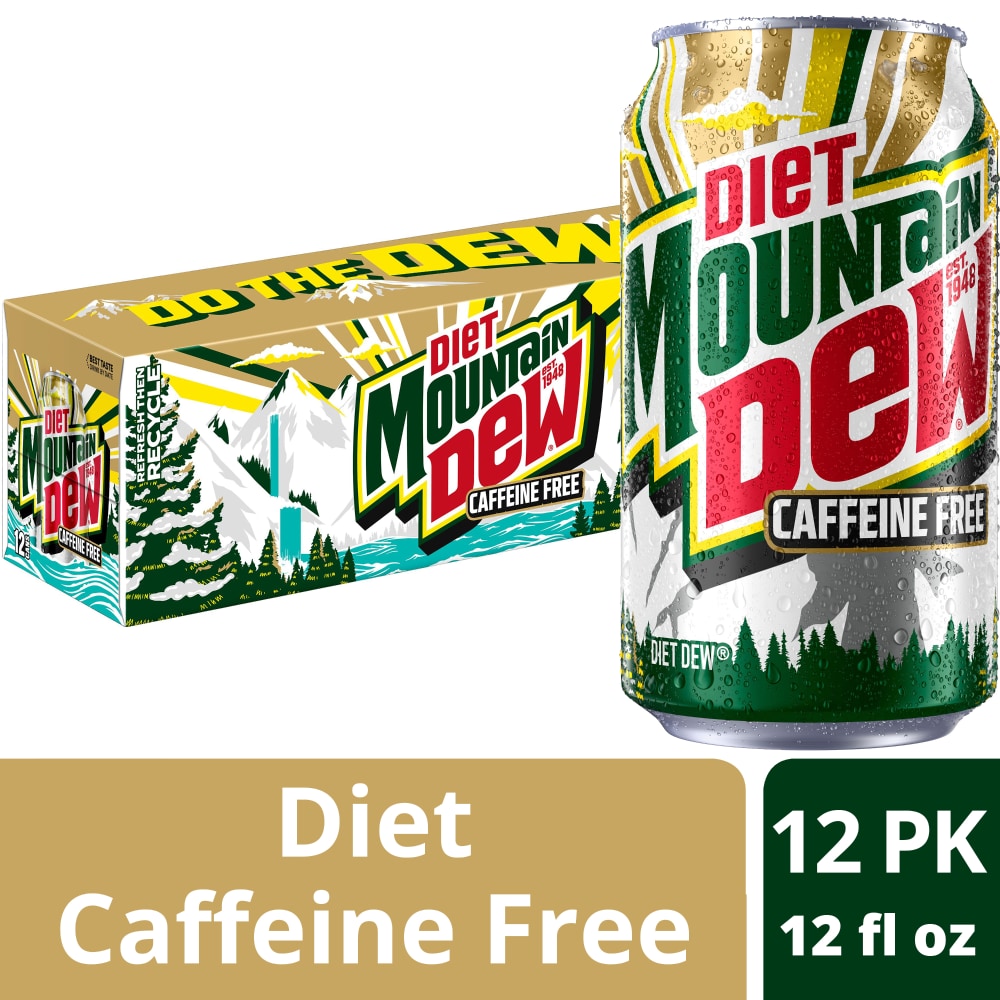
- Try the smaller cans. A 12 oz can of Diet Mountain Dew has about 55 mg, which is a more moderate dose.
- Pair it with food. Drinking on an empty stomach can spike the jitters. Eat something with protein or healthy fat first.
- Track your total daily caffeine. If you also drink coffee or tea, add it all up so you don't accidentally blow past 400 mg.
Common Misconceptions About Caffeine in Diet Sodas
A lot of people assume that because a soda is "diet," it must be healthier in every way, including lower caffeine. That's not true for Diet Mountain Dew. In fact, the diet version has the exact same caffeine as the regular version. The only real difference is the absence of sugar and the use of artificial sweeteners like aspartame.
Another common myth is that caffeine dehydrates you badly. While it does have a mild diuretic effect, studies show that moderate caffeine intake doesn't lead to dangerous dehydration, especially if you're drinking it as part of your normal fluid intake. Still, plain water is always a better choice if you're working out or spending time in the heat.
How Fast Does Caffeine Kick In and How Long Does It Last
Once you finish that 20 oz Diet Mountain Dew, caffeine usually reaches your bloodstream within 15 to 45 minutes. Peak levels happen around 30 to 60 minutes after consumption, which is when you'll feel the strongest effects. From there, the caffeine stays active for several hours, with a half-life of about 5 to 6 hours in most adults.
So if you drink a bottle at 2 pm, by 8 pm about 45 mg of that original 91 mg is still in your system. That's enough to mess with deep sleep for some people, especially if you're already a light sleeper. Knowing this timeline can help you plan your soda breaks around your schedule.
Frequently Asked Questions
How much caffeine is in a 20 oz Diet Mountain Dew?
A 20 oz Diet Mountain Dew contains about 91 mg of caffeine. This is the same amount found in the regular sugar version.
Is there more caffeine in Diet Mountain Dew than regular Mountain Dew?
No, both versions contain roughly the same amount of caffeine, around 91 mg in a 20 oz bottle. The main difference is sugar and calories.
How does the caffeine in Diet Mountain Dew compare to coffee?
An 8 oz cup of brewed coffee usually has 80 to 100 mg of caffeine, so a 20 oz Diet Mountain Dew is roughly equivalent to one strong cup of coffee.
Can I drink a 20 oz Diet Mountain Dew every day safely?
For most healthy adults, yes, as long as your total daily caffeine stays under 400 mg. If you drink other caffeinated drinks, you'll need to factor those in too.
Why does Diet Mountain Dew have so much caffeine?
The brand has always positioned itself as an energy-focused soda, and the higher caffeine content helps deliver the bold, stimulating experience its fans expect.
Wrapping It Up
So, a 20 oz Diet Mountain Dew has about 91 mg of caffeine, putting it on the higher end of the soda spectrum and right in line with a strong cup of coffee. It's a great pick if you want bold flavor and a real energy lift without the sugar, but it's worth keeping tabs on your total daily intake so you don't accidentally overdo it. Listen to your body, watch your timing, and don't be afraid to downsize to a can if you notice jitters or sleep issues. Got questions or your own Diet Dew story? Drop a comment below and let's chat.