
I’ve spent years keeping and advising on axolotl care, and diet is the topic that makes or breaks success. Here’s the short answer to what is an axolotls diet: a protein-rich, low-fat menu built around quality worms and specialized pellets, sized to the axolotl’s mouth, fed on a steady schedule, and adjusted for age and health. In this guide, I’ll show you exactly what to feed, how often, and how to avoid common mistakes, using research-backed advice and real-world tips that work.
Source: a-z-animals.com
Axolotl Diet Basics
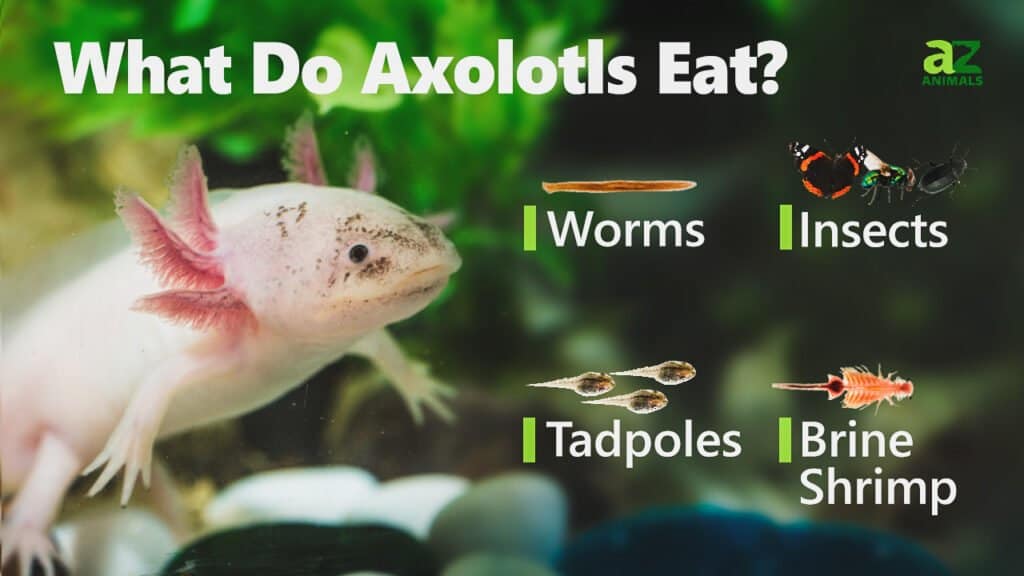
Axolotls are carnivores. In the wild, they eat worms, insect larvae, small crustaceans, and tiny fish. In captivity, the best base diet is earthworms and high-quality axolotl pellets, with occasional extras like bloodworms or brine shrimp.
Key nutrition targets:
- High protein supports growth and tissue repair.
- Low to moderate fat prevents obesity and liver stress.
- Balanced minerals, especially calcium and phosphorus, support bone health.
Simple rule I use: choose foods that are soft, sink, and match the width between your axolotl’s eyes. If it’s bigger, cut it.
Source: www.cbreptile.com
Core Foods Axolotls Eat
Best staples:
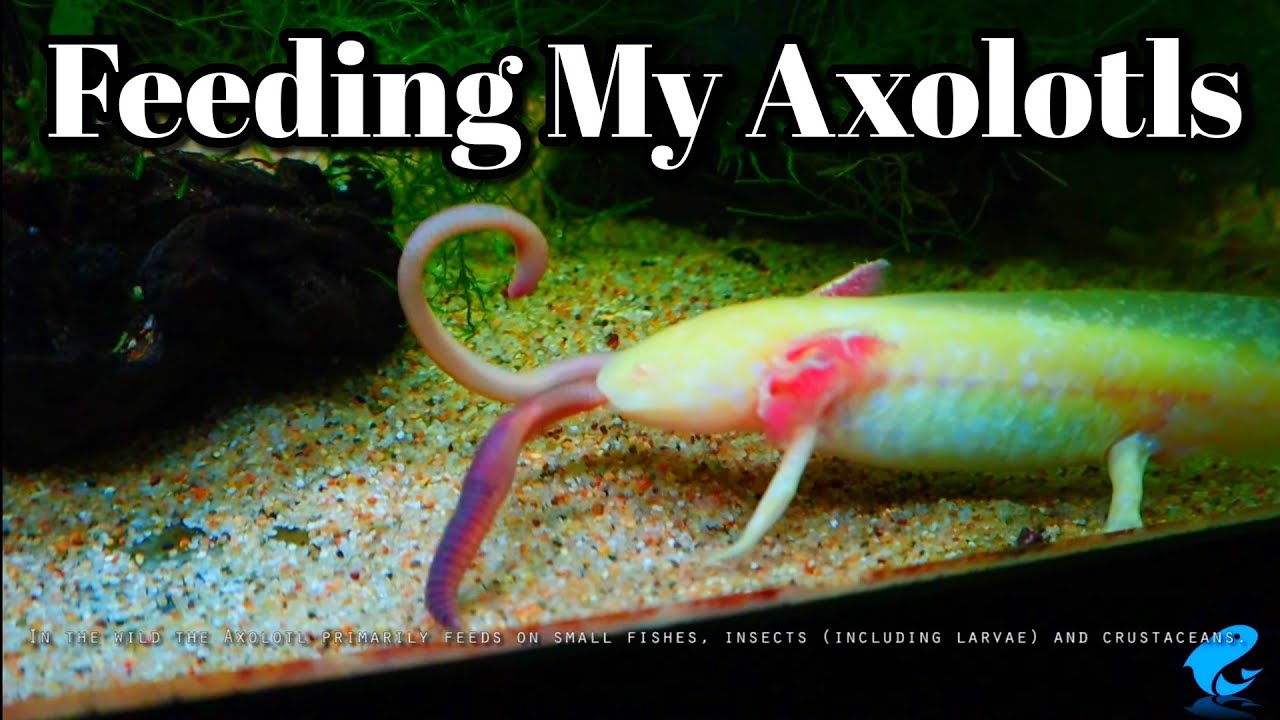
– Earthworms: Nightcrawlers or red wigglers are top-tier. Rinse and cut to size.
– Axolotl or salmon pellets: Use sinking, soft pellets from a trusted brand with 40 to 55 percent protein and low ash.
– Blackworms or bloodworms: Great for juveniles; use as a supplement, not the only food.
– Brine shrimp: Good for very young axolotls. Rinse to reduce salt before feeding.
Occasional treats:
- Daphnia or mysis shrimp: Adds variety and fiber-like roughage.
- Prawn or lean fish bits: Very small amounts, cooked and plain, no seasoning.
- Insect larvae: Only if captive-bred and parasite-free.
Why earthworms win: They have complete proteins, good moisture, low fat, and are easy to digest. Most axolotls thrive when worms make up most of the diet.
Source: www.youtube.com
Feeding Schedule By Life Stage
Hatchlings to 2 inches:
– Food: Baby brine shrimp, micro-worms, finely chopped blackworms.
– Frequency: 1 to 2 small meals daily.
– Tip: Remove leftovers within 30 minutes to keep water clean.
Juveniles 2 to 6 inches:
- Food: Chopped earthworms, bloodworms, small pellets.
- Frequency: Every day or every other day.
- Portion: Belly should look full but not round.
Adults 6 inches and up:
- Food: Whole earthworms, full-size pellets.
- Frequency: 2 to 4 times per week.
- Portion: About 1 to 2 decent worms or 6 to 10 pellets per meal, depending on body condition.
Senior or overweight axolotls:
- Food: Lean toward worms and fewer pellets.
- Frequency: 1 to 2 times per week.
- Monitor: Aim for a straight tail base and a gently rounded belly.
Personal tip: Use a feeding journal. I note what was eaten, how fast, and any spit-outs. It makes adjustments easy.
Source: fishlab.com
How To Feed Safely
– Target feed with tongs. Hold food near the mouth. This reduces substrate ingestion.
– Feed in a dish. A shallow glass dish keeps tank clean and makes cleanup fast.
– Thaw frozen foods in tank water. Never microwave. Drain excess liquid to cut mess.
– Rinse worms. A quick rinse removes dirt and worm slime that can cause refusals.
– Watch the bite. If food is spat out, cut smaller or soften pellets in tank water for 30 seconds.
– Time it right. Feed in the evening when axolotls are most active.
Water quality matters. Uneaten food spikes ammonia. Test weekly and remove leftovers within 15 to 30 minutes.
Foods To Avoid And Why
– Feeder fish: High parasite risk and often too fatty or bony.
– Crickets and hard-shelled insects: Chitin can cause impaction.
– Mammal meats (beef, chicken): Wrong amino acid profile; too fatty.
– Raw seafood with thiaminase (some fish species): Can block vitamin B1.
– Freeze-dried foods: Often too dry, expand in the gut, and lack moisture.
– Seasoned or processed foods: Salt, spices, and oils harm gills and kidneys.
If in doubt, skip it. I’ve seen most digestive issues come from risky “just once” snacks.
Supplements And Gut-Loading
Axolotls usually do not need vitamin dusting like reptiles. Instead, boost nutrition by gut-loading live foods:
– Earthworms: Feed them dark leafy greens or a worm chow 24 hours before use.
– Blackworms and daphnia: Keep in clean, oxygenated water; feed spirulina or quality fish food.
Calcium balance:
- Quality pellets and earthworms often cover needs.
- If you notice weak jaws, soft gills, or poor growth, see a vet; do not dose blindly.
I tried calcium dusting early on and saw no benefit compared to a stable worm-and-pellet routine with clean water.
Troubleshooting Common Diet Issues
Refusal to eat:
– Check temperature. Too warm or too cold reduces appetite.
– Test water. Ammonia or nitrite spikes stop feeding fast.
– Offer movement. Wriggling worm tips nudge a feeding response.
– Try scent. Soak pellets in worm juice or bloodworm water.
Obesity signs:
- Very round belly, thick tail base, sluggish movement.
- Fix: Reduce pellets, increase time between meals, stick to worms.
Impaction risk:
- Symptoms: Floating oddly, no poop, loss of appetite.
- Prevention: Use sand-free bottoms or slate; avoid gravel. Feed with tongs.
Regurgitation:
- Usually from food too large or stress during handling.
- Fix: Cut smaller, feed in calm, low-light conditions.
When to see a vet:
- Weight loss, ulcers, cottony growth, or long fasting. Early help saves time and stress.
Sample Weekly Meal Plans
Juvenile plan:
– Mon: Chopped earthworms until gently full
– Tue: Bloodworms, small portion
– Wed: Pellets, softened
– Thu: Rest day
– Fri: Chopped earthworms
– Sat: Pellets
– Sun: Small blackworm portion
Adult plan:
- Mon: 1 to 2 medium earthworms
- Wed: Pellets, 6 to 10 pieces
- Sat: 1 to 2 earthworms
- Optional Sun: Small mysis shrimp treat if body condition is lean
Adjust portions to body shape. The goal is steady energy, clear eyes, and smooth gill filaments.
Frequently Asked Questions Of What Is An Axolotls Diet
Q. Can Axolotls Eat Pellets Only?
They can, if the pellets are high quality and sized right, but I recommend mixing in earthworms for better hydration, texture, and enrichment.
Q. How Do I Know If I’m Overfeeding?
Watch body shape. A healthy axolotl has a gently rounded belly and a straight, not bulging, tail base. If waste builds up fast in the tank, portions are likely too big.
Q. Are Bloodworms Good For Adults?
They are fine as a supplement but not great as a sole staple. Adults do better on earthworms and pellets.
Q. What Temperature Helps Appetite?
Most axolotls eat best at 60 to 68°F. Higher temps can stress them and reduce feeding.
Q. Can I Hand-Feed My Axolotl?
Yes, but use feeding tongs for safety. Axolotls have a strong suction bite and may nip fingers by mistake.
Q. Do I Need Vitamins Or Calcium Powder?
Usually not. A balanced diet of worms and pellets covers needs. If you suspect a deficiency, consult an exotic vet instead of guessing.
Q. Is Live Food Dangerous?
Live foods can carry pathogens if sourced poorly. Use captive-bred sources, quarantine blackworms, and rinse before feeding.
Conclusion
Feeding axolotls is simple once you focus on the basics: soft, sinking, protein-rich foods, given on a steady schedule that fits their age and size. Build your plan around earthworms and proven pellets, keep the tank clean, and avoid risky feeders. The payoff is a calm, healthy axolotl that eats well and lives long.
Start small: choose a staple worm source, pick a pellet brand you trust, and log your feedings for two weeks. Adjust from there. If you found this guide helpful, subscribe for more care tips or leave a comment with your feeding wins and challenges.
Watch This Video on what is an axolotls diet
>>> Get More Review Here: Best Apple Cider Vinegar For Fatty Liver <<<