
A meat and fruit diet can aid weight loss, steady energy, and fewer cravings.
If you want a simple plan that still works, the meat and fruit diet is worth a look. I coach people who use it to lose fat, fix cravings, and eat with less stress. In this guide, I explain how it works, who should try it, and how to start without guesswork. You will get science, real tips, and a clear plan you can use today.

What Is the Meat and Fruit Diet?
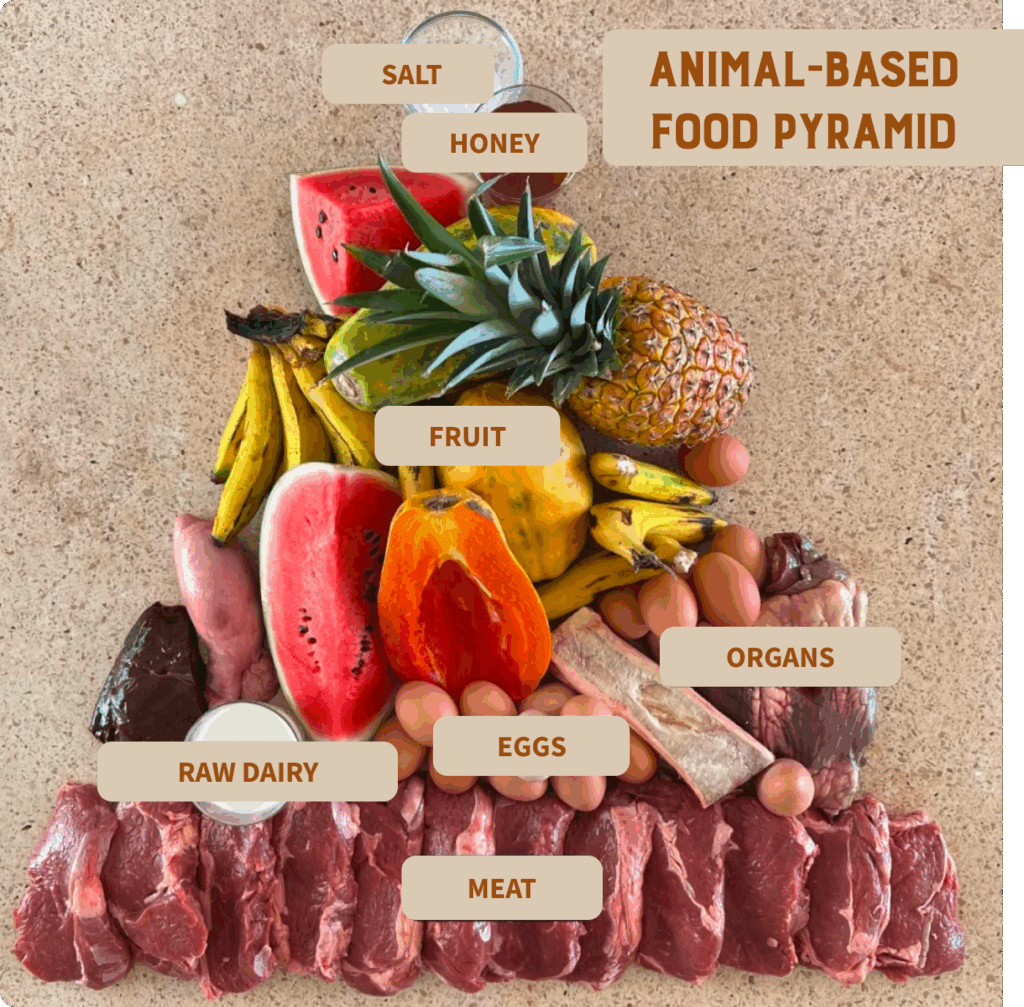
The meat and fruit diet is a way of eating that pairs animal protein with whole fruit. It is simple by design. You focus on meat, fish, eggs, and seasonal fruit. You skip grains, beans, seed oils, and most processed foods.
There are loose and strict versions. Some include dairy, coffee, and herbs. Some are beef and berries only. The core idea stays the same. Eat high-quality protein and micronutrient-rich fruit. Keep meals simple and repeatable.
Why it appeals to many people is clear. It cuts food noise. It is easy to shop and cook. Can help with fat loss and steady energy. It also makes tracking food less of a chore.

How It Works: The Science in Simple Words
Protein helps you feel full. It also helps you keep muscle. Research shows higher protein diets can reduce hunger and boost fat loss. Meat provides protein, iron, zinc, B12, creatine, and carnitine. These help energy, recovery, and brain health.
Fruit adds vitamins, minerals, fiber, and antioxidants. Whole fruit also has water and fiber that slow sugar release. Studies show fruit intake is linked with better weight control and heart health. The fructose in whole fruit is not the same as large doses from soda.
Simple food choices also reduce decision fatigue. Fewer choices can mean better adherence. Better adherence leads to better results. That is why the meat and fruit diet can work so well for busy people.
Benefits You May Notice
Many people choose the meat and fruit diet for a short reset. Others make it a long-term plan. Common wins include:
- Easier fat loss because protein increases fullness and thermogenesis.
- Fewer cravings due to steady meals and less ultra-processed food.
- Clearer skin for some people who react to refined foods or seed oils.
- Better digestion when fruit replaces heavy, processed desserts.
- Stronger training because protein aids recovery and creatine supports power.
Research backs some of this. Trials show high protein diets can preserve lean mass in a deficit. Fruit-rich diets link to lower blood pressure and better blood lipids. The simple structure helps you stick to the plan when life gets busy.
Risks, Gaps, and Who Should Avoid It
No diet is perfect. The meat and fruit diet can leave gaps. Know them so you can plan well.
- Low calcium if you avoid dairy. Bone health matters.
- Low magnesium and potassium if fruit variety is poor.
- Low fiber if you pick only low-fiber fruits.
- Higher saturated fat if you only eat fattier cuts.
Some people should be cautious. If you have kidney disease, gout, lipid disorders, or are pregnant, talk with your clinician. If you take meds for blood sugar or blood pressure, monitor closely. Rapid weight loss can change your dose needs.
Watch for constipation, fatigue, or poor sleep. These may mean low electrolytes, low carbs, or low calories. Fix the basics before you blame the whole plan.
My Experience Coaching Clients on the Meat and Fruit Diet
I have guided many clients who tried the meat and fruit diet. The best results came from simple habits and steady tracking. The people who did well kept meals easy and planned ahead.
Common mistakes I see:
- Not eating enough protein early in the day.
- Choosing only apples and bananas, then missing berries and citrus.
- Ignoring salt and water, then feeling flat and foggy.
- Jumping to very low carbs while training hard.
What worked best:
- A protein target per meal, not per day only.
- Two servings of fruit spaced through the day.
- Add berries for fiber and polyphenols.
- Use lean and fatty cuts to match your goals.

Getting Started: Simple Plan and Grocery List
Start with a two-week trial. Keep it simple. Do not try to be perfect. Aim for three meals per day with protein and fruit.
Sample grocery list:
- Proteins: beef, bison, chicken thighs, chicken breast, turkey, pork loin, salmon, sardines, tuna, eggs.
- Fruits: berries, oranges, grapefruit, kiwi, pineapple, mango, apples, pears, bananas.
- Extras: olive oil, butter or ghee, coffee, tea, herbs, sea salt, sparkling water.
Three-day sample plan:
Day 1
- Breakfast: Eggs and smoked salmon. Blueberries.
- Lunch: Steak and a navel orange.
- Dinner: Chicken thighs. Strawberries.
Day 2
- Breakfast: Turkey patties. Grapefruit.
- Lunch: Pork loin. Kiwi.
- Dinner: Salmon. Pineapple.
Day 3
- Breakfast: Eggs and lean beef. Raspberries.
- Lunch: Tuna steak. Mango.
- Dinner: Bison burger. Apple.
Tips to stay on track:
- Cook protein in bulk twice per week.
- Wash and portion fruit ahead of time.
- Keep salt, water, and coffee simple.
- Eat the same breakfast daily to reduce stress.

Macros, Portions, and Tracking Without Obsessing
You do not need perfect tracking. Use ranges. Update as you learn your body.
- Protein: 0.7 to 1.0 grams per pound of goal body weight per day.
- Fat: Choose lean or fatty cuts to hit your calorie target.
- Carbs: 1 to 3 servings of fruit per day for most people.
- Fiber: Aim for at least 20 grams per day from fruit variety.
Simple portion rules:
- Palms of protein: 1 to 2 palms per meal.
- Fruit servings: 1 cup berries or 1 medium fruit.
- Cooking fats: 1 tablespoon per meal if needed.
Hydration and electrolytes:
- Drink to thirst plus a pinch of salt in one glass per day if you sweat a lot.
- If you cramp, add potassium-rich fruit like banana or kiwi.

Training and Recovery on a Meat and Fruit Diet
You can train well on this plan. Many lifters and runners do. The trick is to time fruit around workouts.
- Before training: 1 serving of fruit for quick fuel.
- After training: Protein plus fruit within 1 to 2 hours.
- Heavy weeks: Add one extra fruit serving on training days.
Protein supports muscle repair. Creatine from red meat helps strength and power. If you need more carbs, add another piece of fruit or a baked potato if you choose a flexible version.

Gut Health, Fiber, and Micronutrients
Meat has no fiber. Fruit does. Pick fruits that bring fiber and polyphenols. These help your gut microbes and your heart.
Great choices:
- Raspberries, blackberries, pears, and apples for fiber.
- Kiwi for digestion.
- Citrus for vitamin C and flavonoids.
- Berries for anthocyanins.
If stools are hard, raise fluids and fruit fiber. If that fails, choose fattier fish for a week. You can also add magnesium at night if your clinician agrees.
Variations: Strict vs Flexible Versions
The meat and fruit diet is a template. You can try strict or flexible. Test, observe, and adjust.
- Strict: Meat, eggs, and fruit only. Water, coffee, and tea.
- Flexible: Add dairy like Greek yogurt or kefir if tolerated.
- Performance: Add white rice or potatoes around training if needed.
- Budget: Use ground meats, chicken thighs, and in-season fruit.
If a food makes you feel bloated or tired, pull it for two weeks. Add it back and see how you do. Keep notes.
Social Life, Budget, and Eating Out
You can follow the meat and fruit diet at work dinners and on trips. Plan ahead and keep it friendly and low-key.
Eating out tips:
- Order steak, chicken, or fish. Ask for fruit or a simple salad base if allowed.
- Swap fries for fruit, side salad, or steamed veg if you use a flexible version.
- Skip sauces with seed oils. Ask for butter or olive oil on the side.
Budget tips:
- Buy family packs of meat and freeze portions.
- Pick seasonal fruit or frozen berries.
- Use canned fish like sardines and tuna.
Signs It Is Not For You and Smart Off-Ramps
Your plan should serve you, not the other way around. Watch for red flags.
- Ongoing fatigue, cramps, or sleep issues despite fixes.
- Constipation that does not improve.
- Rising LDL or uric acid on labs.
If you need a change, shift to a whole-food plan that keeps your wins. Add yogurt, potatoes, or oats one at a time. Keep protein high. Keep fruit in. The skills you learned still apply.
Frequently Asked Questions of meat and fruit diet
Q. Is the meat and fruit diet safe long term?
It can be safe for many people, but watch your labs and how you feel. Add calcium-rich foods or a plan for bone health if you avoid dairy.
Q. Will I get enough vitamins on a meat and fruit diet?
You get many nutrients from meat and fruit, but calcium and magnesium can be low. Use diverse fruits and consider dairy or a supplement if needed.
Q. Can I build muscle on a meat and fruit diet?
Yes. Eat enough protein and calories, and time fruit around workouts. Many lifters thrive with high protein and simple carbs from fruit.
Q. Is this diet good for diabetes?
It can help reduce ultra-processed carbs, which may aid control. Work with your clinician, as meds may need changes when your diet shifts.
Q. What fruits are best on a meat and fruit diet?
Berries, citrus, kiwi, apples, and pears are great for fiber and micronutrients. Bananas and mango are fine, especially on training days.
Q. Can I drink coffee on this plan?
Most people can. Keep it simple and avoid sugary creamers. If sleep suffers, cut back.
Q. How many meals should I eat on a meat and fruit diet?
Two or three meals work well for most. Pick a rhythm and keep it steady for two weeks before changing it.
Conclusion
The meat and fruit diet is simple, structured, and effective for many people. You get strong protein, bright micronutrients, and fewer choices to drain your willpower. You also gain a repeatable plan that fits real life.
Try a two-week test. Set a protein target, choose two fruits per day, and prep your meals. Watch your energy, hunger, and performance. If it serves you, keep going. If not, adjust with skill, not guilt.
Want more guides like this? Subscribe for weekly tips, save this plan, and share your questions in the comments.