
Healthy eyes for life come from daily habits, smart nutrition, and regular exams.
If you want healthy eyes for life, you can get there with steady care. I have helped many people protect their sight with simple steps that work. In this guide, I share what I teach in the clinic and at home. You will learn how to lower risk, ease strain, and keep vision sharp for years.
What healthy eyes for life really means
Healthy eyes for life means steady care that fits real life. Not about a quick fix. It is daily habits, smart food, and timely checkups. It is also knowing warning signs and acting fast.
Think of your eyes like a camera and a computer. The lens needs to stay clear. The sensor and wiring need good blood flow. And the system needs the right fuel. When these parts work well, you see well.
Here is what this looks like in practice:
- Protect your eyes from sun and injury every day.
- Eat foods that feed the retina and the optic nerve.
- Follow the 20-20-20 rule to cut screen strain.
- Get eye exams on a set schedule, even if you see fine.
Healthy eyes for life is a long game. Start now, and your future self will thank you.
How your eyes change over time
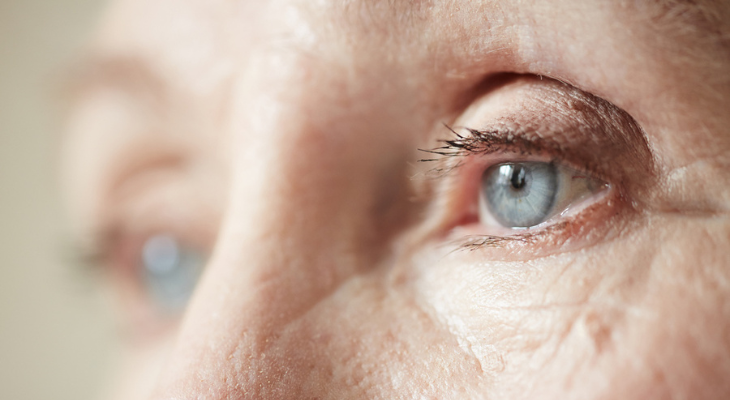
Eyes change with age, even when you feel fine. The lens gets stiffer. Close work can feel hard by your 40s. Tear quality can drop, so dry eye grows more common.
Some risks rise with age. These include cataracts, glaucoma, and macular changes. Diabetes and high blood pressure can harm tiny eye vessels. Good control helps shield your sight.
Kids’ eyes grow fast and respond to habits. Outdoors time can lower near sight risk. Adults need to watch work strain. Older adults need more light and more checks.
Daily habits that protect your vision
Small steps done often beat big steps done once. Set up guardrails that run in the background of your day.
- Blink often, and take short breaks during tasks.
- Use tears in a bottle if your eyes feel dry.
- Drink water to support tear film.
- Keep fans and vents away from your face.
- Clean lids gently if they feel crusty or itchy.
- Never sleep in contacts unless your doctor says so.
- Remove makeup every night and replace mascara often.
I tell patients to anchor habits to routines. For example, keep drops next to your toothbrush. These tiny cues help you keep healthy eyes for life.

Nutrition and supplements for stronger sight
Food is your first line of eye care. Aim for color on your plate. Think leafy greens, bright fruits, and deep orange foods.
Key nutrients for sight support:
- Lutein and zeaxanthin, found in kale, spinach, and eggs.
- Omega 3s, found in salmon, sardines, and flax.
- Vitamin A, found in sweet potatoes and carrots.
- Vitamin C and E, found in citrus, berries, nuts, and seeds.
- Zinc, found in beans, oysters, and pumpkin seeds.
Many people ask about pills. A tested formula called AREDS2 helps some adults with certain macular changes. It is not for everyone. Ask an eye doctor before you start. Nutrition is a pillar of healthy eyes for life, but it should be tailored to you.
Smart screen use and digital strain relief
Screens are part of life. But long focus at one distance can tire the eyes. You can fix that with small moves.
- Follow 20-20-20. Every 20 minutes, look 20 feet away for 20 seconds.
- Set screen at arm’s length and slightly below eye level.
- Raise text size and boost contrast until reading feels easy.
- Use night mode or warm tones after sunset.
- Keep room light soft and even to cut glare.
- Blink on purpose when you think of it.
I coached a coder who had steady headaches. He added a timer and a desk light with warm tone. Within a week, his symptoms dropped. These simple habits build healthy eyes for life.

UV, blue light, and environmental hazards
Sunlight helps mood and sleep. But ultraviolet light ages the eyes. It raises cataract risk and harms the surface.
Choose sunglasses that block 100 percent of UVA and UVB. Wrap styles protect from the side. Wear a brimmed hat if you will be out long. If you use power tools or play ball sports, wear safety glasses that meet impact standards.
Blue light from screens does not cause damage at normal levels. But it can affect sleep if you use screens late. Warm your display at night and keep screens out of bed. Clean air helps too. Smoke, dust, and dry air can stress the surface. A small humidifier can help.
Eye exams, metrics, and key conditions
Do not wait for blur to check your eyes. Many problems start silent. Regular exams are a core part of healthy eyes for life.
General exam timing:
- Kids should get checks before school and as advised.
- Adults 20 to 39 can go every two years if all is well.
- Adults 40 to 64 should go every one to two years.
- Adults 65 plus should go every year.
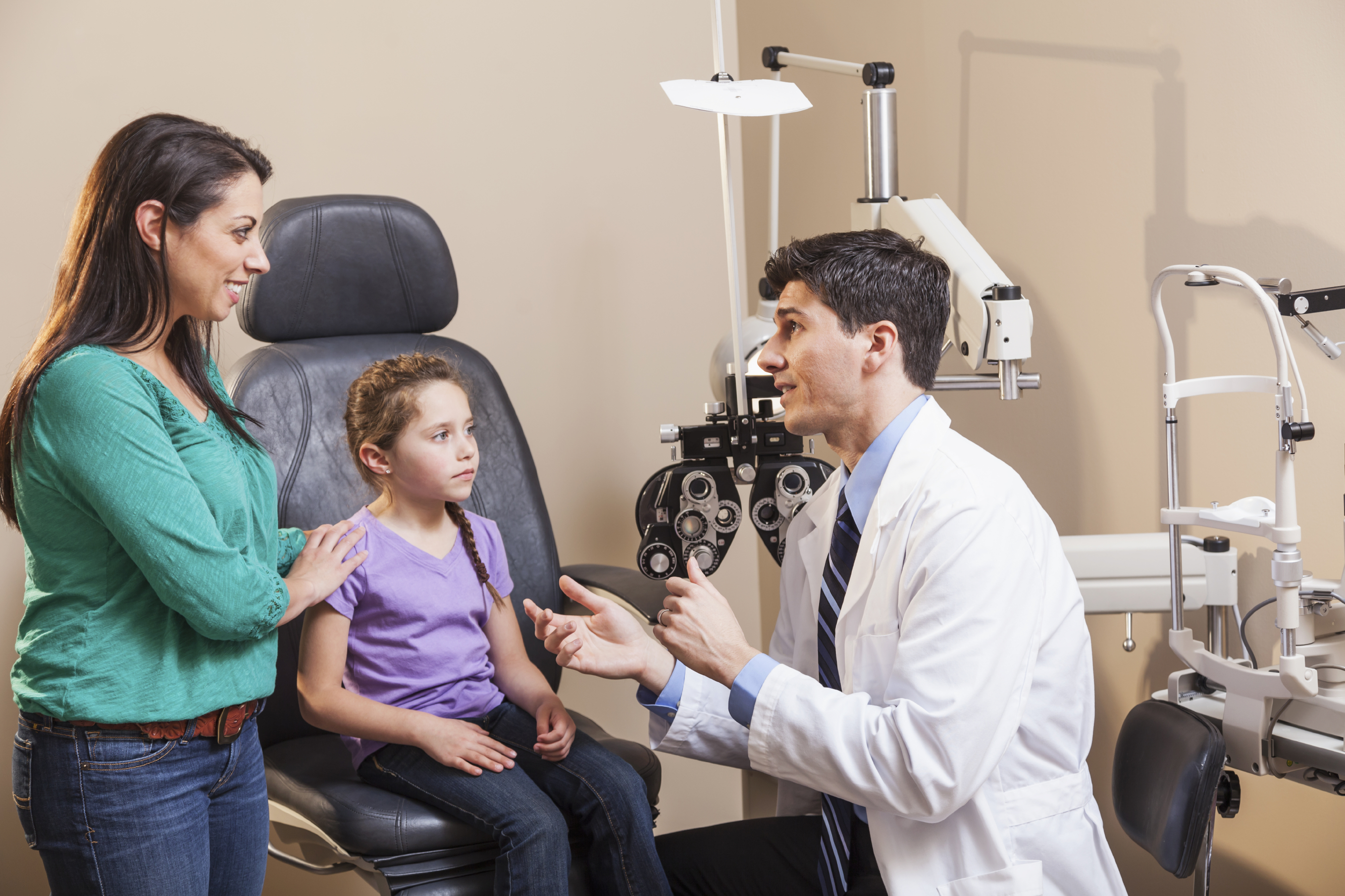
Some people need more visits. This includes those with diabetes, high pressure in the eye, a family history of glaucoma, or past eye injury. Modern exams can measure eye pressure, map the cornea, and scan the retina. These tools help find change before it causes symptoms.
Exercise, sleep, and systemic health links
The eye is part of the body. What helps your heart helps your eyes. Steady exercise boosts blood flow to the retina and optic nerve. It also helps control sugar and pressure. That lowers risk for eye disease.
Sleep is repair time. Poor sleep can make dry eye and twitching worse. Sleep apnea can harm the optic nerve over time. If you snore and feel tired, get checked. Good health habits are an easy win for healthy eyes for life.
Special tips for kids, adults, and seniors
One size does not fit all. Match care to your stage of life.
- For kids:
- Aim for two hours outside most days.
- Keep reading distance at least the length of the forearm.
- Limit long gaming blocks and add movement breaks.
- For busy adults:
- Set a screen break timer.
- Keep spare tears and sunglasses in your bag.
- Use proper eye gear for sports and yard work.
- For seniors:
- Use more light and cut glare when reading.
- Mark steps and edges to prevent falls.
- Keep a list of meds and share it at eye visits.
These age wise tweaks support healthy eyes for life.
Warning signs you should never ignore
Some eye symptoms are red flags. Do not wait them out. Seek care fast.
- A gray curtain or sudden flashes and floaters.
- Sudden blur in one eye or a dark spot in the center.
- Eye pain, halos, nausea, and red eye.
- Double vision that does not go away when you blink.
- Any loss of side vision.
Acting fast can save sight. Quick care is part of healthy eyes for life.
Lessons from the field: small changes, big wins
A teacher had dry, burning eyes by noon. We tweaked her desk setup, added warm lid care, and set a three times a day tear plan. In two weeks, she felt like herself again.
A runner loved noon sun workouts. He got early sun damage on the white of his eyes. We added wrap sunglasses and a hat. The redness and growth stopped.
A teen gamer had rising near sight. We set an outdoors plan after school and a hard stop for screens one hour before bed. Six months later, his vision was stable.
These wins show the power of small steps. They stack up. This is how you build healthy eyes for life.
Frequently Asked Questions of healthy eyes for life
Q. How often should I get an eye exam?
Most healthy adults can go every one to two years. If you have diabetes, glaucoma risk, or symptoms, go more often as advised.
Q. Do blue light glasses protect my eyes?
They can ease strain for some people. They do not prevent disease, but warm screen settings and breaks help comfort.
Q. What vitamins are best for my eyes?
Lutein, zeaxanthin, omega 3s, vitamins A, C, E, and zinc support eye health. Most people can get these from food, and some may need a targeted supplement.
Q. Can screens damage my eyes?
Normal screen use does not cause damage. It can cause strain and dryness, which you can prevent with breaks, blinking, and setup changes.
Q. Are carrots enough for better vision?
Carrots have vitamin A, which helps the surface of the eye. You still need a full mix of foods to support long term eye health.
Q. When should kids get their first eye check?
By age three to five, or sooner if you notice squinting or eye turn. Follow up before first grade and as your doctor advises.
Q. How do I know if I have dry eye?
Common signs include burning, sandy feeling, blur that clears with blinking, and watery eyes. A simple exam can confirm and guide treatment.
Conclusion
Your eyes serve you all day, every day. Small daily steps, smart food, and steady exams can protect them. Build a few habits now, and you can enjoy clear sight longer.
Pick one action today. Book an exam, stock healthy snacks, or set a screen timer. Keep going, and you will move closer to healthy eyes for life. If you found this guide useful, subscribe for more tips or share a question in the comments.