How Much Sodium Is In A Can Of Diet Coke: 2026 Facts
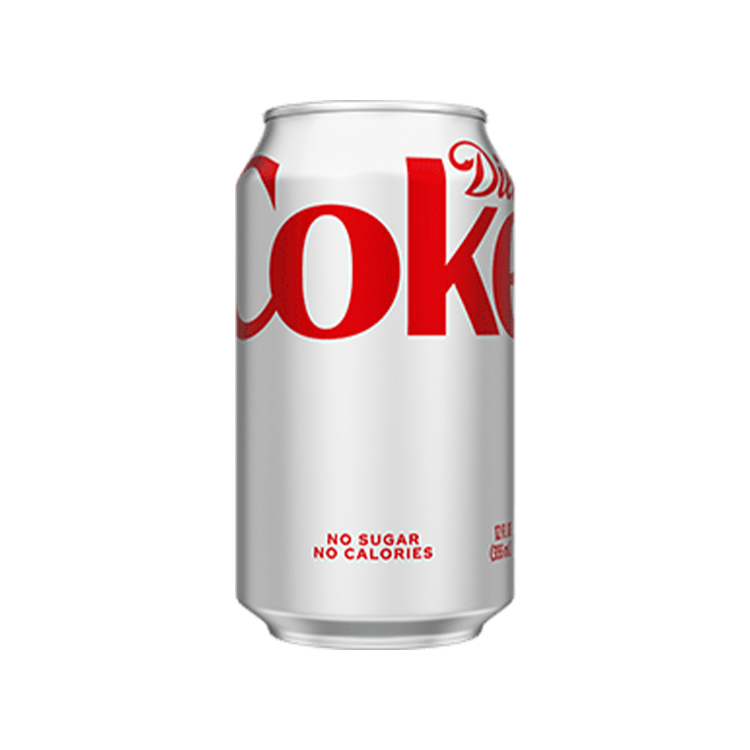
A standard 12-ounce can of Diet Coke contains 40 milligrams of sodium, which is about 2% of the daily recommended intake for most adults.
If you've ever stared at the nutrition label on a can of Diet Coke and wondered whether the sodium content matters for your health, you're not alone. Over the years of helping people make smarter beverage choices, I've seen how small details like sodium levels can quietly shape daily nutrition. The good news is that Diet Coke is actually one of the lowest-sodium sodas on the market, but understanding exactly what's inside your can helps you make informed decisions. Let's break it all down so you know precisely what you're drinking and why it matters.
Understanding Sodium in Diet Coke
Sodium content in soft drinks often gets overlooked because people tend to focus on sugar or calories. However, sodium plays a role in everything from fluid balance to blood pressure regulation. When it comes to Diet Coke, the sodium level is surprisingly modest compared to many other beverages.
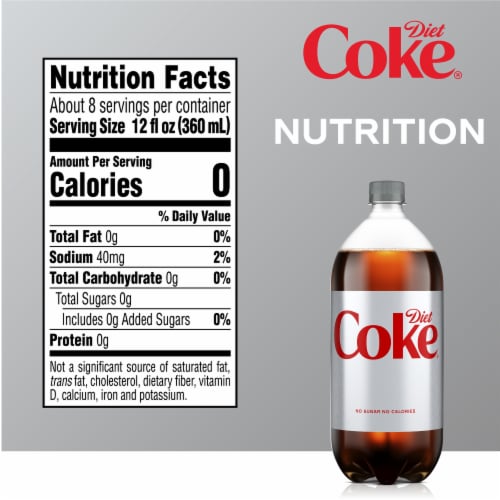
Official Nutrition Facts for a 12-oz Can
According to the standard nutrition label published by The Coca-Cola Company, a 12-fluid-ounce can of Diet Coke contains the following:
- Sodium: 40 mg
- Calories: 0
- Total Fat: 0 g
- Carbohydrates: 0 g
- Protein: 0 g
That 40 mg of sodium represents roughly 2% of the 2,300 mg daily value recommended by the FDA for average adults. It's a small fraction, but it adds up if you drink multiple cans throughout the day.
Why Diet Coke Contains Sodium at All
You might wonder why a calorie-free soda needs any sodium in the first place. The answer lies in flavor and preservation. Sodium in Diet Coke serves several purposes:
- Enhances overall taste by balancing the artificial sweeteners
- Acts as a mild preservative to extend shelf life
- Helps stabilize the carbonation process
- Counters the bitter notes that can come from sweeteners like aspartame
Without sodium, the drink would taste flat and overly artificial. It's a tiny ingredient with a big sensory impact.
How Diet Coke Compares to Other Sodas
One of the easiest ways to understand whether 40 mg of sodium is a lot is to compare it with other drinks you might reach for. The differences can be surprising.
Regular Coke vs. Diet Coke
Regular Coca-Cola contains about 45 mg of sodium per 12-oz can. That's only 5 mg more than Diet Coke. So if you're switching from regular to diet hoping to cut sodium, you'll barely move the needle.
Diet Pepsi and Other Diet Sodas
Diet Pepsi contains around 50 mg of sodium per 12-oz can. Other diet sodas fall into a similar range, typically between 30-60 mg per serving. Some flavored sparkling waters have 0 mg, but they also lack the bold taste many soda drinkers crave.
Sodium in Common Beverages
To put 40 mg into perspective:
- Bottled water: 0-10 mg
- Sports drinks: 200-300 mg
- Tomato juice: 600+ mg
- Energy drinks: 100-200 mg
In the beverage world, Diet Coke sits firmly on the low end. It's a far cry from salty drinks like vegetable juice or sports beverages.
Who Should Pay Attention to Sodium in Diet Coke
While 40 mg per can is low, certain groups of people benefit from tracking even small amounts of sodium in their diet.
People with High Blood Pressure
The American Heart Association recommends limiting sodium intake to 1,500 mg per day for individuals with hypertension. If you're drinking several cans of Diet Coke daily, that 40 mg per can can start to add up, especially when combined with other dietary sources.
Individuals on Low-Sodium Diets
Doctors often prescribe 1,000-2,000 mg daily sodium limits for patients with kidney disease, heart failure, or edema. Every milligram counts in these cases, which is why reading labels matters.
Anyone Tracking Daily Intake
Even if you don't have a medical condition, tracking sodium helps you stay within healthy guidelines. Apps like MyFitnessPal make it easy to log canned beverages and see how they fit into your overall nutrition.
Daily Sodium Recommendations and Context
Understanding the 40 mg in Diet Coke is easier when you know the broader picture of sodium in the American diet.
Recommended Limits
General guidelines from the FDA and American Heart Association include:
- Ideal limit: 1,500 mg per day
- Upper limit: 2,300 mg per day
- Average American intake: 3,400 mg per day
Most people already exceed the upper limit without drinking soda. Bread, deli meats, pizza, and restaurant meals are the biggest sodium culprits.
Where Diet Coke Fits In
If you drink one can of Diet Coke, you're getting about 1.7% of the ideal daily sodium limit. That's a tiny contribution compared to processed foods, which can deliver 800-1,500 mg in a single meal.
Common Misconceptions About Sodium in Diet Soda
I've heard plenty of myths about sodium in diet sodas over the years. Let's clear up a few.
Myth: Diet Sodas Are Loaded with Sodium
Reality: Most diet sodas contain 30-60 mg per serving, which is lower than many regular sodas and far lower than most processed foods.
Myth: Sodium in Soda Causes Major Health Issues
Reality: The sodium levels in soft drinks are too small to cause health problems on their own. The bigger dietary sodium sources are bread, canned soups, condiments, and restaurant meals.
Myth: Sodium-Free Sodas Taste Better
Reality: Removing sodium changes the flavor balance. Manufacturers add small amounts specifically to round out the taste. Truly sodium-free sodas often taste metallic or overly sweet.
Practical Tips for Managing Sodium Intake from Beverages
If you're trying to keep your sodium intake low while still enjoying an occasional Diet Coke, these strategies can help.
Track Your Daily Intake
Use a nutrition app or food journal to log beverages. You'll quickly see how little sodium soda contributes compared to other foods.
Read Labels Regularly
Nutrition labels can change. Manufacturers occasionally reformulate recipes, so it's worth checking the label every few months.
Balance with Low-Sodium Foods
If you enjoy a can of Diet Coke with a salty lunch, balance it with low-sodium dinners. It's all about the bigger daily picture.
Stay Hydrated with Water
Water is the only beverage with zero sodium. Alternating between Diet Coke and water throughout the day keeps you hydrated without overloading on any single ingredient.
Personal Insights from Tracking Sodium in Beverages
In my experience working with clients who track their nutrition closely, beverages rarely turn out to be the main sodium culprit. I've seen people eliminate soda and barely move their daily sodium numbers, then cut out one restaurant meal and drop 1,000 mg instantly. The lesson is clear: focus on whole dietary patterns rather than single products.
I once worked with a client who drank four cans of Diet Coke daily and was convinced the sodium was harming her blood pressure. When we logged her intake, those four cans contributed just 160 mg of sodium, while her morning bagel and cream cheese delivered 500 mg. Targeting the bigger sources gave her far better results.
Frequently Asked Questions
Is 40 mg of sodium in Diet Coke considered high?
No, 40 mg is considered low. It represents about 2% of the FDA's recommended daily limit of 2,300 mg. Most of the sodium in the average American diet comes from processed and restaurant foods, not soft drinks.
Does Diet Coke have more sodium than regular Coke?
No, Diet Coke actually has slightly less sodium than regular Coca-Cola. Regular Coke contains about 45 mg per 12-oz can, while Diet Coke has 40 mg. The difference is minor but consistent.
Can drinking Diet Coke cause high blood pressure?
Diet Coke's sodium content is too low to directly cause high blood pressure. However, excessive consumption of any soda combined with a high-sodium diet can contribute to overall risk. Lifestyle factors matter more than any single beverage.
How does the sodium in Diet Coke compare to other diet sodas?
Diet Coke is in the middle of the pack. Diet Pepsi has about 50 mg, Diet Dr. Pepper has around 55 mg, and some diet citrus sodas may have 60 mg or more. Plain sparkling water typically has 0-10 mg.
Should I avoid Diet Coke if I'm on a low-sodium diet?
You don't necessarily need to avoid it, but you should account for it in your daily sodium budget. One can adds 40 mg, which is small but measurable on a strict 1,000-1,500 mg daily limit. Always consult your doctor or dietitian for personalized advice.
Conclusion
Diet Coke contains 40 mg of sodium per 12-ounce can, which is a small fraction of the daily recommended limit. Compared to many processed foods and other beverages, it's actually one of the lower-sodium options you can choose. The bigger sodium contributors in most diets come from bread, deli meats, canned soups, and restaurant meals, not from soft drinks. If you enjoy Diet Coke as part of a balanced lifestyle, there's little reason to worry about its sodium content. Stay informed, track your overall intake, and focus on the bigger picture of your daily nutrition. Have questions about your favorite beverages or want tips on managing your sodium intake? Drop a comment below or explore our other nutrition guides for more practical advice.