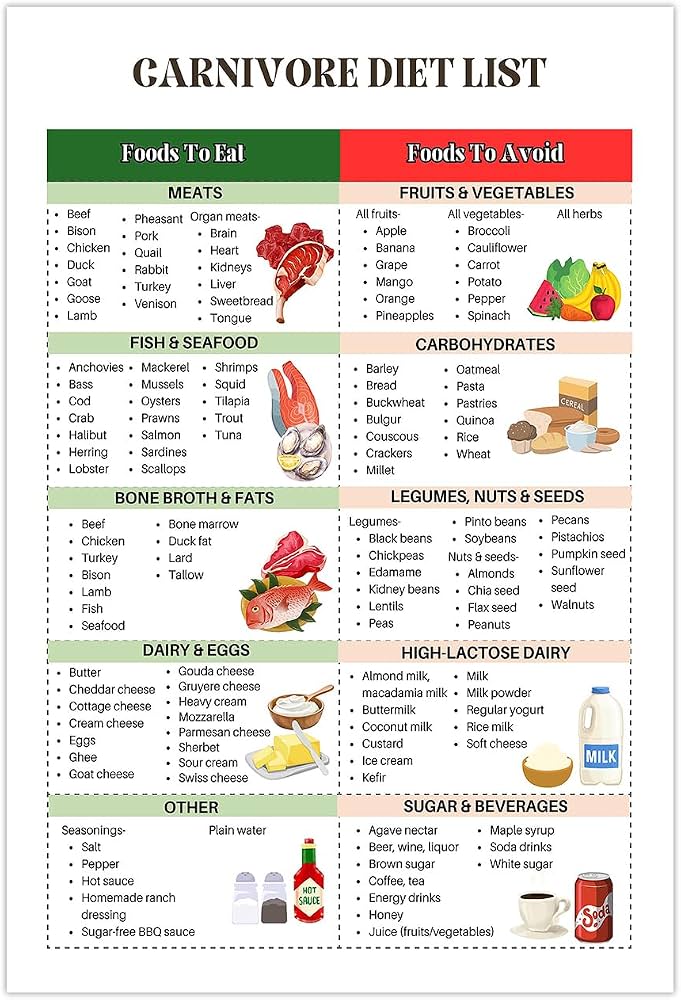
How Many Calories Should I Eat On Carnivore Diet: 2026 Guide
Most people on a carnivore diet need between 2,000 and 3,000 calories a day, but your exact number depends on your age, weight, activity level, and goals. If you've been curious about starting the carnivore diet or you're already deep into it, figuring out how much to eat can feel like guesswork. I've spent years experimenting with different ways of eating, including long stretches of all-meat meals, and I've learned that calories on carnivore aren't just about hitting a number. They shape your energy, sleep, mood, and even how well your body adapts to burning fat for fuel. In this guide, I'll walk you through exactly how to calculate your personal calorie needs, what changes when you cut out carbs, and how to adjust your intake based on whether you want to lose fat, build muscle, or simply feel your best. By the end, you'll have a clear, no-fluff plan you can start using today.

Understanding Calorie Needs on a Carnivore Diet
Calories are the fuel your body runs on, and the carnivore diet changes how that fuel gets burned. When you eat only animal products, your body shifts away from burning glucose and starts running more efficiently on fat and protein. This metabolic shift can actually change how many calories you need each day.
Most adults need somewhere between 1,600 and 3,000 calories daily to maintain their weight, but on carnivore, your baseline might shift slightly. Protein has a much higher thermic effect than carbs or fat, meaning your body burns more calories digesting it. Some research suggests this can raise your daily energy expenditure by a small but meaningful amount.
Your activity level matters more than the diet itself when it comes to calories. A desk worker who walks 5,000 steps a day will need far less than a construction worker or someone who trains hard five times a week. Hormones, sleep quality, and stress also play quiet but powerful roles in how many calories your body actually uses.
The biggest mistake I see people make is assuming that because carnivore is "just meat," calories don't count. They absolutely do. Overeating fatty cuts of beef, butter, and bacon can easily push you into a surplus, which leads to fat gain even on a diet that feels clean and natural.
How to Calculate Your Personal Calorie Target
Finding your number isn't about copying someone else's plan. It's about understanding your own body and lifestyle. Here's a simple step-by-step approach that works for most people.
- Start with your body weight in pounds and multiply by 10 if you're lightly active, 12 if you're moderately active, or 15 if you're very active.
- This gives you a rough maintenance calorie estimate.
- Add or subtract 300 to 500 calories based on whether you want to lose or gain weight.
- Track your weight and energy levels for two to three weeks.
- Adjust up or down by 100 to 200 calories based on real results.
For example, a 180-pound man with a desk job who lifts weights three times a week might multiply 180 by 12, landing around 2,160 calories for maintenance. If he wants to lose fat slowly, he might aim for 1,800 to 1,900 calories. If he wants to build muscle, he'd bump it up to 2,400 or so.
Women typically need fewer calories due to smaller body size and different hormonal profiles. A 140-pound woman who walks daily and does yoga might multiply 140 by 10, giving her about 1,400 maintenance calories. She'd need to add more if she's training hard or trying to build muscle.
Protein is your anchor on carnivore, and it should make up the bulk of your calories. Most people do well with 0.8 to 1.2 grams of protein per pound of body weight. Fat fills in the rest of your calories and keeps you satisfied. Carbs stay very low, usually under 20 grams a day, which forces your body to stay in fat-burning mode.
Factors That Change Your Calorie Needs on Carnivore
Not everyone burns the same number of calories, and the carnivore diet can amplify some of these differences. Here are the main factors that will shape your personal target.
- Activity Level: The more you move, the more you need. Even small walks add up over weeks.
- Muscle Mass: Muscle burns more calories at rest than fat, so leaner people often need more food.
- Age: Metabolism naturally slows with age, so a 50-year-old typically needs fewer calories than a 25-year-old.
- Climate: Living in cold weather can bump up your calorie needs as your body works to stay warm.
- Hormones: Thyroid health, insulin sensitivity, and stress hormones all affect how efficiently you burn fuel.
- Sleep: Poor sleep tanks your metabolism and increases hunger, often leading to overeating.
In my own experience, I noticed I felt best when I ate closer to 2,500 calories on heavy training days and closer to 1,800 on rest days. Cycling calories like this kept my energy stable and helped me avoid the sluggish feeling that comes from eating the same amount every single day.
Common Calorie Goals on the Carnivore Diet
Different people come to carnivore for different reasons, and your calorie goal should match your personal outcome. Here's how most people approach it.
For Fat Loss
- Most people aim for a mild deficit of 300 to 500 calories below maintenance.
- This usually means eating 1,500 to 2,200 calories for women and 2,000 to 2,800 for men.
- Focus on leaner cuts like sirloin, chicken breast, and white fish to keep protein high and fat moderate.
- Expect to lose about half a pound to a pound per week with this approach.
For Muscle Gain
- Eat 200 to 400 calories above maintenance to build muscle without packing on extra fat.
- This often lands between 2,400 and 3,200 calories for most men and 1,800 to 2,400 for women.
- Prioritize protein-rich foods like ribeye, eggs, and salmon.
- Lift heavy and progressively overload your workouts to turn those extra calories into muscle.
For Maintenance and Health
- Eat right at your maintenance calories to feel good and stay healthy.
- Focus on nutrient density with organ meats, fatty fish, and grass-fed beef.
- Most people feel their best when they eat between 2,000 and 2,800 calories on this approach.
- Listen to your hunger cues and adjust based on how your clothes fit and how you feel.
Signs You're Eating Too Many or Too Few Calories
Your body gives you clear signals when your calorie intake is off. Learning to read them is just as important as doing the math.
You might be eating too many calories if:
- You're gaining weight slowly without trying
- You feel sluggish after meals
- You crave more food even when you've eaten enough
- Your clothes feel tighter around your waist
You might be eating too few calories if:
- You're constantly cold, especially in your hands and feet
- Your workouts feel heavy and your strength is dropping
- You feel tired all the time and have brain fog
- You lose your period (for women)
- You feel lightheaded or dizzy when standing up
If you notice these signs, don't ignore them. Adjust your calories by 100 to 200 in the right direction and give your body a week to respond. Small tweaks work better than big changes.
Practical Tips for Hitting Your Calorie Target
Knowing your number is one thing. Actually eating the right amount every day is another. Here are some tips that have helped me and many others stay on track without feeling overwhelmed.
- Eat twice a day instead of six times: Most carnivore eaters do well with two solid meals. This makes hitting your calorie target much easier.
- Use fattier cuts when you need more calories: Ribeye, pork belly, and lamb are calorie-dense and keep you full longer.
- Use leaner cuts when you need fewer calories: Chicken thighs, lean ground beef, and egg whites give you protein without extra fat.
- Track your food for the first month: Even a rough log helps you learn what a day's worth of food actually looks like.
- Listen to your body: Hunger and fullness cues get stronger once you're adapted to carnivore, so trust them over time.
One of the biggest lessons I've learned is that carnivore makes calorie tracking much simpler. There's no hidden sugar in sauces, no mystery oils, and no processed junk. What you see is what you get, and that clarity makes hitting your goals feel almost effortless once you get the hang of it.
Adjusting Calories Based on Your Progress
Your calorie needs aren't set in stone. They change as your body changes, and the smartest carnivore eaters adjust as they go. Here's a simple framework for making changes when you need to.
- If your weight hasn't changed in three weeks and you want to lose fat, drop 200 calories.
- If your weight hasn't changed and you want to gain muscle, add 200 calories.
- If you're losing weight too fast, add 200 calories back.
- If you're gaining weight too fast, cut 200 calories out.
- Reassess every two to four weeks based on real results.
Weight can fluctuate day to day based on water, salt, and digestion, so don't panic over single numbers. Look at weekly averages and trends over a month. That big-picture view will tell you what you really need to know.

Sample Calorie Breakdown for a Day on Carnivore
Sometimes seeing a real example makes everything click. Here's what a typical day might look like for someone eating around 2,300 calories on the carnivore diet.
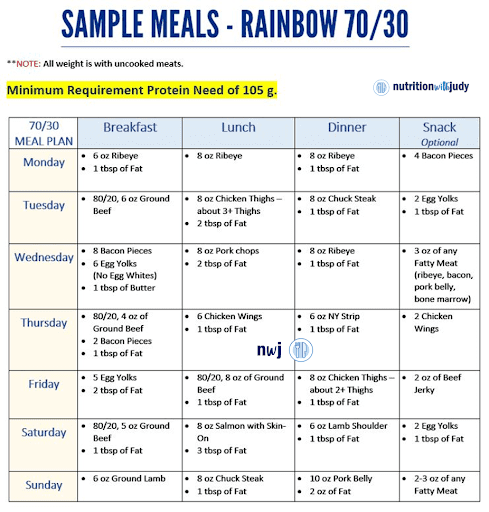
- Breakfast: 3 whole eggs scrambled in butter with 4 ounces of bacon. About 600 calories.
- Lunch: 8 ounces of ribeye steak with a side of 2 hard-boiled eggs. About 900 calories.
- Dinner: 6 ounces of salmon cooked in butter with a small portion of beef liver. About 800 calories.
That comes out to around 2,300 calories with about 180 grams of protein, 160 grams of fat, and almost zero carbs. You could swap the fish for chicken, the ribeye for lamb, or the liver for sardines, and the numbers would stay roughly the same. The key is building your meals around protein first, then adding fat to hit your calorie goal.
Mistakes to Avoid With Calories on Carnivore
Even experienced eaters make these common errors, so don't feel bad if you've stumbled into one or two of them. The good news is they're easy to fix once you know what to look for.
- Eating the same calories every day regardless of activity: Your body needs different fuel on training days versus rest days.
- Ignoring protein and focusing only on fat: Fat is calorie-dense, but protein is what preserves muscle and keeps you satisfied.
- Not adjusting for weight loss: As you lose weight, your calorie needs drop, so your intake should too.
- Assuming calories don't matter because the food is "clean": Clean food still has calories, and excess calories still get stored as fat.
- Eating too few calories out of fear: Severe restriction slows your metabolism and makes long-term success nearly impossible.
I learned this last one the hard way. When I first started carnivore, I was so worried about gaining weight that I ate way too little. My workouts suffered, my sleep got worse, and I felt cold all the time. Once I started eating more to match my activity, everything improved almost overnight.
How Different Macros Change Your Calorie Needs
On carnivore, your macros are mostly protein and fat, but the ratio between them can change how many calories you actually need. Protein has a thermic effect of about 20 to 30 percent, meaning your body burns a chunk of those calories just digesting it. Fat has a thermic effect of only 0 to 3 percent. So if you eat more protein, your body burns more calories processing it.
For fat loss, a higher protein ratio around 70 to 80 percent of calories from protein and 20 to 30 percent from fat can help preserve muscle and keep you full. For maintenance or muscle gain, you might shift to 60 percent protein and 40 percent fat. Some people, especially endurance athletes, do well with even more fat for fuel, sometimes going 50/50 or 40/60 protein to fat.
There's no single perfect ratio, but protein should always be your foundation. The carnivore diet makes this easy because every animal product is a complete protein source with all the essential amino acids your body needs.
Frequently Asked Questions
Do you need to count calories on the carnivore diet?
You don't need to count forever, but tracking for the first month or two is helpful. It teaches you what proper portions look like and helps you figure out your personal baseline. Once you know your hunger and fullness cues, many people naturally eat the right amount without counting.
Is it normal to feel full on fewer calories on carnivore?
Yes, many people find they eat fewer calories naturally on carnivore because protein and fat keep them satisfied longer. You might notice you feel full on 2,000 calories when you used to need 2,500 on a standard diet. This is one of the reasons carnivore can be helpful for fat loss without strict tracking.
How many calories do carnivore athletes eat?
Athletes and very active people often need 3,000 to 4,500 calories a day on carnivore, depending on their sport and body size. Endurance athletes might need even more, especially during heavy training blocks. They usually rely on fattier cuts, organ meats, and extra meals to hit those numbers.
Will eating more calories on carnivore kick me out of ketosis?
Not necessarily. Ketosis is driven by carb restriction, not calorie intake. As long as you keep carbs under 20 grams a day, you can eat more calories and stay in ketosis. However, overeating fat while staying in ketosis can still lead to fat gain over time, so calories still matter.
How long does it take to know your true maintenance calories on carnivore?
Most people need about 4 to 6 weeks of consistent eating and tracking to find their true maintenance level. Your body needs time to adapt to the new way of eating, and water weight fluctuations can hide real fat changes early on. Patience and consistency are key during this adjustment phase.
Conclusion
Figuring out how many calories to eat on the carnivore diet doesn't have to be complicated. Start with a simple calculation based on your body weight and activity level, eat enough protein to protect your muscle, fill in the rest with healthy animal fats, and adjust based on what your body tells you over time. Whether your goal is fat loss, muscle gain, or simply feeling your best, the right calorie target is the one that matches your lifestyle and helps you make steady progress without feeling deprived. The carnivore diet gives you a clear, simple way of eating that makes this easier than almost any other approach. Trust the process, listen to your body, and give yourself a few weeks to dial in your perfect number. If you found this guide helpful, drop a comment below with your experience or questions, and share it with someone who's just starting their carnivore journey.