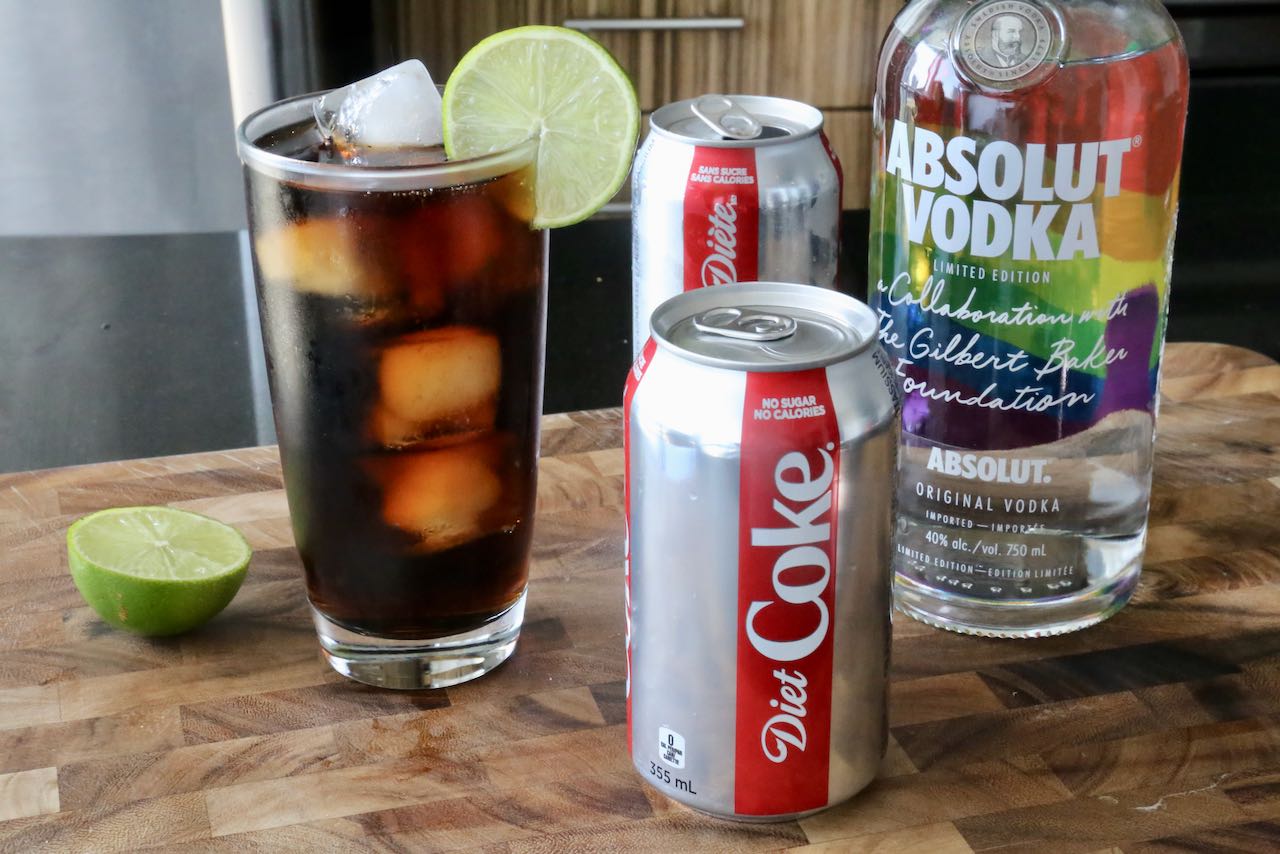
How Many Calories Are In Vodka And Diet Coke: 2026 Guide
A standard 1.5 oz shot of vodka mixed with 12 oz of diet coke contains roughly 96 to 100 calories, almost all coming from the vodka itself since diet coke is calorie-free. If you are watching your weight, counting macros, or simply curious about what goes into your glass, understanding the real calorie cost of this popular cocktail can help you make smarter choices without giving up the drinks you enjoy.
I have spent years helping people balance social drinking with health goals, and one of the first things I teach is that not all mixed drinks are created equal. Some cocktails pack 400 calories or more per serving, while others like vodka and diet coke are among the lightest options you can order. Knowing exactly where your calories are coming from puts you in control, and that is exactly what this guide is here to help you with.
How Many Calories Are in Vodka and Diet Coke by Serving Size
The calorie count in your drink depends on two things: how much vodka you pour and how much diet coke you mix with it. Since diet coke has zero calories, every calorie in your drink comes directly from the vodka.
Standard 1.5 oz Vodka with 12 oz Diet Coke
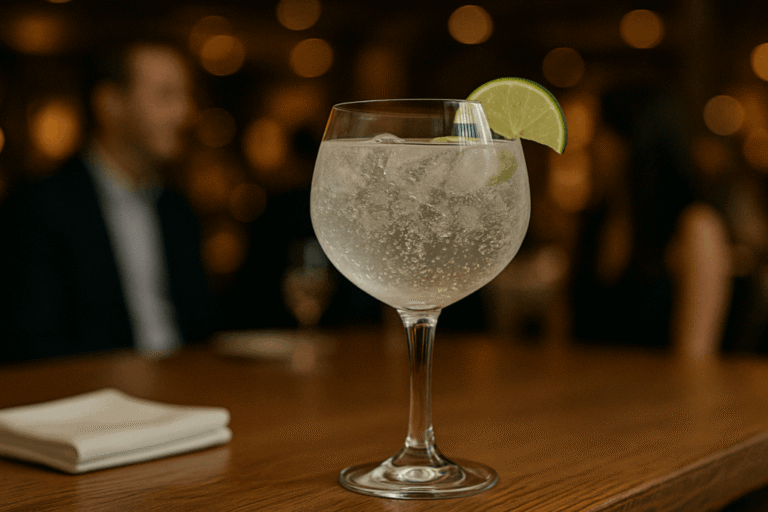
A standard drink in the United States uses 1.5 fluid ounces of 80 proof vodka. This contains about 96 calories. Add 12 ounces of diet coke, and your total comes to roughly 96 calories. This is the most common serving size at bars and restaurants, and it is the one most nutrition trackers use as a baseline.
Double Shot (3 oz) with 12 oz Diet Coke
If you order a stronger drink or pour a generous serving at home, a double shot contains around 192 calories. Combined with diet coke, the total jumps to about 192 calories. This is still relatively low compared to cocktails with sugary mixers, but it adds up quickly if you have more than one.
6 oz Vodka (Large Pour) with 12 oz Diet Coke
Some people prefer a more vodka-forward drink, especially when using diet coke because the lack of sugar allows the alcohol flavor to shine. A 6 oz pour contains around 384 calories. This is roughly equivalent to a small meal, and it is worth being aware of if you are tracking your intake carefully.

Calorie Breakdown: Where Do the Calories Come From
Understanding the source of calories in your drink helps you make better decisions about portion sizes and ingredients.
Calories from Vodka
Vodka is a distilled spirit made from fermented grains or potatoes. During distillation, almost all carbohydrates and sugars are removed, leaving behind a liquid that is mostly ethanol and water. The calorie content of vodka is determined by its alcohol by volume, or ABV. Most vodkas sold in the US are 80 proof, which means 40 percent alcohol. Pure alcohol contains about 7 calories per gram, which is why vodka has calories even though it has no carbs, fat, or sugar.
Here is a quick look at calories per ounce of vodka at different proofs:
- 80 proof vodka contains about 64 calories per ounce
- 90 proof vodka contains about 73 calories per ounce
- 100 proof vodka contains about 82 calories per ounce
Calories from Diet Coke
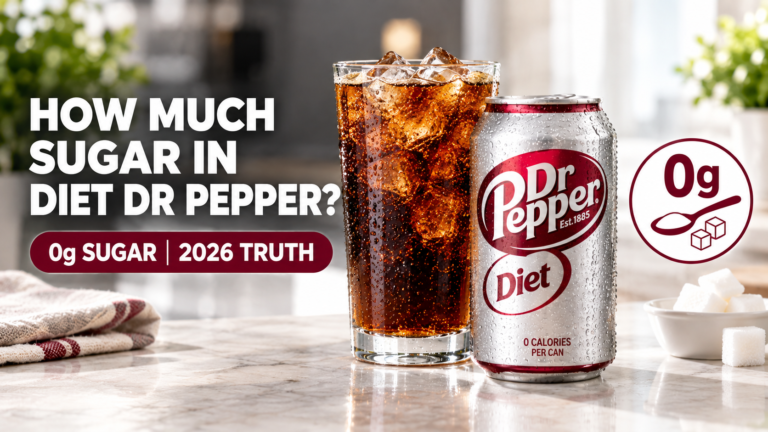
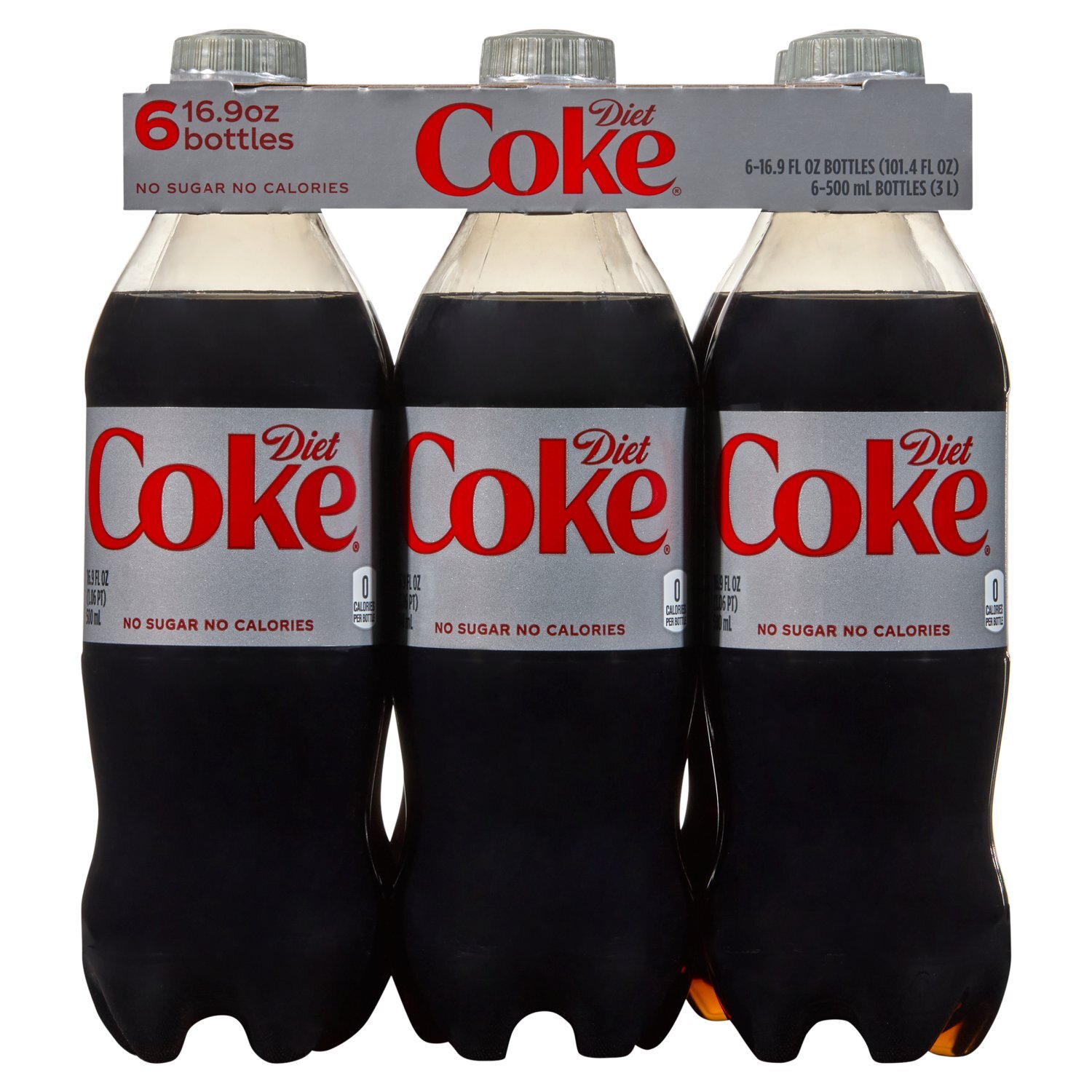
Diet coke is a zero-calorie beverage. It uses artificial sweeteners like aspartame to provide sweetness without the sugar and calories found in regular coke. A 12 oz can contains zero calories, zero sugar, and zero carbohydrates. This makes it one of the most popular mixers for people who want to enjoy cocktails while keeping their calorie intake low.
Total Calorie Math
To calculate the total calories in your drink, you only need to add up the calories from the vodka. For example, a drink with 2 oz of 80 proof vodka and 12 oz of diet coke contains about 128 calories. The diet coke contributes nothing to the total.
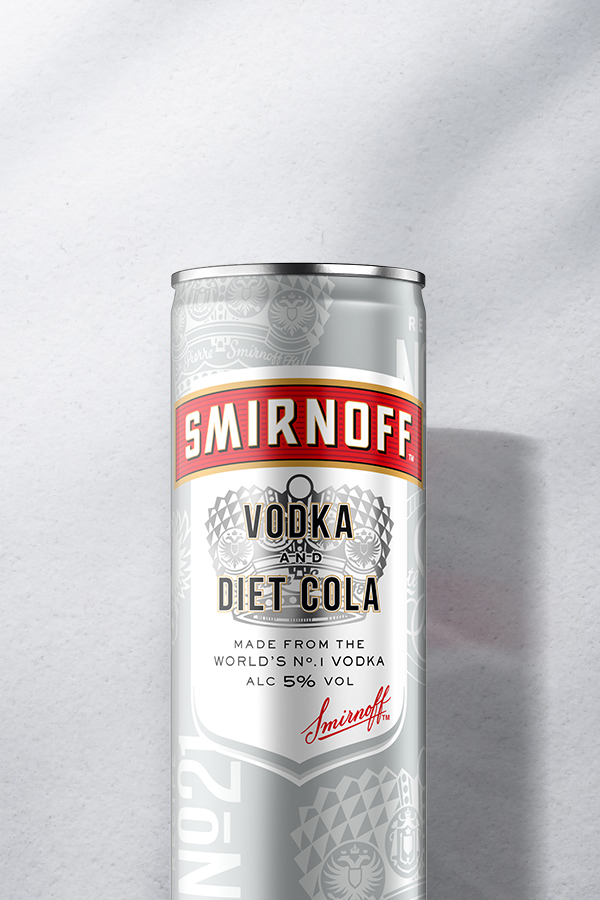
Vodka and Diet Coke vs Other Popular Cocktails
One of the best ways to appreciate how light vodka and diet coke really is, is to compare it with other common drinks. As someone who has worked with clients trying to lose weight while still enjoying nights out, I can tell you this comparison is often an eye-opener.
Vodka and Regular Coke
A vodka and regular coke made with 1.5 oz of vodka and 12 oz of regular coke contains about 197 calories. The regular coke adds around 140 calories of sugar to the drink. That is nearly double the calories of the same drink made with diet coke.
Vodka and Tonic Water
Tonic water is often mistaken for a calorie-free mixer, but it actually contains about 124 calories per 12 oz serving due to its high sugar content. A vodka and tonic made with 1.5 oz of vodka contains roughly 220 calories total.
Vodka and Orange Juice (Screwdriver)
A screwdriver contains 1.5 oz of vodka and 4 oz of orange juice. The orange juice adds about 56 calories, bringing the total to around 152 calories. While this is still moderate, the natural sugars in juice can affect blood sugar levels.
Vodka and Cranberry Juice
A vodka cranberry made with 1.5 oz of vodka and 4 oz of cranberry juice cocktail contains about 180 calories. Cranberry juice cocktail is loaded with added sugar, making it a much higher-calorie option than vodka and diet coke.
Martini
A classic martini made with 2.5 oz of gin or vodka and a splash of dry vermouth contains about 156 calories. There is no mixer, so the calories come purely from the alcohol content.
Margarita
A typical margarita made with 2 oz of tequila, 1 oz of triple sec, and 1 oz of lime juice contains about 270 to 300 calories. The triple sec and sweetened lime juice make it one of the higher-calorie cocktails you can order.
As you can see, vodka and diet coke is one of the lowest-calorie cocktails you can choose. It ranks right alongside a straight vodka on the rocks or a vodka soda in terms of calorie density.
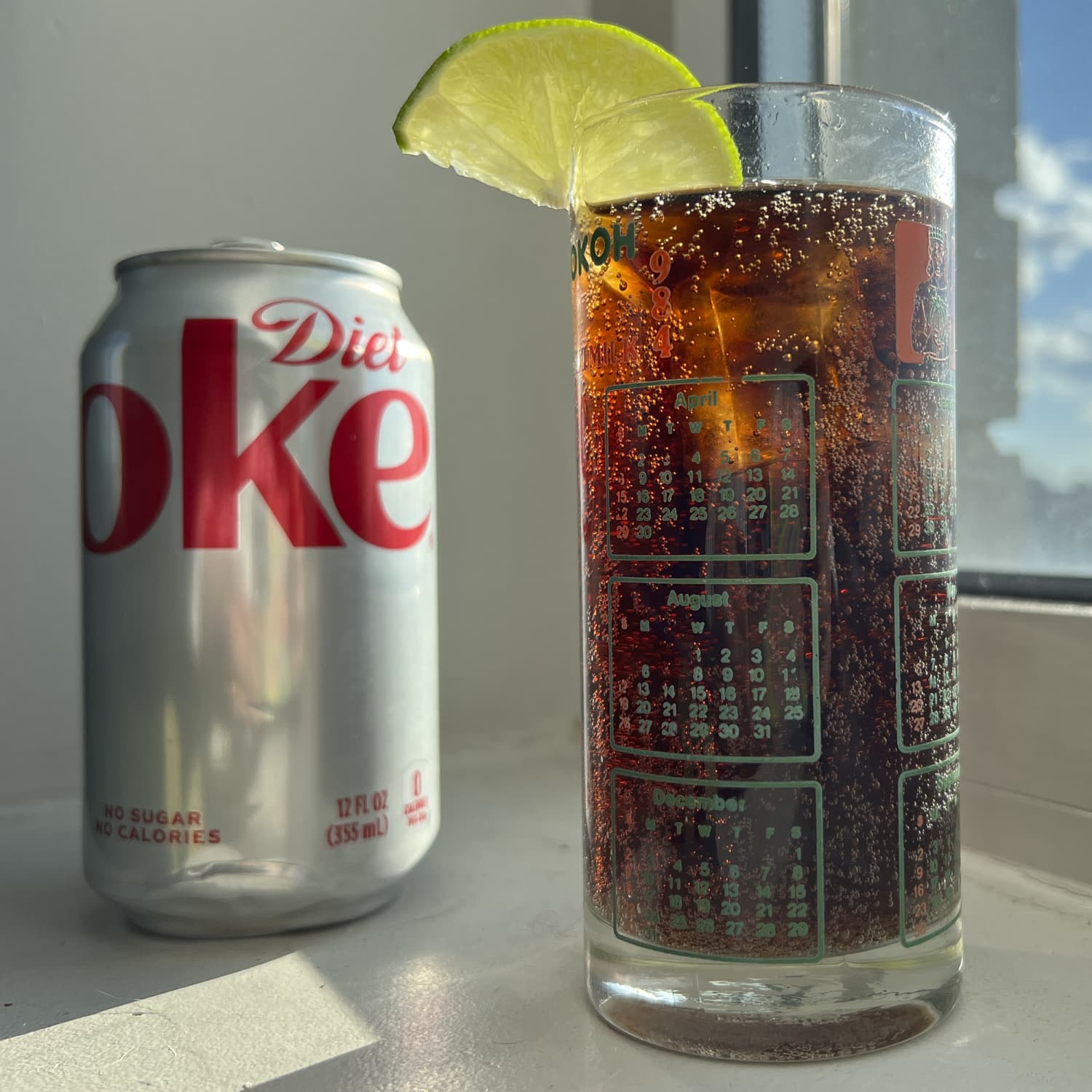
Does Vodka and Diet Coke Fit Into a Weight Loss Diet
This is a question I get all the time from clients who do not want to give up social drinking while working toward their fitness goals. The short answer is yes, it can fit, but there are some important things to keep in mind.
The Calorie Reality
At around 96 calories per standard drink, vodka and diet coke is one of the most diet-friendly alcoholic beverages. If you are on a 1,500 calorie diet, one drink takes up about 6 percent of your daily intake. Two drinks take up about 13 percent. That is manageable for most people, especially if you account for it in your meal planning.
The Alcohol Factor
Calories from alcohol are processed differently than calories from food. Your body prioritizes burning alcohol for energy, which means it pauses fat burning while it processes the alcohol. This can slow down your weight loss progress, even when the calorie count is low. I have seen clients who eat perfectly all day but stall on the scale because they drink four or five vodka and diet cokes every weekend.
The Appetite Effect
Alcohol tends to lower your inhibitions and increase appetite. This is why people often crave pizza, burgers, or snacks after a few drinks. Even though your drink is low in calories, the food you eat alongside it can quickly erase your deficit.
The Hydration Factor
Alcohol is a diuretic, which means it causes your body to lose more water than it takes in. Dehydration can make you feel tired, sluggish, and bloated, all of which can affect your workout performance and recovery. Drinking a glass of water between each alcoholic drink is one of the best habits you can build.
Practical Tips for Drinking on a Diet
If you want to enjoy vodka and diet coke while staying on track, here are some strategies that have worked for my clients:
- Measure your pours at home so you know exactly how much vodka you are using
- Alternate each alcoholic drink with a full glass of water
- Eat a protein-rich meal before drinking to slow alcohol absorption and reduce cravings
- Set a limit before you start drinking, and stick to it
- Choose diet coke or other zero-calorie mixers to keep your drink as light as possible
- Avoid drinking every night of the week, even if the calories seem low

Does the Type of Vodka Change the Calorie Count
Not really, but there are some small differences worth knowing about.
Standard 80 Proof Vodka
Most brands like Smirnoff, Absolut, Tito's, and Grey Goose offer 80 proof versions. At 40 percent ABV, they all contain roughly 64 calories per ounce. The source of the vodka, whether it is grain, potato, or corn, does not significantly affect the calorie count because the distillation process removes most of the original ingredients.
Higher Proof Vodka
Vodkas with higher alcohol content contain more calories per ounce. For example, 100 proof vodka has about 82 calories per ounce, which is about 28 percent more than 80 proof. If you prefer high-proof vodka, you should account for the extra calories in your tracking.
Flavored Vodka
Flavored vodkas are usually 60 to 70 proof, which means they contain slightly fewer calories per ounce than 80 proof vodka. However, they often have added sugars that can bump the calorie count back up. A 1.5 oz shot of flavored vodka typically contains 70 to 90 calories. The difference is small, but it is worth checking the label if you are tracking precisely.
Premium vs Budget Vodka
The price of vodka has very little to do with its calorie content. A 1.5 oz shot of a premium vodka like Belvedere or Grey Goose contains the same number of calories as a budget brand like Kirkland or Popov. The taste may differ, but the nutritional impact is the same.
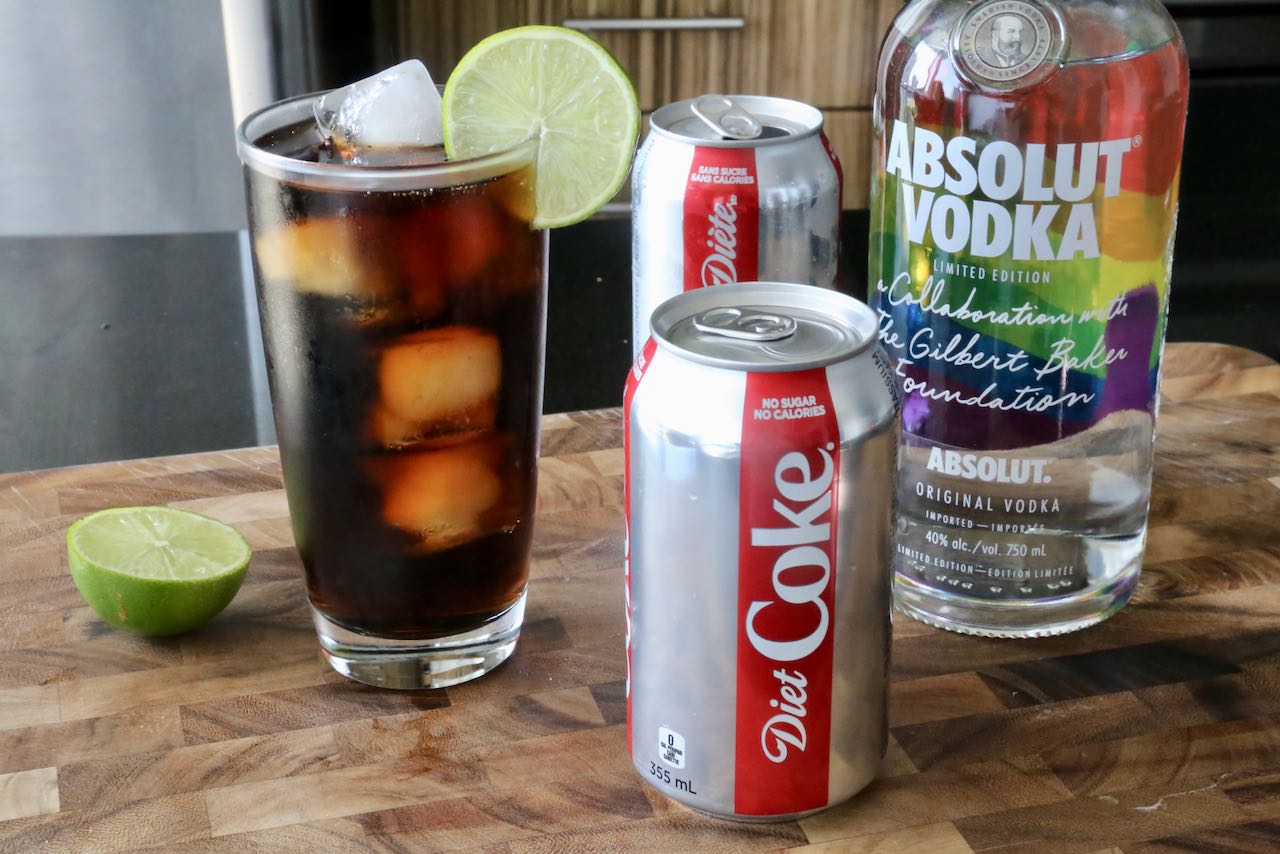
Common Mistakes People Make When Counting Calories in Vodka and Diet Coke
Over the years, I have noticed a few recurring mistakes that people make when tracking their drink calories. Avoiding these can save you hundreds of calories per week without changing much else.
Underestimating the Pour Size
One of the biggest mistakes is not measuring the actual amount of vodka you pour at home. A free pour can easily be 2 to 3 ounces, even if you think it is 1.5. That extra half ounce adds about 32 calories per drink, and over the course of a night, it adds up fast. Using a jigger or a measured shot glass is a simple fix.
Forgetting About Multiple Drinks
A single vodka and diet coke is low in calories, but five or six of them adds up to nearly 600 calories, plus the metabolic effects of that much alcohol. People often focus on individual drinks and forget to count the total.
Not Accounting for Limes or Garnishes
Adding a lime wedge to your drink adds about 1 to 2 calories. This is negligible on its own, but it is a good habit to track everything you consume, even small items.
Mixing in Other Ingredients
Some recipes for vodka and diet coke call for adding a splash of cranberry juice, a splash of grenadine, or a flavored syrup. These additions can add 20 to 60 calories per drink without you realizing it. If you are ordering at a bar, ask what goes into your drink and how much of each ingredient is used.
Ignoring the Day After
Alcohol affects your sleep, your recovery, and your food choices the next day. Even if your drink is low in calories, the poor sleep and increased hunger can lead to overeating the following day. I always remind my clients to plan for the full impact of drinking, not just the drink itself.

How to Make a Lower Calorie Vodka and Diet Coke at Home
Making your drink at home gives you full control over what goes into it. Here are a few tips to keep your drink as light as possible while still tasting great.
Measure Your Vodka
Use a shot glass or jigger to pour exactly 1.5 oz of vodka. This is the standard serving size and the easiest way to keep your calories in check. If you prefer a lighter drink, you can use 1 oz and top with more diet coke.
Use Plenty of Ice
Ice is your best friend when making a low-calorie cocktail. It fills up the glass, keeps your drink cold, and slows you down because you have to sip through the ice. A tall glass with lots of ice naturally encourages smaller sips and longer drink times.
Add Fresh Lime
A squeeze of fresh lime juice adds about 1 to 2 calories and gives your drink a bright, fresh flavor. It also makes the drink feel more interesting without adding any significant calories.
Choose Quality Diet Coke
Some people prefer Diet Coke, while others prefer Coke Zero or Diet Pepsi. All of these are calorie-free, so the choice comes down to taste. Coke Zero is often described as tasting more like regular coke, while Diet Coke has a lighter, crisper flavor. Pick whichever one you enjoy most, since that is the one you will drink more slowly and savor.
Skip the Flavored Syrups
Many bartenders and home drinkers add flavored syrups to their vodka and diet coke for variety. While these taste good, they can add 50 to 100 calories per pump. If you want flavor without the calories, try adding a few muddled mint leaves, a splash of club soda, or a few drops of bitters instead.
What Happens in Your Body When You Drink Vodka and Diet Coke
Understanding what happens physiologically when you drink vodka and diet coke can help you make more informed decisions. This is something I wish more people understood, because it goes far beyond the calorie count.
Absorption
When you drink vodka and diet coke, the alcohol is absorbed into your bloodstream through the stomach and small intestine. Unlike food, alcohol does not need to be digested, so it enters your system quickly. You typically start feeling the effects within 10 to 30 minutes. The diet coke does not slow absorption significantly, but having food in your stomach does.
Blood Sugar Response
Diet coke contains artificial sweeteners, which do not raise blood sugar levels. However, alcohol can affect blood sugar in complex ways. Your liver prioritizes processing alcohol over maintaining stable blood sugar, which can lead to low blood sugar several hours after drinking. This is why it is important to eat a balanced meal before or while drinking, especially if you have diabetes or other blood sugar concerns.
Brain Effects
Alcohol affects the brain by enhancing the effects of GABA, a calming neurotransmitter, and suppressing glutamate, an exciting neurotransmitter. This is what causes the relaxed, social feeling that many people associate with drinking. Over time, regular heavy drinking can change the brain's chemistry and lead to dependence, which is why moderation is so important even with a low-calorie drink like vodka and diet coke.
Sleep Impact
While alcohol may help you fall asleep faster, it disrupts your sleep cycle, particularly the REM stage. This is why you often wake up feeling tired after a night of drinking, even if you slept for eight hours. Poor sleep affects your appetite, your mood, and your ability to make healthy food choices the next day.
Dehydration
Alcohol is a diuretic, meaning it makes you urinate more frequently. This can lead to dehydration, which causes headaches, dry mouth, and fatigue. Drinking water between each alcoholic beverage is the simplest way to prevent this.
Is Vodka and Diet Coke a Good Choice for Diabetics
Many people with diabetes choose vodka and diet coke because it does not contain sugar or carbohydrates. While it is a better option than drinks mixed with regular soda or juice, there are still some considerations.
Sugar Content
Diet coke contains zero sugar, and vodka contains zero sugar. From a carbohydrate and sugar standpoint, vodka and diet coke is one of the safest mixed drinks for people with diabetes. However, alcohol itself can cause blood sugar to drop, especially if you are taking insulin or other diabetes medications. It is important to monitor your blood sugar levels and eat food while drinking.
Artificial Sweeteners
The artificial sweeteners in diet coke, such as aspartame, do not raise blood sugar levels. However, some studies suggest that artificial sweeteners may affect insulin sensitivity and gut health over time. The research is still evolving, and most health organizations consider diet sodas safe for people with diabetes when consumed in moderation.
Best Practices for Diabetics
If you have diabetes and want to enjoy vodka and diet coke, here are some tips:
- Always drink with food, never on an empty stomach
- Monitor your blood sugar before, during, and after drinking
- Limit yourself to one or two drinks
- Stay hydrated by drinking water between each alcoholic beverage
- Talk to your doctor about how alcohol interacts with your specific medications
Frequently Asked Questions
Does diet coke have any calories at all
No, diet coke is completely calorie-free. It uses artificial sweeteners like aspartame to provide a sweet taste without the calories or sugar found in regular coke. A 12 oz can of diet coke contains zero calories, making it a popular mixer for people who want to enjoy cocktails without adding extra calories.
How many calories are in a vodka and diet coke compared to vodka and soda water
Both drinks contain roughly the same number of calories, around 96 to 100 calories for a standard 1.5 oz pour. The difference is that soda water and diet coke are both calorie-free mixers, so the total calorie count depends only on the amount of vodka you use. The main difference is taste, as diet coke adds sweetness and flavor while soda water keeps the drink clean and neutral.
Will vodka and diet coke make you gain weight
It can, depending on how much you drink and what else you eat. A single vodka and diet coke is low in calories and unlikely to cause weight gain on its own. However, drinking multiple drinks, making poor food choices while drinking, and the metabolic effects of alcohol on fat burning can all contribute to weight gain over time. Moderation is key.
Is vodka and diet coke better than wine for weight loss
In terms of pure calorie count, vodka and diet coke is generally lower than most wines. A 5 oz glass of wine contains about 120 to 130 calories, while a vodka and diet coke with 1.5 oz of vodka contains about 96 calories. However, both can fit into a weight loss plan when consumed in moderation, and there are other health considerations beyond calories, such as antioxidants in wine and the effect of alcohol on sleep and recovery.
Can you drink vodka and diet coke on a keto diet
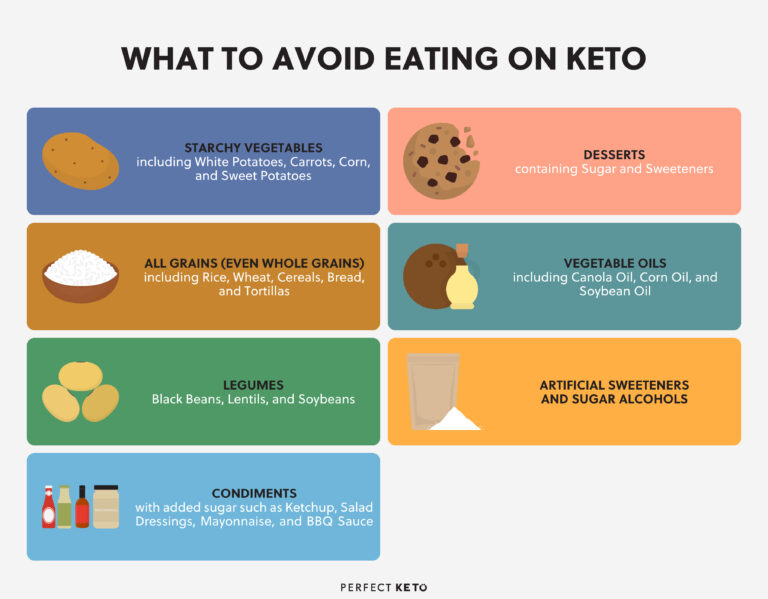
Yes, vodka and diet coke can fit into a ketogenic diet because both ingredients are low in carbohydrates. Vodka contains zero carbs, and diet coke contains zero carbs. However, alcohol can affect ketone production and fat burning, so some keto dieters choose to limit their alcohol intake during the early stages of the diet. Once you are in ketosis, an occasional vodka and diet coke is one of the most keto-friendly cocktail options available.
Summary of Calorie Counts at a Glance
Here is a quick reference table for the calorie content of vodka and diet coke at different pour sizes:
- 1 oz vodka plus 12 oz diet coke: approximately 64 calories
- 1.5 oz vodka plus 12 oz diet coke: approximately 96 calories
- 2 oz vodka plus 12 oz diet coke: approximately 128 calories
- 3 oz vodka plus 12 oz diet coke: approximately 192 calories
- 6 oz vodka plus 12 oz diet coke: approximately 384 calories
Final Thoughts
Vodka and diet coke is one of the most calorie-friendly cocktails you can choose, with a standard serving containing only about 96 to 100 calories. The diet coke contributes nothing to the total, so your calorie count is entirely based on how much vodka you pour. Compared to other mixed drinks, it is significantly lighter than anything made with regular soda, juice, or sweet mixers, and it can fit into most diet plans, including low-carb and keto eating styles, when consumed in moderation.
That said, the calories in your drink are only part of the picture. Alcohol affects your sleep, your recovery, your appetite, and your body's ability to burn fat, so even a low-calorie cocktail can slow your progress if you overdo it. The best approach is to measure your pours, set a reasonable limit, drink water between each alcoholic beverage, and eat a balanced meal before you start drinking. These small habits can make a big difference in how you feel and how your body responds.
If you found this guide helpful, feel free to share it with a friend who is trying to enjoy drinks without derailing their goals. And if you have your own tips or experiences with tracking calories in cocktails, drop a comment below. I would love to hear what has worked for you.