How Do I Add Fiber to My Dogs Diet: Best 2026 Guide
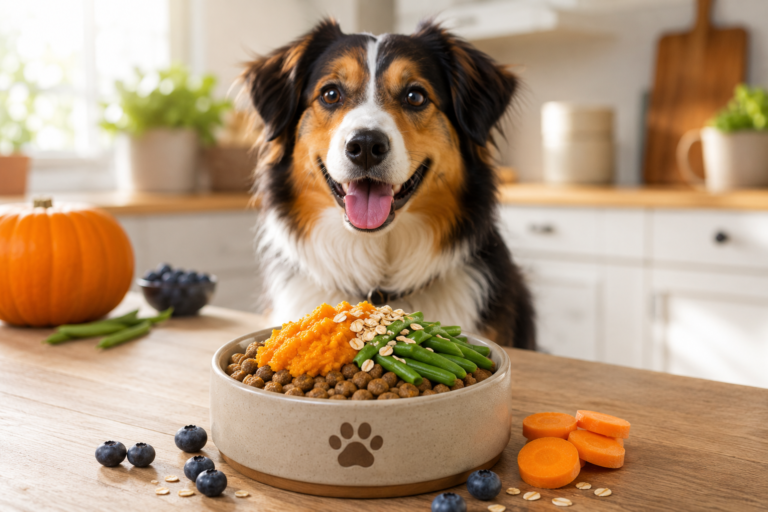
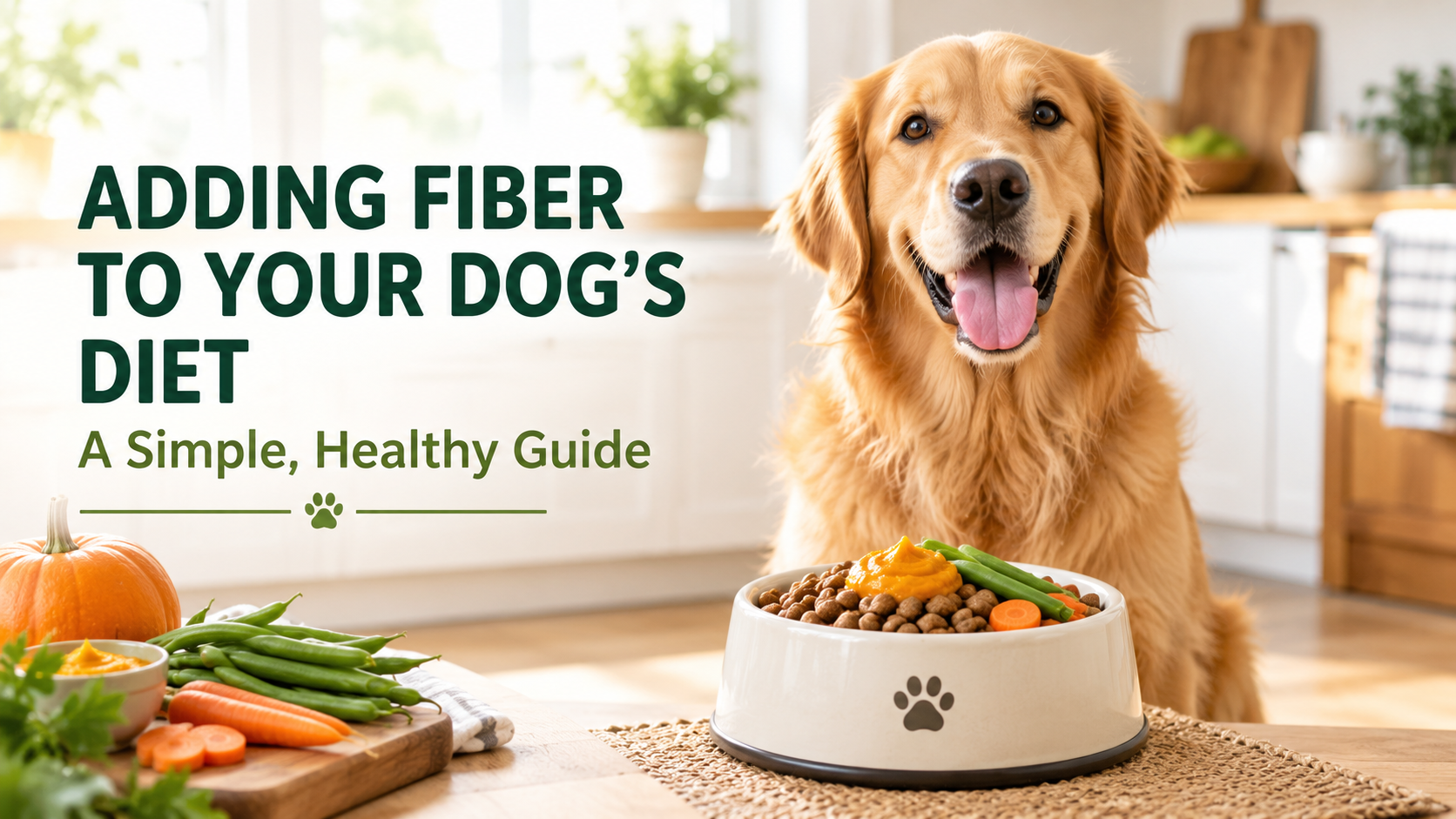
Adding fiber to your dog's diet is simple: mix in fiber-rich foods like pumpkin, sweet potatoes, green beans, or psyllium husk, and adjust portions gradually to support healthy digestion.
If you've ever watched your dog struggle with loose stools, constipation, or just a sluggish gut, you already know how important digestion is to their overall happiness. Fiber plays a huge role in keeping things moving smoothly, balancing gut bacteria, and even helping your pup feel full between meals. Over the years of working with dogs and learning from veterinarians and nutritionists, I've seen firsthand how the right amount of fiber can transform a dog's energy, stool quality, and even coat health. In this guide, I'll walk you through everything you need to know about adding fiber to your dog's diet safely and effectively, so you can feel confident you're doing right by your furry friend.

Why Fiber Matters for Dogs
Fiber isn't just filler. It plays a real role in your dog's digestive health and overall well-being. Think of fiber as the broom that sweeps through your dog's intestines, keeping everything clean and functioning properly.
Here are the main benefits dogs get from adequate fiber:
- Improves stool quality and consistency
- Supports healthy gut bacteria
- Helps with weight management by promoting fullness
- Regulates blood sugar levels
- Reduces the risk of constipation and diarrhea
- Supports colon health
There are two main types of fiber to know about. Soluble fiber dissolves in water and forms a gel-like substance that slows digestion. Insoluble fiber doesn't dissolve and adds bulk to stool, helping it pass more easily. Most dogs benefit from a mix of both.
Signs Your Dog Might Need More Fiber
Before adding anything new to your dog's diet, it's smart to recognize the signs that fiber might be lacking. Dogs are good at hiding discomfort, but their bodies often give clear signals.
Watch for these common signs:
- Irregular stools (too soft, too hard, or inconsistent)
- Frequent constipation or straining
- Loose stools that last more than a day or two
- Excessive gas or bloating
- Trouble maintaining a healthy weight
- Anal gland issues
A few years ago, I fostered a senior Beagle named Cooper who had chronic soft stools. After adding a small amount of cooked pumpkin to his meals, the change was almost immediate. Within three days, his stools firmed up, and he seemed more comfortable and energetic.
Best High-Fiber Foods for Dogs
The easiest and safest way to boost fiber in your dog's diet is through whole foods. Most of these are things you probably already have in your kitchen.
Pumpkin
Plain, cooked pumpkin is one of the most popular fiber sources for dogs. It's rich in soluble fiber and easy on the stomach. Just make sure it's pure pumpkin, not pumpkin pie filling.
Sweet Potatoes
Cooked and mashed sweet potatoes are packed with fiber, vitamins, and antioxidants. Dogs love the natural sweetness, and it's gentle on the digestive system.
Green Beans
Fresh or frozen green beans (plain, no salt or seasoning) are a great low-calorie fiber source. They're perfect for dogs who need to lose a little weight.
Carrots
Raw or cooked carrots provide insoluble fiber and a satisfying crunch. They also help with dental health by gently scraping plaque off teeth.
Apples
Sliced apples (without seeds or core) offer fiber and a hint of natural sweetness. Most dogs enjoy them as a crunchy treat.
Psyllium Husk
This is a concentrated source of soluble fiber. A small amount mixed into food can work wonders for dogs with chronic digestive issues, but it should be introduced slowly.
Flaxseed
Ground flaxseed is a powerhouse of fiber and omega-3 fatty acids. It supports digestion, skin, and coat health all at once.
How Much Fiber Does Your Dog Need?
The right amount of fiber depends on your dog's size, age, breed, and health status. A general guideline is that fiber should make up about 2 to 5 percent of your dog's total daily diet.
Here's a simple breakdown by dog size:
- Small dogs (under 20 pounds): 1 to 2 teaspoons of fiber-rich food per meal
- Medium dogs (20 to 50 pounds): 1 to 2 tablespoons per meal
- Large dogs (over 50 pounds): 2 to 4 tablespoons per meal
These are starting points, not strict rules. Every dog is different, and too much fiber too fast can cause gas, bloating, or loose stools. Always start small and increase gradually.
How to Add Fiber to Your Dog's Diet Safely
Adding fiber to your dog's meals doesn't have to be complicated. The key is to go slow, stay consistent, and watch how your dog responds.
Follow these steps for the best results:
- Start with a small amount, about a teaspoon for small dogs or a tablespoon for larger dogs.
- Mix the fiber source thoroughly into their regular food.
- Monitor stool quality for two to three days.
- If stools are still too soft or too hard, slightly adjust the amount.
- Once you find the right balance, stick with it daily for best results.
From my own experience, I've learned that patience is everything. When I first added pumpkin to my dog's food, I was tempted to give a big scoop right away. That led to a gassy pup and a lesson learned. A teaspoon at a time is the way to go.

Foods to Avoid When Adding Fiber
Not everything that looks healthy is safe for dogs. Some high-fiber foods contain ingredients that can upset their stomachs or even be toxic.
Avoid these common mistakes:
- Onions and garlic (toxic to dogs)
- Grapes and raisins (toxic to dogs)
- Avocado (contains persin, which is harmful in large amounts)
- Chocolate or sugary treats marketed as "fiber bars"
- Canned pumpkin pie filling (contains sugar and spices)
- High-fiber cereals with artificial sweeteners like xylitol
Always stick to plain, unseasoned, dog-safe ingredients. If you're ever unsure about a food, check with your vet before offering it.
Fiber Supplements for Dogs
Sometimes whole foods aren't enough, especially for dogs with chronic digestive issues. In those cases, a fiber supplement designed specifically for dogs can be helpful.
Common options include:
- Psyllium husk capsules (plain, no additives)
- Powdered fiber supplements made for dogs
- Vet-recommended digestive support formulas
- Canned pumpkin (in moderation)
Supplements can be convenient, but they should never replace a balanced diet. Use them as a boost, not a foundation. I've found that combining a small amount of supplement with whole food fiber sources gives the best results for picky eaters.
Common Mistakes to Avoid
Even with the best intentions, it's easy to make mistakes when adjusting your dog's fiber intake. Here are the most common pitfalls I see:
- Adding too much fiber too quickly
- Using fiber as a replacement for veterinary care
- Ignoring other signs of digestive trouble
- Switching foods suddenly along with adding fiber
- Not drinking enough water (fiber needs water to work properly)
Fiber pulls water into the stool, so make sure your dog always has access to fresh, clean water. Without enough hydration, fiber can actually make constipation worse.
When to Talk to Your Veterinarian
While adding fiber to your dog's diet is generally safe, there are times when a vet visit is essential. If your dog has ongoing digestive issues, sudden weight loss, blood in stool, or a major change in appetite, don't try to fix it with fiber alone. These could be signs of a more serious issue that needs professional attention.
Your vet can also help you figure out the exact type and amount of fiber your dog needs based on their health history and current condition. In my experience, the best results always come from combining at-home care with professional guidance.
Personal Tips from Real Experience
Over the years, I've tried just about every fiber source out there, and I've learned a few things the hard way. Here are my top tips:
- Plain canned pumpkin is your best friend, but stick to 100% pumpkin with no added sugar.
- Green beans are perfect for overweight dogs because they're filling but very low in calories.
- Don't forget to count fiber-rich veggies as part of your dog's daily calorie intake, especially if they're watching their weight.
- Always introduce one new food at a time so you can spot any allergies or sensitivities.
- Keep a simple journal of what you feed and how your dog's stool looks. It helps more than you'd think.
I once had a dog who turned his nose up at pumpkin but loved green beans. Every dog is different, so don't be afraid to experiment within safe guidelines.
Final Thoughts on Adding Fiber to Your Dog's Diet
Adding fiber to your dog's diet is one of the simplest and most effective ways to support their digestive health, energy, and overall well-being. Whether you choose pumpkin, green beans, sweet potatoes, or a vet-approved supplement, the key is to start slow, stay consistent, and pay attention to how your dog responds. A small change in their diet can make a big difference in their comfort and happiness, and once you find the right balance, you'll likely notice improvements in their stool quality, energy levels, and even their mood. Trust the process, be patient, and don't hesitate to reach out to your vet if anything feels off.
Frequently Asked Questions
Can I give my dog fiber every day?
Yes, dogs can have fiber-rich foods daily as long as the amount is appropriate for their size and the fiber is introduced gradually. Consistent daily fiber helps maintain regular digestion and stool quality.
Is pumpkin good for dogs with diarrhea?
Plain canned pumpkin is often recommended for dogs with mild diarrhea because of its high soluble fiber content, which helps firm up stools. However, if diarrhea lasts more than 24 hours, it's best to consult your vet.
How long does it take for fiber to work in dogs?
Most dogs show improvement in stool quality within one to three days of adding fiber to their diet. If you don't notice a change after a few days, you may need to adjust the amount or try a different fiber source.
Can too much fiber harm my dog?
Yes, too much fiber can cause gas, bloating, and loose stools. It can also interfere with nutrient absorption if overfed. Always stick to recommended amounts and increase gradually.
Should I use fiber supplements or whole foods?
Whole foods are generally preferred because they provide additional nutrients and are more natural. However, supplements can be useful in specific cases, especially for dogs with chronic digestive issues, under veterinary guidance.
Conclusion
Adding fiber to your dog's diet doesn't have to be complicated. With a few simple, dog-safe ingredients like pumpkin, green beans, or sweet potatoes, you can support your pup's digestion, weight, and overall health in a natural way. Start with small portions, watch how your dog responds, and adjust as needed. Every dog is unique, so what works for one might not work for another, but with a little patience and the right approach, you'll find the perfect balance. Your dog depends on you to make the best choices for their health, and adding the right kind of fiber is one of the easiest, most rewarding steps you can take. Start today, stay consistent, and enjoy the happy, healthy results that come from a well-fed, well-cared-for pup.