How Much Sugar Is In A Diet Mountain Dew: 2026 Truth
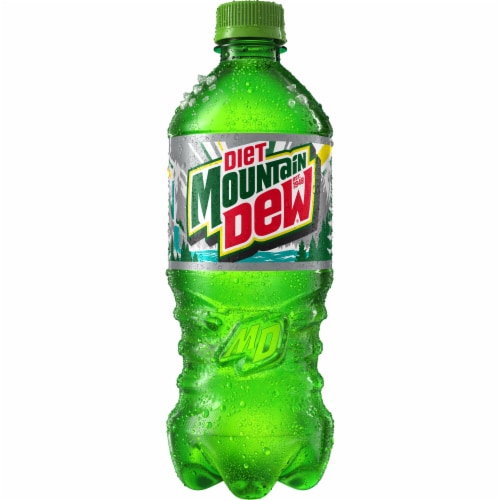
Diet Mountain Dew contains 0 grams of sugar, making it a sugar-free soft drink option for those watching their sugar intake. If you've ever grabbed a can of Diet Mountain Dew expecting that crisp citrus kick without the sugar crash, you're not alone. After years of tracking my own soda habits and helping friends decode nutrition labels, I've learned that understanding what's really inside your favorite drinks can change the way you sip. Let's break down the sugar content in Diet Mountain Dew, what sweeteners replace it, and why this matters for your health goals.
Diet Mountain Dew Sugar Content: The Exact Numbers
A standard 12-ounce can of Diet Mountain Dew contains 0 grams of sugar. That's right, zero. No high fructose corn syrup, no cane sugar, no sneaky added sugars hiding under alternative names. Each can delivers the bold, citrusy flavor Mountain Dew fans love without the 46 grams of sugar you'd find in a regular Mountain Dew.
The same zero-sugar promise holds true across most serving sizes:
- 20-ounce bottle: 0 grams of sugar
- 16-ounce can: 0 grams of sugar
- 2-liter bottle: 0 grams of sugar (when served in standard portions)
- 12-pack of 12-ounce cans: 0 grams of sugar per can
If you're comparing it to other diet sodas, Diet Mountain Dew sits comfortably alongside Diet Coke and Diet Pepsi, all delivering that satisfying fizz without the sugar spike. But here's the interesting part: just because the sugar is gone doesn't mean the drink is calorie-free. A 12-ounce can still contains about 0 calories, though some sources report trace amounts up to 5 calories depending on the specific formulation.
What Sweeteners Replace the Sugar in Diet Mountain Dew?
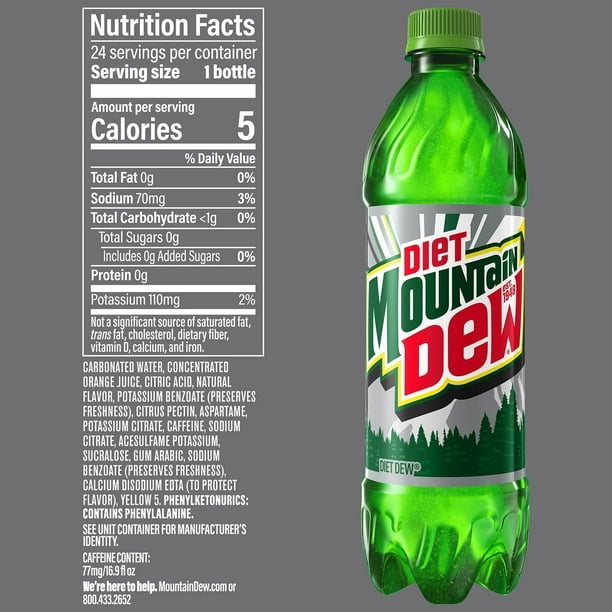
So if there's no sugar, what makes Diet Mountain Dew taste sweet? The answer lies in artificial sweeteners, specifically aspartame. Aspartame is a low-calorie sweetener that's about 200 times sweeter than regular sugar, which means only a tiny amount is needed to achieve that signature Mountain Dew sweetness.
Here's how aspartame works in your drink:
- It's a combination of two amino acids: aspartic acid and phenylalanine
- It breaks down during digestion into its basic components
- The FDA has approved aspartame for use in foods and beverages since 1981
- It provides virtually no calories because only small quantities are needed
You might also find acesulfame potassium (Ace-K) in some formulations, another common artificial sweetener that works synergistically with aspartame to enhance sweetness. Together, these sweeteners create the bold, sugary taste without the actual sugar content.
From my own experience, I've noticed that Diet Mountain Dew has a slightly different aftertaste compared to regular Mountain Dew, which is typical of artificially sweetened beverages. Some people love it, others find it takes some getting used to. If you're transitioning from regular soda to diet, your taste buds usually adjust within a week or two.
Diet Mountain Dew Nutrition Facts: A Complete Breakdown
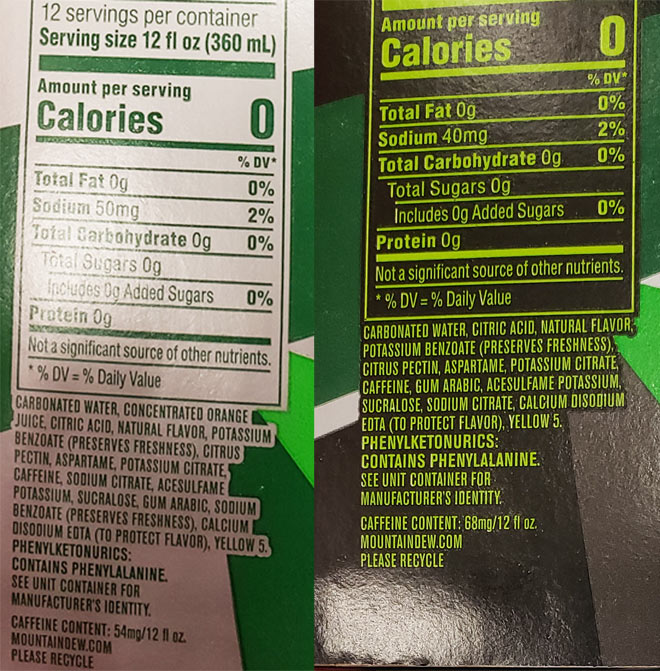
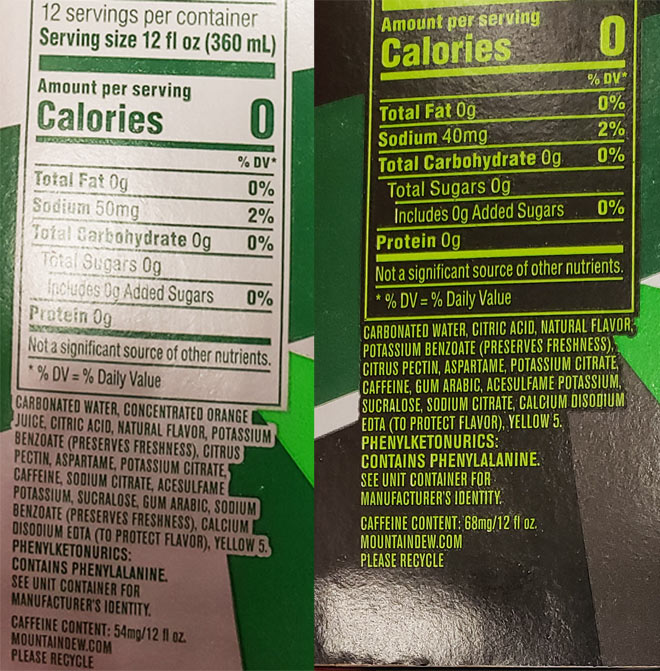
Understanding the full nutrition profile helps you make informed choices. Here's what a 12-ounce can of Diet Mountain Dew contains:
- Calories: 0
- Total Fat: 0g
- Sodium: 50mg
- Total Carbohydrates: 0g
- Sugars: 0g
- Protein: 0g
- Caffeine: 54mg
The 54 milligrams of caffeine is worth noting. That's more than a standard cup of coffee in some cases, and significantly more than other diet sodas like Diet Coke (46mg) or Diet Pepsi (35mg). If you're sensitive to caffeine or trying to limit your intake, this is something to keep in mind.
The sodium content is relatively modest at 50mg per can, making it a reasonable choice if you're watching your salt intake but not eliminating sodium entirely. For context, that's about 2% of the recommended daily sodium intake for most adults.
Is Diet Mountain Dew Actually Healthy? What You Need to Know
Here's where things get interesting. Diet Mountain Dew has zero sugar and zero calories, which sounds like a win for anyone trying to lose weight or manage diabetes. But the health picture is more nuanced than the nutrition label suggests.
The potential benefits include:
- No impact on blood sugar levels, making it suitable for people with diabetes
- Zero calories, which can help with weight management when replacing sugary sodas
- No tooth decay from sugar, though the acidity can still affect enamel
- The caffeine boost can enhance mental alertness and physical performance
The concerns worth considering:
- Artificial sweeteners like aspartame remain controversial in some health circles
- The phosphoric acid content can contribute to bone density issues over time
- The caffeine content may disrupt sleep patterns if consumed late in the day
- Some studies suggest a link between diet soda consumption and increased cravings for sweet foods
From my perspective as someone who has tracked my own beverage choices for years, I can tell you that Diet Mountain Dew works well as an occasional treat or a transitional drink when you're cutting back on regular soda. However, water should always be your primary hydration source. I've found that keeping Diet Mountain Dew as a "sometimes" drink rather than an all-day companion helped me maintain better energy levels and reduced my dependency on that afternoon caffeine boost.
Diet Mountain Dew vs Regular Mountain Dew: A Side-by-Side Comparison
Sometimes the best way to understand what you're drinking is to see it compared directly to what you're probably used to. Here's how Diet Mountain Dew stacks up against its original counterpart:
| Nutrient | Diet Mountain Dew (12oz) | Regular Mountain Dew (12oz) |
|---|---|---|
| Calories | 0 | 170 |
| Sugar | 0g | 46g |
| Caffeine | 54mg | 54mg |
| Sodium | 50mg | 60mg |
| Carbohydrates | 0g | 46g |
The most striking difference is the sugar content: 46 grams in regular versus zero in diet. To put that in perspective, 46 grams of sugar equals about 11 teaspoons, which exceeds the American Heart Association's daily recommended limit for women (25g) and approaches the limit for men (36g) in a single can.
The caffeine content remains identical, so you're not sacrificing that energy boost when you go diet. The sodium is slightly lower in Diet Mountain Dew, though both versions are relatively low in sodium compared to many other processed foods and beverages.
If you're someone who enjoys the Mountain Dew flavor but wants to cut calories or sugar, the diet version delivers a remarkably similar taste experience. I remember my own switch from regular to diet, and the first sip was almost identical. The difference becomes more apparent after several sips, with the diet version having a slightly lighter, less syrupy mouthfeel.
Common Questions About Sugar in Diet Mountain Dew
Does Diet Mountain Dew Have Any Sugar at All?
No, Diet Mountain Dew contains 0 grams of sugar per 12-ounce serving. The sweetness comes entirely from artificial sweeteners, primarily aspartame, which provides a sweet taste without the calories or blood sugar impact of actual sugar.
Can I Drink Diet Mountain Dew on a Keto Diet?
Yes, Diet Mountain Dew is keto-friendly because it contains zero grams of sugar and zero net carbs. The artificial sweeteners don't impact ketosis, making it a popular choice for people following low-carb or ketogenic diets. However, some people prefer to limit artificial sweeteners on strict clean keto protocols.
Is Diet Mountain Dew Better Than Regular Mountain Dew for Diabetics?
Diet Mountain Dew is generally a safer choice for people with diabetes because it doesn't raise blood sugar levels. The absence of sugar means no insulin spike, though the caffeine content can still affect blood sugar indirectly. Always consult with your healthcare provider about what beverages work best for your specific health situation.
Why Does Diet Mountain Dew Taste Sweet Without Sugar?
Diet Mountain Dew tastes sweet because it contains artificial sweeteners like aspartame, which is approximately 200 times sweeter than regular sugar. Your taste receptors can't distinguish between sugar and aspartame, so your brain perceives the same sweetness even though the actual sugar content is zero.
How Many Calories Are in Diet Mountain Dew?
A 12-ounce can of Diet Mountain Dew contains 0 calories. Some formulations may have trace calories up to 5 per can due to the minimal amounts of other ingredients, but it rounds to zero on most nutrition labels. This makes it essentially calorie-free compared to regular Mountain Dew's 170 calories per 12-ounce serving.
Final Thoughts on Diet Mountain Dew's Sugar Content
Diet Mountain Dew delivers exactly what its name promises: zero grams of sugar in every can. Whether you're managing diabetes, following a low-carb lifestyle, or simply trying to cut back on added sugars, this beverage offers the bold citrus flavor you love without the 46 grams of sugar found in regular Mountain Dew.
The key takeaways are simple: Diet Mountain Dew contains 0g of sugar, uses artificial sweeteners like aspartame to maintain its sweet taste, provides 54mg of caffeine per 12-ounce can, and contains zero calories. While it can be a smart choice compared to sugary sodas, remember that water remains the gold standard for hydration, and even diet sodas are best enjoyed in moderation.
If you're considering making the switch from regular to diet soda, Diet Mountain Dew is one of the better-tasting options on the market. Give your taste buds about a week to adjust, and you might just find that you never miss the sugar. Have questions about your favorite beverages or want to share your own experience with diet sodas? Drop a comment below, and let's keep the conversation going. Your journey to smarter sipping starts with one informed choice at a time.