How Many Carbs Are In Diet Coke: The Real Truth
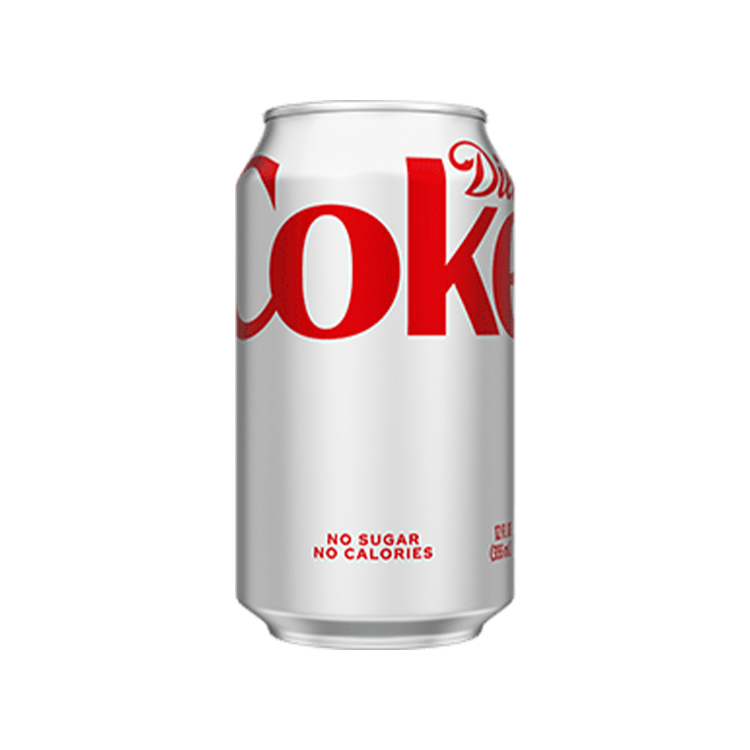
Diet Coke contains 0 grams of carbohydrates per 12-ounce can, making it a popular zero-carb soft drink choice for people tracking their carb intake.
If you're watching your carbs, managing your weight, or living with diabetes, you've probably reached for a Diet Coke and wondered, "Is this really free of carbs?" The good news is, yes, it really is. With zero grams of carbs and zero calories, Diet Coke has become a go-to drink for millions of people. But there's more to the story than just the number on the label. Let me walk you through everything you need to know about the carbs in Diet Coke, how it compares to other drinks, and what it actually means for your health.
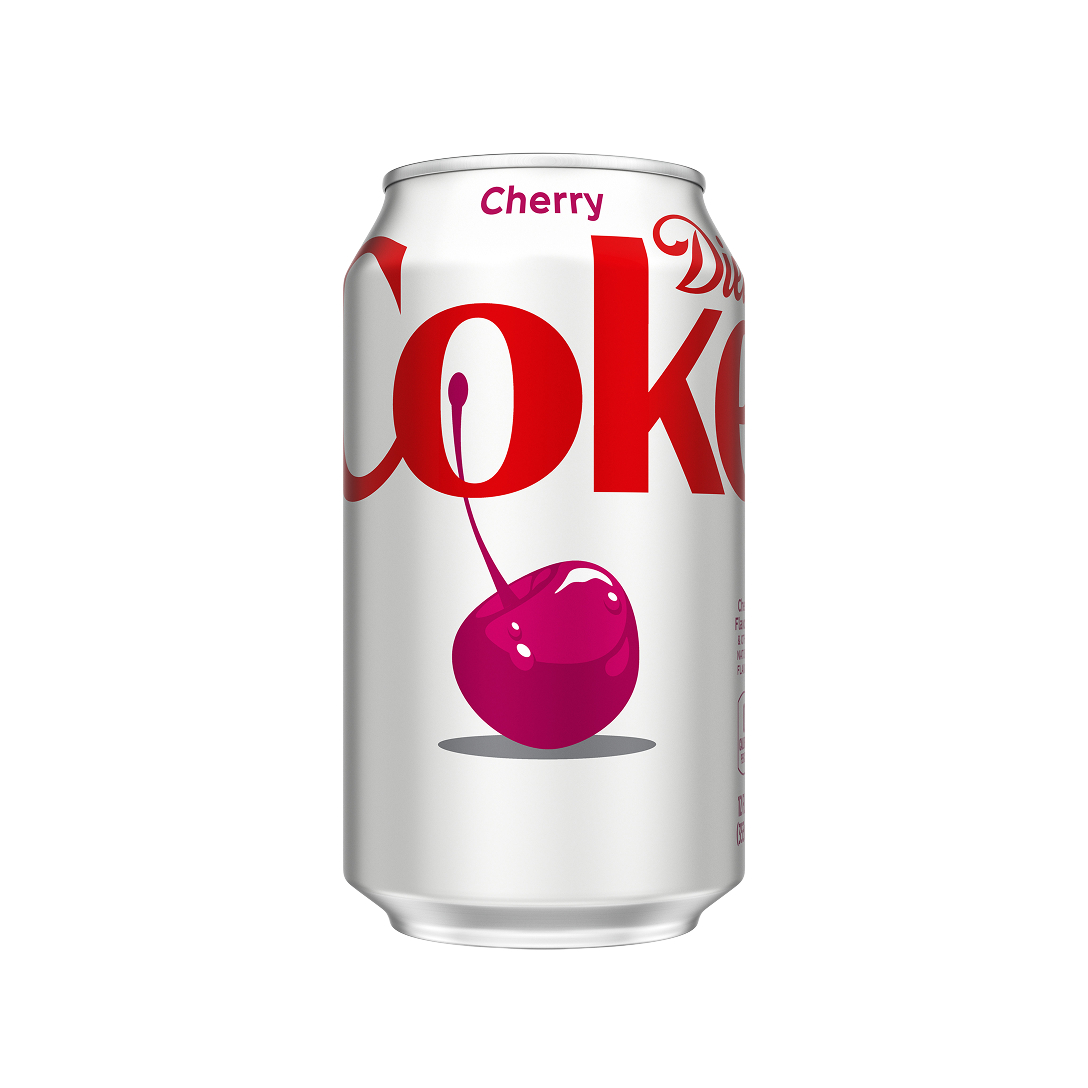
What Exactly Is in Diet Coke?
Diet Coke is a sugar-free, calorie-free soft drink made by The Coca-Cola Company. It was first introduced in 1982 as a lighter alternative to regular Coca-Cola. Instead of using sugar, Diet Coke is sweetened with artificial sweeteners, most commonly aspartame. Some versions also use acesulfame potassium (Ace-K) to enhance the sweetness.
The original ingredients include carbonated water, caramel color, natural flavors, citric acid, phosphoric acid, aspartame, potassium benzoate (a preservative), and caffeine. Because it uses artificial sweeteners instead of sugar, the carb count stays at zero, which is a huge reason why so many people choose it over regular soda.
A standard 12-fluid-ounce can of Diet Coke contains:
- Calories: 0
- Total carbohydrates: 0g
- Sugars: 0g
- Protein: 0g
- Fat: 0g
- Sodium: 40mg
- Caffeine: 46mg
This makes it a straightforward option if you're counting macros or following a low-carb diet like keto.
Why Does Diet Coke Have Zero Carbs?
The simple reason Diet Coke has zero carbs is that it doesn't contain any sugar or starch-based ingredients. Regular soda gets its sweetness and its calories from high-fructose corn syrup or sucrose, both of which are loaded with carbs. A single can of regular Coke, for example, has about 39 grams of carbs, all coming from sugar.
Diet Coke skips the sugar entirely and uses aspartame, which is a low-calorie artificial sweetener. Aspartame is about 200 times sweeter than sugar, so only a tiny amount is needed to give Diet Coke its familiar taste. Because aspartame doesn't break down into sugar in your body the way regular sugar does, it doesn't add to your carb count.
I've personally been a Diet Coke drinker for years, especially during long workdays. I remember the first time I tracked my macros and realized I could still enjoy a cold can of soda without blowing through my daily carb limit. It felt like a small win, and for anyone who's ever had to give up their favorite sugary drinks, that feeling is real.
How Diet Coke Compares to Other Drinks
If you're trying to figure out where Diet Coke fits into your diet, it helps to see how it stacks up against other popular beverages.
Here's a quick comparison of carbs per 12-ounce serving:
- Diet Coke: 0g carbs
- Coca-Cola: 39g carbs
- Pepsi: 41g carbs
- Sprite: 38g carbs
- Dr Pepper: 40g carbs
- Coca-Cola Zero Sugar: 0g carbs
- Unsweetened iced tea: 0g carbs
- Orange juice: about 33g carbs
- Regular beer: about 13g carbs
- Light beer: about 3 to 6g carbs
As you can see, Diet Coke sits right at the bottom of the carb list alongside other zero-sugar options. If you're on a strict keto diet where you need to stay under 20 to 50 grams of carbs per day, a can of Diet Coke won't put a dent in your budget. That's one of the reasons it became such a staple in the low-carb community.
Is Diet Coke Safe to Drink?
This is a question I get a lot, and it's one worth addressing honestly. Diet Coke has been studied extensively over the past 40 years, and major health organizations around the world consider it safe for regular consumption. The FDA, the European Food Safety Authority, and many other regulatory bodies have reviewed the research on aspartame and other ingredients in Diet Coke and have not found evidence that moderate consumption causes harm in healthy adults.
That said, it's important to be aware of a few things:
- Some studies have suggested a possible link between high consumption of diet sodas and changes in gut bacteria, but the evidence isn't strong enough to draw firm conclusions.
- Diet Coke is acidic, and like other sodas, drinking too much of it can contribute to dental enamel erosion over time.
- If you have phenylketonuria (PKU), you should avoid Diet Coke because aspartame contains phenylalanine.
In my own experience, I've found that drinking one or two cans a day doesn't cause any noticeable issues. But I do make sure to drink plenty of water alongside it. Moderation, like with most things, is key.
The Role of Artificial Sweeteners in Diet Coke
Aspartame is the main sweetener in Diet Coke, and it deserves a closer look. Aspartame was approved by the FDA in 1981 and has been one of the most studied food additives in history. It provides sweetness without the calories or carbs, which is exactly what makes Diet Coke a zero-carb beverage.
There's a common myth that aspartame causes cancer, but this has been debunked by numerous large-scale studies. The American Cancer Society and the National Cancer Institute have both stated that there's no clear evidence linking aspartame to cancer in humans at normal consumption levels.
Some people do report sensitivity to artificial sweeteners, experiencing headaches or digestive discomfort. If that's you, it might be worth exploring naturally sweetened alternatives like stevia or monk fruit drinks. But for the vast majority of people, Diet Coke is a perfectly safe and convenient way to enjoy a sweet, fizzy drink without any carbs.

Diet Coke on Specific Diets
Let's talk about how Diet Coke fits into some of the most popular diets today.
- Keto Diet: Diet Coke is technically keto-friendly because it has zero carbs. However, some keto followers prefer to avoid artificial sweeteners altogether. It's a personal choice.
- Low-Carb Diet: This is where Diet Coke really shines. You can drink it freely without worrying about your carb count.
- Diabetic-Friendly: Because Diet Coke doesn't raise blood sugar levels, it's often chosen by people with type 2 diabetes. Still, it's best to consult your doctor about what's right for you.
- Intermittent Fasting: During fasting windows, Diet Coke is a gray area. While it has zero calories, some fasting purists avoid anything that might trigger an insulin response. The research on this is mixed.
- Weight Loss: Replacing regular soda with Diet Coke can significantly reduce your daily calorie and carb intake, which may support weight loss efforts. I personally lost 15 pounds by simply swapping out sugary drinks for Diet Coke and water over the course of a few months.
Common Misconceptions About Diet Coke
There are a lot of myths floating around about Diet Coke, and I want to clear up a few of the most common ones.
- "Diet Coke has hidden carbs." No, it really doesn't. The label clearly shows 0g of carbs per serving.
- "Diet Coke causes weight gain." Studies show mixed results. Some observational studies suggest a link between diet soda and weight gain, but these don't prove causation. Replacing sugary drinks with diet soda is generally a better choice for weight management.
- "The artificial sweeteners in Diet Coke are toxic." At normal consumption levels, aspartame and other sweeteners in Diet Coke are considered safe by every major health authority.
Tips for Enjoying Diet Coke Mindfully
If you love Diet Coke like I do, here are a few practical tips to make the most of it without going overboard.
- Use it as a tool, not a crutch. Diet Coke is great as an occasional treat or a swap for sugary drinks, but water should still be your main source of hydration.
- Watch your portions. A can or two a day is generally fine, but drinking it constantly throughout the day isn't ideal for your teeth or your overall hydration.
- Pair it with a balanced diet. Diet Coke works best when it's part of a healthy eating pattern, not a replacement for nutritious food.
- Listen to your body. If you notice headaches, bloating, or any other negative symptoms, consider cutting back and seeing if they improve.
I've found that the best approach is to treat Diet Coke as a satisfying alternative to regular soda, not as a magic weight-loss drink. It's a small piece of a much bigger puzzle when it comes to your health.
Frequently Asked Questions
Does Diet Coke Have Any Carbs at All?
No, Diet Coke contains 0 grams of carbs per 12-ounce can. It is sweetened with artificial sweeteners like aspartame instead of sugar, so it contributes nothing to your daily carb count.
Is Diet Coke Better Than Regular Coke for Diabetics?
Generally, yes. Diet Coke does not raise blood sugar levels because it contains no sugar or carbs. However, people with diabetes should still talk to their doctor about what's best for their individual health plan.
How Many Calories Are in Diet Coke?
A 12-ounce can of Diet Coke has 0 calories. This is significantly lower than regular Coke, which has around 140 calories per can.
Can I Drink Diet Coke on a Keto Diet?
Yes, Diet Coke has zero carbs and zero sugar, making it technically compatible with a keto diet. Some keto practitioners avoid artificial sweeteners, but from a strict carb-counting perspective, it fits.
Does Diet Coke Make You Gain Weight?
Research is mixed. Some studies suggest a link between diet soda and weight gain, but others show it can support weight loss when used to replace sugary drinks. Moderation is key, and overall diet quality matters more.
Conclusion
Diet Coke is a zero-carb, zero-calorie soft drink that has earned its place as a favorite for people watching their carb intake, managing diabetes, or simply trying to cut back on sugar. With 0 grams of carbs per can, it's one of the easiest ways to enjoy a sweet, fizzy drink without derailing your diet. Just remember that while it's a smart swap for sugary sodas, it works best as part of a balanced lifestyle that includes plenty of water, whole foods, and mindful habits. If you've been on the fence about Diet Coke, now you have the full picture. Try it out, see how it fits into your routine, and let your own experience guide you. Got questions or your own Diet Coke story? Drop a comment below, I'd love to hear from you.